

Investing @ one of the largest Endowment Funds in the world | Building an institutional portfolio in Blockchain and Digital Assets
Washington, DC
Joined May 2008
- Tweets610
- Following969
- Followers2.4K
- Likes1.1K




Pinned Tweet
BITCOIN HAS NO INTRINSIC VALUE.
But it has immense “IMPUTED VALUE”.
And that’s all that matters—and why it’s the sixth most valuable asset today and might one day be #1.
People are massively underestimating its network effects.
I would rather be a real estate lender than a landlord right now. In a world where inflationary and interest rate pressures are the norm, generic commercial real estate is going to struggle and be a lot more volatile than people think.
Real Estate can be a dream investment only in two situations: falling interest rate environment and picking sectors that have durable demand against a constraint supply. Currently, we have neither in multifamily real estate.

Dinner with an exec/friend at a large national property management company tonight. This person oversees ~150k apartments; access to an insane amount of data.
Current multifamily market in most of the country is worse than S&L, .com bust, or the GFC. Worst they’ve seen.
Class A mostly fine, decent rent growth. However:
- credit scores at class A have gone down meaningfully over the past 3 years.
- more people are paying rent via credit card.
- average bank account balance noticeably lower than even 2 years ago
- class A tenants stretched thin, living beyond their means. 20k comes in, 20k goes out every month.
- starting to see these renters move down a tier
Class B:
- simply too many apartments, we built too much new stuff. Ripple effect is enormous.
- fewer renters tomorrow than today. Same store foot traffic noticeably down year over year. Some markets down 40-50%
- considering dropping rents below $700 a month on some 1beds in major southern markets.
Class C:
- looking at degrading NOI. Rents aren’t growing for a long time, but expenses keep creeping up
- more renters are one missed paycheck away from disaster than they can remember seeing in decades
- tenants aren’t paying rent because they simply don’t have it
- wage growth has not kept up
Lenders:
- some major investment funds, household names, haven’t paid their mortgages in 2-3 years. Banks won’t foreclose because “X is a big client.” Mexican standoff.
- a roof leak gets ignored, becomes water damage, then mold, then a down building. Buildings are rapidly deteriorating as some owners choose cash preservation over funding losses.
- number of pre-foreclosure and REO deals is the highest as a % of total units they can recall.
- data providers know it’s bad, but they’re paid to sell optimism to owners/lenders. So every forecast is “it will probably get a little better next year maybe” and that gets regurgitated at investment committees all over.
I asked “how do you think this ends?”
“Not sure. My gut says slowly then suddenly, and things will get really bad. Been doing this 40 years, you can feel it in the air. But, there’s a chance it’s just a decade of tolerable pain. I’m praying for that.”
One for the books.. An unforgettable dinner with the man Wall Street misunderstands most.
@dgt10011 @saylor @paraficapital

1) The Scoreboard
We looked at Cambridge benchmark returns for opportunistic RE funds by vintage year, going back 20 years: 565 funds.
Pooled return: 5.0%. Median fund: 6.8%.
Single-digit IRRs in nearly every single vintage year.
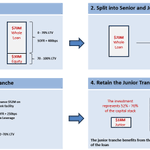
And the fair objection: "haven't you just moved the leverage from the building to the loan?"
Partly, yes. The difference is where it attaches (the protected slice, not the volatile one) and how it's financed (match-term, non-mark-to-market). But a 30-40% correction hurts every levered lender.
Being the Bank, Not the Landlord
Over 20 years, investors poured capital into 565 opportunistic real estate funds chasing 15%+ net returns. The pooled net return delivered: 5.0%.
A thread on where the durable money in real estate was actually made 👇👇

And the fair objection: "haven't you just moved the leverage from the building to the loan?"
Partly, yes. The difference is where it attaches (the protected slice, not the volatile one) and how it's financed (match-term, non-mark-to-market). But a 30-40% correction hurts every levered lender.