

Portfolio Strategist @ Rimrock Capital Markets are a probability distribution of uncertain outcomes, convexity is compounding right tails and cutting the left
Irvine, CA
Joined June 2025
- Tweets105
- Following113
- Followers83
- Likes103

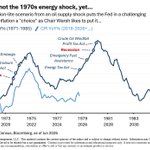





The US-Iran conflict is creating an oil price spike similar to the mid-1970s, but the current inflation shock looks more under control that a second wave should be more mild ...

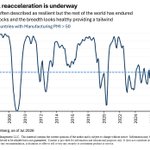
Are economic cycles dead? The US economy has become much more resilient over the decades for many reasons including the banking sector is no longer the only source of lending these days... and as a result recessions are abnormal now (less than <10% of the time).

Financial conditions are easier than when the Fed had rates near zero in the last cycle -- engineering a slowdown could be necessary to prevent a Fed overreaction down the road...


Inflation is most visible in premium entertainment with World Cup ticket prices up +142% this year — with the k-shaped economy most apparent in prices for the Finals match up +411% this year.


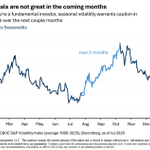
Historically markets offer poor risk-reward as we approach the second month of a new Fed Chair - which lines up with a seasonally weak Sep-Oct period as well... will this time be different?


