

belongs to Nazarene.
Oregon Coast, United States
Joined November 2018
- Tweets4.3K
- Following1.3K
- Followers429
- Likes9K



Pinned Tweet
We are still at the part of the story where wildlings of land haven’t even showed up yet. And we had none of the witch doctor’s poisons. We never liked school.
Where cities end hills we dwell in begin.
America is and always will be protected by her feral children of Liberty. 🇺🇸

i_ retweeted

A massive deep-sea shark was filmed approaching a submarine during an expedition deep beneath the ocean's surface


i_ retweeted

One of our Troops is asking for our prayers.
Let's go God's Army, keep all of our Troops in your prayers as they battle on! 🙏
Chris Baldwin
US Army Airborne
This quoted post is unavailable.


i_ retweeted

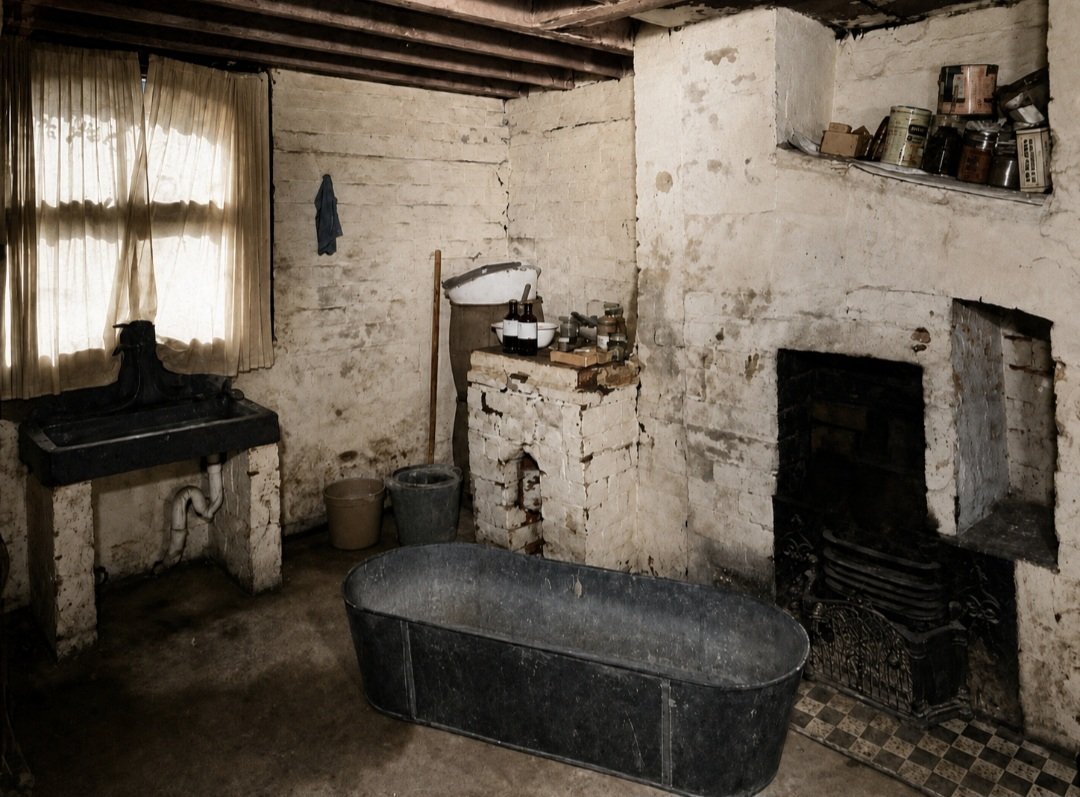
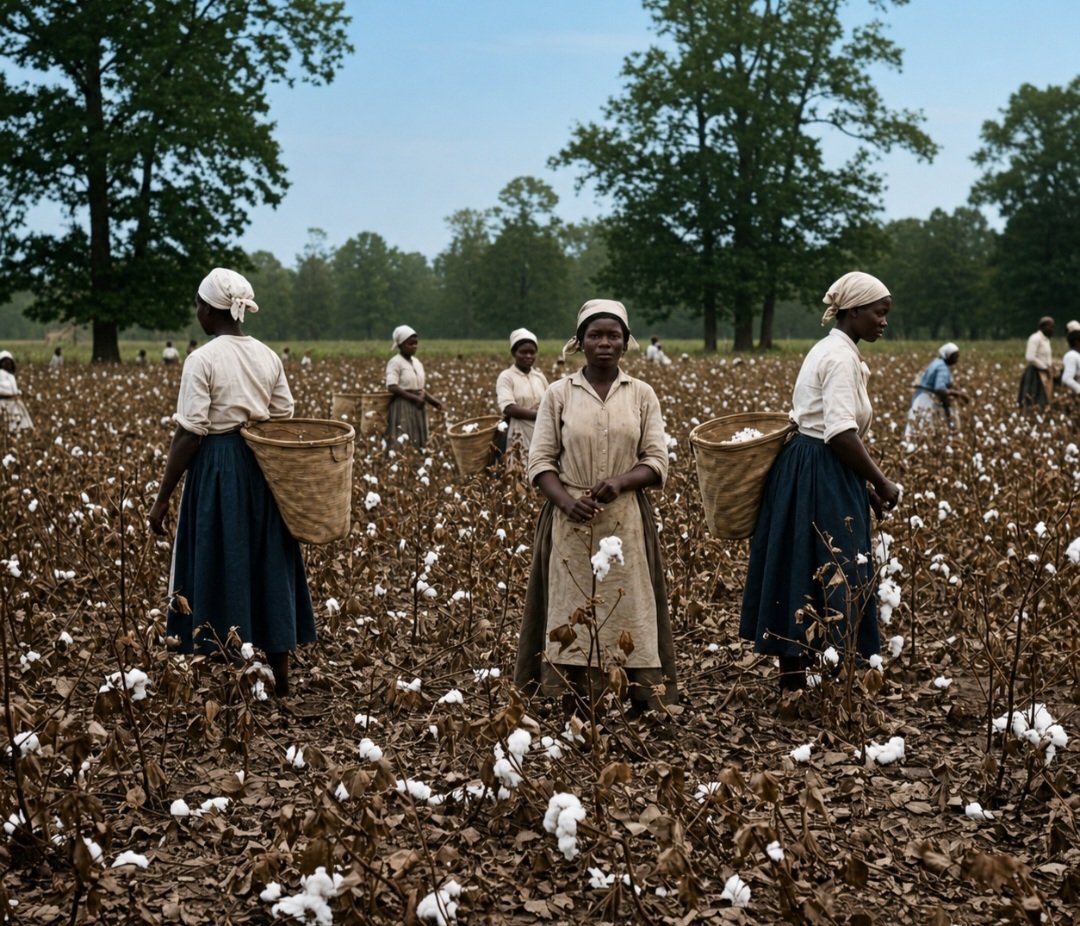
Working-class Britons had it harder than slaves on the average American plantation.
Children as young as nine were forced to work twelve or thirteen hours a day, sometimes longer, with barely enough time to eat. Those who slowed through exhaustion were beaten with straps or struck with machinery rollers. Many were physically broken before reaching adulthood, while mill owners simply threw them aside and replaced them with another desperate child.
A plantation owner had paid money for his labourers and therefore had a financial interest in keeping them fed, housed, alive and capable of working. A British industrialist did not own his workers and had invested nothing in them. He could work a man, woman or child into sickness, injury or an early grave, dismiss them and replace them the following morning.
Plantation labour was often carried out in the open air and natural light. British workers spent twelve-hour shifts trapped underground or inside mills, foundries and potteries, breathing coal smoke, cotton dust, silica, soot, metal particles and poisonous fumes. Miners crawled through cramped tunnels beneath the earth; potters slowly destroyed their lungs with clay and lead dust; steelworkers faced furnaces hot enough to scorch the flesh; dockers broke their bodies carrying crushing loads in all weather.
There was no fresh air, no safety equipment, no compensation and often no escape from the machinery until the shift ended. Men were burned, crushed, blinded, poisoned or buried alive. Children lost fingers and limbs in exposed gears and belts. Those who survived were commonly worn out before middle age.
The plantation slave was valuable property. The British labourer was disposable.
Industrial Britain was built on the backs of working-class men, women and children whose lives were consumed for profit and then largely forgotten.



i_ retweeted

What is an American?
Teddy Roosevelt answers: The children and grandchildren of the men who came here from England, Ireland, Germany, France, Scandinavia, and the rest of Europe have become Americans—a new race, with a new ethnic type, and they are no more Englishmen or Germans or Scandinavians than the descendants of the Norman invaders of England are Frenchmen.
Roosevelt was the head of the "Rough Riders." He understood how the American ethnicity was formed through the frontier conditions and how it made a new race. The harsh struggle with the wilderness and with wild men banding together the descendants of many European stocks into one people—the American.
Out of the wild came a new ethnic type, hardy, self-reliant, sovereign, and with a country for its inheritance.


i_ retweeted

Vivaldi's “Winter,” visualized in a fascinating way, so that the auditory experience is even more intense; one can literally “see” the music, so to speak


