

Late Antiquity. The Middle Ages. And everything that connects them, before and after. History doesn’t repeat. It transmits.
United States
Joined July 2026
- Tweets192
- Following77
- Followers18
- Likes1.1K





The Long Memory retweeted

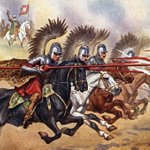
Poland and the Winged Hussars saved Vienna on this day in 1683 from the Ottoman siege.
It was the largest recorded cavalry charge in history with 20,000 horseman thundering down to save the city!
The Long Memory retweeted

“Rome was built by men who slept on dirt. It is being spent by grandsons who sleep till noon.”
— Seneca the Younger

#onthisday Sobieski’s Hussars unleashed one of the most advanced cavalry charges in post medieval history to relieve the siege of Vienna, and totally took the proud Ottoman massive army by surprise.

Late Roman Empire which was suffering from a multitude of complicated problems was in the occasional habit of considering the unruly powerful barbarian leaders for positions such as magister militum.
#onthisday The Eastern Roman distinguished magister militum, Belisarius landed in Africa to end the Vandalic kingdom occupation of this province.

The legend of Arthur remains filled with metaphors and motifs shaped by the 4th to 6th centuries AD—a time when the Roman order was collapsing, and its loss was witnessed and mourned by those who had lived under it.


Richard the Lionheart’s name was a fitting one. It derives from Germanic roots: rīks, meaning “ruler,” and harduz, meaning “brave” or “hardy.”

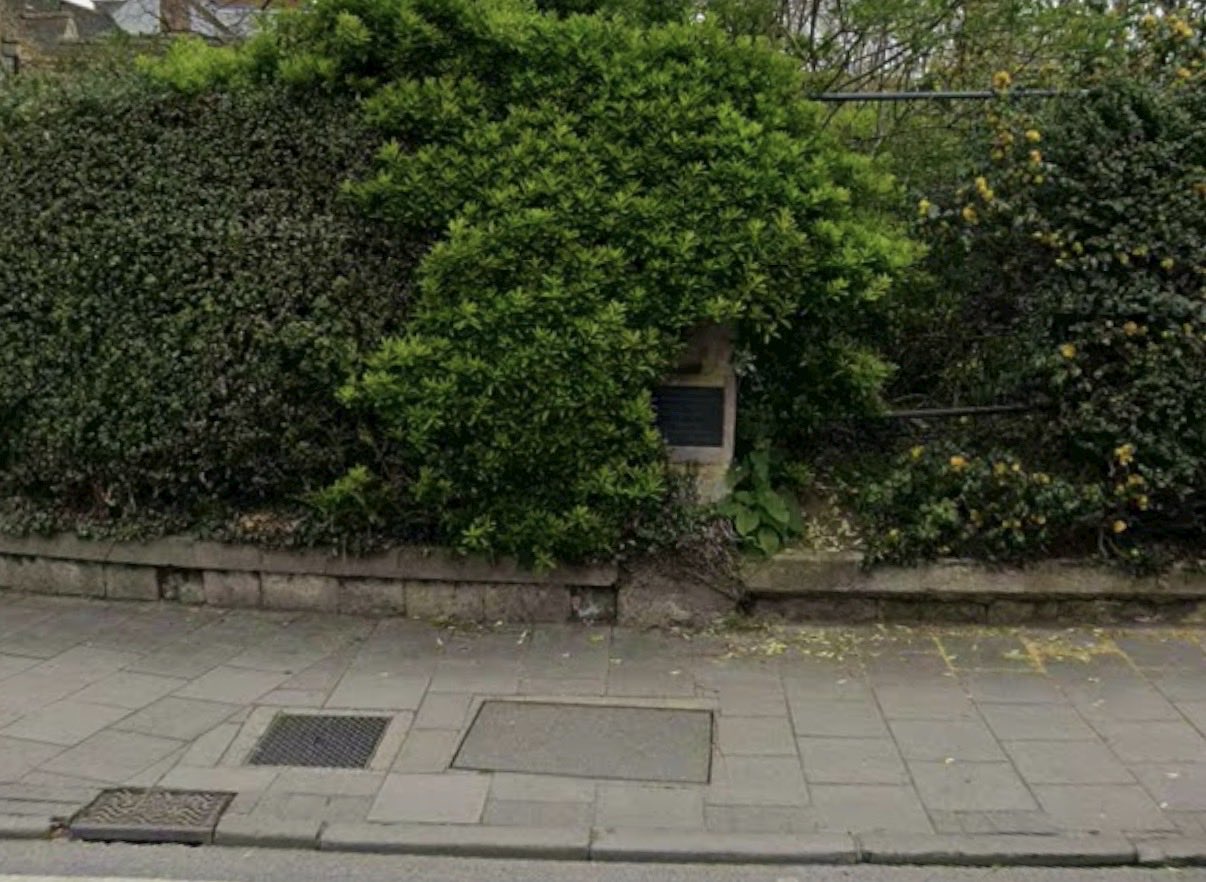
#onthisday Richard I, the Cœur de Leon, #Lionheart was born in Beaumont Palace same place where the other Plantagenet king of England, King John was born . Not much is left of the medieval palace today other than commemorative plaque.

Late Roman observers like Sidonius and Zosimus were rightfully frustrated with the Roman Empire being long in disrepair. But one thing they noticed is how the shortage of trained, skilled and disciplined Romans affected the whole structure of their world…
The Battle of the Frigidus (394 AD)
How do we know what happened when a literal storm changed Roman history at the Battle of the Frigidus? The story survived thanks to a clash of contemporary writers who couldn't agree on why the wind blew. Here is how the sources stack up 👇

Then came the Christian chroniclers like Rufinus and Augustine. Writing in the early 400s, they turned Claudian’s weather report into a divine miracle. For them, the storm was God’s direct answer to the devout emperor’s overnight prayers against a "pagan" uprising.
#OTS On this day in 925, King Æthelstan was crowned at Kingston upon Thames, wearing a crown, making him the first king of England. Before Æthelstan, Anglo-Saxon rulers were invested with a ceremonial war helmet. Instead, Archbishop Athelm placed an actual crown on his head.


