

for Translational Tumor Immunology, Cancer Immunotherapy and Stem Cell/Developmental Biology Research at USC
- Tweets86
- Following33
- Followers83
- Likes132


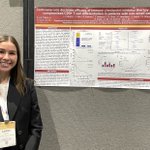

ALT Exposure to a youthful systemic environment decreases circulating and intratumoral aged parabiont-derived myeloid cells producing IL-1α, IL-1β, IL-6, and TNF-α in heterochronic parabiosis (Fig. 3). Experiments using heterochronic bone marrow and mixed bone marrow chimeras demonstrate that this is due to the circulating factors produced from non-bone-marrow derived cells in young mice (Fig. 4 and 5). Ingenuity Pathway Analysis (IPA) suggests a potential role for the thymus in regulating age-associated inflammation (Fig. 6). This allows us to identify the role of thymulin as a mediator enhancing antitumor T-cell immunity, improving tumor control and survival, and sensitizing tumors to anti-PD-L1 therapy in an age-dependent manner (Fig. 7).


ALT A digital illustration showing the human thoracic cavity. The image highlights the thymus gland in orange, situated centrally above the heart and between the lungs, which are depicted in blue.


ALT Two individuals in lab coats are in a laboratory setting. One person is holding a small object and explaining something to the other person, who is attentively observing. The setting appears scientific with lab equipment in the background.
ALT Two individuals in lab coats are in a laboratory setting. One person is holding a small object and explaining something to the other person, who is attentively observing. The setting appears scientific with lab equipment in the background.


