
Coaching world-class triathletes for 30 years | Simplicity over noise | #JFTcrew
Joined January 2009
- Tweets229
- Following755
- Followers8.1K
- Likes228





Vasco Vilaça didn't feel good the day he won his first WTCS race.
He won anyway.
You don't train for the days you feel good. You train for the days you don't, and still find a way.
New Real Coaching Podcast: what 4 world champions had in common.
Podcast Link: joelfilliol.com/podcast/2026…
7 World titles across 4 athletes in 10 years.
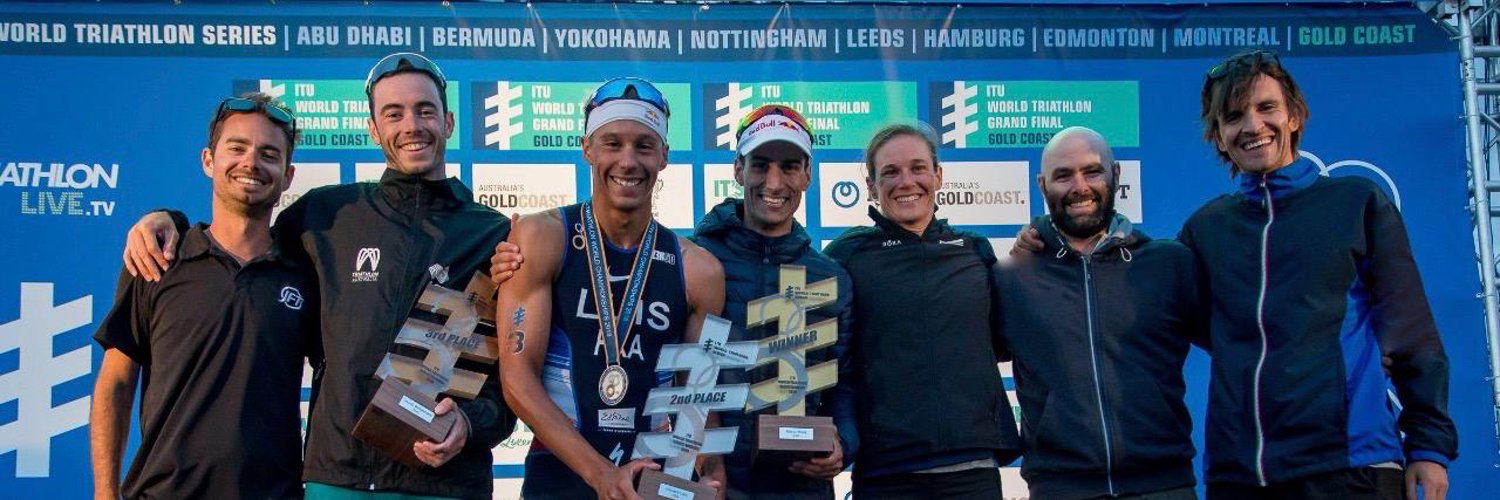
What Mola, Luis, Zaferes and Vilaça had in common wasn't talent. It was trust, discipline, ownership and commitment.
I wrote about all four, and how to apply them yourself:

It's a good moment to re-share this piece on reflections from Vasco Vilaça's first World Series win early this season in Samarkand from the start of the World Triathlon season that has led to Vasco winning the World Title in Pontevedra on Sunday.
We are coming out of the 7 week pre-worlds heads down camp focus now, so it's an opportunity to craft a follow up on learnings from our squad's 4 World Champions: Mario Mola in 2016, 17, 18, Vincent Luis in 19, and 20, Katie Zaferes in '19 and now Vilaça in ‘26
A work in progress to follow.
Check out the original piece on substack:
joelfilliol.substack.com/p/b…

Most athletes are waiting for the moment when the training becomes something other than repetition.
That moment does not come.
The athletes who reach the highest levels are the ones who stopped waiting for it to be different, and embrace the repetition.

The pattern is consistent:
Early promise. Fast improvement. Everyone gets excited.
Then the plateau. Then the injuries. Then the frustration.
What looks like bad luck is usually the cost of rushing a development stage that needed more time.

The endurance industry has a strong incentive to sell complicated solutions to relatively simple problems.
The athletes who reach the top got there by doing the basics extremely well, for a very long time.
That's less exciting for marketing, but it's closer to the truth.

Read the article on the 5 Principles That Survive Time on the Real Coaching substack: open.substack.com/pub/joelfi…
Adding run volume to fix a weak run sounds logical.
But that load lands on top of the swim and bike. Recovery is compromised across all three. The athlete ends up worse than before.
One variable changed. The whole system responded.
Triathlon is a complex system. We keep treating it like it isn't.

Read the full article on the Real Coaching Substack: open.substack.com/pub/joelfi…
Constant recalibration prevents the depth of adaptation that only comes from consistency over time.
The athlete who keeps optimising will almost always lose to the athlete who commits.

Reflecting on what went into Vasco Vilaça's first WTCS win in Samarkand:
The background, principles and what the differences were or weren’t coming out of the off season.

Thanks to @Alan_Couzens and @inaki_delaparra for this discussion on the MAD Science Meets Real Life podcast
Some of my favourite topics we covered:
-The intensity mistake
-Time Is a Flat Circle concept
-Coaches can see, athletes can feel
-What Actually Makes Champions Different / Ego control
- Zone 1 Is Not Zone 2
-The Easy Training Problem
-Don't Rush Young Athletes — The Long Development Problem
-The Institutional Knowledge Problem in Coaching

Watch on youtube youtube.com/watch?v=BylHkMlL… or Spotify / other podcast channels