

I help people who give a shit about the world make an impact. I coach & consult entrepreneurs and professionals to grow themselves, and solve business problems.
Philadelphia, PA
Joined November 2008
- Tweets492
- Following907
- Followers16.6K
- Likes1.8K






Pinned Tweet
I left Twitter on Dec 17, 2022, right after Elon took over: xitter.cf/jgibbard/status/160414…
Today, I’m back and posting on Twitter.
So, what changed?
Did all my reasons for leaving get fixed or am I just a hypocrite?
Neither.
Full explanation here: jgibbard.me/return


Goodbye @Twitter
Friends, here’s where to find me:
🦸♂️ Becoming Superhuman: jeffgibbard.com/becoming-sup……
🐘Mastodon: jgibbard.me/newhome
👔 Linkedin: linkedin.com/in/jgibbard

Most managers eventually ask some version of the same question: how do I get my team to do what I need them to do?
You can rarely make someone want what you need. What you can do is find where what they already want overlaps with what you need. That’s the entire secret, and it’s

own path, and your job as a leader is to find where your paths overlap and point in the same direction.
If you can’t find that overlap, there are usually two options: work with them to find a role that better suits them, or keep looking for someone whose goals already line up
with yours. Coercion might move someone once, but it rarely makes them want to stay.
What does your team actually want, and how much of it do you actually know?
#LovableLeader#Leadership #Motivation
One interruption. A whole day gone.
Every interruption costs all of us something. Studies say it takes over 20 minutes to get back on track after being pulled away from a task.
For many neurodivergent people, the cost is much higher. Getting into a rhythm can take real effort.

When a "quick question," a Slack ping or unexpected noise breaks it, the rest of the day can go with it.
That's not a work ethic problem. It's how our brains are wired.
Neuroinclusive teams start with two things:
Give everyone the freedom to choose how they work.
Build a
culture that respects those choices.
We wrote about the real cost of context switching, and why it matters so much for neurodivergent colleagues: getsuperproductive.com/produ…
#Neurodiversity #ADHD #Productivity #NeuroinclusiveWork

A weird leadership test: How would you handle this if the person were three years old and learning something new?
You wouldn’t say “Figure it out” or “If you mess up again, you’re out.” You’d plan, support, celebrate progress, and normalize setbacks.
Adults aren’t toddlers. But

being new at something can still bring up shame, fear, and avoidance.
Before you question someone’s professionalism, ask whether you’ve given them the support they need to succeed.
#Leadership #PeopleManagement #EmployeeDevelopment #Onboarding
There's a question I ask leaders in almost every conversation: are your people working on the right things, at the right time, with the right amount on their plate?
Most hesitate before answering.
Busy, active, and effective get treated like synonyms. They rarely are.
unused becomes a risk you may not notice until they leave for a role that finally puts those strengths to work.
Leadership means looking honestly at how people are actually spending their time, not just how full the calendar looks. The real target is maximum contribution: solid
work finished, with something left in the tank for tomorrow.
How are you checking whether your team's time actually matches their strengths?
#Leadership #TeamManagement #Productivity #WorkplaceCulture
What’s the big deal? Just keep using Grok Bot. It’s not like it makes a difference who directly benefits from it, right?

There's a specific feeling in sales that most people just call "icky." It's the moment you can tell someone is working you, or the moment you're desperate enough to do the thing that doesn't sit right.
I borrowed a test from Phil M. Jones' book Exactly What to Say, and it's

helping.
Selling well is straightforward. Qualify honestly so you both belong in the conversation. Offer only what they told you they needed. Follow up exactly as promised, and nothing more. Then let them decide, with no strings attached either way.
Do that every time and you
stop needing tactics. Your reputation starts doing the selling for you.
#Sales #ClientFirst #SellWithPurpose
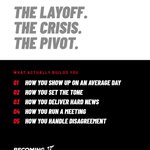
Nobody hands you a manual for leadership. But five ordinary situations quietly define what kind of leader you actually are, whether you've thought about them or not.
How you show up on an average day, not just the big ones. How you set the tone and point people toward what

development focuses on the big, rare moments: the layoff, the crisis, the pivot. But leadership actually gets built in these five small, repeating ones.
Which of these five is the one you're least intentional about right now?
#Leadership #LeadershipDevelopment #ManagementTips