
Love my music ; crossword-obsessed ; capital markets the centre of plate ; ten-pin bowling and maths trivia are added pursuits
mumbai
Joined August 2009
- Tweets9.4K
- Following1.5K
- Followers15.9K
- Likes1.8K




For those seeking reaffirmation about the supply demand dynamics in the physical oil market!

Iraq is offering its oil again at $29-$33 a barrel discount to the benchmark. The large markdown isn’t new; what’s a novelty is that they come after physical benchmarks fell sharply in recent weeks (Dubai is ~$88), meaning that some Iraqi crude would be now flowing at ~$55 a barrel!
(Sure, on top of that comes still expensive freight and the life-or-death challenge of crossing the Strait of Hormuz. Details!)
Quite heartening (and humbling, may I add), the plethora of responses to the oil markets thread; many folks wanted some feedback on squaring off the observations with the PPAC chronicling of the landed price of the ICB (Indian Crude Basket) at around 120 usd. The elephants (1/n)
in the room are a) Freight Cost and b) Insurance
Gulf cargo(freight) to Indian west coast have moved up from 2 to 2.5 pct a year ago (for a 2 mm barrel VLCC) to nearly 16 percent as of today, but easing off slowly.
Insurance has moved up from about 0.25 to 0.30 pct (2/n)
1
12
3,006
Have been tweeting about the oil markets for while now, that physical buying and selling of oil has now become increasingly bilateral between countries- with almost no correlation with the futures rates traded in the oil futures market; several cases in point include (1/n)
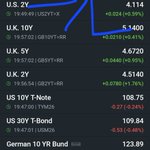
Another set of collateral evidence- the INR has been appreciating and the ten year has inched up to 7.48 pct, whereas were the 117 handle on Brent to be reflective of reality, the INR should have been at 97 plus and not 95+/- while the ten year should have been much higher(9/n)
While folks are holding their breath about tax cuts, STT changes etc, it's vital to point out that there are many, many non-revenue impacting steps that can be taken by @SEBI_Awareness to actually benefit the small investor.
Buy-backs by companies currently restricted to (1/n)
Just once in the year; then again, networth post buy-back becomes a constraint- frankly let the company boards decide.
Dividends, buy-backs, fund raising (which btw is not allowed for a period post the completion of the buy-back) - why should these restrictions be there? (3/n)
Let companies operate with alacrity and flex that investors can - then, truly, small investors can rely upon companies being able to be a protective downside in times of intense under valuation, which several companies may well be feeling in these markets (n/n) @SEBI_Awareness