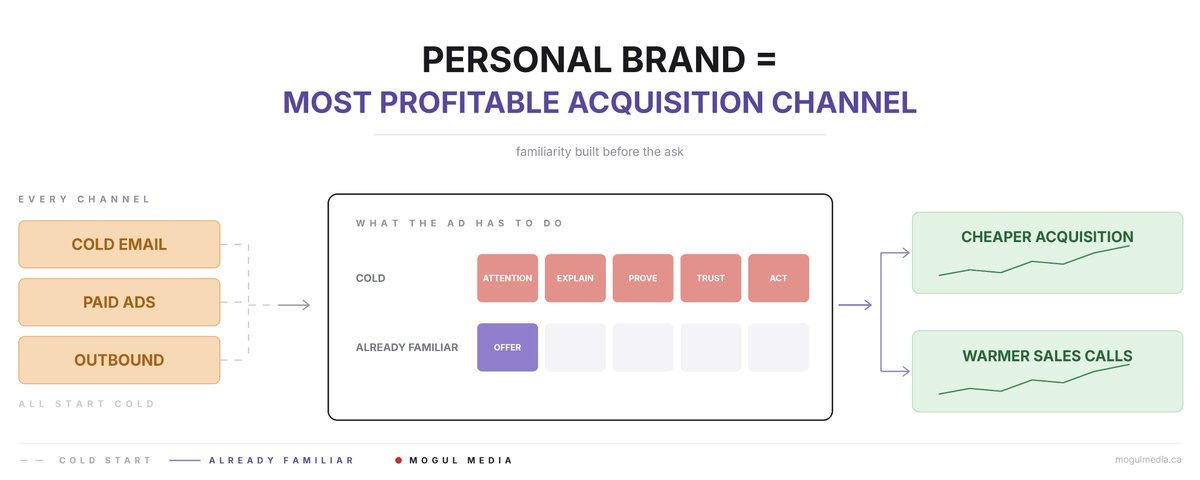
Driven 9 figures in attributed Meta ads revenue for clients - Now building ecom brands in the PH - Also helping personal brands at PBHQ
DWY Personal Brand
Joined March 2016
- Tweets30.8K
- Following1K
- Followers34.8K
- Likes32.8K



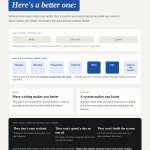


Don’t wait for sales to drop before you start the next thing. By the time it’s obvious you need a new hero, you needed it six months ago.

Mark William retweeted
Seeing similar things. The weekend was just horrible across the board.

Something is seriously off with Meta traffic right now.
We're seeing conversion rates drop by as much as 30–40% across parts of our portfolio over the last 3 weeks.
And it's not just e-commerce.
DTC, B2B, lead gen. Different industries. Same pattern.
Here's the weird part:
CPMs? Fine.
CTRs? Fine.
Add to carts? Fine.
Initiated checkouts? Fine.
Actual conversions? Falling off a cliff.
The brands struggling the most have one thing in common:
They're NOT running aggressive promotions.
Meanwhile, brands that have been pushing offers through Labor Day, Prime Day, and now Halloween?
They're doing just fine.
We've seen similar behavior around major shopping events before, but I don't remember seeing it at this scale or for this long.
And after speaking with other Tier 1 advertisers, I'm hearing very similar stories.
Which makes me think something bigger is happening.
Two possibilities:
1. Meta is making significant backend changes, as they frequently do, with very little communication about how those changes affect delivery and traffic quality.
2. We're seeing broader macroeconomic or consumer behavior shifts that are starting to affect even Meta's ability to find high-intent buyers.
And that second possibility is particularly interesting.
Meta has historically been exceptionally good at finding people who are ready to buy, even when the broader market isn't doing particularly well.
But right now, something isn't adding up.
I don't know which explanation is right. Could be a combination of both.
What I do know is that this isn't isolated to a few underperforming accounts anymore.
What are you guys seeing?
In Omnisend's 2026 report, automated emails made $2.87 per email sent. Campaign emails made $0.18.
Most people read that as "flows are 16x better than campaigns".
I'd break it apart first. Most flows fire after someone has already shown intent (signed up, viewed a product, added to cart). Of course they make more per email.
What matters more is how many people get into your flows in the first place.
e.g. your abandoned cart flow can only email shoppers you can identify. If a big chunk of your add-to-carts come from people who never gave you an email, the flow never even sees them.
So before Black Friday, I'd compare 2 numbers:
- how many people got the first email in your abandoned cart flow last month (if you've connected Claude to @omnisend, you can ask it)
- how many add-to-carts didn't end in an order over the same period (in Shopify, or wherever you track it)
If that gap is big, closing it is probably worth more than any copy tweak you'll make to the flow.
🤝 Paid partnership
Here's the link if you want to try it: your.omnisend.com/Mark
Use code MARK for 30% off your first 3 months (on a paid plan).
The solution we usually implement when things like this happen is to focus on our historical winners (ads, strategies, etc.) - and to slow down the testing a bit to allocate its budget towards what works and recover performance first.

Seeing similar things. The weekend was just horrible across the board.
Something is seriously off with Meta traffic right now.
We're seeing conversion rates drop by as much as 30–40% across parts of our portfolio over the last 3 weeks.
And it's not just e-commerce.
DTC, B2B, lead gen. Different industries. Same pattern.
Here's the weird part:
CPMs? Fine.
CTRs? Fine.
Add to carts? Fine.
Initiated checkouts? Fine.
Actual conversions? Falling off a cliff.
The brands struggling the most have one thing in common:
They're NOT running aggressive promotions.
Meanwhile, brands that have been pushing offers through Labor Day, Prime Day, and now Halloween?
They're doing just fine.
We've seen similar behavior around major shopping events before, but I don't remember seeing it at this scale or for this long.
And after speaking with other Tier 1 advertisers, I'm hearing very similar stories.
Which makes me think something bigger is happening.
Two possibilities:
1. Meta is making significant backend changes, as they frequently do, with very little communication about how those changes affect delivery and traffic quality.
2. We're seeing broader macroeconomic or consumer behavior shifts that are starting to affect even Meta's ability to find high-intent buyers.
And that second possibility is particularly interesting.
Meta has historically been exceptionally good at finding people who are ready to buy, even when the broader market isn't doing particularly well.
But right now, something isn't adding up.
I don't know which explanation is right. Could be a combination of both.
What I do know is that this isn't isolated to a few underperforming accounts anymore.
What are you guys seeing?
Mark William retweeted
Two people both say they work hard.
One does 40 hours. The other also does 40, plus three more a night and most of Saturday. Over five years that’s an extra two years of work.
It’s easy to identify who would win more. It’s just math.

Two people both say they work hard.
One does 40 hours. The other also does 40, plus three more a night and most of Saturday. Over five years that’s an extra two years of work.
It’s easy to identify who would win more. It’s just math.

Mark William retweeted

We will turn you into an Authority on X & LinkedIn...
by installing our content system directly into your buseinss
Learn more - pbhq.mogulmedia.ca/?el=X1015
Mark William retweeted

In partnership with Vinod Khosla (@vkhosla), I’m proud to introduce Reservoir.
Billionaires have owned their cells for years. Starting today, you can too.
Sign up today: withreservoir.com
Your CAC only counts the people who bought.
But you paid for everyone who clicked. And most of them left without buying or giving you an email, so you'll have to pay for them again next time.
Say you spend $100K a month on ads and that gets you 50,000 visitors. If 3% of them give you their email, that's 1,500 people a month you can sell to again for a fraction of what the ad cost. Get that to 6% and it's 3,000 a month, from the exact same ad spend.
That's why I'd put capture rate on the same report as your ad numbers.
(On @omnisend your signup forms feed straight into your automations, so whoever signs up gets your welcome email right away.)
So check what % of your paid traffic actually ends up on your list. If you've never looked, raising it is probably the best-value growth you'll find this quarter.
Here's the link if you want to try it: your.omnisend.com/Mark
Use code MARK for 30% off your first 3 months (on a paid plan).
when she runs to you with her tiny little legs, hugs you, and throws you flying kisses before you leave the house…
truly makes any father weak
If you only give AI your final version, it only learns your final version.
So this is how we write ad scripts with AI now:
1.) Every round of the script lives in its own document tab - with comments on how to improve them.
2.) The edits to the writing are highlighted yellow. Edits to facts and claims are green.
3.) The AI sees all of it: its first draft, our comments, our edits, then the next round of edits.
It gets better every week because it learns how we edit and why. Round by round. Tab by tab.
Implement this yourself and see how quick improvements happen.
Train your AI on the edit trail, not the final draft
Mark William retweeted
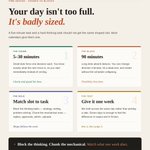
When you're buried with tasks, the instinct is to work faster. It’s usually the list that's the problem, not the speed.

I'm in ecom and I support this.

Cancelling a subscription shouldn't be this hard. If you can sign up with a click, you must be able to cancel with one.
Head to nyc.gov/click-to-cancel to file a complaint against any business that makes it hard to cancel a subscription.
When you're buried with tasks, the instinct is to work faster. It’s usually the list that's the problem, not the speed.
Back then, it cost a lot and took so much time to create ads that storysell in different formats, with consistent avatars.
These days, you can create these ads in minutes and for a fraction of what it cost back then.
Time and money are not the bottlenecks anymore. Creativity, thinking, and skill are.