







Pinned Tweet
La salubrité autour de lui ne l’interpelle pas, mais un maillot “Visit Rwanda” devient soudain une urgence. Incroyable sens des priorités. 🤦🏾♀️ 🇨🇩

🇨🇩 Un symbole peut aussi être un message.
J’ai rencontré un jeune Congolais arborant un maillot « Visit Rwanda ». Dans le contexte que traverse notre pays, j’ai choisi de lui rappeler l’importance de nos symboles et de notre attachement à la mère patrie.
Le maillot aux symboles rwandais a laissé place aux couleurs de la République démocratique du Congo.
Parce que défendre notre identité et notre dignité commence aussi par les petits gestes.
Retour en images sur cette séquence 👇🏽🎥
#RDC #Tshangu #AuguyKalonji #ABIR #VaincreOuMourir
Be kind and humble, but don’t be naive. Know your environment, understand people’s intentions, and always have a plan for protecting yourself and responding if things go wrong. Stay alert, understand the people and circumstances around you, and be prepared if the situation turns hostile.
#DailyNotes


With Rwanda’s vision for @F1 making headlines, we’re only scratching the surface of what’s possible. ✨
@MotoGP is next ! 🇷🇼 🏍️ ❤️
Dream. Dare. Build. Believe.
#MotorsportFan 🏎️ 🏍️ | #AfricaRebirth | 📸 March 2025


Aneza retweeted

Nation-building: Difficult Choices, Sustained Effort, and a Vision for the Future.
One thing Rwanda’s journey since 1994 continues to teach me is the importance of seeing beyond the immediate moment, connecting the dots between decisions, and understanding how today’s actions contribute to a much bigger vision.
I still remember a jingle from the years following the 1994 Genocide against the Tutsi, warning people about landmines and how to stay safe.
From Gacaca to public health campaigns during COVID-19, public awareness has been one of many instruments used to inform, protect and mobilise communities.
Campaigns have specific purposes. They do not replace the hard work happening in offices, negotiation rooms, institutions and communities, or out in the field every day.
Rwanda’s reconstruction has required addressing immediate needs while planning for generations to come.
From women’s representation and environmental protection to mountain gorilla conservation and drones delivering lifesaving blood to remote communities, these choices reflect a long-term vision that places human life, and dignity, at the centre of development.
That same commitment extends to safety and security, particularly in a post-genocide society still facing threats to its security, and social cohesion.
But safety also means protecting our physical and mental well-being.
Mental health practitioners are raising concerns about addiction and deeper societal pressures. I sometimes wonder whether the extraordinary resilience that helped us survive and rebuild has also meant carrying unresolved pain, and whether some of that pain is becoming more visible in younger generations, alongside challenges unique to their time.
This is why excessive alcohol consumption, drug abuse and other addictions cannot be taken lightly.
Government cannot address these challenges alone. Civil society, families, educators, faith communities and businesses must also take responsibility for creating environments in which families and young people feel supported, valued and empowered.
Public awareness campaigns must therefore be continuously evaluated, and tailored to their objectives. But their visibility should never be mistaken for the totality of the work behind them.
Nation-building also requires us to cultivate a habit of looking beyond what immediately meets the eye: seeking context, connecting the dots and exercising critical thinking before drawing conclusions.
Ultimately, a people-centred approach to governance must go hand in hand with a society that takes responsibility for one another.

If they feel this confident preaching such things publicly, imagine the kind of advice some believers are receiving behind closed doors.
Amatorero amwe ari gusenya imiryango na sosiyete yacu aho kubyubaka.

Apostle Dr. Paul #Gitwaza of Zion Temple has apologized following public criticism over remarks in this sermon (7th August) that were perceived as disrespectful to nurses and midwives. In a communique, the church acknowledges that the remarks caused hurt and concern, and says it has engaged nursing & midwifery representatives in dialogue.
Aneza retweeted

Mvugira ngo U Rwanda 🇷🇼

🚨 | BREAKING!
F1 is set to return to Africa after 37 years, with Rwanda expected to join the calendar in 2030.
An agreement has reportedly been reached for a new permanent circuit to be built around 40km from Kigali.
An official announcement could come later this year.
📰 @Racingnews365c

A healthy relationship is built. It isn’t perfect at first sight.
Disagreements are okay. They can actually strengthen a relationship when there’s healthy communication, patience, and understanding.
The danger is when silence and withdrawal replace an uncomfortable but honest and respectful conversation.
Him: “That hurt me.”
Her: “I’m sorry. I didn’t realize it came across that way. Let me explain what I meant.”
Him: “I understand now. Thank you for explaining.”
Don’t look for perfection. Look for someone who understands that imperfections exist, and that they don’t have to mean the end of something.
Don’t look for comfort. Look for someone comfortable with being uncomfortable. Because nothing grows in a comfort zone.
Someone who won’t choose silence the moment conflict arises, but is willing to communicate respectfully, repair, and grow with you.
People want marriage, but not always the work that marriage requires. None of us comes perfectly equipped for a healthy relationship. We all have things to learn and unlearn. What matters is the willingness to do the work.
And sometimes, frankly, the obstacle is simply laziness. Emotional maturity takes effort.
Learn to communicate. Learn to Listen. Read. Reflect. Examine your own thoughts and behaviors. Write them down if necessary.
You don’t need someone perfect. You need someone willing to put in the effort and grow with you.

🚨 OUT NOW ON YOUTUBE 🚨
🇷🇼 Divorce cases have risen dramatically in recent years in Rwanda. But why?
On this episode of The Long Form Podcast, Moise Nkundabarashi (@Moisenkunda), President of the Rwanda Bar Association (@Rwanda_Bar), joins us to unpack what happens when marriages reach breaking point.
💔 Why are couples divorcing?
👩🏾🤝👨🏿 Who usually leaves first — husbands or wives?
💰 What happens to money and property?
👶🏾 How can couples divorce without destroying their children?
📄 And should prenups become part of the conversation before marriage?
And the bigger question: Are rising divorces a sign that Rwandan families are becoming weaker or are people simply less willing to stay in unhappy marriages?
📺 Watch the full episode now on YouTube youtu.be/qwEr0pS0rxw?si=aqng…
Nothing uglier than biased, sensationalist journalism. Add a colonial savior complex to it, and you have a recipe for professional disaster.

Aneza retweeted

Good evening, Africa.
We are not terrorists
we are freedom fighters.
We stand against injustice.
We reject tyranny and discrimination in all forms.

Aneza retweeted

Today marks the anniversary of October 4, 2011, when seven banyamulenge humanitarian workers were killed in Kalungwe, South Kivu. We honor their lives and their commitment to humanitarian service(1/3) hrw.org/news/2012/10/04/dr-c…
Aneza retweeted

Dafroza Gauthier, une femme de courage et de conviction, dont l’engagement pour la vérité, la justice et la mémoire des victimes du génocide perpétré contre les Tutsi restera à jamais gravé dans nos mémoires.
Avec Alain, elle a combattu l’impunité et porté la voix des survivants.
Mes sincères condoléances à Alain, à sa famille et à ses proches.
Que ton âme repose en paix.
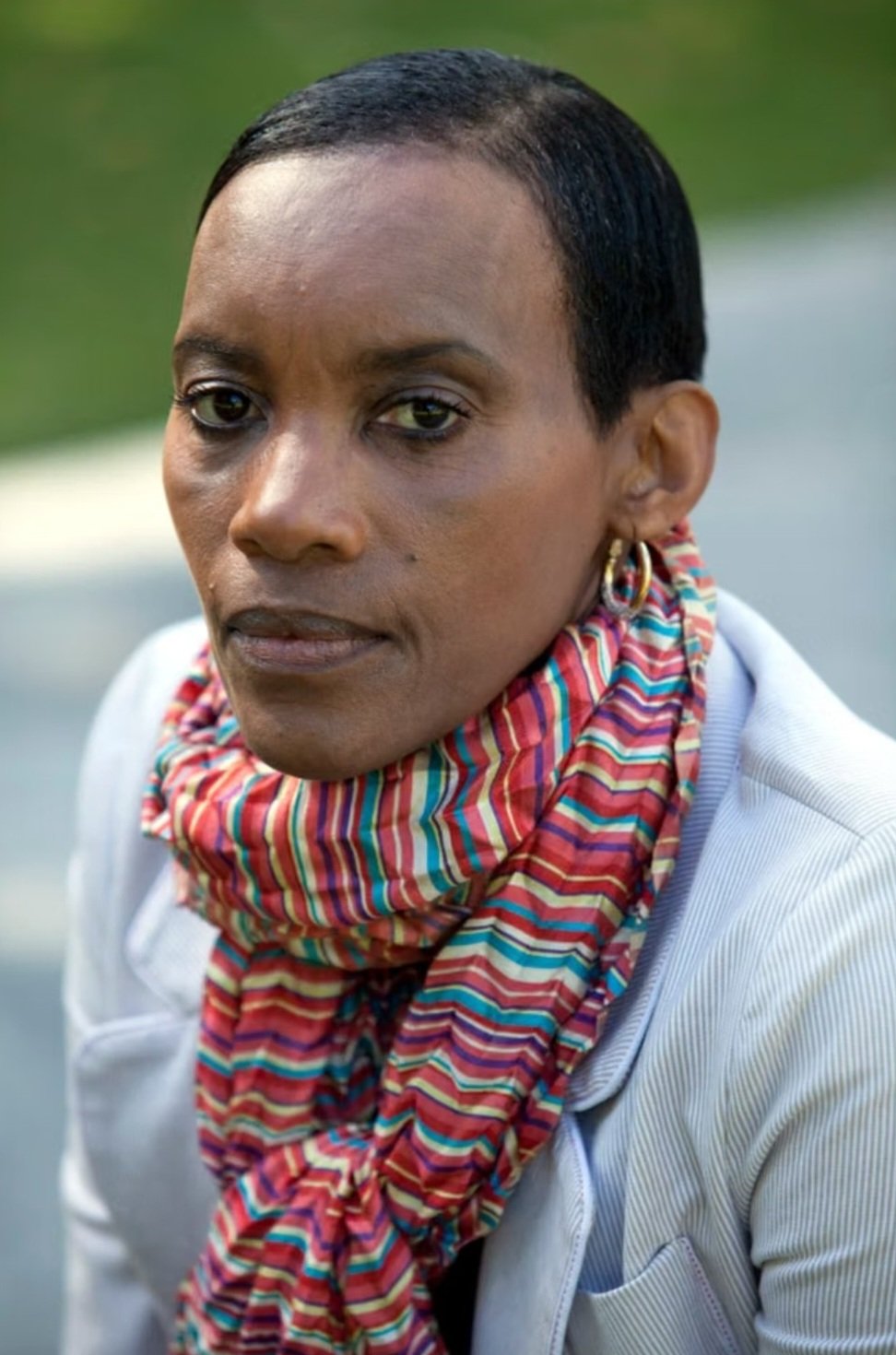
Self-doubt about change. About starting over. About being yourself. About what people will think.
I’ve come to understand that self-doubt can quietly become our biggest enemy. Learn to master it before it masters you. Flush it, and keep going.
#DailyNotes

