



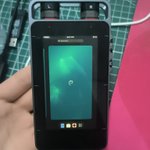


This is a MIPI-DSI and SPI touch controller; you can use any development board with these interfaces to drive it.


In the past, this required a lot of fundamental knowledge; you needed to be in a related industry. Now, all you need is AI.

The SPI interface inherently limits its ability to refresh at high speeds; the only way to improve speed is to reduce the number of colors and grayscale values.
Meta deserves praise for this; they are willing to continue to allocate resources to hardware development. In contrast, most manufacturers rarely make changes after product launch.


They did this intentionally; they wrote the code in C, compiled it to binary, and then converted it to assembly.
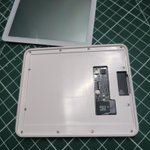
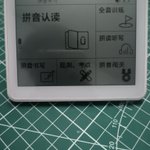
This $50 e-ink tablet, discarded by an educational institution, uses the RK3566, almost identical to the #PineNote , and can easily run Linux.
The Eink driver is closed-source (only assembly code is provided), and I rebuilt it using AI.
github.com/iocodev/kernel-4.…


edk2 has been around for many years and is very mature on Qualcomm platforms, but porting it to other ARM platforms requires a lot of work.
This USB passthrough feature is great, making it easy to use USB tools on Linux, but sometimes it can lead to zombie devices.