
LLM/UI/UX/React/TypeScriptなど
Joined January 2024
- Tweets2.4K
- Following827
- Followers66
- Likes5.7K





hamazon retweeted

刚从 Anthropic 转去 OpenAI 的 Thariq 在 Latent Space 发了期新播客,聊了聊他过去一年对 Coding Agent 看走眼的地方,以及接下来怎么做软件。听完记几个最有意思的点:
1. 之前觉得 "Bash is all you need",其实是想窄了
一年前他自己也觉得,以后什么 MCP 和专用工具都不需要了,全走 CLI 就行,前端也只需要写 React,因为模型只擅长这一种套路。但他现在发现并非如此:模型只有在能力刚够用的时候,才会局限在单一格式里;等通用能力上来之后,它完全能顺着人原本的习惯干活:比如直接用 computer-use 打开 Figma 画界面。人不需要为了迁就模型去改自己的工作方式,未来也不会变成模型自己在那死循环、吐出一堆没人能维护的代码。
2. 通过保留手搓对抗纯靠 prompt 写代码的失控感
今年到处都在吹全自动量产的「软件工厂」,结果造出一大堆连作者自己都不用的 AI slop。Thariq 提到自己做游戏时很烦纯 vibe coding 的一点:你用几句话描述需求,模型会在背后自己脑补一堆默认逻辑,跑起来连你自己都搞不清角色为什么会这么动。
他的做法是:
1. 底层的重活(比如 WebAssembly 引擎)照样丢给模型写。
2. 但在项目里单独建一个 /human 目录,放一套专门给人读写的脚本,用 Linter 强制要求多写注释、禁用单字母变量、限制行宽。
这些文件看着像 spec,但本身就是直接运行的代码。把枯燥的底层实现交给 AI,把决定手感和玩法的部分留在自己手里随时改——在他看来,AI 不只是追求效率的「工业革命」,也应该让人腾出手来做打磨品质的「文艺复兴」。
3. 现在的 agent 框架普遍低估了 decision model
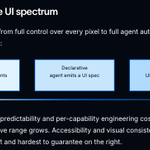
目前做 AI 应用往往走两个极端:要么全写死成传统代码逻辑,要么每一步都调大模型跑完整的推理和工具调用。Thariq 觉得中间其实缺了一层轻量的 decision model(类似快思考的 System 1 模型)。
从可解释性研究,还有 Karpathy 那个用经纬度测海陆分布的实验都能看出来,大模型在跑完一次前向传播(forward pass)之后,其实心里已经有数了。如果可选的动作范围本来就是明确的,真没必要再让它吐一堆 token 出来慢慢推理;直接用一次前向传播拿概率分布做判断就够了,真遇到信息不够或者复杂问题,再退回给大模型去调工具。
4. 写代码不再费劲之后,最难的是搞清楚自己到底想要什么
他说自己连 Claude 和 Codex 每月 200 刀的套餐都没用满过——现在卡住他的早就不在 token 数量上,甚至也不在模型智商上,而是怎么跟模型打交道,以及自己的野心够不够大。
很有意思的一个插曲是,他前阵子给自己写了个定制版 macOS Dock,结果没用几天就弃了。主持人问为什么,他说:「我甚至不知道自己到底想要什么。」现在搓一个原型的成本几乎为零,但很多东西只有真做出来用上几天,你才知道自己真正需要解决的是什么。哪怕再往后走到模型自我迭代(RSI)的阶段,他也不觉得完全脱手让模型自己瞎跑是最优解——算力预算终归是有限的,决定把算力投给哪个实验、做什么取舍,最后看的还是人的判断力。
youtube.com/watch?v=Qe9d9dWy…

hamazon retweeted

I've joined OpenAI!
I'm very proud of my time at Anthropic, and I'll continue to root for my former colleagues. Both companies have important roles to play in the future.
There is a tremendous amount of work ahead of us to bring AI to the world, and it will demand the very best of all of us. I felt that I could personally contribute the most to this effort at OpenAI.
I believe this is one of the great strengths of Silicon Valley, the flow of ideas and people.
I'm excited to join a team I've long admired, building incredible AI products for over a billion people, and to work alongside friends like @_catwu, @thsottiaux, @ajambrosino, @sharifshameem, @jxnlco and many others to push the frontier forward.
More than anything, I hope to make your experience of using AI just a little bit better.
I am once again at your service.
Thariq
hamazon retweeted

これをどうにか覆すのが、当面の良いデザイナーの仕事

AnthropicユーザーのあいだでClaude Designが多く使われるようになるにつれて、画一的なデザイン様式が増えつつある。
wired-jp.visitlink.me/6Wx7Bh

hamazon retweeted

▲ + 🇯🇵
Vercel is doubling down on Japan!

Vercel日本法人の代表に花尾和成が就任いたしました。
日本のIT業界で20年以上にわたり培った経験を生かし、Vercelの日本チームを拡充するとともに、国内事業の成長を牽引します。
vercel.com/blog/ja-kazunari-…


hamazon retweeted

【Notionを使っている方へ|注意喚起】
Notionから「重要なセキュリティ通知」が届きました。
Notionが使っていた外部のAI事業者「Fireworks AI社」がハッキングを受け、私たちのワークスペースでもNotion AIとの会話の一部が外部に見られた可能性がある、という内容です。
はじめは何の通知かわからなかったのですが、Notionの公式ヘルプにも発表があり、本物の通知でした。
■ 何が起きたのか
・NotionはAIの利用状況を分析する「Insights」という機能のために、Notion AIの会話の一部をFireworks社で処理していた
・そのFireworks社が外部のクラウド事業者経由で侵入され、会話データが流出対象に含まれていた
・影響はNotion全体のワークスペースの1%未満
・Notionは11月3日にFireworksとの接続を切り、データも削除済み
■ 少し安心できるポイント
・流出した会話には「誰が書いたか」「どの会社のものか」の情報は付いていない
・Notion AIが参照したページの中身も含まれていない
・会話以外のワークスペースのデータには影響なし
■ それでも確認してほしいこと
会話の文面そのものは見られた可能性があります。Notionも「流出したものとして扱ってください」と案内しています。
① 管理者は、サイドバーの「?」→「Security incident review」からCSVを確認
② パスワードやAPIキーをNotion AIに貼っていたら、すぐに作り直す
③ 顧客・生徒・従業員の名前などを会話に直接書いていないか確認
通知が届いていなければ、対象外なので対応は不要です。
■ これを機に見直したいこと
・AIにパスワードやAPIキーを貼らない
・個人情報はできるだけ伏せて(イニシャルにするなど)入力する
・チームで「AIに入れてよい情報・ダメな情報」のルールを決める
私自身、教育現場でNotion AIを毎日のように使っています。今回あらためて「AIに渡したデータは、どこかで誰かが扱っている」ことを実感しました。便利さと一緒に、使い方のルールも整えていきたいと思います。
【参考】Notion公式の発表(日本語ページ)
notion.com/ja/help/security-…


hamazon retweeted

自動運転車「ハンドル無し」一律認定 レベル4以上、国交省12月から
nikkei.com/article/DGXZQOUD3…


hamazon retweeted

【自分が払った税金、どこへ行っているか知っていますか?】
国の予算が「どの事業」に使われ、「どの企業・団体」に支払われているのかを図解で直感的にたどれるサイト『政府予算ビュー(β版)』を公開しました!
🔗rs-vis.team-mir.ai/
国の予算データは公開されているものの、資料が膨大で「結局いくら使われ、成果が出ているのか」を調べるのは至難の業でした。
そこで、各事業のレビューと財務省データを統合し、誰でも直感的に見渡せるツールを開発しました。
💡 できること
・5,000以上の事業、2万超の支出先をお金の流れマップで追跡
・各事業にAIによる参考評価・手がかりを付与
・年収や家族構成を入れると、税・社会保険料の負担額がわかる
・政策や経済条件を変えて「今後の財政余力」をシミュレーション
「予算や政策の議論に、専門家だけでなく誰もがデータを見ながら参加できるようにしたい」という思いで作りました。
まずは気になる分野を検索したり、ご自身の負担額を見てみたりしてください。
※現在ベータ版のため、「使いづらい」「ここが分かりにくい」「こんな機能がほしい」といった率直なご意見・フィードバックをいただけると励みになります!
フィードバックはこちらから
docs.google.com/forms/d/e/1F…
#チームみらい #オープンデータ #行政事業レビュー #データ可視化




hamazon retweeted
アンソロピックに書籍を大量販売、日販が認める
nikkei.com/article/DGXZQOUC0…
出版社団体の日本書籍出版協会に対し、10月5日付で販売を認める回答をしました。
関係者によると、AI学習への利用を目的としていたとは認識していなかったと答えたといいます。

hamazon retweeted

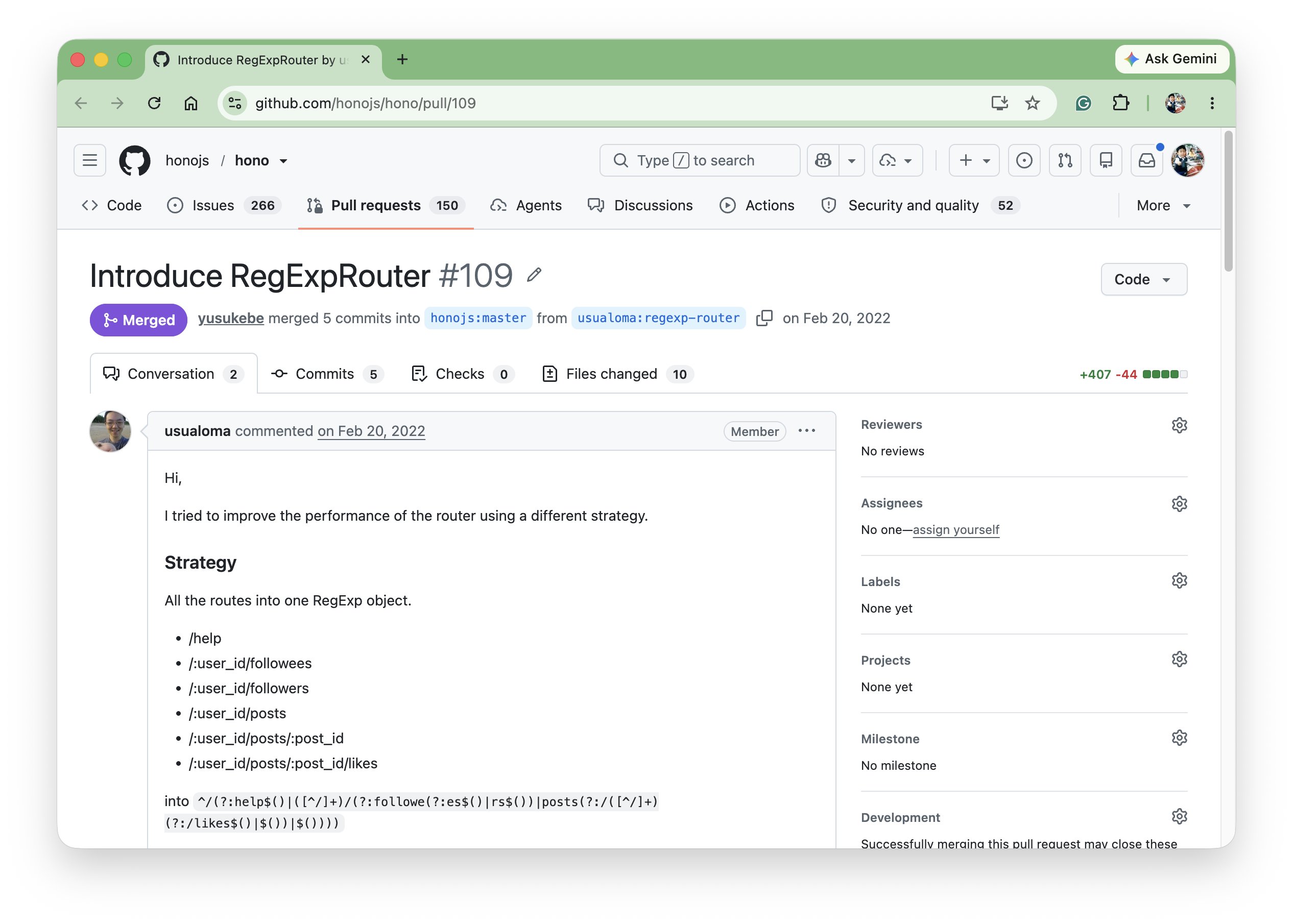
Sad news. We disabled PRs from external contributors on honojs/hono
Hono has not stood here without PRs. I will never forget the PR @usualoma created for RegExpRouter. A damn fast HTTP router we have never seen!
But PRs don't work in this era. Contribute in other ways. Thanks
hamazon retweeted

convergence to the mean
when everyone looks at everyone else to decide what to make, we eventually stop making anything of our own.
we copy what works. borrow the language, the aesthetic, the features. we call it learning from the market, following best practices, staying competitive. together, everything starts to feel familiar. polished, interchangeable. nothing wrong. nothing alive.
the mean isn’t necessarily bad. it’s where everything lands when we remove the reasons for it to be different.
numbers are easier to compare than feelings, so we make things that produce numbers. we study what gets attention, then shape ourselves around it. eventually the feedback stops informing the work and starts authoring it. we’re no longer asking what we want to say. we’re asking what will be rewarded for saying.
ai makes this loop frictionless. it can draw from more references than we could see in a lifetime. but access to every perspective isn’t the same as having one. it hasn’t lived a particular life that makes one detail unbearable and another beautiful. when we ask it to choose for us without bringing any intention of our own, we get something plausible, easy to approve.
then we ship it, measure it, copy it, and feed it back into the next round. a tidal wave of mid.
this changes not just the work, but the people making it.
we describe ourselves in categories platforms can distribute and markets understand. designer. founder. creator. pick a niche. build a brand. be consistent. the parts that don’t fit become inconvenient, even when those contradictions might produce our most interesting work. we become easier to classify and harder to tell apart.
i think we need to approach making things more like artists.
an artist develops a perspective through the work. making, noticing, choosing, failing, returning. learning what matters even when nobody else cares. craft gives that perspective a form precise enough for someone else to experience.
the life outside the work matters too. the places you’ve lived, the people you’ve loved, the things you’re embarrassed to care about. these aren’t distractions from having something to say. they’re how you come to have something to say.
we understand this with music, paintings, photographs, movies. we expect a person to be present in the choices. we want to experience something we wouldn’t have encountered without them.
software can do this too.
a piece of software expresses beliefs about how life should feel. what deserves your attention. what you should be free to change. whether a task should feel like paperwork or play. even a small interaction can carry someone’s care, humor, or curiosity.
but we rarely talk about software as a medium. we talk about it as an industry. markets to capture, workflows to optimize, competitors to catch up with. we add a feature because someone else has it, without asking whether it belongs. products accumulate the same parts and lose what made them worth choosing.
underneath the branding, it’s all the same thing.
artists learn from others too. the question is whether you’re absorbing those influences into a point of view, or using them to avoid developing one.
what are you trying to let someone feel, understand, or do? why this particular shape? what have you noticed that the existing tools don’t seem to notice?
those questions don’t have answers you can borrow from a competitor’s roadmap.
if we can make almost anything, deciding what deserves to exist becomes more important, not less. speed gives us more chances to exercise judgment. it doesn’t remove the responsibility.
i don’t want a world where every person becomes a more efficient distributor of the same ideas. i want people to use these tools to go further into what they actually care about. to make things specific enough that we can feel someone behind them.
what is the point of everyone being able to make something, if we all end up making the same thing?