

Chain-agnostic, zk-enabled identity protocol. Interoperable by design. Private by default. Try SITA9 - https://xitter.cf/t.co/56tH81G7aL
Cross-chain
Joined September 2025
- Tweets441
- Following391
- Followers67
- Likes11


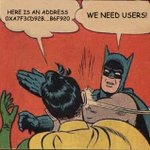
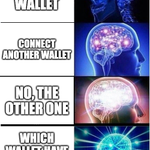




The safest verification is often “prove you’re not in a set.”
No names. No histories.
Just a falsifiable exclusion claim.
“Connect wallet” became a blank check.
Proof requests turn access into a single, scoped question.
That is the only model agents can safely run.
Public blockchains proved transparent settlement works. They have not yet proven that transparent strategy does.
Proof-native ingress changes the contract: prove validity and authorization, keep intent encrypted until inclusion. Intermediaries forward, they don’t inspect.
Wallet counts are the Web3 version of vanity metrics.
Behavioral alignment is the real KPI.
That’s the layer Glyph operates on.
Let’s build smarter economies. 🚀

🧠 Web3 gaming has a measurement problem. And it's costing studios millions.
Our member @getglyph breaks down why DAU, wallets, and quests are the wrong metrics, and what the "Behavioral Economy" framework actually reveals about your players.
The key shifts:
1️⃣ Stop measuring activity - start measuring alignment
2️⃣ Loyal players and mercenary users look identical on-chain. Until now.
3️⃣ Retention isn't about spending more - it's about targeting the right cohort
If you're building a Web3 game economy, this one will change how you think about your players.
Read the full interview 👇
blockchaingamealliance.net/d…
