



脱兎さん retweeted

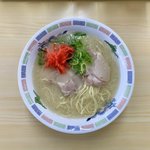
すかいらーく が 博多らーめん ShinShin を120億円で買収🫨
Shin-Shinの株式の取得(子会社化)に関するお知らせ
nikkei.com/nkd/disclosure/td…


脱兎さん retweeted

西郷隆盛そっくりさんコンテスト 生後8カ月の赤ちゃんがグランプリ 大勢の観客の前で堂々【鹿児島】|FNNプライムオンライン fnn.jp/articles/-/1145886


脱兎さん retweeted

For years, loud commentators on Japanese television attacked the U.S. Marine Corps MV-22 Osprey. Every time the aircraft flew in Okinawa, protesters held signs calling it dangerous and unwanted.
The Marines said nothing. They just maintained their aircraft.
Then, on April 16, 2016, a magnitude 7.0 earthquake tore open the earth in Kumamoto.
Landslides buried the mountain highways. The great Aso Ohashi bridge fell into the gorge. Thousands of families in the mountain village of Minamiaso were cut off without water, food, or diapers for their babies. Normal cargo planes could not land there. Trucks could not get through.
Within hours, U.S. Marine Medium Tiltrotor Squadron 265, the Dragons, launched their MV-22 Ospreys from Okinawa to Marine Corps Air Station Iwakuni and straight into the disaster zone.
An Osprey flies twice as fast as a helicopter and lands vertically on a patch of grass.
When the twin rotors thundered over the broken peaks of Mount Aso and touched down in Minamiaso, young Marines sprinted down the ramp carrying twenty tons of water, blankets, and hot food on their shoulders.
On the ground below, Japanese survivors who had been told to fear that aircraft stood in the mud waving their hands and holding up cardboard signs that read: "THANK YOU OSPREY."
In the way of the warrior, you never waste breath arguing with critics in peacetime. You simply show up through the clouds when the bridge is gone.


脱兎さん retweeted

SON DAKİKA
Siyaset uzmanlarının tahminlerine göre, 2050 yılında Çin haritası böyle görünecek.
🤖 Made with AI


