

Forget calories. Track the nutrients your body needs.
Joined March 2026
- Tweets13
- Following0
- Followers31
- Likes23




Blueberries can change your blood vessels.
A 2026 review pulled together 12 human clinical trials spanning over 24 years to see what wild blueberries actually do inside the human body.
The strongest finding: blood vessel function improved, sometimes within hours of just one serving, sometimes building over several weeks.
The effect traces back to anthocyanins, the natural pigments behind their deep color. They lower oxidative stress and help vessels relax properly.
This review was funded by the Wild Blueberry Association of North America, and even the authors admit the cardiometabolic evidence is still mixed, not settled.
This study challenges everything about gut health.
A Stanford trial split healthy adults into two separate groups for 10 full weeks: one ate more fiber, the other ate more fermented foods daily.
The fiber group's gut bacteria diversity stayed completely flat. Their inflammatory markers barely moved at all, from start to finish.
The fermented food group saw real, measurable change. Diversity increased steadily, and 19 inflammatory proteins dropped over the course of the trial.
This was a small trial, just 18 people per group over 10 weeks, and it only measured gut diversity and inflammation.
Fiber still has strong, separate evidence behind it for heart health and metabolism. This study just didn't find the same effect on the gut.

Scientists just found an unexpected signal helping cancer spread after chemotherapy: fructose.
A 2026 Wistar Institute study focused on high-grade serous ovarian cancer, which accounts for about 75% of ovarian cancer deaths. Cisplatin, the standard chemotherapy for this cancer, commonly pushes cancer cells into a state called senescence.
Senescent cells stop dividing, but they don't go quiet. They stay metabolically active and release a mix of molecules known as SASP to communicate with nearby cancer cells. Researchers found that one of those key messengers was fructose.
Using a genetic screen, the team traced the effect back to cholesterol production. Fructose reprogrammed how neighboring cells made cholesterol, weakening the structures that kept them anchored to surrounding tissue and to each other.
In animal models, a high-fructose diet increased how much this cancer spread.
The finding is preclinical, and hasn't been tested in patients yet. It doesn't mean fructose causes cancer. It points to a specific mechanism behind how cancer cells that survive treatment might drive recurrence and metastasis.

Creatine might be doing more for your brain than your biceps.
A 2026 study gave healthy adults a single dose of creatine, then kept them awake and monitored for a full 21 hours to track how their minds held up.
The group that got creatine kept their logical thinking, processing speed, and reaction time noticeably sharper than the placebo group as the night wore on, with improvements of up to 12%.
No workout involved anywhere in the process. Just one dose, sized to each person's body weight, taken a few hours before the sleepless night started.
The response was even stronger in women, who showed clearer improvements in logic tasks, reaction time, and processing speed compared to men.

In 1965, the sugar industry paid Harvard scientists $6,500 to write a review that pinned heart disease on fat. The funding stayed hidden for decades.
That review ended up shaping nutrition policy for years.
In 1977, U.S. Dietary Goals told Americans to cut back on fat. Food companies swapped it out for sugar to keep things tasting good.
By the late 90s, over 600 low-fat products were on shelves. Most of them were just loaded with sugar instead.
Fat intake dropped to almost exactly what the government recommended.
Obesity went up 50% anyway.
Sugar's been tied to insulin resistance, fatty liver, and the same weight gain the low-fat diet was supposed to prevent in the first place.

65% of Americans don't have enough vitamin D in their blood.
This deficiency affects almost 2 out of 3 adults right now. Most have no idea.
This may sound minor to some people... just a vitamin. But for others, it explains months of fatigue nobody could pin down.
Low vitamin D has been linked to immune function, bone density, and mood regulation.
Why it happens:
> sunlight makes over 90% of your vitamin D
> desk jobs, sunscreen, and winter cut that down
> obesity traps more of it in fat tissue, leaving less in the bloodstream
> diet alone rarely covers the gap
The guidelines behind it:
> the official 600 IU/day recommendation was set decades ago
> it was designed to prevent bone disease, nothing more
> the Endocrine Society now recommends up to 2,000 IU/day for people with limited sun exposure
> the number most people still follow was never updated
Most people are eating by a guideline built for a different problem than the one they actually have.

Fobalanz is live on the App Store.
Most nutrition apps stop at calories. Fobalanz was built to help you understand your health.
Snap a photo of your meal and get a full nutrient breakdown, personalized to you.
Try it free: apps.apple.com/us/app/fobala…
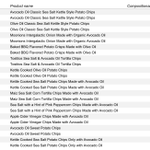
If you bought "avocado oil" chips this month, there's a 93% chance you got scammed.
A new UC Davis study just tested it:
- 93% of the chips labeled "100% avocado oil" were fake
- 71% of the mayonnaise was fake
- 100% of the salad dressings were fake
Avocado oil costs $4-5 a pound. Seed oil costs under $1.50.
Guess which one you're actually eating.

Most people are eating the wrong fruit for potassium right now
Banana became “the potassium fruit” through marketing, not lab data
Avocado has more potassium per 100g than banana
Spinach and sweet potato beat it too
The ranking was decided in the 1950s and nobody’s checked since
Once you see the real numbers, banana quietly drops out of the top 10

