

Dr Yi-Kai Tea | Ichthyology Curator @austmus | @Sydney_Uni | Systematic ichthyology | Wildlife photographer | 🏳️🌈he/him
Singapore 🇸🇬 | Sydney 🇦🇺
Joined July 2018
- Tweets20.1K
- Following3.1K
- Followers24.3K
- Likes41.1K
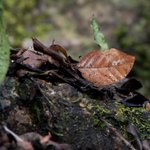
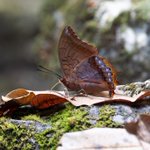
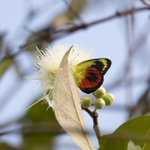
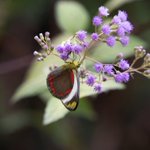
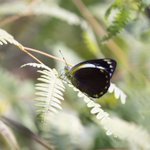
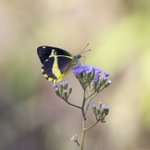
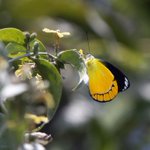
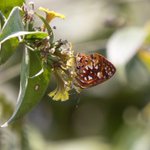
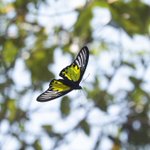

Had an amazing 8 days on the island of Buru in the Maluku Archipelago! Here are some notable pictures.


KaiTheFishGuy retweeted

A New Deepwater Species of Butterflyfish from Mozambique, Africa, with a Systematic Review of
Chaetodontid Relationships by Osteology
DOI link: doi.org/10.1643/i2025038
50-day free access link: ichthyologyandherpetology.or…
by @FishGuyKai, Blum, @CoralReefFish, Parkinson, @DrScanley

ALT Lateral views of the holotype of Prognathodes thanatos showing differences in banded coloration patterns in life (above) and in preservation (below).
KaiTheFishGuy retweeted

#NewSpeciesAlert - Cleaning up the cleaner wrasses: 𝐿𝑎𝑏𝑟𝑜𝑖𝑑𝑒𝑠 𝑓𝑙𝑎𝑚𝑚𝑢𝑙𝑎𝑡𝑢𝑠 (D) and 𝐿𝑎𝑏𝑟𝑜𝑖𝑑𝑒𝑠 𝑖𝑛𝑜𝑝𝑖𝑛𝑎𝑡𝑢𝑠 (G, H), two new species of cleaner wrasse (Labridae) are described from the eastern Indian Ocean and western Pacific Ocean, respectively. The authors revise the 𝐿𝑎𝑏𝑟𝑜𝑖𝑑𝑒𝑠 𝑝ℎ𝑡ℎ𝑖𝑟𝑜𝑝ℎ𝑎𝑔𝑢𝑠 and 𝐿𝑎𝑏𝑟𝑜𝑖𝑑𝑒𝑠 𝑏𝑖𝑐𝑜𝑙𝑜𝑟 species complexes, and provide a rediagnosis of 𝐿𝑎𝑏𝑟𝑜𝑖𝑑𝑒𝑠 𝑟𝑢𝑏𝑟𝑜𝑙𝑎𝑏𝑖𝑎𝑡𝑢𝑠, along with the two new species description, a major work on this enigmatic group of fish.
🔓 lkcnhm.nus.edu.sg/rbz/cleani…
"New ecological and field observations are provided for 𝐿𝑎𝑏𝑟𝑜𝑖𝑑𝑒𝑠, and phylogenetic relationships for the new species, congeneric species of 𝐿𝑎𝑏𝑟𝑜𝑖𝑑𝑒𝑠, and related genera of labrichthyine wrasses are explored. 𝐿𝑎𝑏𝑟𝑜𝑖𝑑𝑒𝑠 is rediagnosed and a key to species is provided."
𝗥𝗲𝘀𝗲𝗮𝗿𝗰𝗵 𝗧𝗶𝘁𝗹𝗲
Cleaning up the cleaner wrasses: revision of the 𝐿𝑎𝑏𝑟𝑜𝑖𝑑𝑒𝑠 𝑝ℎ𝑡ℎ𝑖𝑟𝑜𝑝ℎ𝑎𝑔𝑢𝑠 and 𝐿𝑎𝑏𝑟𝑜𝑖𝑑𝑒𝑠 𝑏𝑖𝑐𝑜𝑙𝑜𝑟 species complexes, with rediagnosis of 𝐿𝑎𝑏𝑟𝑜𝑖𝑑𝑒𝑠 𝑟𝑢𝑏𝑟𝑜𝑙𝑎𝑏𝑖𝑎𝑡𝑢𝑠 and descriptions of two new species (Teleostei: Labridae)
𝗖𝗶𝘁𝗮𝘁𝗶𝗼𝗻
Yi-Kai Tea, Lauriane Baraf, Younis Menkara, William B. Ludt, Gerald R. Allen, Jean-Paul A. Hobbs & Peter F. Cowman, Cleaning up the cleaner wrasses: revision of the 𝐿𝑎𝑏𝑟𝑜𝑖𝑑𝑒𝑠 𝑝ℎ𝑡ℎ𝑖𝑟𝑜𝑝ℎ𝑎𝑔𝑢𝑠 and 𝐿𝑎𝑏𝑟𝑜𝑖𝑑𝑒𝑠 𝑏𝑖𝑐𝑜𝑙𝑜𝑟 species complexes, with rediagnosis of 𝐿𝑎𝑏𝑟𝑜𝑖𝑑𝑒𝑠 𝑟𝑢𝑏𝑟𝑜𝑙𝑎𝑏𝑖𝑎𝑡𝑢𝑠 and descriptions of two new species (Teleostei: Labridae). Raffles Bulletin of Zoology, Vol 74: 403–443, 18th May 2026. DOI: doi.org/10.26107/RBZ-2026-00…
𝗔𝗯𝘀𝘁𝗿𝗮𝗰𝘁
The 𝐿𝑎𝑏𝑟𝑜𝑖𝑑𝑒𝑠 𝑝ℎ𝑡ℎ𝑖𝑟𝑜𝑝ℎ𝑎𝑔𝑢𝑠 Randall, 1958 and 𝐿𝑎𝑏𝑟𝑜𝑖𝑑𝑒𝑠 𝑏𝑖𝑐𝑜𝑙𝑜𝑟 Fowler & Bean, 1928 species complexes of cleaner wrasses are reviewed. The former comprises three colourful, phylogenetically intractable species confined to tropical coral reefs in the Indo-Pacific, viz., 𝐿𝑎𝑏𝑟𝑜𝑖𝑑𝑒𝑠 𝑝ℎ𝑡ℎ𝑖𝑟𝑜𝑝ℎ𝑎𝑔𝑢𝑠 from the Hawaiian Islands, 𝐿𝑎𝑏𝑟𝑜𝑖𝑑𝑒𝑠 𝑟𝑢𝑏𝑟𝑜𝑙𝑎𝑏𝑖𝑎𝑡𝑢𝑠 Randall, 1958 from the central and southeastern Pacific, and Labroides pectoralis Randall & Springer, 1975 from the western Pacific.
Our phylogenomic analysis of genome-wide ultraconserved elements and mitochondrial DNA resolves four taxa within this complex, with one taxon, 𝐿𝑎𝑏𝑟𝑜𝑖𝑑𝑒𝑠 𝑓𝑙𝑎𝑚𝑚𝑢𝑙𝑎𝑡𝑢𝑠, new species, described as a new, cryptic species from the eastern Indian Ocean. 𝐿𝑎𝑏𝑟𝑜𝑖𝑑𝑒𝑠 𝑓𝑙𝑎𝑚𝑚𝑢𝑙𝑎𝑡𝑢𝑠, new species, is described on the basis of eight specimens, the holotype and four paratypes from Christmas Island, and three paratypes from the Cocos (Keeling) Islands. A second species, 𝐿𝑎𝑏𝑟𝑜𝑖𝑑𝑒𝑠 𝑖𝑛𝑜𝑝𝑖𝑛𝑎𝑡𝑢𝑠, new species, is described on the basis of six specimens, the holotype and two paratypes from Flora Reef, Coral Sea, and one paratype each from the Izu Oceanic Park in Japan, Holmes Reef in the Coral Sea, and Boulari Pass in New Caledonia. 𝐿𝑎𝑏𝑟𝑜𝑖𝑑𝑒𝑠 𝑖𝑛𝑜𝑝𝑖𝑛𝑎𝑡𝑢𝑠, new species, appears to be widespread across the western Pacific but is restricted to deep mesophotic coral reefs below 40 m. The new species is highly distinctive and appears to be only distantly related to 𝐿𝑎𝑏𝑟𝑜𝑖𝑑𝑒𝑠 𝑏𝑖𝑐𝑜𝑙𝑜𝑟. The recent synonymy of 𝐿𝑎𝑟𝑎𝑏𝑖𝑐𝑢𝑠 𝑞𝑢𝑎𝑑𝑟𝑖𝑙𝑖𝑛𝑒𝑎𝑡𝑢𝑠 within 𝐿𝑎𝑏𝑟𝑜𝑖𝑑𝑒𝑠 is corroborated by morphological and phylogenomic evidence, and the species is reinstated as 𝐿𝑎𝑟𝑎𝑏𝑖𝑐𝑢𝑠 𝑞𝑢𝑎𝑑𝑟𝑖𝑙𝑖𝑛𝑒𝑎𝑡𝑢𝑠 (Rüppell, 1835), following the historical combination first established by Günther in the nineteenth century.
New ecological and field observations are provided for 𝐿𝑎𝑏𝑟𝑜𝑖𝑑𝑒𝑠, and phylogenetic relationships for the new species, congeneric species of 𝐿𝑎𝑏𝑟𝑜𝑖𝑑𝑒𝑠, and related genera of labrichthyine wrasses are explored. 𝐿𝑎𝑏𝑟𝑜𝑖𝑑𝑒𝑠 is rediagnosed and a key to species is provided.
𝗣𝗵𝗼𝘁𝗼 𝗖𝗿𝗲𝗱𝗶𝘁
A selection of 𝐿𝑎𝑏𝑟𝑜𝑖𝑑𝑒𝑠 in life. A, 𝐿𝑎𝑏𝑟𝑜𝑖𝑑𝑒𝑠 𝑝ℎ𝑡ℎ𝑖𝑟𝑜𝑝ℎ𝑎𝑔𝑢𝑠, underwater photograph from Oahu, Hawaii. B, 𝐿𝑎𝑏𝑟𝑜𝑖𝑑𝑒𝑠 𝑟𝑢𝑏𝑟𝑜𝑙𝑎𝑏𝑖𝑎𝑡𝑢𝑠, underwater photograph from Moorea, French Polynesia; C, 𝐿𝑎𝑏𝑟𝑜𝑖𝑑𝑒𝑠 𝑝𝑒𝑐𝑡𝑜𝑟𝑎𝑙𝑖𝑠, underwater photograph from Koror, Palau. Note attenuated and narrowed anterior body stripe; D, 𝐿𝑎𝑏𝑟𝑜𝑖𝑑𝑒𝑠 𝑓𝑙𝑎𝑚𝑚𝑢𝑙𝑎𝑡𝑢𝑠, new species, underwater photograph from Christmas Island; E, F, 𝐿𝑎𝑏𝑟𝑜𝑖𝑑𝑒𝑠 𝑏𝑖𝑐𝑜𝑙𝑜𝑟, underwater photographs of E, TP and F, IP individuals from Kwajalein Atoll, Marshall Islands, respectively; G, H, 𝐿𝑎𝑏𝑟𝑜𝑖𝑑𝑒𝑠 𝑖𝑛𝑜𝑝𝑖𝑛𝑎𝑡𝑢𝑠, new species, G, aquarium photograph of freshly collected AMS I.51733-001 holotype from Flora Reef, Coral Sea, Queensland, Australia, and H, underwater photograph of juvenile from Izu Oceanic Park, Jogasaki Coast, Izu Peninsula, Sagami Bay, Japan. Photographs by (A, C) K. Stender, (B) C.A. Clark, (D) J. Sommer-Knudsen, (E) N.K. Michiels, (F) M. Rosenstein, (G) S. Ramones and (H) W. Takase.
© 2026 the Author(s). Published in the journal Raffles Bulletin of Zoology. This paper is released under a Creative Commons Attribution 4.0 International (CC-BY-4.0) licence.
#NewSpecies #Ichthyology #Taxonomy #Biodiversity #AquariumHobby #Fishkeeping #Aquarist #TropicalFish #Reef #CoralReef #ReefTank #FishTank #SaltwaterTank #ReefBuilders #MarineAquarium #MarineTank #ReefAquarium #Labridae #Labroides #CleanerWrasse #Wrasse #Australia #IndianOcean #Systematics #Mesophotic #CrypticSpecies #Labrichthyine

ALT Yi-Kai Tea, Lauriane Baraf, Younis Menkara, William B. Ludt, Gerald R. Allen, Jean-Paul A. Hobbs & Peter F. Cowman, Cleaning up the cleaner wrasses: revision of the 𝐿𝑎𝑏𝑟𝑜𝑖𝑑𝑒𝑠 𝑝ℎ𝑡ℎ𝑖𝑟𝑜𝑝ℎ𝑎𝑔𝑢𝑠 and 𝐿𝑎𝑏𝑟𝑜𝑖𝑑𝑒𝑠 𝑏𝑖𝑐𝑜𝑙𝑜𝑟 species complexes, with rediagnosis of 𝐿𝑎𝑏𝑟𝑜𝑖𝑑𝑒𝑠 𝑟𝑢𝑏𝑟𝑜𝑙𝑎𝑏𝑖𝑎𝑡𝑢𝑠 and descriptions of two new species (Teleostei: Labridae). Raffles Bulletin of Zoology, Vol 74: 403–443, 18th May 2026. DOI: https://doi.org/10.26107/RBZ-2026-0027
Last month we wrapped up our last of two expeditions to some of the most scenic locations in the Great Barrier Reef and the Coral Sea, with the best expedition team I could have asked for.
We collected, photographed, and accessioned over 350 specimens from close to 200 species, seven of which are potentially new to science, and 13 are new for Australia.


