

Qur'ān | Authentic Sunnah | Knowledge based benefits
Joined May 2024
- Tweets742
- Following209
- Followers136
- Likes860
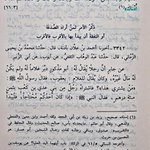


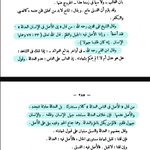
Imām ibn al-Mubāraks retraction and criticism of Abū Hanīfah:
fawaaids.com/2026/07/19/the-…
--
Excerpts:
3) ʿAlī ibn al-Hasan ibn Shaqīq — said: “I returned from the Hajj and reached Ibn al-Mubārak in Irāq, and I asked him. I said: ‘O Abū ʿAbd al-Rahmān — I have some funds left over from my Hajj expenses; do you think I should spend it copying out the legal opinion (raʾī) of Abū Hanīfah?’ He said: ‘No.’ I said: ‘Why not?’ He said: ‘Because it is the work of a man who is not [suited to] that.’” (al-Sunnah 1/287. Sahīh – Authenticated by al-Riyāshī)
4a) Ibrāhīm ibn Shammās al-Samarqandī narrated: ‘Abdullāh ibn al-Mubārak narrated to us from Abū Hanīfah at al-thagr (frontier/border region). Then a man with the kunyah Abū Khidāsh stood up and said:
“O Abū ‘Abd al-Rahmān don’t narrate to us from Abū Hanīfah, for he was a Murji’. ” Ibn al-Mubārak did not reject that from him.
Afterwards, when a hadīth came from Abū Hanīfah and his opinion, Ibn al-Mubārak would strike it out from his books and abandon narrating from him. This was the last of what he read to the people at al-thagr, then he left and passed away.
He said: I was on the ship with him when he returned from al-thagr and he was narrating to us. He came across something from Abū Hanīfah’s hadīth and said to us: “Strike out the hadīth of Abū Hanīfah, for I have abandoned his hadīth and opinion.” He said: Ibn al-Mubārak died on his return from that expedition.” (al-Sunnah 1/287. Sahīh, authenticated by Sh. Muqbil and al-Riyāshī)
5a) Abū al-Wazīr Muhammad ibn Aʿyan – the executor of Ibn al-Mubārak’s estate – said: “A man from among the companions of ʿAbd al-Karīm came in to see Ibn al-Mubārak, in a house set apart specifically for the scholars of hadīth, and said: ‘O Abū ʿAbd al-Rahmān — [what about] such-and-such an issue?’
So Ibn al-Mubārak related, on that matter, hadīths from the Prophet (ﷺ) and his Companions. The man said: ‘O Abū ʿAbd al-Rahmān — Abū Hanīfah held the opposite of this.’ Ibn al-Mubārak grew angry, and said: ‘I narrate to you from the Prophet (ﷺ) and his Companions, and you bring me [the opinion of] a man who used to hold that the sword should be raised against the community (ummah) of Muhammad (ﷺ)?’” (al-Sunnah 1/288. Sahīh – Authenticated by al-Riyāshī)
12) ʿAlī ibn Jarīr al-Abyūwardī narrated: I came to Ibn al-Mubārak and a man said to him: Indeed two men disputed in our presence over a matter — one of them said: Abū Hanīfah said (such and such), and the other said: The Messenger of Allāh said (such and such) — and (one of them) said: Abū Hanīfah was more knowledgeable in (matters of) legal judgment. Ibn al-Mubārak said: Repeat that to me. So he repeated it to him, and he said: Disbelief, disbelief (kufr kufr). I said: Through you they have disbelieved, and through you they have taken disbelief as a leader. He said: And why (is that)? I said: Through your narrating from Abū Hanīfah. He said: I seek Allāh’s forgiveness for my narrations from Abū Hanīfah.” (al-Tārīkh of al-Khatīb 15/572 – Isnād declared Hasan by Dr. Bashhār)
--
Imām al-Muhaddith al-Mu'allimī on Ibn al-Mubāraks retraction:
xitter.cf/fawaaidscom/status/207…


He didn't deliberately contradict the Sunnah. Many early scholars(e.g At-Thawri, al-Awzaī') criticised him and many praised him (e.g Ibn Mubarak, Ibn Ma'een, As-Shafeei') as well and gave him genuine excuses on those few masāil. This is what Shaykh al-Islam explained in "Rafu'l Malam". Scholars have explained this and written on it.
Some of them are:
1. Many Ahadith had not reached him. This is the most acceptable. He lived in Kufah where Rafidah who are fabricators are the dominants so in most matters Abu Hanifah preferred Qiyas and Ijtihad to taking unreliable narrations from liars.
2. Differences in hadith authentication, this is known.
3. Differences in understanding, this is unanimously agreed upon.
4. Conflicting evidence, very known and recognised.
5. Ijtihad, like every other mujtahid, he was not infallible.
Infact, the same principle applies to Malik, Shafiee, Ahmad and other great Imams.
Allah knows best.
Imām al-Shāfiʿī on Abū Hanīfah:
ʿAbd al-Rahmān ibn Abī Hātim, may Allāh have mercy upon him, said in the introduction to “al-Jarh wa al-Taʿdīl” (Vol. 1, p. 12):
Muhammad ibn ʿAbd Allāh ibn ʿAbd al-Hakam narrated to us, he said: I heard al-Shāfiʿī say: Muhammad ibn al-Hasan said to me: “Which of the two is more knowledgeable about the Qurʾān—our companion or your companion?” Meaning Abū Hanīfah and Mālik ibn Anas. I said: “(Are you asking) with fairness?” He said: “Yes.” I said: “I adjure you by Allāh, who is more knowledgeable about the Qurʾān—our companion or your companion?” He said: “Your companion,” meaning Mālik. I said: “Then who is more knowledgeable about the Sunnah—our companion or your companion?” He said: “By Allāh, your companion.” I said: “I adjure you by Allāh, who is more knowledgeable about the statements of the Companions of Muḥammad (ﷺ)—our companion or your companion?” He said: “Your companion.” I said: “Then nothing remains except al-qiyās (analogical reasoning), and al-qiyās can only be based upon these things. So whoever does not know the foundational principles (al-usūl)—upon what will he make analogies?!!“
Ibn Abī Hātim, may Allāh have mercy upon him, said in “Ādāb al-Shāfiʿī wa Manāqibih” (p. 431):
Al-Rabīʿ ibn Sulaymān al-Murādī narrated to us, he said: I heard al-Shāfiʿī say: “Abū Hanīfah sets down the foundation of the issue as an error, then makes analogies for the entire book (based upon it).”
Muhammad ibn Idrīs—Muhammad ibn ʿAbd Allāh ibn ʿAbd al-Hakam narrated to us, he said: Al-Shāfiʿī said to me: “I examined books belonging to the companions of Abū Hanīfah, and behold, in them were one hundred and thirty pages, so I counted from them eighty pages (that were) in contradiction to the Sunnah.”
Abū Muhammad (Ibn Abī Hātim) said: Because the foundation was an error, so the subsidiary rulings (al-furūʿ) proceeded upon (that erroneous) foundation.
Ibn Abī Hātim, may Allāh have mercy upon him, said (p. 172):
My father said—Hārūn ibn Saʿīd al-Aylī narrated to us, he said: I heard al-Shāfiʿī say: “I do not know of anyone who authored books that are more indicative of the defects (ʿawār) of his statements than Abū Hanīfah.”
Ibn Abī Hātim, may Allāh have mercy upon him, said (p. 174):
My father informed me—Harmalah ibn Yahyā narrated to us, he said: I heard al-Shāfiʿī say: “I saw Abū Hanīfah in a dream wearing dirty, worn-out clothes. He said: “What do I have to do with you?…“
ʿAbd al-Rahmān ibn Abī Hātim, may Allāh have mercy upon him, said in “Ādāb al-Shāfiʿī wa Manāqibih” (p. 34):
My father narrated to us—Ahmad ibn Abī Sarīj narrated to me, he said: I heard al-Shāfiʿī say: “I spent sixty dīnārs on the books of Muhammad ibn al-Hasan, then I examined them carefully and placed next to each issue a hadīth” —meaning as a refutation of it.
The one saying “meaning as a refutation of it” could be Abū Hātim, or his father, or Ahmad ibn Abī Sarīj.
ʿAbd al-Rahmān ibn Abī Hātim, may Allāh have mercy upon him, said in “Ādāb al-Shāfiʿī wa Manāqibih” (p. 171):
Muhammad ibn ʿAbd Allāh ibn ʿAbd al-Hakam narrated to us, he said: Muhammad ibn Idrīs al-Shāfiʿī said to me: “I examined books belonging to the companions of Abū Hanīfah, and behold, in them were one hundred and thirty pages, so I counted from them eighty pages (that were) in contradiction to the Book (the Qurʾān) and the Sunnah.”
ʿAbd al-Rahmān ibn Abī Hātim, may Allāh have mercy upon him, said in “Ādāb al-Shāfiʿī wa Manāqibih” (p. 172):
Ahmad ibn Sinān al-Wāsitī narrated to us, he said: I heard Muhammad ibn Idrīs al-Shāfiʿī say: “The opinion of Abū Hanīfah resembles nothing except the iridiscent thread —you stretch it this way and it comes out yellow, and you stretch it that way and it comes out green.” [i.e. Abū Hanīfah’s legal opinions based on personal reasoning (raʾī) would shift and change]."
(Nashr al-Sahīfah of Sh. Muqbil (رحمه الله) who authenticated the above narrations)
1
83
The Virtue of Spending on One's Family
Abū Hurayrah (رضي الله عنه) who said: The Messenger of Allāh (ﷺ) said:
"A dīnār you give to a needy person, a dīnār you give for [freeing] a slave, a dīnār you give in the path of Allāh, and a dīnār you spend on your family."
He said: "The dīnār that you spend on your family is greatest in reward."
(al-Sunan al-Kubrā of al-Bayhaqī 8/100, Sahīh)


Tāriq al-Muhāribī, who said: I came to Madīnah, and there was the Messenger of Allah (ﷺ) standing and addressing the people, saying:
"The hand of the giver is the upper hand. Begin with those you support, your mother and your father, your sister and your brother, then the next closest to you, and the next closest."
(Sahīh ibn Hibbān 8/131 - Isnād declared Sahīh by Al-Arnāūt)
--
Shaykh 'Abd al-Rahmān b. Nāsir al-Sa'dī said explaining 2:215:
"They ask you what they should spend. Say: Whatever good you spend is for parents, relatives, orphans, the poor and the stranded traveller. And whatever good you do, Allah knows it." (al-Baqarah 2:215)
That is, they ask you about spending. This covers asking about both what is spent and on whom it is spent, so He answered them on both, saying: "Say: Whatever good you spend," meaning wealth, whether little or much.
The people most deserving of it, and most entitled to come first, are those with the greatest right over you. They are the parents. Being dutiful to them is obligatory and being undutiful to them is forbidden.
Spending on them is one of the greatest forms of dutifulness to them, and failing to spend on them is one of the worst forms of undutifulness. This is why spending on them is obligatory on a child who can afford it.
After the parents come the relatives, whatever their degree, the nearest first and then the next nearest, according to closeness and need.
Spending on them is both charity and upholding family ties."
(Majmū Mu'allifāt 1/180)


62
The A'immah of the Salaf on Abū Hanīfah opposing the Sunnah
--
- Ibn Abī Shaybah dedicated an entire chapter on the masā'il which Abū Hanīfah opposed the Messenger (ﷺ):
"This is what Abū Hanīfah opposed of the narrations that came from the Messenger of Allāh (ﷺ).."
xitter.cf/fawaaidscom/status/210…
- Imām al-Awzāʿī said: "Indeed, we criticise/find fault with Abū Hanīfah because when a hadīth would come from the Prophet (ﷺ) he would oppose it in favor of something else." (al-Sunnah 1/224, authenticated by Sh. Muqbil and al-Riyāshī)
- Abu ‘Abd ar-Rahmān al-Muqri’ said: "Abū Hanīfah would narrate hadīth to us, and when he finished the hadīth, he would say: ‘All of what you have heard is wind and falsehood." (Jarh wa Ta'dīl 8/450. Authenticated by Sh. Muqbil)
Sh. Muqbil said: This is explained by what Ibn Abi Shaybah mentioned in his Musannaf regarding Abū Hanīfah rejecting many hadīth with his opinion.
- Abū Ishāq Al-Fazārī said: “I was with Abū Hanīfah when a man came and asked him about an issue. Then he said: “regarding it… “, so I said: ‘Indeed the Prophet (ﷺ) said such and such,’ to which he replied: ‘This hadīth is superstition/a myth.’” (al-Majrūhīn 3/70, authenticated by Sh. Muqbil)
- Abū Ishāq al-Fazārī said: “I narrated to Abū Hanīfah a hadīth from the Messenger of Allah (ﷺ) about returning (i.e. withholding) the sword (from the Muslim), so he said: ‘This is a superstitious/mythical hadīth.'" (al-Sunnah 1/207. Authenticated by Sh. Muqbil)
- Hammād ibn Salamah when he mentioned Abū Hanīfah, then he said: “Verily Abū Hanīfah met the narrations and the Sunan with his refutation of them using his opinion.” (Al-Sunnah 1/211. Authenticated by Sh. Muqbil)
- Hammād ibn Zayd narrated to us, he said: ‘I sat with Abū Hanīfah in Makkah and Sulaymān came and said: “I wore leather socks while in ihrām,” or he said: “I wore trousers while in ihrām.” Abū Hanīfah said to him: “Upon you is a blood sacrifice.” He said: So I said to the man: “Did you find sandals or did you find a waist wrapper?” He said: “No.” So I said: “O Abū Hanīfah, this man claims he did not find [alternatives].” He said: “It’s the same whether he found them or not.” So I said: “‘Amr ibn Dīnār narrated to us from Jābir ibn Zayd from Ibn ‘Abbās, he said: I heard the Messenger of Allāh (ﷺ) say: ‘Trousers are for one who cannot find a waist wrapper, and leather socks are for one who cannot find sandals.’”
And Ayyūb informed us from Nāfi’ from Ibn ‘Umar that the Messenger of Allāh (ﷺ) said: “Trousers are for one who cannot find a waist wrapper, and leather socks are for one who cannot find sandals.”
He (i.e. Abū Hanīfah) gestured with his hand as if he had no concern/care for the hadīth." (al-Majrūhīn 3/66. Authenticated by Sh. Muqbil)
- Abū Nu’aym said: Sharīk had a bad opinion of Abū Hanīfah and his companions and used to say: “Their madhab (school of thought) is the rejection of the narrations from the Messenger of Allāh (ﷺ)." (al-Sunnah 1/204, authenticated by Sh. Muqbil)
- Sufyān ibn ‘Uyaynah said: “Abū Hanīfah used to strike [hypothetical] analogies/examples with the hadīth of the Messenger of Allāh (ﷺ) and reject them with the language of Abū Hanīfah [i.e. his own reasoning]. I narrated a hadīth about the Messenger of Allāh (ﷺ) that he said: “The two parties in a sale have the option [to cancel] as long as they have not separated.” Abū Hanīfah said: “What do you think if they were on a ship – how would they separate?” Sufyān said: “Have you heard of anything more evil than this?” (al-Sunnah 1/206, authenticated by Sh. Muqbil)
- And Abū Zur’ah said (p. 718, Su'ālāt al-Bardha'ī): “…And he (i.e. Abū Hanīfah) says: The Qur’ān is created, and he rejects [the narrations] the Messenger of Allāh (ﷺ) and he ridicules the āthār (narrations), and he calls to innovations (bid’ah) and misguidances.
--
RELATED: A Treatise of Imam al-'Allamah Badī al-Din Shah Rashidī al-Sindi رحمه الله
20 Issues: The Hanafi Fiqh & Madhhab Opposing The Hadith


Shaykh Al-Islam Ibn Taymiyyah explained this extensively in his book:
رفع الملام عن أئمة الأعلام
None of the four Imams contradict the Sunnah (في الجملة) even in their masaail. Their fiqh is the fiqh of the Companions and Tabi'ūn. Abu Hanifah for instance, his fiqh goes back to Ibn Mas'ud and his students like Masruq in Kufah. Yes, they differ in some wujuh, Nawaazil, interpretations and understanding. Similar thing occurred among the Companions and it's very normal.
Afwan, can't type for long atm. But in short, Shaykh Assim's central principle is very correct. Perhaps maybe the way he presented the differences.
Allah knows best.


‘Abdullāh ibn Masūd (رضي الله عنه) said to a person:
إِنَّكَ فِي زَمَانٍ كَثِيرٌ فُقَهَاؤُهُ قَلِيلٌ قُرَّاؤُهُ تُحْفَظُ فِيهِ حُدُودُ الْقُرْآنِ وَتُضَيَّعُ حُرُوفُهُ قَلِيلٌ مَنْ يَسْأَلُ كَثِيرٌ مَنْ يُعْطِي يُطِيلُونَ فِيهِ الصَّلاَةَ وَيَقْصُرُونَ الْخُطْبَةَ يُبَدُّونَ أَعْمَالَهُمْ قَبْلَ أَهْوَائِهِمْ وَسَيَأْتِي عَلَى النَّاسِ زَمَانٌ قَلِيلٌ فُقَهَاؤُهُ كَثِيرٌ قُرَّاؤُهُ يُحْفَظُ فِيهِ حُرُوفُ الْقُرْآنِ وَتُضَيَّعُ حُدُودُهُ كَثِيرٌ مَنْ يَسْأَلُ قَلِيلٌ مَنْ يُعْطِي يُطِيلُونَ فِيهِ الْخُطْبَةَ وَيَقْصُرُونَ الصَّلاَةَ يُبَدُّونَ فِيهِ أَهْوَاءَهُمْ قَبْلَ أَعْمَالِهِمْ
“Indeed, you are in a time when its fuqahā’ – scholars/people of knowledge – are many, its qurrā’ – Qurān reciters – are few. In it, the hudūd – boundaries – of the Qur’ān are preserved, while its hurūf – letters/recitation – are neglected. Few are those who ask, many are those who give. In it they lengthen the salāh (prayer) and shorten the khutbah (sermon). They put their a’māl – actions – before their ahwā’ – desires.
And there will come upon people a time when its fuqahā’ are few, its qurrā’ are many. In it, the hurūf of the Qur’ān will be preserved while its hudūd are neglected. Many will be those who ask, few will be those who give. In it they will lengthen the khutbah and shorten the salāh. In it they will put their ahwā’ before their a’māl.”
(Sahīh Muwattā of Imām Mālik of al-Hilālī pg. 137, who declared it Sahīh Mawqūf – authentic as a statement of a companion. Who further said:
It was narrated as marfū’ – attributed to the Prophet – but it is not authentic. See: “As-Sahīhah” (3189). However, the mawqūf – statement attributed to a Companion – has the ruling of marfū’, because something like this is not said based on personal opinion. It has a shāhid – supporting witness – from the hadīth of Abū Dharr as marfū’. See “As-Sahīhah” (2510))
Hāfidh Ibn ‘Abdul-Barr said: “This narration has indeed been narrated from Ibn Mas’ūd through connected, good, and mutawātirah chains (of narration).” (Al-Istidhkār 4/488)
Shaykh ‘Abdul-Karīm al-Khudayr said: “… in it they will lengthen the khutbah – this is evident today. Some of them give sermons for half an hour, rather even a full hour, And they shorten the prayer – this contradicts the sunnah…
What Ibn Mas’ūd (رضي الله عنه) informed about (in this narration) is a description of a reality we see today. He reported about a future that he didn’t speak about from his own opinion, because while it was possible for him to speak about his time, it wouldn’t be feasible for him to speak about future times. Therefore, this report of his has the ruling of marfū’ (attributed to the Prophet).” (Sharh Muwattā 2/220)
--
fawaaids.com/2025/05/25/sign…
This Post is from an account that no longer exists. Learn more
1
100
Imām al-Shāfiʿī said: "Whoever we know to have committed tadlīs [even] once has made plain to us his flaw in his narration.
That flaw is not lying, such that we would reject his hadīth on account of it; nor is it sincerity in truthfulness, such that we would accept from him what we accept from the people of sincerity in truthfulness.
So we say: We do not accept a hadīth from a mudallis until he says in it: "Haddathanī [He narrated to me]" or "Samiʿtu [I heard]." (Jāmi Fī Masāʾil Mustalah al-Hadīth 1/332 - referencing Al-Risālah)
--
The likes of al-'Alwān, al-Husaynī, al-Sa'd have demonstrated that in reality they aren't upon the manhaj of "the mutaqaddimīn" nor "the mutaʾakhkhirīn" - rather they have formed their own manhaj in hadīth.
A simple example: here is al-Husaynī defining the Hasan hadīth:
"Al-hasan li-dhātihi: it is that whose wording or meaning is good and which the muhaddith finds desirable, and which is not Sahīh in his view. And this is according to the mutaqaddimīn."
"I do not know of anyone who preceded me to this definition; rather, I deduced it from the sum total of their practice and their dealings with the hasan [hadīth]."


The reports attributed to Ibn 'Umar & Ibn 'Abbās containing unrestricted permission are not authentic.
For example from Ibn 'Umar: "it is only a sinew you rub" - al-Muhallā via an unknown/unnamed man. Hence the compiler of al-'Atīq graded it daʿīf.
Ibn 'Abbās: "it is nothing but rubbing until water descends" -'Abd al-Razzāq via an unknown/unnamed man + Ibrāhīm ibn Abī Bakr who is mastūr + narration contradicts what's authentic from him. Hence the compiler of al-'Atīq graded it munkar.
--
There is also a narration from Ibn 'Abbās mentioning "Marrying a slave-woman is better than it, and it is better than fornication [zinā]." - the authenticity of which is questionable as the majority of chains rely on Abū Yahyā al-Makkī who is not taken as proof - hence Ibn Hajr deemed him Maqbūl (acceptable when corroborated) #6683.
Other chain (i.e. Al-Bayhaqī) is via Abū Zubayr who is a mudallis as I've clarified here: xitter.cf/fawaaidscom/status/211…
Hence Sh. Al-Albānī declared the narration inauthentic. He further said:
"And know that, if what preceded from Ibn ʿAbbās were authentic, nothing should be taken from it except the permissibility of masturbation when fearing fornication [zinā], due to the overpowering of desire." (al-Da'īfah 10/1/426-428)
After presenting the narrations from the Salaf on this issue, the author of al-'Atīq mentions: "There is nothing regarding permissibility that is authentic from any scholar of the earliest generations who were an imām for al-muttaqīn."
--
The authentic reports from Ibn 'Umar and Ibn Abbās of disapproval:
1) Ibn 'Abbās: "He is the doer to himself."
2) Ibn Umar: "Ibn ʿUmar was asked about it, and he said: "That is one who copulates/has sexual intercourse with himself." - this was also related from Mujāhid.


This quoted post is unavailable.
116
Fudayl ibn 'Iyād (رحمه الله) [d. 187H] on the people of innovation
Al-Fudayl said: "Indeed, I love those whom the people of the Sunnah love, and I hate the people of desires and innovations."
--
al-Fudayl say: "Eat with the Jew and the Christian, but do not eat with a person of innovation."
--
(Ahādīth fī al-sunnah wa-al-bidʿah of al-Muʿallim pg. 95)


The stance of the Salaf regarding the Murjiʾah
Muhammad ibn Fudayl, from Mughīrah, from Ibrāhīm [al-Nakha'ī]: that he said to Muhammad ibn al-Sāʾib: "Do not come near us for as long as you are upon your opinion" — and he was a Murjiʾ.
(Ahādīth fī al-sunnah wa-al-bidʿah of al-Muʿallim pg. 92)
--
[Note: Mughīrah was known to practise tadlīs when narrating from Ibrāhīm. However, Muhammad ibn Fudayl, who narrated from Mughīrah, said:
"Al-Mughīrah used to practise tadlīs, and we would not write down from him anything except what he said: 'Ibrāhīm narrated to us'."
This suggests that the present narration is likely among those in which Mughīrah explicitly stated that he had heard it. And Allāh knows best.
'Alī ibn al-Madīnī said: And Mughīra was the most knowledgeable of people about Ibrāhīm — what he heard from him and what he did not hear. No one was more knowledgeable of him than he. He carried from him and from his companions." (Tahdhīb al-Kamāl 7/202-203)]


Abū Zakariyā Al-Albānī retweeted

Following Personalities Without Examining the Evidence
Shaykh al-Islām Ibn Taymiyyah (d. 728 AH) said:
“Whoever follows a person in taqlīd rather than [that person’s] equal, solely out of his own desire, and supports him with his hand and tongue without knowing that the truth is with him, is among the people of jāhiliyyah. Even if the person he follows is correct, his [the follower’s] deed is not righteous; and if the person he follows is mistaken, he [the follower] is sinful.” End quote.
Al-ʿAllāmah Rabīʿ al-Madkhalī (رحمه الله) commented:
“That is, even if the person he follows is upon the truth and he [the follower] follows him without evidence or proof merely because he is so-and-so, this person is sinful, even if the person he follows is upon the truth.
Thus, a person must free himself [of personal bias] for Allāh’s sake, seek the truth, follow its people, support this truth, and support its people. This is what is required of the believer.
And division and partisanship have become widespread in this age, filled with tribulations and teeming with calamities, and this is a dangerous matter for the ummah in its religion and its worldly life.”
Source: At-Taʿaṣṣub adh-Dhamīm wa-Āthāruhu, pp. 47–48; Majmūʿ Muʾallafāt ash-Shaykh Rabīʿ, vol. 1, p. 431.
rabee.net/?p=120

The Virtue of Sūrah al-Mulk
Abdullāh ibn Mas'ūd (رضي الله عنه) said:
"When the dead person dies, fires are kindled around him, and each fire consumes what is next to it, unless he has a deed that comes between him and it.
And a man died who did not recite anything from the Qurʾān except a sūrah of thirty verses. So it came to him from the direction of his head and said: "He used to recite me." Then it came to him from the direction of his feet and said: "He used to stand [in prayer] with me." Then it came to him from the direction of his belly and said: "He had preserved me." He said: So it saved him.
He [the narrator - Murrah] said: Then Masrūq and I looked in the mushaf, and we did not find a sūrah of thirty verses except Tabārak.
(Sh. Yāsir Fathī said: "And this is mawqūf upon Ibn Masʿūd with a good isnād, and it has the ruling of a raised report [i.e. to the Prophet (ﷺ)]." Takhrīj of Abī Dāwūd 18/496)
--
The rest of the virtues: fawaaids.com/2026/11/05/the-…


And Shaykh Taqī al-Dīn [Ibn Taymiyyah], may Allāh have mercy on him, said:
"Whoever says "The asl [default or original state] in the person is 'adālah [uprightness]" has erred; rather the asl in him is ignorance and wrongdoing.
Allāh, The Most-High, said [which means]: {and the human being undertook it; indeed he was very unjust and very ignorant} (33:72)."
--
And Ibn al-Qayyim, may Allāh have mercy on him, said:
"And the saying of the one who says 'The asl in people is 'adālah' is a statement that needs correction; rather 'adālah is something that is newly arising and renews itself, and the asl is its absence.
For the opposite of 'adālah rests upon the human being's ignorance and wrongdoing, and the human being is very ignorant, very unjust.
So the believer is perfected by knowledge and 'adālah, and these two are the sum of all good, while whoever lacks them remains upon the asl."


This quoted post is unavailable.
1
3
363
The great sahābī, Abdullāh ibn Mas'ūd (رضي الله عنه) said: "How many intend good but never achieve it!" (al-Dārimī pg. 136, Sahīh)
--
Al-Barā’ narrated:
An uncle of mine called Abū Burdah, slaughtered his sacrifice before the ‘Īd prayer. So Allāh’s Messenger (ﷺ) said to him, “Your (slaughtered) sheep was just for meat (and not a sacrifice).” (Sahīh Al-Bukhārī 5556)
Shaykh ‘Abdul-Muhsin al-Abbād said:
“It cannot be said: If the action is sincere for Allāh, and is not based on the Sunnah, and the intention of its doer is good, then it is praiseworthy and beneficial to its doer.
The hadith was included by Al-Bukhari (5556) and Muslim (1961), and Al-Hāfidh (Ibn Hajr) said in his explanation in Al-Fath (10/17): “Shaykh Abū Muhammad ibn Abī Jamrah said: “It proves that even if an action is in accordance with good intentions, it is not valid unless it is done in accordance with the Sharī’ah.”
(Kitāb Sharh Hadīth Jibrīl of Sh. ‘Abdul-Muhsin pg. 19-20)
--
fawaaids.com/2024/06/06/an-a…
fawaaids.com/2024/10/15/ibn-…

My intention has always been to invite people to Islam. I understand that certain moments can be taken out of context or come across differently than intended. I always strive to conduct myself with modesty, dignity, and Islamic etiquette.
Some of the comments I’ve seen from so-called Muslim men have been disgusting, vile, and completely unacceptable. It is perfectly fine to voice disagreement without resorting to disrespecting me or my loved ones. I sincerely hope this is not how you would choose to advise your Muslim sisters going forward.
In the context of the conversation, it was evident that I was referring to the topic of debating and did not intend anything other than such.
May Allah guide us all and keep our intentions sincere.
Guidance Is from Allāh
Allāh said [which means]:
"So Allāh guided those who believed to what they had differed over of the truth, by His leave. And Allāh guides whom He wills to [the] straight path" [2:213]
--
Abū Hayyān said: " 'And Allāh guides whom He wills to [the] straight path' - In this sentence and the one before it is proof that the guidance of the servant comes only from Allāh, for whomever He wills guidance for.
And a refutation of the Muʿtazilah in their claim that one is independent [from Allāh] in guiding himself.
And in His words "whom He wills" there is an indication - rather a proof — that His, The Most-High's, guidance originates solely from [His] Will, not in any essential attribute in the one He guides by which he deserves guidance; rather that [guidance] is attached to His will, The Most-High, alone[and] He is not questioned about what He does." [21:23]
(al-Bahr al-Muhīt 4/87)
--
Shaykh al-'Uthaymīn said [mentioning the benefits of this āyah]:
"21. That it is obligatory upon the person whom Allāh has guided not to be amazed about himself, and not to think that that is from his own ability and strength; because of His words 'So Allāh guided', then He, The Most-High said: 'by His leave'— that is: His cosmic [kawnī], decreed [qadarī] command; and were it not for that, they would be like these people who rejected the truth out of transgression and enmity.
22. The intimation that it is fitting for a person to ask Allāh for guidance; because of His words 'So Allāh guided those who believed'.
23. The affirmation of voluntary acts [al-afʿāl al-ikhtiyāriyyah] for Allāh; because of His words 'So Allāh guided', and likewise because of His words 'by His leave'.
24. That the acts of the servants occur by the will of Allāh and His creation."
(Tafsīr al-Thamīn 1/383)


The Truth is One
al-Shātibī said: "And He - The Most-High - said [which means]:
'Mankind were one Ummah [then they differed], so Allāh sent the prophets as bearers of glad tidings and warners, and He sent down with them the Book in truth to judge between the people in what they differed over...' [2:213]
and it cannot [serve as] a judge between them except along with it being a single separating statement/position [that settles the dispute] between those who differ."
--
Al-Shātibī deduced by this verse that the entire Sharīʿah traces back to a single statement/position.
And the aspect of the inference from the verse: that Allāh sent down the Book in truth to judge between the people in what they differed over, and it cannot [serve as] a judge between them except along with it being a single separating statement/position [that settles the dispute] between those who differ.
And what al-Shātibī held is what the verses and the hadīths indicate.
So from the verses: His words, The Most-High [which means]:
'And if it had been from other than Allāh, they would have found in it much disagreement' [4:82]
- so He negated that disagreement occur in it at all; and if there were in it what necessitated two differing statements, this statement would not hold true of it in any case.
And from the hadīths: his (ﷺ) words:
"When the judge rules and strives and then is correct, he has two rewards; and when he rules and strives and then errs, he has one reward" [al-Bukhārī 7352]
So it is an explicit text that among the mujtahids are the one who errs and the one who is correct.
And this indicates that the truth is one.
Ibn ʿĀshūr said — regarding the scholars of Islām: …. And they safeguarded [i.e. sought absolute clearance for] the religion, so all of them declared: that Allāh, The Most-High, has a ruling in every issue, and that it is one ruling, and that He charged the mujtahids with attaining it and that the correct one is one, and that the one who errs in it has less reward than the one who is correct in it, and that falling short in seeking it is a sin.
(Aqwāl Imām al-Shātibī Fī al-Tafsīr 1/252-253)


2
79
The Truth is One
al-Shātibī said: "And He - The Most-High - said [which means]:
'Mankind were one Ummah [then they differed], so Allāh sent the prophets as bearers of glad tidings and warners, and He sent down with them the Book in truth to judge between the people in what they differed over...' [2:213]
and it cannot [serve as] a judge between them except along with it being a single separating statement/position [that settles the dispute] between those who differ."
--
Al-Shātibī deduced by this verse that the entire Sharīʿah traces back to a single statement/position.
And the aspect of the inference from the verse: that Allāh sent down the Book in truth to judge between the people in what they differed over, and it cannot [serve as] a judge between them except along with it being a single separating statement/position [that settles the dispute] between those who differ.
And what al-Shātibī held is what the verses and the hadīths indicate.
So from the verses: His words, The Most-High [which means]:
'And if it had been from other than Allāh, they would have found in it much disagreement' [4:82]
- so He negated that disagreement occur in it at all; and if there were in it what necessitated two differing statements, this statement would not hold true of it in any case.
And from the hadīths: his (ﷺ) words:
"When the judge rules and strives and then is correct, he has two rewards; and when he rules and strives and then errs, he has one reward" [al-Bukhārī 7352]
So it is an explicit text that among the mujtahids are the one who errs and the one who is correct.
And this indicates that the truth is one.
Ibn ʿĀshūr said — regarding the scholars of Islām: …. And they safeguarded [i.e. sought absolute clearance for] the religion, so all of them declared: that Allāh, The Most-High, has a ruling in every issue, and that it is one ruling, and that He charged the mujtahids with attaining it and that the correct one is one, and that the one who errs in it has less reward than the one who is correct in it, and that falling short in seeking it is a sin.
(Aqwāl Imām al-Shātibī Fī al-Tafsīr 1/252-253)
Second issue: in matters of opposing Ikhtilāf there is one truth.
Ibn Abdul-Barr mentions: "As for Mālik and al-Shāfiʿī, and those who followed their path among their companions — and it is [also] the position of al-Layth ibn Saʿd, al-Awzāʿī, Abū Thawr, and a group of the people of examination — [it is] that when disagreement pulls in opposing directions, it is [a matter of] error and correctness.
Ashhab said: Mālik was asked about the disagreement of the Companions of the Messenger of Allāh (ﷺ) and he said: ”[It is a matter of] error and correctness — so investigate that [to determine which is correct].”
Ibn al-Qāsim said: I heard Mālik and al-Layth say, regarding the disagreement of the Companions of the Messenger of Allāh (ﷺ): ”It is not as people say — that there is latitude/leeway in it. It is not so; rather, it is [a matter of] error and correctness.”
Ismāʿīl Al-Qādī said: ”The latitude/leeway in the disagreement of the Companions of the Messenger of Allāh (ﷺ) is [only] latitude in the ijtihād of [personal] opinion. As for it being latitude such that people may adopt a single one of their positions without the truth [necessarily] lying with him in it — no. Rather, their disagreement indicates [only] that they exercised ijtihād, and [as a result] came to disagree.”
Abū ʿUmar said: This statement of Ismāʿīl’s is very good.
And in the dictation of Ashhab: Mālik was asked about one who adopted a hadīth related to him by a trustworthy person from the Companions of the Messenger of Allāh (ﷺ) — ”do you consider him to be, on that account, in latitude?” He said: ”No, by Allāh — not until he attains the truth. The truth is only one; two differing statements cannot both be correct together. The truth and correctness are only one.”
Al-Muzanī has mentioned proofs regarding this...
وَلَوْ كَانَ مِنْ عِندِ غَيْرِ اللَّهِ لَوَجَدُوا فِيهِ اخْتِلَافًا كَثِيرًا
”Had it been from other than Allāh, they would have found within it much disagreement.” [al-Nisāʾ: 82] — so He censured disagreement.
And He said:
فَإِن تَنَازَعْتُمْ فِي شَيْءٍ فَرُدُّوهُ إِلَى اللَّهِ وَالرَّسُولِ إِن كُنتُمْ تُؤْمِنُونَ بِاللَّهِ وَالْيَوْمِ الْآخِرِ ذَلِكَ خَيْرٌ وَأَحْسَنُ تَأْوِيلًا
”And if you disagree concerning anything, refer it back to Allāh and the Messenger, if you [truly] believe in Allāh and the Last Day — that is better and more excellent in interpretation.” [al-Nisāʾ: 59]
And from Mujāhid, ʿAtāʾ, and others, regarding the interpretation of that, they said: ”[Referring it back means referring it] to the Book and the Sunnah.”
He [al-Muzanī] said: The Companions of the Messenger of Allāh (ﷺ) did disagree — some of them declaring others mistaken, and some of them examining the statements of others and critiquing them. Had all of their sayings been correct, in their own view, they would not have done that.
Ibn Abdul-Barr said: And Abū Bakr al-Siddīq rejected the statement of the Companions regarding [fighting against] the apostates, and said: ”By Allāh, were they to withhold from me [even] a hobbling-rope — or he said: a rein — of what they used to give the Messenger of Allāh (ﷺ) , I would fight them over it.”
[al-Bukhārī (7284), Muslim (20)]
ʿĀʾishah rejected the statement of Abū Hurayrah: ”The woman cuts off the prayer,” and said: ”The Messenger of Allāh (ﷺ) used to pray while I was lying crosswise between him and the qiblah.”
[al-Bukhārī (1371), Muslim (932)]
She [also] rejected the statement of Ibn ʿUmar: ”The deceased is punished by the weeping of his family over him,” and said: ”Abū ʿAbd al-Rahmān has erred, or made a mistake, or forgotten.”
[Muslim (512)]
....


The stance of the Salaf regarding the Murjiʾah
Muhammad ibn Fudayl, from Mughīrah, from Ibrāhīm [al-Nakha'ī]: that he said to Muhammad ibn al-Sāʾib: "Do not come near us for as long as you are upon your opinion" — and he was a Murjiʾ.
(Ahādīth fī al-sunnah wa-al-bidʿah of al-Muʿallim pg. 92)
--
[Note: Mughīrah was known to practise tadlīs when narrating from Ibrāhīm. However, Muhammad ibn Fudayl, who narrated from Mughīrah, said:
"Al-Mughīrah used to practise tadlīs, and we would not write down from him anything except what he said: 'Ibrāhīm narrated to us'."
This suggests that the present narration is likely among those in which Mughīrah explicitly stated that he had heard it. And Allāh knows best.
'Alī ibn al-Madīnī said: And Mughīra was the most knowledgeable of people about Ibrāhīm — what he heard from him and what he did not hear. No one was more knowledgeable of him than he. He carried from him and from his companions." (Tahdhīb al-Kamāl 7/202-203)]
Ishāq ibn Mansūr al-Kawsaj — who said: I said to Ahmad ibn Hanbal: ‘Is a man rewarded for hatred of Abū Hanīfah and his companions?‘ He said: ‘Yes, by Allāh.’”
(al-Sunnah 1/210. Masāʾil of al-Kawsaj 3/3379. Authenticated by al-Riyāshī)
The Jarh of Imām Ahmad against Abū Hanīfah:
fawaaids.com/2026/08/03/the-…


The 'an'anah of Abū Zubayr [d.128H - He is Muhammad b. Muslim b. Tadrus Makkī. Ibn Hajr declared him truthful, mudallis]
- al-Layth b. Sa'd narrated: I came to Abū al-Zubayr al-Makkī, and he handed over to me two books. [Al-Layth] said: When I set off for my lodging I said: I will not write them down until I ask him. He said: So I returned to him and said: Is all of this what you heard from Jābir? He said: No. I said: Then mark for me what you heard. He said: So he marked for me on that which I wrote down from him.
- Al-Nasāʾī said:...So when he says, "I heard," then it is Sahīh; and he used to practise tadlīs...
- Ibn Hazm said: "Abū al-Zubayr is a mudallis unless he says in it: "nā" or "anā", especially with regard to Jābir, for he has established against himself tadlīs in [narrating from] him.
- ʿAbd al-Haqq al-Ishbīlī: None of his hadīth is authentic except what he mentioned hearing in it or what was from al-Layth's narration from him.
- Al-Dhahabī: In Sahīh Muslim there are a number of hadīth in which Abū al-Zubayr did not make clear his hearing from Jābir, and they are not by way of al-Layth's narration from him; so in the heart there is something concerning them.
- Al-Albānī: In sum: every hadīth that Abū al-Zubayr narrates from Jābir or from others, in the wording of "ʿan" ("from") and the like, and which is not from the narration of al-Layth ibn Saʿd from him, one should withhold from using as evidence until his hearing becomes clear, or until there is something that bears witness to it and corroborates it.
This is a truth that every lover of the truth must know. For how long the common people have been heedless of it, and I was one of them, until Allāh favoured me and made me know it; so to Him belong praise and thanks.
It was obligatory upon me to draw attention to this, and I have done so; and Allāh is the Grantor of success, there is no (true) Lord besides Him.


The 'An'anah of Ibn Jurayj
Shaykh Al-Albānī said: "Indeed, despite his lofty status, he was a mudallis [one who practices tadlīs, concealing flaws in transmission]...
...Abd Allāh ibn Ahmad ibn Hanbal said: My father said: "Some of these hadīths which Ibn Jurayj used to transmit as mursal are fabricated [mawdu'] hadīths; Ibn Jurayj did not care from whom he took [narrations from]" — meaning his saying "I was informed" [akhbartu] and "it was narrated to me" [huddithtu] from so-and-so.
And in Tahdhīb al-Tahdhīb: Al-Athram said, on the authority of Ahmad: "When Ibn Jurayj says 'so-and-so said' and 'so-and-so said' and 'I was informed', he brings forth munkar [rejected] narrations; but when he says 'he informed me' [akhbaranī] and 'I heard' [sami'u], then he is sufficient for you [i.e., reliable]."'
And Ja'far ibn 'Abd al-Wāhid said on the authority of Yahyā ibn Sa'īd: "Ibn Jurayj was truthful. When he said 'he narrated to me' [haddathanī], it was [direct] hearing; when he said 'he informed me' [akhbaranī], it was through reading [qira'ah]; and when he said 'he said' [qāla], it was like the wind [i.e., insubstantial or unreliable]."'
And al-Dāraqutnī said: "Beware of the tadlīs of Ibn Jurayj, for his tadlis is ugly [i.e., severe]; he only practices tadlīs regarding what he heard from a discredited narrator, such as Ibrāhīm ibn Abī Yahyā, Mūsā ibn 'Ubaydah, and others."
Thus, it becomes clear from the statements of these Imāms that Ibn Jurayj's mu'an'an [narrations using 'an, meaning "from/on the authority of"] hadīth is weak—severely weak—and cannot be used to corroborate other reports due to the ugliness of his tadlīs, to the extent that he narrated fabricated hadīths bearing the testimony of Imām Ahmad.
This applies when his mu'an'an hadīth is musnad, so how much more so when it is mursal, or even mu'dal..." (Hijāb Mar'ah Muslimah pg. 27)


1
135
Hands or knees first? The authentic method of sujūd
fawaaids.com/2024/12/28/hand…

Sh Abdullah Sa'd said nothing is authentic from the Prophet ﷺ or the sahabah that they went down for sujūd with hands before the knees; and that the report of 'Abdullah ibn 'Umar doing so is not authentic.
Whereas it is confirmed that 'Umar made sujūd with knees before hands.
2
2
509