

Girişimcilik, kodlama, mindset, teknolojik iyimserlik konularında yazıyorum. Director https://xitter.cf/t.co/FQ9jwH6iqE | English @eserpoyraz
London
Joined November 2022
- Tweets1.1K
- Following630
- Followers2K
- Likes1.1K



Eser Poyraz retweeted

No economist accuses him of truly poor research, let alone academic malpractice. But is Daron Acemoglu’s reputation justified by his scholarship? economist.com/finance-and-ec…

Eser Poyraz retweeted
Cambly deneyimim bu şekildeydi ve umarım sizin öğrenme yolculuğunuza bir faydası olur. Türkiye'nin ekonomik şartlarında Cambly büyük bir yatırım ve en fazla faydayı almak akıllıca olur. Sizin deneyimlerinizi de duymayı çok isterim. Kolaylıklar diliyorum.
xitter.cf/eserxp/status/15983247…

@cambly'de 65+ saat (4000 dakika civarı) ve 90 farklı hoca ile İngilizce çalıştım. Cambly'i doğru kullanırsanız gerçekten işe yarıyor. Zamanımı en verimli şekilde kullanarak en çok faydayı sağlayacağım bir sistem kurmak için onlarca saat harcadım ve paylaşıyorum. Buyrun 👇


Eser Poyraz retweeted

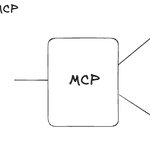
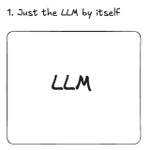
Eser yine derli toplu aktarmış konuyu. MCP'yi merak edenler ilgili thread dizisinden istifade edebilirler.
Şöyle özetleme yeteneği olan insanlara özeniyorum.
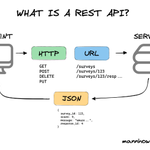
MCP (Model Context Protocol), öğrenmeyen yazılımcıları bir gecede “cahil” bırakacak bir konsept. Uzun süredir web geliştiriciyseniz, REST’in paradigmayı değiştirdiğini hatırlarsınız. REST, uygulamanızın istemciyle etkileşimini dönüştürmüştü; MCP ise uygulamanizin LLM’lerle iletişimini yeniden şekillendirecek!


Eser Poyraz retweeted

Türk teknoloji haber sektörü ve tipleri kadar cahil, kötü niyetli, kalitesiz başka bir güruh bilmiyorum ben. Birebir tanıdığınızda arkanıza bakmadan kaçarsanız. 162 milyar dolar düşen şey Teslanın borsa değeri (hisse senedi sayısı x hisse fiyatı) 2024 Q1’’de ise tesla 23 milyar dolar kar etmiş durumda. 🤦🏻♂️


Eser Poyraz retweeted

Devfest 2023 Denizli etkinliğine “Ruby on Rails, Hotwire, Turbo, Stimulus ve Strada ile full-stack web/mobil geliştirmenin altın çağı” sunumumla katılıyorum.
Rails dünyası ile tanışmak ve yeni bilgiler edinmek isteyen tüm ilgililere duyurulur.
Etkinlikte görüşmek dileğiyle.

🥁 Heyyy Ruby sevenler size harika bir haberimiz var 🥳 Sıradaki konuşmacımız Tayfun Öziş Erikan! @tayfunerikan 🔥
Tayfun, “Ruby on Rails, Hotwire, Turbo, Stimulus ve Strada ile full-stack web/mobil geliştirmenin altin çaği” oturumuyla bizlerle buluşacak! 🚀

Eser Poyraz retweeted

Insane scale from the busiest and biggest Rails app in the world. One million requests PER SECOND. That’s just bananas. Viva Shopify 🤘🚀👏


Eser Poyraz retweeted
Turns out that if a product is compelling, people use it lol


Eser Poyraz retweeted
Her işin temeli olan 9 prensip:
1. Tek odak
2. Ürünü değil faydasını sat
3. Basit iletişim
4. 80/20 Pareto kuralı
5. Detay sattırır
6. Küçük iyileştirmeler büyük sonuçlar yaratır
7. Sürece göre iyileştir, sonuca göre değil
8. Reddedilemez tekliflerle gel
9. Başarı en sonda gelir


Eser Poyraz retweeted
Benim için de İngilizce öğrenmek çok büyük bir meydan okumaydı ve hala da mükemmelim diyemem. Bence Türkler'in İngilizce öğrenmekte gerçekten zorlanmasının temel sebebi en başta kelime sıralaması. Anadil beyni şekillendiriyor ve bunu kırmak ilerleyen yaşlarda zor oluyor.


Eser Poyraz retweeted
Bu çok ama çok enteresan bir fenomen. Londra'ya geldiğimiz ilk senelerde heryerde ama istisnasız heryerde bir koku vardı. Alışmamız gerçekten çok uzun sürdü ama o kadar unutmuşum ki şimdi bu mesajı okuduğumda tekrar hatırladım.
This Post is from an account that no longer exists. Learn more
Eser Poyraz retweeted
Mükemmel bir içgörü.
"Tutku hareketin ürünüdür. Bir şeyler denemeden tutkunuzun ne olduğunu anlamaya çalışmak, uzun süre kafası karışık şekilde beklemek gibidir."
Thank you @richroll
Eser Poyraz retweeted

Like seemingly everyone on this app I have plenty of opinions about Twitter > X and figure now is a good time to open up a bit about my experience at the company.
I tweeted for years into the void for the love of it like many of you, but after selling my startup to Twitter in 2020 I finally got to see it from the inside. Up close it was both amazing and terrible, like so many other companies and things in life.
As someone with a maniacal sense of urgency built into me, Twitter often felt siloed and bureaucratic. Dumb power plays, reorgs and team name changes for the sake of someone’s ego were distractions that occurred too regularly.
You couldn’t just be a builder — you also needed to be a politician.
I was shocked by how old and bespoke the infrastructure was, but there was little will to think beyond quarterly earnings calls because we were all beholden to the masters of mDAU and revenue growth as a public company. It often felt like things were held together with duct tape and glue, and that many people had just accepted that a small product change could take months or quarters to build.
Management had become bloated to accommodate career growth and the company culture felt too soft and entitled for my own taste. Healthy debate and criticism was replaced by a default refrain of “no, that can’t be done” or “another team owns that so don’t touch it”.
Teams could spend months building a feature and then some last-minute kerfuffle meant it’d get killed for being too risky.
Just talking directly to customers could turn into a turf war and create deadlocks between functions.
I recall one such episode where a teammate spent a month trying to get clearance to reach out to some creators. He went through 3 layers of management and 6 different functional teams. In the end 4 executives were involved in the approval. It was insanity, and unfortunately I saw several top performers get burnt out and demoralized after exhausting experiences like that.
Most people were good at their jobs but it was nearly impossible to fire poor performers — instead they got shuffled around to other teams because few managers had the will or resources to figure out how to get them out.
A high performance culture pulls everyone up, but the opposite weighs everyone down. Twitter often felt like a place that kept squandering its own potential, which was sad and frustrating to see. The person who was best at cutting through the BS and inspiring a vision during my tenure was Kayvon Beykpour, but he wasn’t fully empowered to run the company since he wasn’t the CEO.
Despite those real issues, I was lucky enough to work with some of the most talented people in the business at Twitter in product, design, engineering, research, legal, BD, trust & safety, marketing, PR and more. Often it was a small cross-functional team of intrinsically motivated people who made the biggest impact by challenging some core assumption. Those teams were very fun to be on but they felt like the exception rather than the rule.
The months of waiting for the deal to close in 2022 were particularly slow and painful; it felt like leadership hid behind lawyers and legal language as all answers about the company’s future notoriously included the phrase “fiduciary duty”. Colleagues openly talked about how Twitter was being sold because leadership didn’t have conviction in their own plan or ability to fix longstanding problems.
Although I didn’t know much about Elon I was cautiously optimistic – I saw him as the guy who built incredible and enduring companies like Tesla and SpaceX, so perhaps his private ownership could shake things up and breathe new life into the company.
My take on what’s happened since then is full of lived nuance.
When people ask why I stayed it’s easy to answer: optimism, curiosity, personal growth and money.
From the beginning I saw that some changes Elon was going to make were smart and others were stupid, but when I’m on a team I uphold the philosophy of “praise in public and criticize in private”. I was far from a silent wallflower. I shared my opinions openly and pushed back often, both before and after the acquisition.
I made peace with the fact that I didn’t have psychological safety at Twitter 2.0 and that meant I could be fired at any moment, and for no reason at all. I watched it happen repeatedly and saw how negatively it impacted team morale. Although I couldn’t change the situation I did my best to shine a light on folks who were doing important work while being an emotionally supportive leader for those who were struggling to adapt to the more brutalist and hardcore culture.
In person Elon is oddly charming and he’s genuinely funny. He also has personality quirks like telling the same stories and jokes over and over. The challenge is his personality and demeanor can turn on a dime going from excited to angry. Since it was hard to read what mood he might be in and what his reaction would be to any given thing, people quickly became afraid of being called into meetings or having to share negative news with him.
At times it felt like the inner circle was too zealous and fanatical in their unwavering support of everything he said. When individuals encouraged me to be careful about what I said I politely thanked them and said I would not be taking their advice. I had no interest in adding to a culture of fear or walking on eggshells around Elon. Either he would respect me for being real or he could fire me. Either outcome was okay.
I quickly learned that product and business decisions were nearly always the result of him following his gut instinct, and he didn’t seem compelled to seek out or rely on a lot of data or expertise to inform it. That was particularly frustrating for me since I believed I had useful institutional knowledge that could help him make better decisions. Instead he'd poll Twitter, ask a friend, or even ask his biographer for product advice. At times it seemed he trusted random feedback more than the people in the room who spent their lives dedicated to tackling the problem at hand. I never figured out why and remain puzzled by it.
I don’t think things had to be as difficult or dramatic as they turned out to be but I can’t say I’d bet against Elon or count him out. He’s smart and has enough money to make a lot of mistakes and then course correct when things go awry. As the largest shareholder he can tank the value in the short-term, but eventually he’ll need things to turn around.
His focus on speed is incredible and he’s obviously not afraid of blowing things up, but now the real measure will be how it get reconstructed and if enough people want the new everything app he is building.
I learned a ton from watching Elon up close – the good, the bad and the ugly. His boldness, passion and storytelling is inspiring, but his lack of process and empathy is painful.
Elon has an exceptional talent for tackling hard physics-based problems but products that facilitate human connection and communication require a different type of social-emotional intelligence.
Social networks are hard to kill but they’re not immune from death spirals. Only time will tell what the outcome will be but I hope X finds its footing because competition is good for consumers.
In the meantime, I have a lot of empathy for the employees who are working tirelessly behind the scenes, the advertisers who want a stable platform to sell their stuff on, and the customers who are experiencing chaotic updates. It’s been a madhouse.
Twitter moved at the speed of molasses and suffered from bureaucracy but now X is run by a mercurial leader whose instinct is driven by the unique and undoubtedly weird experience of being the biggest voice on the platform.
Many of you know me from the sleeping bag incident where I slept on a conference room floor, so I figure, let’s talk about that too.
Going viral was an odd and interesting experience. I was attacked by people on the left and called a billionaire bootlicker, while simultaneously being attacked by people on the right for being a working mom who was demonized as an example of a woman choosing her career over her family.
Thankfully I can laugh at myself and I don’t take armchair keyboard ideologues too seriously. Being the main character on the timeline, even for a few minutes, requires a thick skin and a strong sense of self.
The real story is pretty simple. I was given a nearly impossible deadline for his first project and as the product lead I would never ask anyone to do anything I wasn’t willing to do myself. So I worked round the clock alongside an amazing team spanning many timezones, and we delivered it on schedule – truly against the odds. It was intense but also fun.
Those first few months were wildly crazy but I wanted to be there and I have no regrets.
Showing up and giving it your all should, in most cases, be celebrated. Obviously you can’t work at that pace forever but there are moments where bursts are mission critical. I’ve pulled many all-nighters in my career and also when I was a student for something that mattered to me. I don’t regret putting in long hours or being ambitious, and feel proud of how far I’ve come from where I started thanks in part to that type of work ethic.
I think of life as a game, and being at Twitter after the acquisition was like playing life at Level 10 on Hard Mode. Since I like taking on difficult challenges I found it interesting and rewarding because I was growing and learning so rapidly.
I realize our society today trends toward polarization but when it comes to this app, its owner, and its future, I am neither a fangirl nor a hater — I’m an optimistic pragmatist.
This may really irritate the internet but you cannot pigeonhole me into some radical position of either loving or hating every change that’s occurred. I escaped my fundamentalist upbringing and am a free thinker these days. Everyone can be seen as both a hero or a villain, depending on who is telling what angle of the story. Elon doesn’t deserve to be venerated or vilified. He’s a complicated person with an unfathomable amount of financial and geopolitical power which is why humanity needs him to err on the side of goodness, rather than political divisiveness and pettiness.
I disagree with many of his decisions and am surprised by his willingness to burn so much down, but with enough money and time, something new & innovative may emerge.
I hope it does.
Sometimes I get asked about how I felt when I got laid off, and the truth is it was the best gift I’ve ever received. Sure the headlines and punchlines wrote themselves but I was battle hardened by then. I knew that I’d worked in a way where I could walk out with my head held high. I have no bitterness about the Product Management team being dismantled, and it made sense for me to exit as nearly all of the remaining PMs were let go.
Going on a sabbatical afterward has been exactly what I needed to decompress and I’m finally feeling rested and relaxed. I’m a creative and a builder, so sooner than later I’ll jump back into a high intensity company but I’m grateful for this season of thinking, reading, traveling and being with people I love.
After having time to reflect I believe more than ever that the very best outcomes flow from great leadership that combines the head and the heart.
I’d be remiss if I didn’t note that in all of this there is also a cautionary tale for anyone who succeeds at something — which is that the higher you climb, the smaller your world becomes. It’s a strange paradox but the richest and most powerful people are also some of the most isolated.
I found myself frequently looking at Elon and seeing a person who seemed quite alone because his time and energy was so purely devoted to work, which is not the model of a life I want to live.
Money and fame can create psychological prisons which may worsen mental health conditions. We’ve all seen high profile cases of celebrities who end up with some combination of depression, paranoia, delusions of grandeur, mania and/or erratic behavior.
Living in an echo chamber is dangerous and being at the top makes a person even more susceptible to being surrounded by yes people when nearly everyone around you is on the payroll and somehow stands to benefit from being in your orbit. Figuring out how to keep “better angels” around in the form of family, friends, and teammates is critical to staying on the rails and enduring intense ups and downs. Everyone needs to hear hard truths sometimes and if you fire all the people who speak up then the reality distortion field may just turn into a vortex.
I was drawn to Twitter because I’m obsessed with the problem of loneliness and connection between people. I find it fascinating & troubling that humans are getting lonelier as we simultaneously create a world that’s both safer and wealthier. I don’t believe that trade-off has to exist, which is why I keep returning to that theme in my personal and professional life.
I realize this is too long of a tweet but Twitter was a weird and special place on the internet, and I’m grateful to have played a teeny tiny role in its story and evolution.
I’m here for whatever comes next — on this app and in new places. Consumer social is very much alive and at a fascinating juncture, so I’ll be watching and participating and sharing hot takes because I don’t want to, and probably can’t, turn that part of me off.
Perhaps X becomes a resounding success. Or it fails epically.
Either way, I expect it will continue to be a very entertaining ride.
🫡
Eser Poyraz retweeted
İş arama sürecimde diğer bir çok zaman harcadığım konuda resume konusuydu. TikTok'da bulduğum "greglangstaff" hesabı ve onun websitesinde bulunan şablonlar çok işime yaradı. Yine burada da ChatGPT'yi hem giriş kısmında hem de deneyimlerimi özetlerken kullandım.
Kullandığım template aşağıda 👇

Eser Poyraz retweeted
İş arama sürecinde farkına geç vardığım ama bana maliyeti yüksek olan bir başka konu ise "under promise, over deliver" yani azı vadet ama en iyisini ver konusu oldu. Bir çok teknik mülakatta, take home denilen, evde cevaplayın tarzı sorulan sorular için verilen zamanlara uymak çok büyük hata. Kullabileceğiniz en uzun zamanı kullanarak en iyi şekilde soruyu cevaplayın ve mükemmel şekilde cevaplamanız çok önemli.
Eser Poyraz retweeted
TikTok'un önerme algorıtmasının nasıl çalıştığını bildiğim kadarıyla anlatayım. TikTok sizin bile bilmediğiniz yanlarınızı nasıl tahmin ediyor ve bu doğrultuda, size sizin bile hoşlanacağınızı bilmediğiniz o videoları nasıl getiriyor?
Sosyal medya graph başed bir data modeli kullanıyor. Örneğin Twitter 1.0'da tweet attıldığında bu takipçilere ve onların retweetleri sayesinde onları takipcilerine yani nodelarına dağıtılıyor. Her node birbiriyle takip üzerinden ilişkili.
Ama TikTok derin şekilde sosyolojik, psikilojik ve biyolojik olarak seni profilliyor ve nodeları bu profiller oluşturuyor. Bu sayede benzer profildeki kişilerle ilişkilendiriliyorsun.
Örneğin birisi bir video yüklediğinde sisteme o videonun sesleneceği düşünülen profillerin/nodeların ve iliskili hesaplarin küçük bir kısmına video dağıtılıyor. Engagement ölçülüyor ve daha geniş bir gruba ve daha geniş bir gruba dağıtılarak tek video ile milyonlarca izlenmenin yolu açılıyor.
Buradaki kavram "personalisation at scale". Aslında totolojik bir kavram. Çünkü ya personalised değil ya da scale değildir ama TikTok bunu başardı. Şimdi Twitter, Meta ve Youtube'da benzer şeyler yapmaya çalışıyorlar.
Twitter 'in"for you" tabi her geçen gün daha iyi oluyor. Meta "ınstagram discover" ve "facebook storyler" ile bunu yapmaya çalışıyor. Google'ın youtube'da yapmaya çalıştığı short video önerileri benzeri bir şey ama çok ama çok başarısızlar ellerindeki devasa data havuzuna rağmen.