

Veterinarian, PhD, Wildlife Health Specialist at ECCC / Fiddle player, fox lover, and amateur photographer.
Canada
Joined September 2018
- Tweets40
- Following118
- Followers64
- Likes76




Émilie Bouchard retweeted

Lynx victims of their own poop: the remaining missing piece of the puzzle of Toxoplasma gondii transmission in northern ecosystems
mdpi.com/2813-0227/3/1/2

Émilie Bouchard retweeted

Nice work by Ariane Dumas mapping and studying the fine-scale distribution of Lyme disease ticks and their hosts within an urban nature park near Montréal. sciencedirect.com/science/ar… @clydrn @grezosp @cresp_sante
Oh how I wish I could have gone to Dublin for the #waavp2021! Shout-out to the virtual cocktail hour (yay Irish coffee!☘️), and great presentations @WAAVP2021. If you haven’t had a chance yet, go have a look at our session -> Parasite of Wildlife 4 #toxoplasma in🦊 #parasitology


Happy World Bee Day! 🐝☀️🌼 Bees and other pollinators 🦋🐞🐦🐜🦇 are essential animals -> they are needed for keeping our ecosystems healthy and maintaining biodiversity. Let's help protect them! #BeeEngaged #WorldBeeDay #ForNature

Émilie Bouchard retweeted

Quand chercheurs et Inuits s’unissent pour vacciner les chiens contre la rage https://xitter.cf/t.co/kMP6LOMrQj

Émilie Bouchard retweeted

The Canadian #Arctic is at risk of seeing a growing number of hosts, vectors and pathogens invade and survive in areas which they have never inhabited before.
Dr. Emily Jenkins and her team are researching the North to assess the risks.
More: ow.ly/LZKK50DwJef

Émilie Bouchard retweeted
Nice write-up about current research by PhD student Carol-Anne Villeneuve on arboviruses in the Arctic: Les moustiques pourraient transmettre des virus aux Inuits https://xitter.cf/t.co/bab5ILOCiQ via @umontreal
Émilie Bouchard retweeted

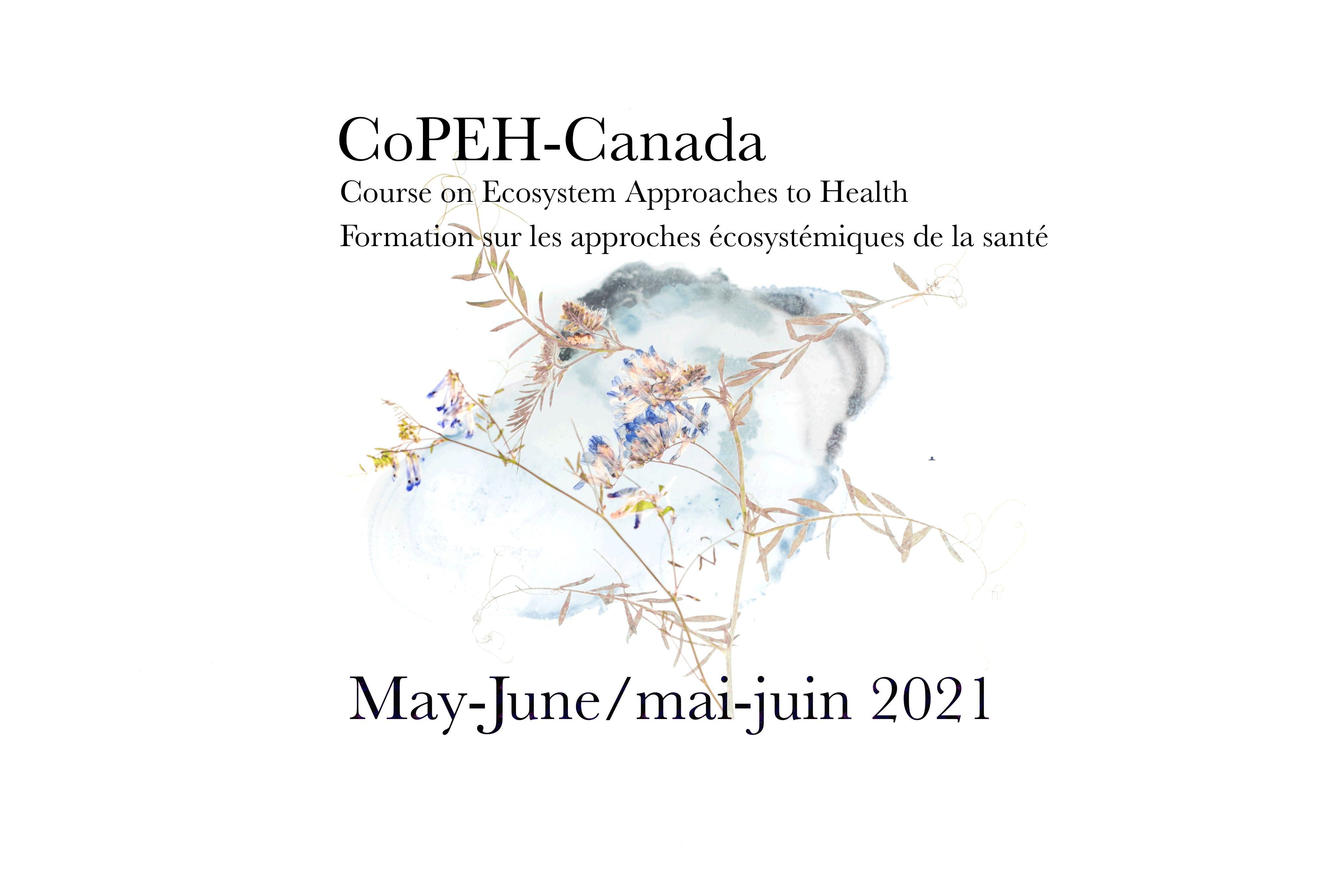
Discover approaches for better understanding the factors that influence health–ecosystem approaches to health.
Venez découvrir des approches pour mieux comprendre les multiples facteurs qui influencent la santé: les approches écosystémiques de la santé.
copeh-canada.org/en/key-area…
Excellente formation! "À toute personne ayant un intérêt pour le Québec nordique et qui souhaite connaître ce territoire, son histoire, ses sociétés et ses enjeux. "


Great video from a great scientist! "How the evolutionary adaptations of bats keep them safe from viruses."
This post is from an account that no longer exists. Learn more
2
Great long-term study I had the chance to be involved with back in 2012, and sparked my interest in Arctic wildlife research: nature.com/articles/s41598-0…

New #research published in Scientific Reports shows that herd immunity was instrumental in stopping avian cholera from infecting and destroying a population of Arctic-nesting sea ducks in Canada’s North.
More: ow.ly/1vT450D8MDK
@environmentca
@yukongov

Elevator pitches can be quite challenging, but a great opportunity for scientists to share their research. Thank you @ArcticNet @ArcticNetSA for the opportunity during the virtual conference this week.❄️#AC2020 #scicomm
youtube.com/watch?v=n6jh2GZu…
O Toxoplasma!
Parasite of north and south.
Foxes lead the way.
#HaikuYourResearch #scicomm
Thanks to @VinkoCuljak for the great science communication workshop. Don't underestimate the value of storytelling in sharing your research! @grezosp @usask

5
Come to our One Health Session at room 106 - 107, some great speakers in the room! Representing @pleightonlab and @wcvm at @ArcticNet! #WCVMvetmicro #usask #umontreal #grezosp #OneHealth


Émilie Bouchard retweeted

A typical grocery bill in the Canadian territory of Nunavut:
⭕ vanilla creme cookies: $18.29
⭕ baby formula: $26.99
⭕ grapes: $28.58
n.pr/2KYDGoL

Une 7e édition du Colloque en santé publique vétérinaire bien réussie: Évaluer «Une Seule Santé» : le pourquoi du comment. How to evaluate the efficacy and relevance of this approach?🤔Good food for thought. #colloquespv2019 #OneHealth #UneSeuleSanté @grezosp @UMontreal


Émilie Bouchard retweeted

Why do Lyme symptoms persist in some patients after they get treatment? @meghanor writes about living with years of illness and the new research that could address the uncertainty of Lyme disease. on.theatln.tc/VXNnvjR