
Addig légy boldog, amíg élsz, mert aztán hosszú ideig halott leszel.
Joined July 2014
- Tweets9.6K
- Following435
- Followers863
- Likes33.4K





egon retweeted

El ultraderechista Orbán financió las campañas electorales y la fundación de VOX en España. Acaban de hallar 17,7M€ en metálico a su exministro detenido en Hungría. Sigue cayendo la extrema derecha internacional por la corrupción.
egon retweeted

Just three hours later, at dawn on November 4, the trap snapped shut. With Hungary’s Minister of Defense held in a KGB cellar and its army completely paralyzed without a chain of command, seventeen Soviet divisions and over a thousand tanks rolled into Budapest under "Operation Whirlwind." Insurgents radioed desperate appeals for help across the globe, but without centralized leadership, the revolution was crushed beneath tank tracks in days.
Maléter was transferred in chains to a secret prison, interrogated for eighteen months, and subjected to a closed, predetermined trial alongside Imre Nagy in June 1958. Found guilty of counter-revolutionary treason against the socialist state, Pál Maléter was hanged in the courtyard of Budapest's Kozma Street prison at dawn on June 16, 1958. To ensure the hero of the Kilián Barracks could never inspire a future rebellion, guards bound his corpse in tar paper, laid him face down in an unmarked pit in Prison Cemetery Plot 301, and covered him with lime and weeds. The general who had trusted a flag of truce had been lured to his death by the very men who had raised a toast to his arrival.
In June 1989, as the Communist regime collapsed, Maléter and Nagy were given a solemn, massive state reburial in Budapest in heroes' plots that marked the birth of modern democratic Hungary.
egon retweeted
Pál Maléter (1917–1958) was a high-ranking Hungarian military officer who became a central hero and martyr of the 1956 Hungarian Revolution...
During WWII, he fought on the Eastern Front for the Axis powers before being captured by the Soviet Red Army. He subsequently converted to communism, trained in sabotage, and fought as a partisan against Nazi forces in Transylvania.
At the outbreak of the uprising in October 1956, Maléter was sent as a colonel with a detachment of tanks to the Kilián Barracks in Budapest to put down the freedom fighters. Instead, after seeing their cause, he made a cease-fire, switched sides, and took command of the insurgents. As the most prominent military leader to join the revolution, Maléter quickly rose through the ranks. On October 29, he was appointed Minister of Defense by Prime Minister Imre Nagy's revolutionary government, and was promoted to Major General on November 2.
. . .
Crystal glasses clinked over a map-strewn conference table at the Soviet military headquarters in Tököl, just south of Budapest, on the late evening of November 3, 1956. Soviet generals exchanged smiles, poured cognac, and offered warm toasts to their Hungarian guests. Leading the Hungarian delegation was Major General Pál Maléter, the newly appointed Minister of Defense. Towering at over six feet six inches tall, a striking combat veteran and former anti-Nazi partisan, Maléter believed he had pulled off a diplomatic miracle: securing the technical timeline for the complete withdrawal of the Red Army from sovereign Hungarian soil. But as the clock struck midnight and the room filled with cigar smoke, the heavy doors swung open. A short, square-jawed man in a Soviet officer's uniform strode in, flanked by soldiers brandishing submachine guns. It was General Ivan Serov, Chairman of the KGB.
Just days earlier, Maléter had become an overnight legend of the Hungarian Revolution. Sent by the communist government to crush insurgent fighters holed up inside Budapest’s Kilián Barracks, Maléter took one look at the young students and workers fighting Soviet armor with homemade petrol bombs and switched sides. Taking command of the garrison, he organized a ferocious defense that repelled Soviet tank columns, instantly making him the military hero of the uprising. When reformist Prime Minister Imre Nagy formed a new government and declared Hungary’s neutrality, he promoted the thirty-nine-year-old Maléter to Minister of Defense, tasking him with negotiating the departure of the occupying Soviet forces.
The Soviet diplomatic machine, orchestrated by Ambassador Yuri Andropov in Budapest and military command in Moscow, played Maléter with predatory precision. When the preliminary talks in the Hungarian parliament appeared promising, the Soviets invited Maléter and his staff to their fortified command outpost at Tököl airbase to hammer out the logistical details. Friends and cabinet members begged the general not to go, warning him that entering a Soviet military compound under the fog of revolution was suicide. But Maléter refused to let paranoia derail peace. He insisted that international law and the sacred sanctity of military truce would protect a diplomatic envoy.
The illusion held until the final agreements were about to be signed. When Serov and his KGB detachment stormed the conference room, the senior Soviet military negotiator, Lieutenant General Mikhail Malinin, stood up in genuine outrage, shouting that Serov was violating diplomatic immunity. Serov merely leaned over the table, whispered a coded directive in Malinin’s ear, and waved his guards forward. The Soviet general turned pale and fell silent. In an instant, the peace talks evaporated into an ambush. Maléter and his entire staff were disarmed, forced against the wall at gunpoint, and handcuffed.
#archaeohistories


egon retweeted
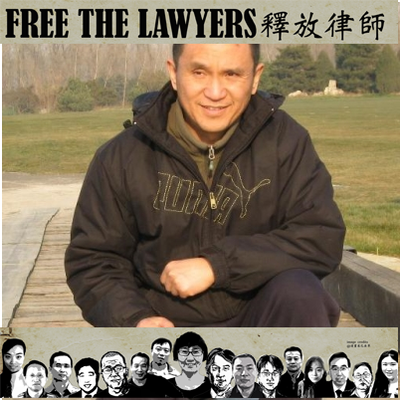
这张照片是我在2004年底拍摄的,是在河南上蔡的一个艾滋病村。这个女孩九岁,叫吴素敏,她的父母亲因为卖血染上艾滋病死去了,她也携带了艾滋病毒,身体状况一天比一天差。她的家是什么样的呢?土夯的房子,一半倒掉了,房子里面有一张床,上面堆着乱七八糟非常脏的衣服。孩子就靠一些亲戚给她施舍点 食物活着。
我拍完这张照片就走了,,
大概在几个月之后,有一天,同行的文字记者跟我讲,她说这个声音像猫一样的小女孩去世了。
这是我遇见这个小女孩至今印象最深刻的一个细节,我看见她,问她的姓名和年龄,她在我一米距离的眼前,我几乎听不见她的声音,微弱地像只倦怠的小猫。
她的父母亲因为卖血染上艾滋病死去了,生下来就携带艾滋病毒,精神不好,在学校里虚弱地连头都举不起来,每天都是趴在课桌上睡觉,老师只好让她回到家里——倒塌了一半的土坯房子里。她说,她想读书,然后从堆满脏衣服的床上拿出落满尘土的书包,努力地拍了拍灰尘,抬起头,就这样看着我。
我摁下了快门。
---陈杰

egon retweeted

El 24 de diciembre de 1971, en el aeropuerto de Lima, una chica de 17 años llamada Juliane Koepcke subió con su madre a un avión rumbo a Pucallpa, en la selva peruana. El vuelo llevaba siete horas de retraso y todo el mundo quería llegar a casa para Navidad. Sus padres, dos biólogos alemanes, tenían una estación de investigación en plena Amazonía, y allí las esperaba su padre. La noche anterior, Juliane había ido a su baile de graduación.
Media hora después del despegue, el avión entró en una tormenta. Años después se lo contó a la BBC: "Salieron volando regalos, flores y pasteles de Navidad". Vio rayos alrededor del aparato y una llamarada en uno de los motores. Su madre le dijo entonces, con calma: "Esto es el fin, se acabó". Fueron las últimas palabras que le oyó.
El avión se partió en el aire a unos 3.000 metros de altura. Juliane cayó atada a su asiento. "Lo único que podía escuchar era el ruido del viento. Me sentí completamente sola". Perdió el conocimiento antes de llegar a los árboles.
Despertó al día siguiente en el suelo de la selva, con la clavícula rota, cortes profundos y sin gafas. Había perdido una sandalia. Su primer pensamiento fue: "He sobrevivido a un accidente de avión". Llamó a su madre a gritos, pero solo le respondieron los ruidos de la jungla.
Lo que la salvó fue lo que había aprendido con sus padres. Sabía que la selva no era el infierno verde que la gente imagina y que lo más seguro era seguir el agua. Encontró un arroyo y fue bajando por él. Solo tenía una bolsa de caramelos. Al cuarto día oyó buitres y supo lo que significaban. Encontró una fila de asientos con tres pasajeros muertos. Pensó que una podía ser su madre, pero la mujer llevaba las uñas de los pies pintadas, y su madre nunca se las pintaba.
Al décimo día casi no se tenía en pie. Llegó a una cabaña junto a un río, se curó con gasolina una herida del brazo llena de gusanos y pasó allí la noche. Al día siguiente oyó voces de hombres. "Fue como oír voces de ángeles", recordaría. Eran trabajadores de la zona. Ella les habló en español, le curaron las heridas y la llevaron de vuelta.
De las 92 personas que iban a bordo, solo ella sobrevivió. Su madre, según se supo después, también resistió la caída, pero estaba gravemente herida y murió varios días más tarde. Con los años, Juliane volvió a la selva para cuidar la estación que fundaron sus padres. Lo resumió en una frase: "La selva me salvó, ahora quiero salvarla yo".
Hay quien cae del cielo y, aun así, encuentra el camino de vuelta.
¿Conocías esta historia? ¿Qué crees que te habría ayudado a ti a sobrevivir? Te leo en los comentarios.

egon retweeted

Durante le proteste di Black Lives Matter in Ohio, i panettieri italiani hanno difeso il proprio negozio con le armi.
Il secondo emendamento ha permesso loro di difendere i sacrifici di una vita intera.
In Italia ti dicono che “non hai bisogno di armi, puoi chiamare la polizia”, con reverenza verso lo Stato onnipotente.
Uno stato che onnipotente non è. E che non verrà a difendere il tuo negozio, la tua casa e la tua famiglia.
Ti dicono che “la loro vita vale più di un televisore o una vetrina”, giustificando ogni aggressione, violenza e furto nei tuoi confronti.
La verità è che loro non hanno mai creduto che la polizia dovesse difenderti o che tu avessi diritto alla tua proprietà.
Ogni volta spostano l’asticella più avanti. Prima sostengono che la difesa dei tuoi diritti sia una prerogativa esclusiva dello Stato. Poi, quando lo Stato non interviene, negano che tu abbia mai avuto quei diritti.
Il risultato è un diritto di proprietà che esiste sulla carta, mentre tu sei un suddito indifeso.
In Ohio, quei panettieri possono difendersi. In Italia, dovrebbero subire le violenze e magari sentirsi spiegare, il giorno dopo, che “in fondo erano soltanto cose” ed “è accaduto, non ci si può fare niente”.


egon retweeted

اعتقلت الشرطة البارحة بالقرب من القرية الفلسطينية دوما العميد (المحتفظ برتبته في الاحتياط) يوئيل بيليدشو، المدير العام السابق لشركة "إلعال"، بعد أن قامت مجموعة تضم نحو 15 ضابطاً متقاعداً، من بينهم لواءان مثل إيال بن رؤوفين والمؤرخ العسكري البروفيسور أوري بار يوسف، بمساعدة الفلسطينيين في قطف الزيتون.
صرح اللواء في الاحتياط إيال بن رؤوفين، الذي كان حاضراً في الحدث، لإذاعة غالاتس: "وصلنا لقطف الزيتون في أراضي قرية دوما في المنطقة B، وبعد نحو نصف ساعة - وصل إلى المكان شاب يهودي، وهجم على الفتيات العربيات اللاتي كن يعملن هناك. وبعده وصل بلطجي آخر، وبدأ بالصراخ والشتم، واستدعوا الجيش. وصل ضابط وعدد آخر من الجنود وفصلوا بيننا، وعندما أردنا المغادرة - أغلق الطريق بمركبته الرباعية [هذه المركبات قُدّمت للمستوطنين من قبل الحكومة الحالية وتُستخدم يومياً لشن هجمات إرهابية على الفلسطينيين]. احتجزنا الجيش حتى وصول الشرطة، واستجوب أفراد الشرطة المستوطنين فقط بينما لم يسألنا أحد عما حدث - وهكذا اعتقلوا أحداً من النشطاء، وأيضاً يوئيل بيليدشو. يوئيل معتقل حالياً في مركز شرطة بنيامين".
كالعادة، يتم اعتقال النشطاء الإسرائيليين المتضامنين مع الفلسطينيين بدلاً من الإرهابيين.
egon retweeted

En los años 70, el griego 🇬🇷 Stamatis Moraitis vivía en Estados Unidos 🇺🇸 cuando los médicos le diagnosticaron cáncer de pulmón en etapa terminal. El pronóstico era devastador: de 6 a 9 meses de vida.
En lugar de someterse a costosos tratamientos agresivos, pensó en algo más pragmático: los funerales en EE.UU. eran carísimos, mientras que en su tierra natal, la pequeña isla de Icaria (Grecia), sería gratis, así que regresó a su pueblo para pasar sus últimos días.
Pero al llegar, no se acostó a esperar la muerte. Cambió su estilo de vida por completo:
Cultivó su propio huerto, comió verduras frescas, aceite de oliva, pan casero y cero ultraprocesados. Caminó por colinas, recogió uvas y trabajó la tierra bajo el sol del Mar Egeo. Bebía vino artesanal sin químicos, rodeado de amigos, risas y cero estrés.
Pasaron los meses y no murió. Y pasaron los años... y las décadas.
Años más tarde, regresó a EE.UU. para buscar a los médicos que le dieron el diagnóstico terminal. Todos habían muerto.
Stamatis Moraitis murió en 2013 a los 98 años (aunque él aseguraba tener 102). La causa no fue el cáncer, sino la vejez. Su caso se convirtió en uno de los grandes símbolos de las "Zonas Azules" (Icaria), demostrando que la paz, la buena alimentación, la comunidad y el movimiento diario son la mejor medicina.


egon retweeted

This is why Huawei phones are banned in the US. They removed the NSA & Mossad backdoors in the ARM designs, and built their own OS (Harmony) without kernel level backdoors.
If you don't want Mossad spyware & hacking, get a modern Huawei phone.

egon retweeted

هذه بعضا من الممارسات اليوميةو الجرائم التي ترتكبها
"قوات الدعم السريع" الإرهابية بحق الشعب السوداني وهي مجموعة تتلقى الأسلحة من دولة الإمارات العربية المتحدة بقيادة محمد بن زايد وتحظى بدعم الولايات المتحدة الأمريكية في عهد الرئيس ترامب
يرتكبون جرائمھم ويوثقون بأنفسھم للتباھي بھا
egon retweeted

🚨 BREAKTHROUGH: A 25-year-old biologist has built something that sounds like science fiction.
Pilar Ferrer, from Argentina, created an injectable gel that helps the heart repair itself after a heart attack.
She's 25. Let that sink in. 🧵

egon retweeted

En 1936, Hollywood descubrió a una española que bailaba como una tormenta. Venía de una barraca de chabolas de Barcelona y no sabía leer ni escribir.
Pero cuando sus pies golpeaban el suelo, los estudios enteros se quedaban en silencio...


egon retweeted

This is Garrett Langley, the CEO of Flock Surveillance Cameras.
Please DO NOT REPOST HIS IMAGE, because while his company wants to photograph you wherever you go,... and digitally store everything you do,... they themselves do not want to be photographed,... because they value their privacy.

egon retweeted

乌克兰最近把一架相对完好迫降的俄军最新型“天竺葵-4”(Geran-4)无人机,当场大卸八块。
拆完之后,桌上摆着的零件,呈现出一个既荒谬又无比现实的真相:
整架号称打得乌克兰防空防不胜防的喷气大杀器,除了最外面的机壳和总装螺丝是俄罗斯自己拧的,
里面所有的关键器官,几乎全是从外面运进来的。
先看动力。
过去老款天竺葵-2用的是活塞螺旋桨,飞起来像拖拉机一样嗡嗡响,时速不到两百公里,乌克兰机动防空队开着皮卡架挺机枪就能拦截。
但这次拆开天竺葵-4,机腹里塞的是一台微型涡喷发动机。
飞行高度直接从四千米拔到了八千米,是老款的两倍;
巡航时速干到了四百五十到五百公里,甚至还能更快。
这玩意儿已经能从克里米亚起飞,一口气狂奔七百多公里,直接扎进乌克兰西北部的卢茨克。
谁造的?
拆开一看,中国产的微型涡喷。有些虽然标着俄罗斯组装,核心组件也全是中国货。
再看眼睛。
头部装了一套光电转塔,白昼、夜视、红外三合一。
十倍光学变焦,加三十二倍数码变焦。
八千米的高空往下看,地面车辆的轮廓一清二楚。
它根本不需要前线侦察兵冒死指引。操纵员哪怕坐在几百公里外的布良斯克、奥廖尔或者克里米亚的后方工位上,只要链路连着,就能像玩模拟器一样实时遥控它扑向目标。
那实时信号怎么传?
专家从机身里抠出了两个普通的 GSM 模块,上面插着民用电话卡。
更离奇的是,现场技术人员在这些残骸里,不仅翻出了俄罗斯和白俄罗斯的 SIM 卡,甚至还找到了乌克兰本土运营商、以及欧盟国家的流量卡。
无人机只要一过境,直接蹭乌克兰本地民用基站的网络,把自己的实时位置往回传。
万一飞进没有手机信号的荒郊野岭呢?
它还有备手。
拆解人员从里面掏出了一块来自中国的自组网 Mesh 调制解调器,通信半径三百公里。
几架天竺葵在空中编队飞,彼此之间能自动互相当中继,你传给我、我传给后方,直接在天上搭出一套无中心的移动局域网,几百公里外的视频画面照样掐不断。
最后拆到最值钱的机载电脑飞控板。
刮开主板上的涂层,芯片上的丝印虽然被磨去了一半,但剩下的英文字母依然清晰可辨:
Texas Instruments——美国德州仪器。
现场专家给了一句很冷酷的总结:
“这架飞机上真正属于俄罗斯制造的,就只有复合材料的机身外壳,以及最后的总装车间。”
这些零件最后运到鞑靼斯坦的阿拉布加(Alabuga)特区,工人们把壳子一合、螺丝一拧,就成了前线每天夜里呼啸而过的精确打击武器。
而根据乌克兰军情局的评估,像阿拉布加这样的工厂,现在每个月能量产大概三千架天竺葵-4和天竺葵-5。
打了四年多,制裁令签了一叠又一叠,结果最前沿的致命武器内部,流淌的依然是全球供应链的血液:
动力与通信来自成熟民用货架,核心控制芯片来自美国转道走私,连定位回传都在蹭对手基站的 SIM 卡。
这才是现代战争里最棘手的现实:
威权体制根本不需要在温室里从头研发一套自给自足的军工帝国。
只要民用消费级工业品在全球随处可买,只要洗钱通道和转口贸易依然处处漏风,
他们就能用极低的成本,把全世界的民用技术拼装成工业级的杀人工厂。
如果外部世界的制裁只盯着军品清单打补丁,却堵不住庞大的双用途灰色管涌,
这种廉价而致命的涡喷蜂群,在流水线上就很难真正停下来。
egon retweeted

This is Dieter Schwarz - the owner of Lidl, the richest man in Germany, one of the richest people in the world.
Only two known photos exist of him, zero video footage, and he's never given an interview.
He is an extremely dedicated philanthropist, having put billions mostly into educational causes. He lives in Heilbronn, in Germany, and has transformed the area into an educational/tech/research hub, as well as funding educational activities at Oxford, HEC Paris, Stanford and many others.
Technically, he doesn't actually own Lidl any more, as he set up 'The Dieter Schwarz Foundation' - a charity - which owns the Schwarz Group, the parent company of Lidl. In other words, Lidl is owned by a charity that ploughs lots of money into educational causes - and yet Lidl never use any of that in advertising.
One of the most successful, interesting people on earth, and nobody even knows what he looks like any more.

egon retweeted

On March 16, 1968, US troops were raping and massacring Vietnamese civilians including children and babies at My Lai.
Then an American helicopter pilot named Hugh Thompson Jr. saw what was happening — and decided he could not stand by.
Thompson was flying a reconnaissance mission in an OH-23 Raven with his two crewmen, Glenn Andreotta and Lawrence Colburn. Their job was to scout ahead of the ground troops and identify enemy positions.
But something was terribly wrong.
From the air, Thompson noticed bodies everywhere — women, children, infants and elderly people. There was virtually no return fire.
He marked wounded civilians with smoke so they could receive medical help.
But when he came back, he discovered that some of the people he had marked as wounded had been shot dead.
He watched a wounded Vietnamese woman lying on the ground. An American soldier approached her, prodded her with his foot — and shot her in the head.
Thompson was horrified.
He then saw a group of 12–15 Vietnamese women and children fleeing toward a bunker while American soldiers pursued them.
He landed his helicopter between the civilians and the soldiers.
Thompson confronted the Americans and ordered his crew to cover the civilians. He told his gunner, Lawrence Colburn, to train his M60 on the American troops and fire if they opened fire on the Vietnamese.
Think about that.
An American soldier had reached the point where he was willing to risk shooting fellow American soldiers to prevent them from committing more war crimes.
Thompson then helped get the civilians out of the bunker and called in other helicopters to evacuate them.
His crew helped rescue Vietnamese survivors and wounded children.
After returning to base, Thompson immediately reported what he had witnessed to his superiors.
Hugh and his men deserve to be remembered, not because they were American soldiers, but because they chose humanity when others had abandoned it.
While others were killing innocent people, these three Americans risked their lives to save them.
That is courage. That is humanity. This is Thompson Hugh Jr.
