

Clinical translational researcher interested in necroinflammatory cell death in sepsis, acute lung injury, research methods and epistemology in medicine
Manhattan, NY
Joined April 2012
- Tweets5.1K
- Following709
- Followers990
- Likes18.7K


Edward Schenck MD retweeted

Can GPT-4 solve really hard medical cases and come up with a good list of differential diagnoses?
@zahirkanjee @byrondcrowe and my study is out in @JAMA_current , and the short answer is, “Yes.”
But what does this all mean? 🧵⬇️ xitter.cf/JAMA_current/status/16…

In this study, a generative artificial intelligence (AI) model provided the correct diagnosis in its differential in 64% of challenging cases and as its top diagnosis in 39%. ja.ma/3X5M6i9

Edward Schenck MD retweeted

The @PATCHTrial, led by @RussellGruen, a study of pre-hospital TXA for severe trauma in adults at high risk of acute traumatic coagulopathy treated in advanced trauma systems, has been published today in @NEJM. #CCR23 Here’s a summary of what we did...
nejm.org/doi/full/10.1056/NE…
Edward Schenck MD retweeted
So, based on all of that, you tell me, should we implement (or continue to use) pre-hospital TXA in advanced trauma systems for adults at risk of acute traumatic coagulopathy?
66%Yes
17%No
17%Don't know
779 votes • Final results
Have to read in detail. One of the more important things for us to consider is adequacy of the adequate functional outcome endpoints…

@PATCHTrial #PATCHtrial #CCR23 @karimbrohi
Delighted to play an active role in contributing to the dissemination of high quality clinical research
thanks to @NEJM for collaboration for simultaneous publication

There is likely some truth to this statement, but keep in mind the term "small differences". This is not a call for nihilism regarding resuscitation.

Let me do one for critical care. Adjusting for severity of illness, the in-hospital course has no effect on the post icu recovery (restricted to survivors).

Recommend reading for people interested in the history of medicine as it intersects with technology disease and society. It’s really good.

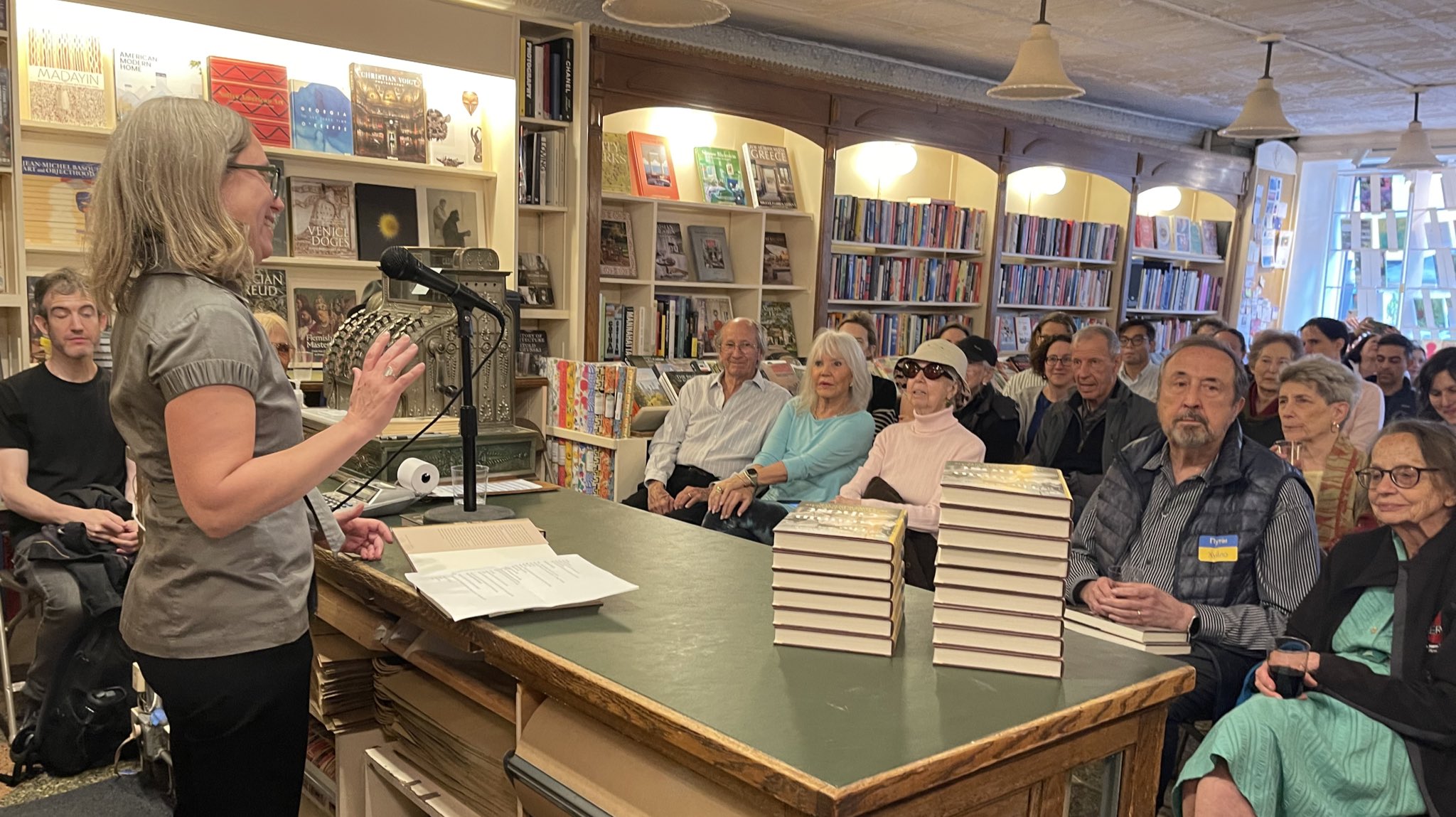
Book reading of “The Autumn Ghost” by @wunschcritcare at the @TheCornerBooks1. #Origin story of modern #CriticalCare.


Edward Schenck MD retweeted

Who's reading The Autumn Ghost?
Dr.Hannah Wunsch's suspenseful account of the polio epidemic and its impact on the evolution of critical care will keep you glued to the pages. Available at Amazon, Barnes & Noble, and independent bookstores
@SOCCA_CritCare @ASALifeline @SCCM

I have a really hard time thinking about how to balance societal implications RE: ai (meaning llm) are intellectual property theft at scale and the potential benefit of democratizing expertise
One of the more interesting things about generative ai in medicine is that it’s fluency will likely abrogate the need for structured icd10 style documentation… one can dream
Edward Schenck MD retweeted

Publication day for The Autumn Ghost!
Thanks to @greystone @Inkwellmgmt and so many fellow writers for all the support
An important story from medical history #polio #ICU #mechvent #ironlung #vaccineswork #disabilityinclusion
Links to order hannahwunsch.com/index.html

Important point for all things digital medicine. Are we measuring important things for humans? Even if we can, should we?
This is an excellent point. These (Clinical AI) should be held to similar standards as medications. Let's hear it for blinding and randomization!

"the potential harms feel so profound, and all the positive applications basically have to do with increased efficiency. Efficiency isn’t higher on the list of things to pursue than human flourishing. So what is the “why” for you?
nytimes.com/interactive/2023…
This issue is smile and curiosity on a page.

The @ZoonomiaProject’s sequencing of more than 240 mammal genomes is paving new roads for understanding mammalian diversity and evolution and ourselves.
Learn more in a new special issue of Science: scim.ag/2oO #Zoonomia
