

Preserving patient access to vascular access with advanced chronic kidney disease and end-stage renal disease.
Washington DC
Joined March 2020
- Tweets737
- Following598
- Followers752
- Likes186



📰DVAC op-ed from Dr. Preddie on @Medium 👇
medium.com/@DVACoalition/whe…
1
63
NEWS: “We applaud CMS for recognizing the need to stabilize reimbursement, but more must be done to ensure dialysis patients continue to have timely access to life-sustaining vascular access services.”
dialysisvascularaccess.org/n…

76
📰 NEWS: Dialysis Vascular Access Coalition Applauds CMS Efforts to Support Non-Hospital Vascular Access, Urges Further Action to Protect Patient Care
dialysisvascularaccess.org/n…
54

🩺👩⚕️👨⚕️DVAC supports policies that promote dialysis vascular access in the ASC and office settings, where the outcomes are superior. Learn more here: dialysisvascularaccess.org

1
79
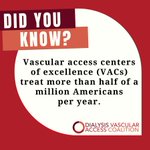
Vascular access centers treat more than half of a million cases per year across the country in a safe, specialized, patient-preferred setting.
Ongoing cuts to office-based specialists under Medicare continue to accelerate the health system consolidation trend, exacerbate health inequities in a variety of diseases, and threaten the resilience of our healthcare system.
Did you know 🤔 approximately 37 million adults, or 15% of the United States population, have a chronic kidney disease.
46
Join us in advocating for policies that protect dialysis patients and support vascular access specialists. Better policy = better outcomes.
1
52
📅 TODAY: ELLIPSYS WRAP-UP WEBINAR
🕕 Join us at 6 PM ET for a must-see discussion on the future of pAVF access after the Ellipsys device phase-out.
👨⚕️ Featuring Dr. Rashid Sharaf
💬 Live Q&A with DVAC leadership
🔗 Sign up using the QR code below!

1
55
🚨 WEBINAR: ELLIPSYS WRAP-UP
Join us TOMORROW, July 30 at 6 PM ET for a critical discussion on the future of pAVF access and care delivery following the discontinuation of the Ellipsys device.
🎙 Dr. Rashid Sharaf
🗣️ Q&A with DVAC leaders
Sign up with QR code below.

High catheter use = higher infection risk for dialysis patients. VACs help lower those rates—but ongoing Medicare cuts make it harder for them to operate. We need reform to protect patients' access to quality care!
44
Up to 69% of patients had no vascular access plan before starting dialysis. A Vascular Access Life Plan can change that.
We need to work to remove barriers to care, not create them. Learn more about our advocacy: dialysisvascularaccess.org
45
🏥 Ambulatory Surgery Centers (ASCs) & Vascular Access Centers (VACs) are safe, specialized, and patient-preferred settings for care. They’re distinct from dialysis centers, where patients with ESRD receive treatment through artificial kidneys.
45
Did you know?
Before dialysis treatment can begin, physicians must first create a “vascular access” to the patient’s bloodstream to allow the patient to connect to a dialysis machine.
1
62

Vascular access centers of excellence (VACs) serve as specialized, patient-focused, centers dedicated to providing vascular access creation and preservation services in the office or ASC setting.
1
53