

A network of health technology industry experts leading digital health standardization efforts in advancing MR, PHR, EHR, and hospital information systems (HIS)
Abuja, Nigeria
Joined March 2023
- Tweets242
- Following52
- Followers26
- Likes16





𝐓𝐡𝐞 𝟐𝟎𝟐𝟓 𝐃𝐇𝐈𝐍 𝐂𝐨𝐧𝐧𝐞𝐜𝐭𝐚𝐭𝐡𝐨𝐧 𝐢𝐧 𝐏𝐢𝐜𝐭𝐮𝐫𝐞𝐬 📸
From testing tracks to technical workshops, standards sessions to hands-on interoperability challenges, the energy at this year’s DHIN Connectathon was simply unmatched.


For three days, experts, innovators, students, regulators, global partners, and digital health builders came together to validate real-world use cases using FHIR, IPS v2, ICD-11, SNOMED CT, and more.


Behind every health record is a person who deserves both safety and privacy.
Good identifier strategy makes sure patients are matched correctly and their rights are protected.

At the 2025 DHIN Connectathon, we’ll show how national IDs, program IDs, and pseudonymous keys come together to make this possible. 💡
#DigitalID #HealthData #PublicHealth #Interoperability #Innovation #Hackathon #DigitalHealth #DHINConnectathon2025
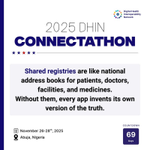
Without shared registries, interoperability collapses into silos.
At the 2025 DHIN Connectathon, we’re putting shared registries to the test: proving how they anchor trust, enable safer care, and power real-world impact.
#HealthData #Interoperability #DigitalHealth

Policies don’t save lives until they’re put into practice.
At the 2025 DHIN Connectathon, we’re applying SMART Guidelines to transform global standards into daily tools and tools into measurable health outcomes for all.
#DigitalHealth #GlobalHealth #HealthEquity


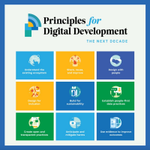
DHIN endorses the Principles of Digital Development
The Digital Health Interoperability Network (DHIN) is proud to officially endorse the Principles of Digital Development - a globally recognised set of living guidelines that put people at the centre of digital transformation.

Together with our partners, we will continue to build digital public infrastructure that strengthens health systems, empowers communities, and drives equitable access to care.
🔗 Learn more about the Principles of Digital Development here: lnkd.in/dzQeJgb
AI-Powered HIEs: Transforming Data Pipes into Intelligence Engines
Traditional HIEs often act as passive conduits, passing clinical data as-is without interpretation or standardization. The result: disparate formats, inconsistent vocabularies, and fragmented insights.
