

Tweeting, public speaking and teaching about JS, React, Node | UI eng @Linkedin | Mentor @SkilledInc
Oakland, CA
Joined December 2011
- Tweets486
- Following138
- Followers149
- Likes141




Semantic HTML and ARIA are important for making websites accessible, but they are not enough for complex and interactive web components.
#webdev #webdeveloper #webdevelopment #a11y #accessibility
It shows you the design, markup, style, and script aspects of each component, and the accessibility challenges, techniques, and considerations. Inclusive Components is not a code library, but a concept and a pattern that you can learn from and adapt to your own needs and context.
Learning more about accessibility through the use of semantic HTML also has the added benefit of introducing you to interesting patterns that can help simplify your web development. This is a really cool example of some lesser known HTML elements.

Want to create more accessible, performant, and engaging web pages? 🤔
Did you know you can write algebra with HTML elements? Your browser has a built-in loading indicator?
Unleash the power of the platform with these lesser-known HTML elements!
1/
builder.io/blog/powerful-htm…

Devon Anderson retweeted

Evened up the spacing, I couldn't live with it 😅
Also, here's one of those Easter eggs 👀
cc @ericlewis 🤙

This? Completed it ✨
HTML, CSS, and JavaScript can take you to fun places 🚀
You might spot some added extras in this version!
┬┴┬┴┤•ᴥ•ʔ├┬┴┬┴
@CodePen link below 👇
Devon Anderson retweeted

As of today, Node.js can now run on every major browser engine.
2021: Chrome/V8
2022: Firefox/SpiderMonkey
2023: Safari/JavaScriptCore
So proud of our team and the great folks @webkit that made this happen. Huge milestone literally years in the making! ❤️🙌

Big news: WebContainers are now supported on Safari, iOS and iPadOS! 🤳🎉
blog.stackblitz.com/posts/we…
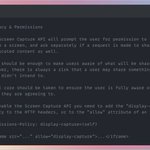
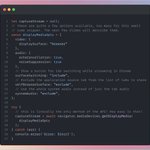
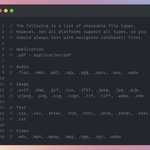
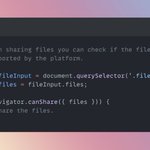
Did you know that your browser can use Bluetooth, the local file system, the native payments system, and even package your website as an app for use on a phone?
These are web capabilities, the APIs I listed are just a fraction of what’s available.
Project fugu, launched 4 years ago by the Chromium contributors, has been bridging the gap between web and native. As a developer, imagine being able to do on the web, anything that a native app can do.
There are some cool things already built using capabilities. Adobe launched photoshop for web, GitHub launched a lightweight code editor, and Figma already makes use of many capabilities.
You can checkout more at developer.chrome.com/capabil… and checkout the app showcase at developer.chrome.com/fugu-sh…
I can’t tell you the number of times I’ve been giving an interview, and I see the look of surprise that comes over someone's face after they write some code, and I ask “How can we make this more accessible?”.
3. Learn CSS and JavaScript accessibility best practices
developer.mozilla.org/en-US/…
4. Modern OS' and browsers have a built-in screen reader that you can use to test the accessibility of your website. A screen reader reads out a webpage while the user navigates. It is a common assistive device for people with vision and mobility issues.
codecademy.com/article/how-t…
