

Harnessing the Power of AI and Precision Epigenetics making heart disease prevention and early detection more accessible, personalized and precise.
Chicago
Joined March 2022
- Tweets619
- Following95
- Followers316
- Likes90




Pinned Tweet
What does our testing process look like? Scroll through our thread for a look into our process.
From sample collection to consultation, our tests are designed to simplify heart attack risk assessment and the diagnosis of coronary heart disease (CHD) so that you can take more proactive control of your heart health.
Learn more here: cdio.ai/patients/request-tes…
#LaboratoryWorkflow #ClinicalLaboratory #MachineLearning #PrecisionMedicine

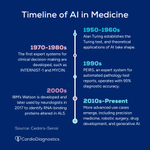
Did you know? AI applications in medicine are less novel than you might think. Theoretical applications began as early as the 1950s, and use cases have since grown more complex, expanding into real-world areas such as surgery, disease diagnosis, and genomic research.
One of the earliest and most widely recognized medical AI expert systems was MYCIN, developed at Stanford University in the mid-1970s to diagnose and treat bacterial infections.
Today, AI-based solutions have surged across healthcare, bringing significant opportunity but also complexity. It's critical that healthcare organizations understand the purpose behind a given AI use case before adopting it.
Cardio Diagnostics pioneered the first AI-driven multi-omics engine for precision cardiovascular medicine. Our blood tests combine epigenetics, genetics, and AI to reshape how we assess an individual’s likelihood of having a heart attack or developing coronary heart disease. Learn more about our advanced technology here: cdio.ai/company/technology
#AIHistory #ScienceHistory #HealthTech

We’re looking forward to exhibiting at the @IFEBP's Annual Employee Benefits Conference from October 25-28 in New Orleans. We’re excited to connect with benefit professionals and industry leaders to discuss how our solutions can help strengthen benefit strategies and enhance health outcomes for organizations.
Our evidence-based blood tests for the prevention and early detection of coronary heart disease provide employees with a deeper understanding of their heart health. We seamlessly integrate into an organization’s workflow and manage test program logistics end-to-end, from pre-testing education to post-testing support. The results support a healthier, informed workforce equipped with insights to actively take charge of their health, while help organizations reduce total healthcare spend.
Interested in learning more about how our tests can strengthen employee heart health within your organization and help your organization reduce spend? Connect with us at Booth 220 at the conference.
#IFAnnual #EmployeeBenefits

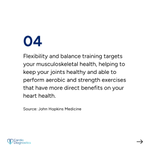
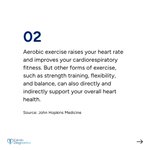
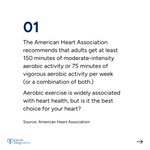
While aerobic exercise is typically associated with heart health, is it the best form of exercise for your heart? Scroll through our thread to learn about how different types of exercise can improve your heart health.
#AerobicExercise #CardiovascularHealth

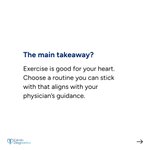
The main takeaway? Exercise is good for your heart. Choose a routine you can stick with that aligns with your physician's guidance.


October is Health Literacy Month, a time to bring focus to the importance of delivering health information in a way that is clear, accessible, and actionable.
Understanding your cardiovascular health is often daunting and time-consuming. According to survey data by @AMNHealthcare, the average wait time for an appointment with a cardiologist was 32.7 days. Additionally, diagnostic tools such as EKGs, stress testing, and/or coronary angiograms often require specialist expertise to interpret.
Epigenetic-genetic testing through PrecisionCHD™ complements traditional strategies for more comprehensive results. Through a simple blood test, PrecisionCHD™ evaluates a patient’s unique biomarkers associated with coronary heart disease (CHD), capturing signals that other diagnostics may miss, such as non-obstructive CHD.
This test is available to patients in a traditional clinical setting or via telemedicine, eliminating wait times and the need for multiple follow-up appointments.
Ready to get more informed about your heart health? Learn about how PrecisionCHD can help detect a signal for CHD: cdio.ai/solutions/precision-…
#HealthLiteracyMonth #DiagnosticTesting #Epigenetics

Can loneliness increase risk for a heart attack?
According to research published in 2022 in the Journal of American Heart Association by Cené et al., social isolation and chronic loneliness can increase the risk of a heart attack or stroke by 30%.
Social isolation and loneliness can trigger stress hormones and inflammation comparable to the impact of smoking.
Among patients with existing coronary heart disease, smaller social networks are associated with recurrent cardiovascular events and mortality.
These findings are particularly impactful for older adults who are more predisposed to developing cardiovascular risk factors (CDC).
The key takeaway? Don’t overlook your social wellbeing when it comes to maintaining your overall heart health.
#SocialHealth #SocialConnection #HeartDisease #HeartHealth


Cardiovascular disease (CVD) is the leading cause of maternal death in the U.S. Cardiovascular conditions accounted for 33 percent of pregnancy-related deaths, according to data from the @CDCgov Pregnancy Mortality Surveillance System.
Improving awareness of the leading causes of maternal death is critical to establish targeted interventions and improve care for women that are pregnant and postpartum.
Scroll through our thread to identify common facts about maternal health and CVD.
#MaternalHealth #CardiovascularDisease

Precision medicine, such as epigenetic-genetic testing for biomarkers that indicate disease, can supplement traditional assessments for coronary heart disease.

Learn how we help fill gaps in cardiovascular risk detection with precision medicine. cdio.ai/patients

The relationship between chronic stress and cardiovascular disease is already well-known, but a recent study showcases how it may even reshape your heart’s structure — years before symptoms occur.
The study by @MRC_LMS and @imperialcollege examined data from 480,000 adults in the UK and showed that people with the highest inflammation levels faced a 43% greater risk of heart attack and stroke.
The study also suggested that chronic inflammation from lifestyle and socioeconomic factors may reshape your heart’s structure years before symptoms appear, meaning the damage from chronic inflammation can unsuspectedly develop into a serious condition over time if left untreated.
However, testing your risk before a serious condition develops is possible with precision medicine.
Learn more about the relationship between chronic stress and heart disease, and how precision medicine can help you take a more proactive approach to monitoring risk from chronic stress: cdio.ai/articles/understandi…
#ChronicStress #HeartDisease #PrecisionMedicine
