


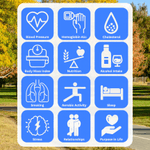



Your 30s are a powerful time for prevention.
Small, consistent habits today can help protect long-term brain health...
heyor.ca/DdZ457
#BrainCareScore
The Brain Care Score reflects a set of evidence-based factors, including blood pressure, physical activity, sleep, stress, and social connection, that together influence long-term brain health.
globalbraincare.org/
#BrainCareScore

Brain health is a public health issue, not just an individual one. 🧠
Global Brain Care Coalition fits into broader global public health strategy by focusing on prevention and equity.
globalbraincare.org/
#GlobalBrainCareCoalition
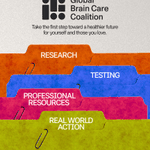
Our approach to brain care combines thoughtful testing, real-world data, and continuous optimization, all guided by the best available minds in the field.
It’s how science becomes action, and how prevention becomes possible at scale.
globalbraincare.org/
#BrainCareScore

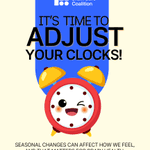
Don't forget to set your clocks forward tonight! As the days get longer, many people notice shifts in mood, energy, and sleep. ⏰
Small adjustments can help support both mood and long-term brain health.
globalbraincare.org/
#BrainCareScore

The future of brain care starts with prevention.
The Brain Care Score helps turn science into practical steps you can take today to protect long-term brain health.
🔗 globalbraincare.org/

What we do every day matters for our brains.
Research continues to show that lifestyle choices play a meaningful role in protecting brain health as we age.
#BrainCare #HealthyAging

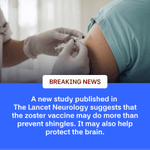
A new study in The Lancet Neurology suggests the zoster vaccine may do more than prevent shingles, it may also help protect the brain.
Is the answer definitive? Not yet.
Is it moving closer to yes? Absolutely.
🔗 heyor.ca/IO5r6z

A new analysis from colleagues at Oregon Health & Science University, Johns Hopkins, Harvard & Mass General Brigham highlights a major shift in primary care.
Between 2018 and 2023, concierge and direct primary care practices grew by 83%.
hms.harvard.edu/news/how-muc…

Nicotine is not just a lung issue. It’s a brain and vascular health issue, no matter how it’s delivered. That’s why tobacco and nicotine exposure are included as key modifiable risk factors in the Brain Care Score. Read more: heyor.ca/z68lZX

Vascular health matters even when genetics don’t cooperate. Dr. Adam de Havenon, a leader in GBCC’s Data Science Platform and senior author on this research, explains how data-driven insights can translate into practical steps people can take every day: heyor.ca/7r990l

In this podcast conversation with Constantly Varied Gear, Dr. Jonathan Rosand explains how simple lifestyle changes can meaningfully reduce the risk of dementia, stroke, and depression. Listen here: constantlyvariedgear.com/pag…

A new Harvard Gazette article reminds us that lifestyle really matters. Dr. Sanjula Singh and her postdoctoral fellow Evy Martina Reinders helped to develop a quiz based on research that went into the Brain Care Score. Read more here: heyor.ca/3Qg3vE

Costa Rica’s approach to community-based, preventive care stands out as a remarkable model. Researchers at Johns Hopkins University School of Nursing are bringing that same spirit of neighborhood-level engagement to Baltimore: heyor.ca/fzZSrZ
Long COVID continues to plague countless family, friends, neighbors and fellow citizens. There is still much more to learn. Here are encouraging discoveries that clearly advance us toward the development of an effective treatment: news.harvard.edu/gazette/sto…

For many people, brain disease feels inevitable. Dr. Rosand joined the Thick Thighs Save Lives podcast to explain that we all have a lot more agency than we think. Listen to the episode and discover a more hopeful, human approach to brain health: heyor.ca/nKdWts
More than half of Americans experience a disorder that impacts nervous system health, and many don't even realize it. Learn more in this interview with John Ney, assistant professor of neurology at Yale School of Medicine: news.yale.edu/2025/12/09/mas…

📢 New research from our team at the Brain Care labs, @MassGenBrigham and @Harvard reveals that individuals who consume 3+ alcoholic drinks per day were more likely to suffer earlier and more severe bleeding strokes. Learn more: news.harvard.edu/gazette/sto…

Dr. Jonathan Rosand recently joined the No Brain Behind to discuss brain health and prevention alongside co-guest Dr. Helena Lavretsky. If you’re interested in where the future of brain health is heading, this conversation is a must-listen. Listen here: spreaker.com/episode/rethink…

Exciting news: Yale has launched a groundbreaking center led by Dr. Miia Kivipelto, whose work has transformed our understanding of dementia prevention. The center will focus on healthy aging, modifiable risk factors, and staying cognitively resilient:
news.yale.edu/2025/10/28/bey…
