
Building https://xitter.cf/t.co/kFNJKcLLwH, Founder @ManaflowAI (YC S24) | Prev @Yale @NASA @Chesscom
Joined August 2021
- Tweets686
- Following1.4K
- Followers2.8K
- Likes2.8K






Austin Wang retweeted

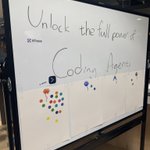
What a night! Just finished my own #SFTechWeek panel event and it went amazing!
So many people came and some are even CEO of IPO companies or engineering managers who flied all the way from Asia or Europe to learn the trend of coding agent best practices.


Austin Wang retweeted

I shared how I use cmux today (ssh + local work) and why I don't use herdr right now (because of a silly habit I have)


Austin Wang retweeted

We just raised an $8M seed round to kill AWS, GCP, and Azure.
Introducing instacloud.com, the agent-native serverless cloud.
Your team is shipping code like never before. But you're getting caught up in manual, tedious DevOps work trying to deploy it.
InstaCloud provides the serverless compute that lets your services autoscale, with all the infrastructure managed for you.
Agents branch into complete replica environments when working, keeping prod safe and iteration speed high.
And of course, it all works seamlessly with agents through MCP/CLI.
Get off the traditional, legacy cloud.
Start deploying your services on InstaCloud today.
Austin Wang retweeted

Introducing Kestroll: your AI video editor
What can it do?
- Stylize and caption your clips for socials
- Sync and cut multi-cam recordings
- Clip viral shorts for social media
- Build creative rough cuts for polish in Resolve and Premiere
- Organize and analyze your footage for trends
Try it out for free at: kestroll.com/
Tencent AI uses cmux!

We open sourced BrowserSkill, a bridge between your agent and your actual browser.
most tools give the agent a blank browser. We let it borrow a tab from yours, then hand it back.
> login state is already there, it just works where you're signed in
> captchas and confirmation dialogs come back to you, then it continues
> it's a CLI, not an MCP server => any agent that can run a shell can use it, and you see every call it makes
one thing that's easy to miss: the agent asks before borrowing a tab, and that switch lives in your browser settings, not in a flag, so it can't be talked around.
one line to install, works with Cursor, Claude Code, Codex, Hermes, Openclaw, CodeBuddy, WorkBuddy. Everything runs locally, MIT.
github.com/Tencent/BrowserSk…

Austin Wang retweeted

i tried to resist terminal coding for a long time
but tried this cmux + codex for the last few days and i love it!
now i understand what "terminal built for coding agents" means
and it has 27k stars on github you know 🤷♂️
ps resisted just because i liked the UI

Austin Wang retweeted

cmux spotted in the wild!

We open sourced BrowserSkill, a bridge between your agent and your actual browser.
most tools give the agent a blank browser. We let it borrow a tab from yours, then hand it back.
> login state is already there, it just works where you're signed in
> captchas and confirmation dialogs come back to you, then it continues
> it's a CLI, not an MCP server => any agent that can run a shell can use it, and you see every call it makes
one thing that's easy to miss: the agent asks before borrowing a tab, and that switch lives in your browser settings, not in a flag, so it can't be talked around.
one line to install, works with Cursor, Claude Code, Codex, Hermes, Openclaw, CodeBuddy, WorkBuddy. Everything runs locally, MIT.
github.com/Tencent/BrowserSk…


cmux is coming to stanford!

I’m excited to finally announce the newest edition my Stanford course 𝗧𝗵𝗲 𝗠𝗼𝗱𝗲𝗿𝗻 𝗦𝗼𝗳𝘁𝘄𝗮𝗿𝗲 𝗗𝗲𝘃𝗲𝗹𝗼𝗽𝗲𝗿. It has been 9 months in the making.
Last November, with the release of Claude Opus 4.5, coding agents experienced a step function improvement in capability. We all felt it. The LLMs were more powerful, could reason for longer, solve harder tasks.
This year’s iteration of my course reflects the 2026 metamorphosis of software engineering.
My core belief is simple: AI-native developers of the LLM era are going to become the most important members of any software organization. I have designed my course to train this next generation of engineers.
𝗪𝗵𝗮𝘁’𝘀 𝗱𝗶𝗳𝗳𝗲𝗿𝗲𝗻𝘁 𝘁𝗵𝗶𝘀 𝘁𝗶𝗺𝗲 𝗮𝗿𝗼𝘂𝗻𝗱
First, 85% of my Fall 2025 class material is being thrown out. The Fall 2026 syllabus reflects the core capabilities AI-native engineers must have: agent skills, advanced context engineering, MCP portals, agent-ready codebase principles, agentic code review, security, parallelizing background agents, software factories, and more.
Second, I am going to teach my students how to have software taste. Every student will be required to ship pull requests to production-grade, real-world codebases. The course is collaborating with the top open-source AI repos who will offer support and mentorship to students on how to meaningfully contribute to their projects.
This has never been done before in any university course so I am incredibly grateful to our OSS Partners: @browserbase, @HeyGen, @CopilotKit, @semgrep, @OpenHandsDev, @milvusio, @marimo_io, Pi, @crewAIInc, @warpdotdev, @vercel, @cmux, @arizeai, @UnslothAI, and @anyscalecompute.
𝗪𝗵𝗮𝘁’𝘀 𝘀𝘁𝗮𝘆𝗶𝗻𝗴 𝘁𝗵𝗲 𝘀𝗮𝗺𝗲
I’m fortunate to again have AI software engineering leaders and founders as guest speakers to share their learnings from building top coding agent products. Thank you to @leerob from @cursor_ai, @bcherny of @claudeai code, @EnoReyes of @FactoryAI, @silasalberti of @cognition, @0xine of @semgrep, Rajesh Bhatia of @Cloudflare , @amasad of @Replit, and @eladgil.
All resources will be available online. All classes will be available to the public.
9/22 on Stanford campus. See you in class.
themodernsoftware.dev/

Austin Wang retweeted

I’m excited to finally announce the newest edition my Stanford course 𝗧𝗵𝗲 𝗠𝗼𝗱𝗲𝗿𝗻 𝗦𝗼𝗳𝘁𝘄𝗮𝗿𝗲 𝗗𝗲𝘃𝗲𝗹𝗼𝗽𝗲𝗿. It has been 9 months in the making.
Last November, with the release of Claude Opus 4.5, coding agents experienced a step function improvement in capability. We all felt it. The LLMs were more powerful, could reason for longer, solve harder tasks.
This year’s iteration of my course reflects the 2026 metamorphosis of software engineering.
My core belief is simple: AI-native developers of the LLM era are going to become the most important members of any software organization. I have designed my course to train this next generation of engineers.
𝗪𝗵𝗮𝘁’𝘀 𝗱𝗶𝗳𝗳𝗲𝗿𝗲𝗻𝘁 𝘁𝗵𝗶𝘀 𝘁𝗶𝗺𝗲 𝗮𝗿𝗼𝘂𝗻𝗱
First, 85% of my Fall 2025 class material is being thrown out. The Fall 2026 syllabus reflects the core capabilities AI-native engineers must have: agent skills, advanced context engineering, MCP portals, agent-ready codebase principles, agentic code review, security, parallelizing background agents, software factories, and more.
Second, I am going to teach my students how to have software taste. Every student will be required to ship pull requests to production-grade, real-world codebases. The course is collaborating with the top open-source AI repos who will offer support and mentorship to students on how to meaningfully contribute to their projects.
This has never been done before in any university course so I am incredibly grateful to our OSS Partners: @browserbase, @HeyGen, @CopilotKit, @semgrep, @OpenHandsDev, @milvusio, @marimo_io, Pi, @crewAIInc, @warpdotdev, @vercel, @cmux, @arizeai, @UnslothAI, and @anyscalecompute.
𝗪𝗵𝗮𝘁’𝘀 𝘀𝘁𝗮𝘆𝗶𝗻𝗴 𝘁𝗵𝗲 𝘀𝗮𝗺𝗲
I’m fortunate to again have AI software engineering leaders and founders as guest speakers to share their learnings from building top coding agent products. Thank you to @leerob from @cursor_ai, @bcherny of @claudeai code, @EnoReyes of @FactoryAI, @silasalberti of @cognition, @0xine of @semgrep, Rajesh Bhatia of @Cloudflare , @amasad of @Replit, and @eladgil.
All resources will be available online. All classes will be available to the public.
9/22 on Stanford campus. See you in class.
themodernsoftware.dev/


Austin Wang retweeted
Recently I started to use cmux group workspaces as an orchestrator agent for all the agents/terminals inside the group.
The top level agent uses the cmux cli to communicate via read-text and send-text, and I can also right click any terminal/workspace to copy the surface link (looks like cmux://workspace/9DF6A2C5-F932-412F-A987-71EF43CFE4C3/surface/9EAE9C43-16A9-4822-96A5-74623568BE42) to identify the exact terminal.
This is a pretty primitive but useful form of cross-agent communication in cmux!

Austin Wang retweeted

The hard part of building an agent is making it work reliably
On OpenComputer every time you make a change to agent files (prompt, skills, connections), a new deployment is created - which you can roll back if needed
-> app.opencomputer.dev