

I Am a Rabbi Who Works to Connect the Abrahamic Family | Managing Director - @interfaith_jic
Israel
Joined September 2010
- Tweets845
- Following256
- Followers261
- Likes718






Where does the word "hamas" first appear in the Torah? In Parashat Noach, as the reason God brings the Flood: "the earth was filled with hamas" (Genesis 6:11).
I want to be precise here, because the word matters.
This is not the modern Arabic Hamas (حماس), the acronym for the Islamic Resistance Movement, which also happens to mean "enthusiasm" or "zeal" in everyday Arabic. It is a different word altogether, and Rabbi Saadia Gaon's translation shows us exactly what it meant.
Saadia could have reached for an Arabic word that merely echoed the Hebrew sound. He did not.
He translated hamas as "zulman" (ظُلْمًا), from the root ẓ-l-m, injustice and wrongdoing, the very root behind the Quran's recurring phrase for wrongdoers, "al-zalimun."
That choice is the insight.
The hamas that doomed Noah's generation was not physical violence in the narrow sense but the collapse of justice between people, exploitation and harm that corrupted the relationships people owed each other. For Saadia's own Arabic-speaking Jewish readers, living inside that Islamic linguistic world, the word would have landed with real moral force.
Credit where it belongs: none of this would exist without Rabbi Yom Tov Gindi of Kfar Chabad, who brought Saadia's Tafsir back into print in Arabic script.

A Buddhist monk opened the gathering.
Imams, pastors, and faith leaders from across Asia and Africa filled the rest of the chairs.
This week I was in Bangkok for the PaRD Annual Forum, representing the Jerusalem Interfaith Center among religious leaders from all faiths in one room.
Like everyone dressed, I showed up in my identity. I proudly wore a kippah and tzitzit, because interfaith work only means something if you show up as who you actually are and trust the room to hold it. Over three days we tackled hard, practical questions about how religious communities build real partnerships on development, past the stage of simply discussing it.
What stayed with me is how quickly it stopped feeling remarkable. By day two, nobody blinked at a rabbi questioning ideas with an imam and a monk in the same breath. That is the actual work in this field.
It is the quiet and patient process of making difference feel ordinary.

Starting something new alongside our Quran series: a weekly look at the Torah through Rabbi Saadia Gaon's medieval Arabic translation, the Tafsir.
Week one, Parshat Beresheet, as is the reading this week. Genesis 2:15 says humanity was placed in Eden le'ovdah u'leshomrah, to work it and to preserve it. Everyone quotes the "preserve" half.
Saadia's Arabic made me notice the "work" half, translated with the root behind fallah, farmer.
Not passive guardianship, not unlimited exploitation either, both jobs, together.
New verse every week. Shabbat Shalom.

Three years ago today.
October 7 took Jews, Muslims, Christians, Druze, Bedouin citizens, and foreign workers from dozens of countries. Grief that morning did not stop at any one community's door. In the time since, I've served my country as well and I'm honored to, every single time I'm called.
That's not the point of today, though.
Today is beyond service and rather about remembering what was taken on one morning, honestly, and carrying that memory into our work of rebuilding trust between the faith communities that call this land home.

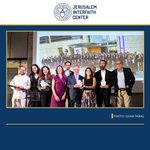
Rabbi @yakovnagen and I were honored last week at the Ambassadors' Club of Israel's event marking six years of the Abraham Accords, alongside the ViaCity team, the Israel-Morocco Chamber of Commerce, WeAreMENA, and Women Champions For Change.
Agreements get signed by governments.
They get sustained by people who keep showing up long after the signing ceremony is forgotten.
That's the work we do and we are grateful for the recognition.
Now, back to it!
Read more here from @Jerusalem_Post: jpost.com/middle-east/abraha…

A Persian king once helped end our exile.
A few weeks ago, I sat in a room where that debt started running the other way.
We hosted a very special delegation with Iranian opposition leaders. It was not hasbara, nor PR dressed up as diplomacy, but ratherreal work on how Jewish and Zionist experience becomes useful to people rebuilding a nation from the outside. One idea kept surfacing: Cyrus, remembered by many Iranians as a founding father, helped end our exile 2,500 years ago. Today the roles are reversed, and I don't think it's an accident that we're the ones positioned to help now.
Rabbi Shlomo Dov Rosen closed it better than I could in that after so many years, may you find your way back to the place that's rightfully yours, and build it on the values you already had.
Cyrus Cylinder, 539 BCE. A Jewish queen ruling Persia.
Rev. @Foad_Khorshidi put both next to today's Iranian-Israeli relationship and called it an old covenant, not a new strategy. He's asking for a Purim 2.0.
Our sages say Purim alone will never be nullified, even when every other holiday is. The Arizal, building on the Tikkunei Zohar, reads Yom Kippur into that same picture too, its own name, Yom Kippurim, meaning a day like Purim. If that pairing is what outlasts history, it says something about where history is actually headed.
And for now, gmar hatimah tova!
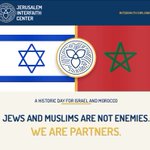
Morocco and Israel agreed today to upgrade diplomatic relations. Full embassies, ambassadors, expanded flights, the real thing.
A historic day, and proof of what I believe: Jews and Muslims are partners. Extremists who use religion to incite chaos are the problem.
Days like this are what happens when religion becomes the solution instead.
Thanks to leaders like FM @gidonsaar, FM Nasser Bourita @Marocdiplo_EN, and @USAmbUN @michaelgwaltz for their courage and willingness to create a long-lasting peace. 🇮🇱🇲🇦

Standing inside the UAE's Presidential Palace, I kept thinking about a line from Rabbi Nachman of Breslov: since the Temple fell, our grace scattered among the nations.
Some read that as something to take back one day, leaving everyone else with nothing.
I don't read it that way.
Grace is spiritual, not physical, and spiritual light doesn't divide when you share it, it multiplies. Standing in that room, that is exactly what I saw.
כמה ימים לפני ראש השנה ישבתי עם יוסף אלהואשלה, מייסד סניף התנועה האברהמית בחברה הבדואית בנגב, ודיברתי איתו על מילה אחת: גר.
התורה חוזרת על המצווה לאהוב את הגר שלושים ושש פעמים, יותר מכל מצווה אחרת. זה לא מי שהתגייר אלא זה מישהו שנשאר בדיוק מי שהוא, עם כל האמונות שלו, והתורה עדיין מצווה עלינו לאהוב אותו, באמת.
זה הבסיס האמיתי לבניית קשרים אברהמיים. קוראים את הטקסט בכנות, בתורה, בקוראן, או בברית החדשה, והדת מפסיקה להיות הבעיה והופכת לפתרון.
שנה טובה ומתוקה לחברים ולשותפים הבדואים שלנו.
During this month's Iranian opposition delegation to Israel, I got real time with @foad_khorshidi, a pastor and longtime voice for Iranian Christians abroad, and one of the steadiest partners this center has had, and one of Israel's most consistent friends inside the Iranian diaspora.
People often assume Iranian civil society and Israel have no real ground to build on together.
Fuad has spent years showing that assumption wrong, long before it was an easy thing to say out loud.
Grateful for these conversations, and for people willing to have them in public.

New episode of People of the Book.
Surah Al-Baqarah, verses 11 and 12.
The Quran describes people told not to spread corruption in the land, who answer, "We are only reformers."
Verse 12 is the punch as they are the ACTUAL corrupters, and they do not even realize it.
I found the same idea sitting in Parshat Noach, where the earth is called corrupt right before the flood. Self-awareness turns out to be the real spiritual work, in both traditions.
What happens when a small team spends a year finding out who our real allies actually are?
Seven researchers, over 100 field interviews, one 350-page report on who's actually standing with the Jewish people and Israel right now. The surprise is that it is rarely the state itself. Most often the support comes from sub-state communities, sometimes in direct tension with their own government's official line, like South Africa, where public sentiment tells a very different story than the government does.
I sat down with @eveharow on Rejuvenation to talk through it.
Antisemitism is one tool among several being used to generate chaos, and the people working against it are not only Jews.
Full episode -> open.spotify.com/episode/0eA…
Did you know @TuckerCarlson says Israelis find the cross so offensive we won't even use a plus sign in math class?
I have a PhD.
I have never once heard this.
So I got on my bike and rode the Gospel Trail, the pilgrimage path our own government helped build so Christians could walk where Jesus walked. That is not a country at war with the cross.
Come see for yourself, Tucker. Better yet, help build the bridge instead of the story that burns it.
Watch the full response.
Sixty years ago this year, Nostra Aetate changed Jewish-Catholic relations permanently. In June, in Abu Dhabi, on a panel at the IDCT conference, we asked out loud whether Jews and Muslims can do something similar and made a declaration as such.
I sat on this panel with Majid Al Sarrah of the Government of Dubai and Qadi Iyad Zahalka of the Sharia Court of Appeals, as part of promoting Jewish-Muslim reconciliation.
While reaching for a new chapter of our relationship, we focused on an old one: the Constitution of Medina, the seventh-century pact that bound Muslim and Jewish tribes into one civic community, and asked what it would mean to draw on that same well today.
We were careful not to overpromise.
This endeavor is important and it is fraught with complexity, the kind that gets debated in global forums without much to show for it. We do not presume to have solved that in one afternoon on a stage in Abu Dhabi. What we do have is a shared commitment: to deepen religious fraternity between our communities, built by people willing to sit on the same stage and say so in public.
Nostra Aetate took years of relationships before it took the form of a document.
This is what that looks like in its early years.
הגישה הרווחת להתמודדות עם האנטישמיות, המתמקדת בעיקר ביריבים, היא אסטרטגיה חלקית ולעיתים קרובות גם לא אפקטיבית.
בדו"ח המחקר החדש שלנו, “בעלי הברית של העם היהודי – מיפוי אסטרטגי גלובלי והמלצות מדיניות”, אנחנו מציעים אסטרטגיה משלימה: למפות, לחזק ולהשקיע בבעלי ברית ברחבי העולם. הטענה שלנו היא שעל מנת לבנות בריתות באופן שיטתי בצורה אפקטיבית, אנו זקוקים לנתונים מהשטח (אנחנו מודעים היטב גם לכשלונות עבר ואכזבות בתחום, ומאמינים שהמידע שיש לנו כעת מאפשר לתת מענה יעיל יותר להמשך).
הדו"ח, בשיתוף משרד החוץ, מבוסס על יותר מ־100 ראיונות עומק עם מנהיגים של קהילות פרו־יהודיות, פרו־ישראליות ופרו־מערביות ברחבי העולם, ומציג – על פני כ-330 עמודים - מסגרת מעשית של השפעה מול השקעה, שמטרתה לסייע בתיעדוף הפעילות במקום שבו יכולה להיות לה ההשפעה האסטרטגית הגדולה ביותר.
עוד נקודה חשובה היא שמדובר במאבק משותף להגנה על הציוויליזציה שלנו מפני הנסיונות של הברית האדומה-ירוקה לפרק אותה (הברית בין הניאו-מרקסיזם הרדיקלי לאסלאם הפוליטי). במובן זה, אף קבוצה של בעלי ברית לא "עושה לנו טובה", אלא מדובר באינטרס משותף.
אוסיף ואומר שרשת הקשרים שבנינו רחבה הרבה יותר מהעולם הנוצרי-יהודי שבו נעשתה עבודה מסויימת (אם כי גם שם יש עוד המון לאיפה להתקדם). היא כוללת מאות ארגונים ומנהיגים בעולם המוסלמי המתון, הינדואים, קבוצות באפריקה, מנהיגים באמריקה הלטינית, האופוזיציה האיראנית, מיעוטים במזרח התיכון ועוד. קבוצות שנכון להיום אין מולן כמעט שום עשייה משמעותית מצד ישראל והעולם היהודי.
שמחתי להתראיין על כך בפודקאסט המצויין "מה החזון שלך?" אצל ידידי Nikolay Tabah, PhD.
קישור בתגובה הראשונה

What have we at @interfaith_jic been up to?
We were privileged to host a delegation of Iranian opposition figures this week, convened with the Abrahamic Movement, the Cyrus Fund, and Project Aftab and around the idea of Iranian Zionism, adapting the Zionist institution-building playbook to Iran's opposition movement.
Full article -> i24news.tv/en/news/israel/di…
@1aftabofficial @tomweg @i24news_en

מה קורה כשמנסים לפתור את הסכסוך במזרח התיכון בלי להציב את הדת כחלק מהמשוואה?
מה איראן מנסה להשיג כשהיא משתמשת בסכסוך הישראלי־פלסטיני ובירושלים?
איך סכסוך מקומי יכול להפוך, באמצעות הדת, למלחמת דת עולמית?
והאם דווקא הדת, שנתפסת לא פעם כמקור הסכסוך, יכולה להיות המפתח לפתרון?
אני עוסק לעומק בשאלות האלו בשנים האחרונות והיה לי העונג לשוחח עליהן עם אודי גורן ומנחם קלמנזון בפודקאסט "אי אמון" שעלה גם בגלי צה"ל.
שוחחנו על הדת ככח לעיצוב תהליכים פוליטיים וחברתיים באזור ועל הטענה שלי שלא ניתן להגיע לפתרון בלי לעבור דרך המימד הדתי.
כבר ראינו בעבר שהניסיון להשאיר את אנשי הדת מחוץ לשולחן המשא ומתן הוא טעות קטסטרופלית. האם הצלחתי לשכנע שלא כדאי לחזור עליה שוב?
הקישור פה, אשמח לשמוע מה דעתכם:
open.spotify.com/episode/4Hc…