

Building AgentRT — persistent runtime infrastructure for coding agents. Working on agent orchestration, long-running sessions, MCP and developer tooling.
Joined March 2026
- Tweets83
- Following113
- Followers70
- Likes75


Pinned Tweet
I think we’re using Claude Code backwards.
The smartest model in the system shouldn’t spend its time reading logs, waiting for tests, retrying commands, and babysitting shell processes.
It should run the system that does those things.
That’s what I’m building with AgentRT.
Claude / Codex become the control plane:
→ understand the goal
→ decompose the work
→ dispatch persistent agents
→ leave
→ return when judgment is needed
→ review evidence
→ decide the next move
AgentRT handles the execution layer underneath:
persistent sessions, parallel workers, forks, artifacts, permissions, lifecycle, results.
The long-term target is deliberately aggressive:
10,000× more execution leverage.
99% less premium-model attention wasted on plumbing.
Not by making Claude smarter.
By finally giving it the job it should have had from the start:
orchestrate, review, decide.
I wrote down the full thesis here ↓

finally cleared a tiny bug that had been sitting in my notes all morning.
four lines changed. most of the work was figuring out which four.
apparently once you give an agent a goal
everything reachable becomes a tool
task completed
root cause: task completed

spent the afternoon reviewing code an agent wrote in ten minutes.
most of it was fine.
the remaining 5% somehow required knowing what the client meant three meetings ago.
sent an estimate before lunch.
client replied “looks good” and then added four things that were apparently always part of it.
updated the estimate. lunch became coffee.
client asked for a “small revision” this morning.
opened the figma. opened the repo. opened the original brief.
three different products.
spent 40 minutes debugging a deployment that was working perfectly.
the browser tab was pointed at the old server.
freelancing keeps you humble in very specific ways.
Anh Nguyen retweeted
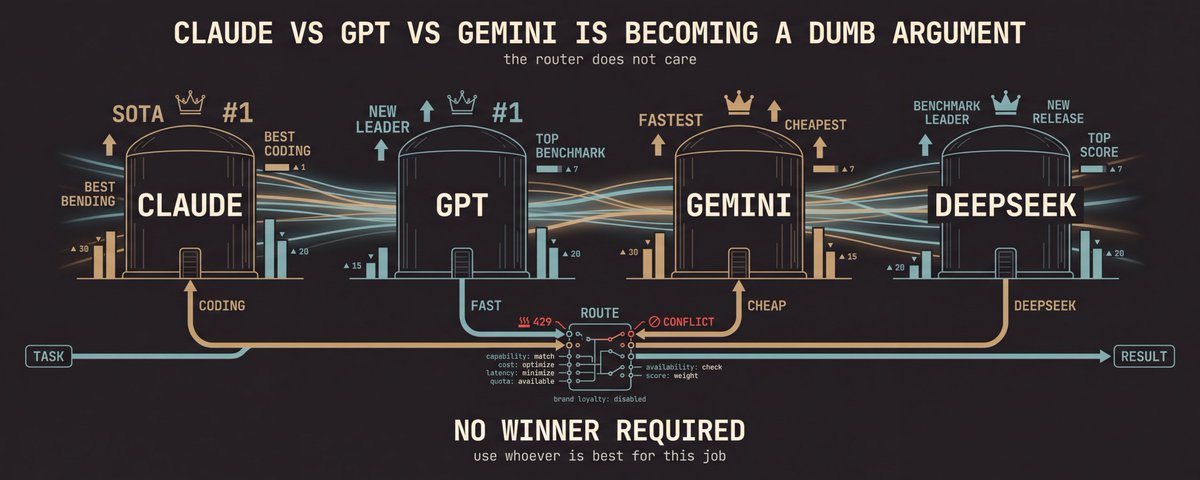
claude vs gpt vs gemini is slowly becoming the dumbest argument in AI.
the router doesn’t care who wins.
it just wants the cheapest model that won’t fuck up this particular job.
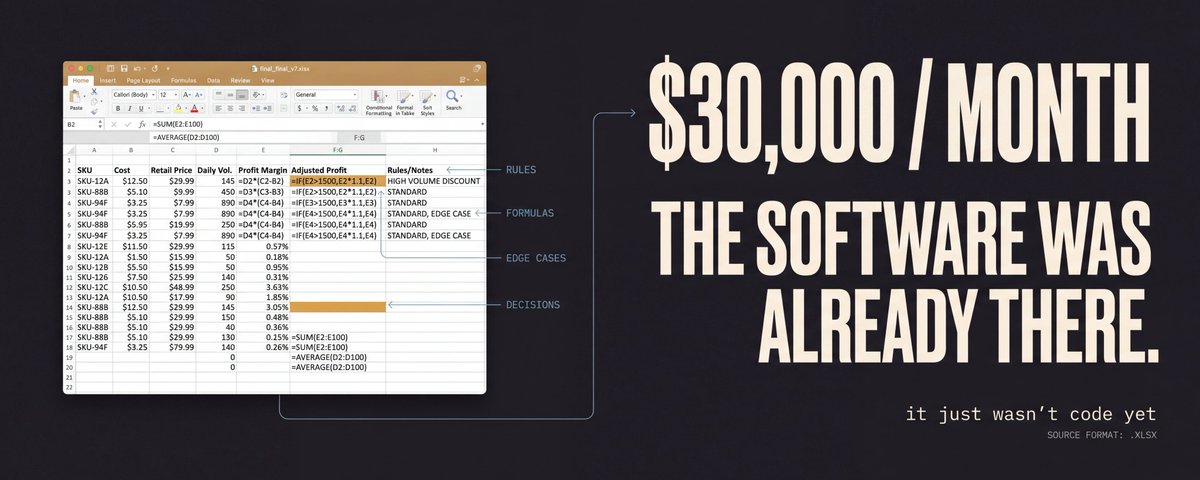
a $30k/month SaaS was already built.
it just looked like a spreadsheet.
years of client work → formulas → edge cases → Cursor → software.
AI didn't invent the product.
it made the translation layer cheap.
the next valuable codebase might end in .xlsx
local AI used to mean:
small model
quantized
one machine
privacy
now it can mean:
distributed inference
multi-agent serving
four-node clusters
1T parameters
localhost is getting ambitious.
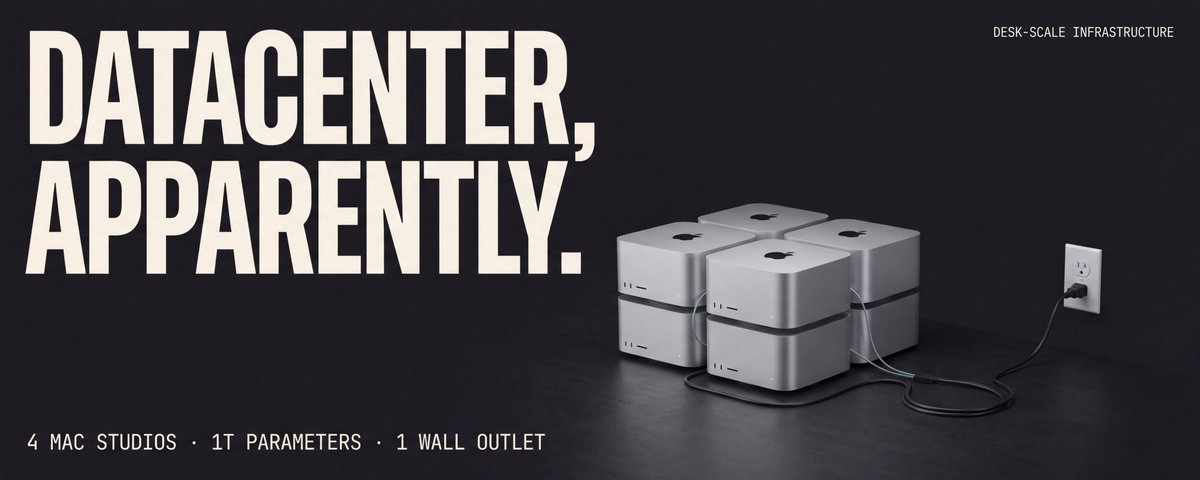
AI infrastructure used to require a building.
Apple just ran a 1T-parameter model across four Mac Studios from one wall outlet.
the rack didn't disappear.
it got domesticated.
wrote about why “local AI” suddenly means something very different.
Anh Nguyen retweeted

We want the OpenAI API to feature the best model at every price point and to be the best at every modality (text, code, image, video, etc).
And then we want you all to come up with great ideas and build them and to get to be happy users. The best ideas will come from you all.
AI coding agent permissions in 2026:
read repo ✓
edit repo ✓
run shell ✓
read git history ✓
upload 313MB of your workspace to the cloud ✓
developer: “why?”
agent: codebase indexing
we gave autocomplete root access and somehow privacy became an implementation detail.

context: a dev caught ZCode packaging the whole workspace — including .git history — into a 313MB archive during “indexing.”
42,411 files.
564 upload attempts.
Z.ai says they removed the upload path in v3.14.0 and open-sourced the client.
“index codebase” is doing a lot of work there.
civic with laptop evolved into
EV with a fucking GPU on the dashboard
same car guy disease.
different bottleneck.

gpt-6:
better at everything
worse at nothing
costs half as much
source: guy selling gpt-6

anthropic just dropped opus 5.5.
stronger on coding, faster, cheaper.
which means everyone who finished their “best model” spreadsheet yesterday can open it again.

