

I study biodiversity, ecosystem evolution and climate change over the earth's geological past to understand an uncertain future.
Los Angeles, CA
Joined September 2015
- Tweets61
- Following322
- Followers48
- Likes103



How Plate Tectonics Transformed Los Angeles youtu.be/xZ4twDqSNaY via @YouTube
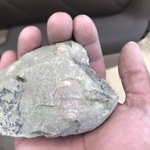
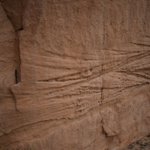
D. Summer fieldwork green river formation (~50 million years old)- 1. Fossil snail 2. Branch structure (?) 3. Root trace 4. Chill view of boars tusk killpecker and sand dunes


The green river formation was deposited in a large shallow lake in what is today Utah, Wyoming. It was host to early mammalian communities that were taking off after the extinction of dinosaurs.
1
A. Summer fieldwork. 1. Jacob staffing, 2. Collecting sample 3. Cretaceous clam shells, 4. Inverted rip-up clasts not in place (?)


B. Summer field work Cretaceous- 1. Theropod tooth 2. dinosaur bone 3. Angiosperm leaf 4. Coquina bed


C. Summer fieldwork 1. Permian eolian Weber sandstone with trough cross-beds, pen for scale 2. Archaeopteryx fossil Wyoming dinosaur center and dig site 3. Typical weathering out paleosol outcrop John Day fm 4. Rolled up leaf imprint preserved in a lahar deposit John Day fm


Basics of soil science course: udemy.com/course/basics-of-s…
It is detailed enough that I was able to apply concepts learnt from this course to my work on paleosols. Particularly helpful for geologists, ecologists, ag who need an understanding of soils for their work.
Adit Ghosh retweeted

Come work with us! @USC_earth teaches a lot of GE lab classes like Oceanography, climate Change, Earthquakes, Metals Museum Energy, Crises and major labs like Mineralogy. We're hiring an Instructional Laboratory Manager to coordinate and develop labs
g.co/kgs/RZdB2p
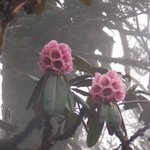
I finally got around to writing a memoir about my time in the Kanchendzonga Himalayas (HMI base camp), back in the summer of 2019. The drama of colliding continents, haunted cloud forests, and charging yaks continues to beautifully haunt me.
geoecology.wixsite.com/aditg…


Earth was once a planet of the apes—and they set the stage for human evo... youtu.be/_vytO_s_iKg via @YouTube
Adit Ghosh retweeted

"When the light erupted at sunset, I knew I got the shot," writes Your Shot photographer Peter Coskun, who waited several years for the perfect timing to capture this dramatic scene.

Adit Ghosh retweeted
An unexpected rainstorm blessed Your Shot photographer John Seagle with this vibrant double rainbow, captured during a journey through Morocco.

Adit Ghosh retweeted
The soil of the Can Mata landfill holds a wide array of fossils spanning more than a million years of the middle Miocene, from about 12.4 million to 10.7 million years ago. on.natgeo.com/37YalWW