

The African Council of Religious Leaders – Religions for Peace (ACRL–RfP) is the largest and most representative multi-religious interfaith platform in Africa.
Joined March 2016
- Tweets6.8K
- Following3.2K
- Followers3.2K
- Likes9.8K





Pinned Tweet
Together, we are exploring how a shared sacred worldview strengthens peacebuilding, social cohesion, human dignity, & sustainable development across our communities.
This is more than a training. It is an investment in leaders who will equip others to advance SSF.

How can faith leaders help communities prepare for #Ebola?
In South Sudan, RL's & traditional chiefs joined IRCSS’s first #Ebola awareness workshop
From regional dialogue to community action. tinyurl.com/wvm3vsxf
#EbolaPreparedness #FaithAndScience

As Ebola preparedness becomes increasingly important in the region.The Inter-Religious Council of South Sudan has held its first Ebola awareness workshop.
The workshop strengthened community awareness, promoted accurate health information, & reinforced prevention efforts. #Ebola


إنا لله وإنا إليه راجعون
.@acrl_rfp extends its deepest condolences on the passing of Serigne Bou Mouhamed Kounta (Bouh Khalifa), President of the Senegal Inter-Religious Council for Peace (CIRSP).
May Allah grant him Jannatul Firdaus.

Understanding is more important than toleration.”
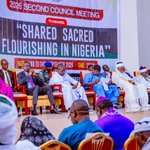
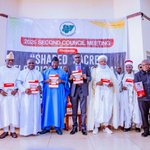
The Nigerian experience of SSF shows how dialogue, trust & sustained interfaith relationships can strengthen peacebuilding & the pursuit of the common good.
Read. Reflect. Watch. 👇
acrl-rfp.org/2026/10/02/shar…

At the heart of the Nigerian experience is a simple idea: flourishing is relational.
Peace within the individual must find expression in how we relate to one another, our communities, the environment, and the wider society.
#DifferentfaithsCommonAction #SSF


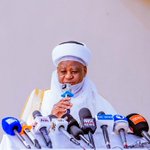
“Let's continue to trust one another. Let's continue to support one another.”
Trust does not emerge from agreement on everything. It grows through relationships, honesty, dialogue & the willingness to keep working together.
His Eminence Muhammad Sa'ad Co-chair @nigeria_council

What happens when interfaith relationships become a sustained foundation for peacebuilding?
In Nigeria, the experience of @nigeria_council offers a reflection on how Christian-Muslim collaboration can contribute to peaceful coexistence, human dignity, and the common good.

African Council of Religious Leaders retweeted

Different faiths. Shared humanity. One hope for peace. In celebration of the International Day of Peace, Religions for Peace SA gathered in uMhlanga for an Interfaith Peace Walk & Prayer, bringing together people across faiths, cultures & generations. @religions4peace @acrl_rfp


Different Faiths—Common Action.
#PeaceDay

This #PeaceDay UNICEF and @acrl_rfp share a special call for peace for children in Sudan.
All children deserve to live in peace and be protected from harm. Read the full statement below. unicef.org/esa/press-release…
@UNICEFSudan

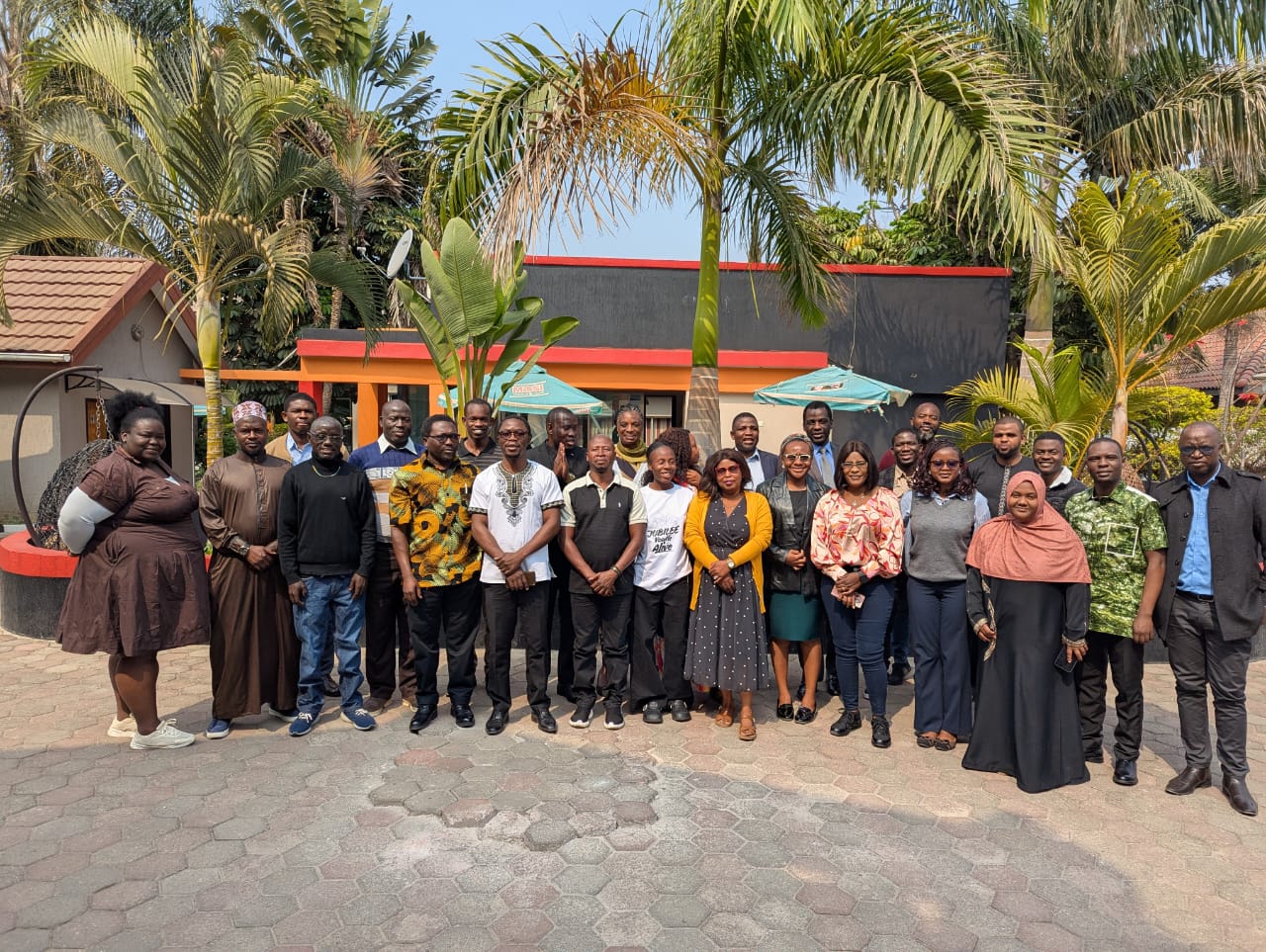
ZINGO’s Zambia story explores how SSF connects interfaith dialogue, relationships, and solidarity to collective action.
The real question is not only what participants learned, but also:
What happens because they were trained?
Read the story:
tinyurl.com/pcc2ff5d

What if preventive peacebuilding begins with changing how we see one another?
“No one came to this training to change their religion. Yet everyone left with a changed way of seeing one another.”
1/2
Mind-Heart Dialogue is about more than sharing information.
It creates safe spaces where people can listen, reflect on lived realities, and have difficult conversations with respect.
1/2


Peace is built through dialogue.
Peace is built through leadership.
Peace is built through inclusion.
Peace is built through mediation.
Peace is built together.
**What does building peace look like where you live?**
#PeaceDay
African Council of Religious Leaders retweeted

This #PeaceDay UNICEF and @acrl_rfp share a special call for peace for children in Sudan.
All children deserve to live in peace and be protected from harm. Read the full statement below. unicef.org/esa/press-release…
@UNICEFSudan
African Council of Religious Leaders retweeted
Across five countries, religious leaders, women of faith and interfaith youth are beginning to explore what that looks like in their own contexts.

African Council of Religious Leaders retweeted
Its strength is not simply in the training room. It is in what participants take back to their communities, networks, and relationships.

Why Shared Sacred Flourishing?
Because sustainable peace requires more than responding after conflict. It requires relationships and solidarity strong enough to help communities navigate differences before they escalate.

Its strength is not simply in the training room. It is in what participants take back to their communities, networks, and relationships.