

22 | California Native 🐻🇺🇸 | @PSUmeteo ‘26 Grad | Seismology and Meteorology Lover | Environmentalist 🌲
CA / PA / SC
Joined April 2019
- Tweets1.4K
- Following464
- Followers623
- Likes38.4K
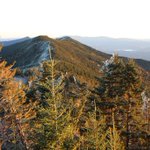
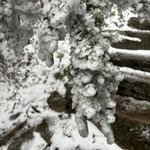




Some of the leftover rime ice and colors from this morning’s sunrise on Mt. Mitchell #NCwx


Nico Wells ⛰️ retweeted

❄️SNOW IN NORTH CAROLINA🗻
Mount Mitchell received the season's first snowfall as a strong cold front brought winter weather to higher elevations of Western North Carolina on Saturday.
Frost and freeze alerts have been issued across portions of the Northeast, Midwest, and Great Lakes as a cold front moves through the region.
Send us your updates and stay weather aware!🚨


Nico Wells ⛰️ retweeted

El miércoles 12 de agosto de 2026 se producirá un raro y transformador ECLIPSE SOLAR TOTAL en Groenlandia, Islandia y España. Yo estaré en España.
En mi vida he perseguido tornados, he estado en el ojo de huracanes importantes y he contemplado espectaculares auroras boreales… pero ninguno rivaliza con la grandeza de un eclipse solar total. Ya he viajado a cuatro.
La escena es alucinante: el día se convierte en noche, aparecen las estrellas y los planetas, la atmósfera del Sol brilla y un amanecer de 360 grados te rodea.
Hasta que no vives la totalidad, es imposible entender lo que significa y por qué personas como yo invertimos tanto tiempo y dinero en viajar para verlo.
Ser bautizado por la sombra de la Luna mientras miras directamente la corona solar es una experiencia que solo disfrutará una fracción infinitesimal, menos del uno por ciento de la población mundial.
La corona, o atmósfera del Sol, es posiblemente la imagen más fantástica que verás jamás. Es un plasma diáfano sobrecalentado a millones de grados que se extiende millones de kilómetros en el espacio. El plasma se contorsiona por el campo magnético solar; durante la totalidad podrás mirarla directamente y ver cómo traza las líneas del campo magnético. Las protuberancias, provocadas por la intensa actividad solar, parecerán picos interestelares, como mechones de cabello que se abren en abanico con el “viento solar”. Este es el único momento en que cualquiera —ya sean aficionados o científicos— puede observar directamente la corona.
La totalidad es una experiencia espiritual. Es una alineación planetaria armónica que parece demasiado perfecta para existir por casualidad: el Sol es 400 veces más grande que la Luna, pero la Luna está 400 veces más cerca. Por algún milagro, una estrecha franja de la Tierra se encuentra en el punto exacto para presenciar cómo la Luna bloquea al Sol durante unos segundos.
Los animales se confunden; antes de la totalidad, la luz se atenúa. Las sombras se oscurecen. Los insectos cantan con fuerza y las aves regresan a sus nidos. El aire se enfría y la brisa cesa. Una presencia ominosa y etérea parece acechar cerca.
Cuando la Luna casi oculta por completo al Sol, los últimos rayos de luz que se cuelan por los valles lunares forman puntitos luminosos conocidos como “Cuentas de Baily”. Un instante después se fusionan en el “anillo de diamante”: un último y ardiente faro de luz. Y entonces llega la totalidad.La totalidad parece un instante eterno. Las reglas del universo parecen cambiar; los observadores son transportados a un espacio liminal al que, de otro modo, nunca podríamos acceder.
Durante un breve momento, los espectadores se convierten en el punto culminante de una alineación perfecta. El sistema solar se despliega ante ellos.
Y luego… se acaba. La vida vuelve a la normalidad. La luz regresa; el bullicio de la naturaleza y de la humanidad vuelve.Veo la totalidad como a un viejo amigo; solo puedo pasar un momento o dos con él cada varios años. Es como una visita de alguien que ya no está.
#España #eclipse2026


Nico Wells ⛰️ retweeted

it’s always “are you autistic” and never “thanks for sharing your cool tornado facts with me even though I didn’t ask”
Nico Wells ⛰️ retweeted

Trump is seeking to pay for his new $1.5 trillion military budget by cutting the following:
$510 million - Grants for farmers and agricultural research
$82 million - Loans for rural small businesses (Fully eliminated)
$61 million - Support for farmers and food markets (Fully eliminated)
$240 million - School meals and food education for children abroad (Fully eliminated)
$659 million - Community building grants
$47 million - Support for minority-owned businesses (Fully eliminated)
$449 million - Economic development grants for communities
$1.6 billion - Weather forecasting, fisheries, and coastal protection (NOAA)
$993 million - Scientific research and technology standards
$150 million - Support for American exports and trade
$2.2 billion - Broadband and internet access programs
$8.5 billion - Funding for public schools
$1.5 billion - Vocational training and adult education (Fully eliminated)
$2.7 billion - College access and higher education support
$15.2 billion - Roads, bridges, and infrastructure projects
$1.1 billion - Home energy efficiency and clean energy programs (Fully eliminated)
$1.1 billion - Scientific research funding
$386 million - Environmental cleanup programs
$150 million - Cutting-edge clean energy research
$4 billion - Help paying home heating and cooling bills for low-income families (Fully eliminated)
$768 million - Refugee resettlement assistance
$819 million - Care and shelter for migrant children
$775 million - Local anti-poverty programs (Fully eliminated)
$5 billion - Public health programs, mental health services, and disease prevention
$5 billion - Medical research (NIH)
$129 million - Healthcare quality and safety research
$356 million - Emergency preparedness and disaster response
$1.3 billion - FEMA community disaster preparedness grants
$707 million - Cybersecurity protection for critical infrastructure
$52 million - Airport and transportation security
$40 million - Protection against chemical and biological weapons threats
$53 million - Funding for homeland security operations
$3.3 billion - Community development block grants for local neighborhoods (Fully eliminated)
$1.3 billion - Affordable housing construction grants (Fully eliminated)
$393 million - Programs to reduce homelessness
$529 million - Housing assistance for people living with HIV/AIDS (Fully eliminated)
$489 million - Housing and services for Native American communities
$50 million - Grants to help communities build more housing (Fully eliminated)
$60 million - Enforcement of fair housing and anti-discrimination laws
$58 million - Homebuyer and renter counseling services (Fully eliminated)
$45 million - Renewable energy development programs (Fully eliminated)
$1.7 billion - Grants for local law enforcement and public safety
$20 million - Civil rights mediation and legal access programs (Fully eliminated)
$1.6 billion - Job training for at-risk youth (Fully eliminated)
$395 million - Jobs program for low-income seniors (Fully eliminated)
$234 million - Worker safety and labor protection programs
$101 million - Enforcement of equal pay and workplace anti-discrimination laws
$46 million - Programs to combat child labor and forced labor abroad
$2 billion - International humanitarian aid
$1.2 billion - Food aid for hungry families abroad (Fully eliminated)
$4.3 billion - Global health and disease prevention programs
$2.7 billion - Funding for the United Nations and international partnerships
$642 million - International economic and treasury programs
$315 million - Democracy and anti-corruption programs abroad
$486 million - Grants for public transit projects
$4.2 billion - Electric vehicle charging infrastructure
$372 million - Airline service for rural and small communities
$145 million - Grants for sustainable and equitable infrastructure
$204 million - Loans and investment for underserved communities
$1.4 billion - IRS taxpayer services and enforcement
$100 million - Air pollution monitoring and reduction programs (Fully eliminated)
$1 billion - EPA grants to states for environmental protection
$2.5 billion - Clean drinking water and wastewater infrastructure funds
$90 million - Grants to reduce diesel pollution (Fully eliminated)
$3.4 billion - NASA space and earth science research
$297 million - NASA technology innovation programs
$1.1 billion - International Space Station operations
$143 million - STEM education programs
$309 million - Small business development and entrepreneurship programs
$170 million - Small Business Administration operations
$158 million - Loans for small businesses


Dense tule fog settled over CA’s Central Valley today, trapping chilly air under a strong inversion. Foothills are climbing into the 60s while the valley sits in the low 40s. KSMF is stuck at 43°F at noon, potentially the coldest Dec. 9 in Sacramento since the 1970s. #CAwx


A beautiful clash of seasons here at Penn State after numerous lake effect snow bands gave us solid accumulations last night. #PAwx

First teens of the season this morning in the Scotia Barrens. This microclimate can be 15-20° colder than Penn State’s campus on peak radiational cooling nights, even though it’s only located 4 miles away. The low at PSU was 36.2°, quite the drastic difference! #PAwx

Nico Wells ⛰️ retweeted

Was hiking a familiar trail near Flagstaff when I came upon a ponderosa that was burning after a lightning strike. I photographed for at least an hour as it calmly burned. I'd contacted the Forest Service and they later came to extinguish it.


Temperatures as low as 27°F in the Scotia Barrens this morning, a unique cold-air microclimate where the limestone and basin-like terrain trap chilly air. Valley fog and scattered frost made for a scenic morning in Central PA. #PAwx


Nico Wells ⛰️ retweeted

Another photo of another large ‘firenado’ from the #DragonBravoFire last night.
Even from 15 miles away, we watched gargantuan flames spin what seemed to be hundreds of feet high in the smoke column. Ash fell like snowfall when I took this shot.
#utwx #azwx
