

I build ideas • I design outcomes • ML - Opinions are mine
Outside
Joined February 2023
- Tweets12.6K
- Following684
- Followers1.2K
- Likes14.6K





Pinned Tweet
I built 𝗩𝗘𝗬𝗥𝗜𝗡,
An AI Research Chamber where market research has to survive its own critics.
Here's why
When Tesla reported 480,126 deliveries for Q2 2026 against an estimate of 406,024, the numbers looked strong.
But does that automatically make the earnings outlook bullish?
What about margins, expectations, and everything the delivery numbers don't tell us?
That's one problem I've noticed with AI-assisted market research. An AI can use real numbers and still reach conclusions that aren't fully supported by the evidence.
𝗦𝗼 𝗜 𝗯𝘂𝗶𝗹𝘁 𝗩𝗘𝗬𝗥𝗜𝗡.
Instead of asking one model for a confident market prediction, I split the research into three specialized roles:
𝗔𝗧𝗟𝗔𝗦 - The Analyst
Builds a market thesis from dated evidence, including company filings, financial reports and available market information.
𝗩𝗘𝗫 - The Challenger
Examines ATLAS's claims, questions assumptions and identifies missing evidence. It can also concede a valid argument.
𝗦𝗘𝗔𝗟 - The Auditor
Reviews both sides and determines which claims are supported, contested or unresolved.
The research is then sealed with a signed record before the historical market outcome is revealed through Bitget.
𝗧𝘄𝗼 𝗿𝗲𝗮𝗹 𝗰𝗮𝘀𝗲𝘀. 𝗧𝘄𝗼 𝗰𝗼𝗺𝗽𝗹𝗲𝘁𝗲𝗱 𝗶𝗻𝘃𝗲𝘀𝘁𝗶𝗴𝗮𝘁𝗶𝗼𝗻𝘀.
I implemented and tested VEYRIN using:
• Tesla Q2 2026 earnings (RTSLAUSDT)
• NVIDIA fiscal Q2 2027 earnings (RNVDAUSDT)
For Tesla, I ran the complete research workflow using Qwen through OpenRouter.
ATLAS produced a mixed thesis. VEX challenged its assumptions. SEAL marked two claims contested and one unresolved.
The signed research receipt passed verification.
𝗕𝗶𝘁𝗴𝗲𝘁 𝗺𝗮𝗿𝗸𝗲𝘁 𝗼𝗯𝘀𝗲𝗿𝘃𝗮𝘁𝗶𝗼𝗻𝘀:
Tesla: 374.55 → 364.70 USDT (−2.6298%)
NVIDIA: 209.63 → 207.262 USDT (−1.1296%)
These are selected historical token-price observations, not strategy returns or proof of prediction accuracy.
The NVIDIA investigation was completed separately using an earlier model configuration.
𝗪𝗵𝗮𝘁 𝗜 𝗳𝗼𝘂𝗻𝗱 𝗺𝗼𝘀𝘁 𝗶𝗻𝘁𝗲𝗿𝗲𝘀𝘁𝗶𝗻𝗴:
Even a model that cites valid sources can interpret them incorrectly.
The Tesla test exposed some of those limitations, which is why improving evidence grounding is part of what I'm building next.
VEYRIN is live, and you can explore it yourself.
𝗟𝗶𝘃𝗲 𝗗𝗲𝗺𝗼 / 𝗥𝗲𝘀𝗲𝗮𝗿𝗰𝗵 𝗖𝗵𝗮𝗺𝗯𝗲𝗿
veyrin-research-chamber.verc…
𝗖𝗼𝗺𝗽𝗹𝗲𝘁𝗲𝗱 𝗧𝗲𝘀𝗹𝗮 + 𝗡𝗩𝗜𝗗𝗜𝗔 𝗥𝗲𝘀𝘂𝗹𝘁𝘀
veyrin-research-chamber.verc…
𝗚𝗶𝘁𝗛𝘂𝗯 / 𝗦𝗼𝘂𝗿𝗰𝗲
github.com/Web3Kyami/Veyrin
My goal with VEYRIN is simple: AI should help traders challenge their reasoning, not just make predictions sound convincing.
Built for the AI Trading Desk track at Bitget AI Base Camp.
#BitgetHackathon @Bitget_AI


#BitgetTurns8. A year ago, UEX was just a concept. Today, it's a cross-asset business clearing $10B+ a day.
Now we're bringing that same conviction to AI — Agentic UEX won't be a concept either.
Agent Hub 2.0 is live — we believe it's the industry's first complete UEX trading infrastructure for AI agents across crypto, tokenized US stocks.
UEX trading, redefined by agents — experience it today:
🛠️ Build & compete: Join Hackathon S2 for a share of the $50,000 USDT prize pool + free Qwen / Kimi K3 credits. 👉 bitget.com/activity-hub/hack…
💬 Start trading: Give your Agent this prompt:
“Please read bitget.com/support/articles/… and complete Bitget Agentic account authorization along with installing the corresponding MCP Skill.”
🎯 Try the experience: Complete the basic Agentic UEX flow, share your feedback, and get a cash reward. 👉 bitget.com/activity-hub/agen…
#8uiltforPerfectTrades #AgenticUEX


Web3Kyami retweeted

“The world doesn’t really need another blockchain just for the sake of it. We are solely built for real-world assets.”
At @TOKEN2049 Singapore, our Co-Founder & COO, Garen Mehrabian (@garensworld), shared a perspective that reflects the philosophy behind everything we are building at Public Masterpiece:
The blockchain industry has spent years pushing the boundaries of scalability, transaction speeds and technological innovation. Yet one fundamental question deserves more attention: How do we bring real-world value on-chain in a way that is secure, verifiable and sustainable?
Tokenizing an asset is only one part of the equation. Establishing its authenticity, verifying its physical existence, documenting ownership, managing associated rights and maintaining trust throughout its lifecycle are equally essential.
This is where the real complexity of Real-World Asset (RWA) adoption begins. And this is precisely why we are building PMT Chain.
Rather than developing another general-purpose blockchain, we are creating a dedicated Layer 1 infrastructure designed around the requirements of real-world assets, from art and collectibles to precious stones, luxury assets and beyond.
Our vision extends far beyond issuing digital tokens. We are building an ecosystem where physical assets can be connected to verifiable digital records, where certification and ownership can be supported by transparent infrastructure, and where institutions, businesses and individuals can interact with real-world value through blockchain technology.
The next phase of blockchain adoption will not be driven by the number of networks launched, but by the problems those networks are capable of solving.
For Public Masterpiece, the mission has always been clear: Technology should serve real-world value, not the other way around.
Singapore was another opportunity to share that vision with an industry increasingly focused on meaningful adoption.
We are not building a blockchain in search of a use case. We are building the infrastructure for a use case that already exists.
#PMTChain #TOKEN2049 #RealWorldAssets #RWA #Tokenization #Blockchain #Web3 #PMT
🤖 Made with AI
Web3Kyami retweeted

Introducing Claude Fable 5.2 and Claude Mythos 5.2, designed to tackle the most daunting technical challenges.
They’re capable collaborators on ambitious projects in many fields, and show improvements in areas like coding, reasoning, and vision.
Web3Kyami retweeted

I have been using Hermes Agent every day since day one, and I think it is finally time for a full review.
As always, this is completely independent. Not paid, not sponsored. The good and the bad, nothing held back.
This review covers what I use Hermes Agent for, why you should consider it, and how it stacks up against OpenClaw, Claude Code, Codex, and Grok Bot.
Hermes has become essential for me. Let me show you why, starting with the first thing most of you asked.
Which models do I use inside Hermes?
The best thing about Hermes is that it is truly model-neutral. It does not degrade the models. Whatever a model can do, you get directly.
I use GLM 5.3 a lot, and for light and medium tasks it is excellent. Sometimes I switch to GPT Sol 6.1, and I have noticed that the best place to run GPT is Hermes, even better than Codex. I have tried a lot of models in Hermes, and they were all excellent.
So use any model that suits you, as long as the plan is generous, and run two or three at once if you want. Here is the important part: in ninety percent of use cases, your choice of model will not make a big difference. The model here is still just a brain behind bigger layers, and those layers are what control how it behaves.
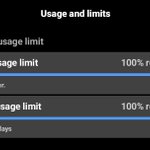
Usage limits and cost
There is no Hermes quota. Plug in your key, run a local model, or subscribe through Nous Portal. That is all it takes.
You can push Hermes to the max with excellent models without paying a single dollar. And if you decide to pay, you get great value for it.
Caching is great too
Out of 1,013 sessions, here's one that came out right at the average:
219 million input tokens
15.7 million output tokens
3.77 billion cached tokens
About 4 billion tokens in total
94.4% from cache.
Hermes is one of the best I have used for token efficiency, and the transparency is total. While you work, you see the real speed of every provider and every detail.
Light on the machine
Hermes is not heavy at all. One day I set up a full Hermes agent inside a virtual machine with just 2 GB of RAM, and it ran with very high stability on every kind of task I gave it. That shocked me. Codex, for comparison, eats tens of gigabytes of RAM. That difference tells you what an engineering masterpiece Hermes Agent is.
The layer above the model
One of the biggest things that sets Hermes apart is that the agent is separate from its brain. The model is the brain, and you can swap it without losing your memory, your skills or your setup.
Anywhere else, when I use GLM 5.3 I get GLM's usual strengths and weaknesses, and when I use Sol 6.1 I get Sol's. In Hermes there is a layer above the model that gives it a soul, a style and an understanding of how I work, so switching models matters far less. At some point the models feel eighty percent alike in style, in method and in the things you care about. What is left is raw capability, so the most capable models go to the hardest problems.
You own the layer you actually invest your time in. And the beautiful part is that this layer, the identity, the memory, the skills and every tool, is completely mine.
Look at Claude Code getting people banned today, at model performance suddenly dropping, at Codex being stingy with usage one time and slow the next. Those are constraints, and Hermes does not have them. If Claude Code decides to change or remove something, you have no say. In Hermes you can always change whatever you want. That is sovereignty, freedom and empowerment.
Memory that grows with you
When I opened the skills and memory tree, I found that Hermes had reached the point where it knows me better than any other agent. It grew with me through this whole journey, and that is what makes it the ideal partner for my work.
The journey command shows you a star map of your memory and skills, and you can edit or delete anything in it. It is one of the greatest things in Hermes.
One example: when Fable came out I loved it, so I had Fable pass its style and way of thinking on to Hermes. My Hermes became twice as useful after that.
And the instructions stick. Across sessions and updates, the soul, the identity and the instructions are always there. I never feel I need to remind it, and I never notice it forgetting or drifting. It is with me one hundred percent, every time.
Research and academic writing
Hermes is excellent for research and academic writing. With Claude Code or Codex I always have to explain my method, my way of thinking and everything I do not want. In Hermes I explained myself once, and from then on research and writing just happen the way I want. You set it up once, and it keeps growing. It even picked up my taste in design and research.
Skills and tools
Hermes has skills and tools you will not find anywhere else, and the team never stops building. The skills library is one of the best I have seen.
I see about 165 skills built in, plus optional skills and plugins you can add with one click. All useful stuff for growing in any field: iOS apps, computer use, automation, shopping, coding, organization, security, travel, testing, data, streaming, support, sports, reviews, video and more.
The tools cover web search, the browser, the terminal, files, vision, image generation, subagents, scheduled tasks, memory and computer use, and MCP brings in anything else. You can use it with Blender or whatever you want. Use it straight out of the box, or customize it with no ceiling.
Where I talk to it
You can talk to it anywhere: iMessage, Telegram, Slack, Discord and more, and you can customize all of it. When I am out of the house, Hermes is the first thing I think of. I send it a message and everything happens like magic.
My own voice model
Companies that take speech-to-text out of your credits always annoyed me. In Hermes I brought my own model. Everything runs locally on my machine, smooth and fast, exactly the way I want. I even send it voice notes on Telegram, and it just works.
The desktop app
The desktop app is great, and the user experience is one of the best I have seen. I do not like working in the terminal in general, so in Hermes the desktop app is my home.
What I use it for
The idea that Hermes is only for casual users or simple tasks is just not true. It works for every kind of use and then some. I use it for everything I want, and I get great results.
It is the agent I rely on for personal tasks, light work and organization. The test videos and model comparisons I publish are edited entirely by Hermes; I do not touch them. It has helped me study and work, proofread academic research, translate books and documents, run a security audit on my ERP application, and a lot more.
Hermes vs OpenClaw
The most unfair comparison people make is Hermes vs OpenClaw. OpenClaw was a revolution in its time and started a huge wave, and it deserves credit for that. But it is nowhere near Hermes. Not in stability, not in reliability, not in consistency, not in capability. To me, OpenClaw is a tool some people enjoy for two or three days of experimenting. Is it something you can rely on and build projects, ideas and solutions on? Not at all.
Hermes is another story. It even beats tools like Claude Code and Codex. For me it sits in a different category entirely.
Hermes vs Claude Code and Codex
The reply I get most is: you can do all of this in Claude Code or Codex. Yes, you can. But in Hermes I do it the way I want, not the way the model or the company wants, and I enjoy the work instead of fighting the agent.
Hermes also refuses less than any agent I use, and that matters a lot to me. It is my first stop for anything that usually gets refused in Claude Code, Codex and the rest. A while ago I gave Claude Code and Codex a task and both refused. Hermes did it.
Hermes vs Grok Bot
Grok Bot has two real advantages. It works out of the box and it is easy, and it has direct access to X. Beyond that, Hermes crushes it.
Everyone is talking about how fast Grok Bot's quotas run out, and I can confirm it. I am on the Ultra plan, the $200 one, and it does not last me more than a day, two, maybe three. That is not sustainable. To be fair, usage limits are a problem with a lot of providers right now, not only Grok Bot.
The real difference is intelligence. Grok Bot is extremely low on intelligence right now. I ask it to execute a task and it just answers. I ask it a question and it starts executing. I cannot trust it. Its mistakes outnumber its wins, and it keeps telling me it cannot do this, it cannot reach that, this is a limit.
In Hermes, you shape the intelligence layer. I shaped mine to do nothing until it is sure what I want and has reviewed every detail and the full context. Grok Bot has nothing like that, and you cannot shape it. Believe me, I tried.
Do not confuse ease with quality. Grok Bot has a wonderful ecosystem, great templates and amazing growth. But you do not own the environment, you do not choose the kind of intelligence you get, and you struggle to make it through the week.
The problems
Hermes is not perfect, and you should know where it falls short.
Sometimes when I change the model in a session, the interface does not show it. The change happens; the UI just does not read it. Open a new session, come back, and you will see it was applied.
Steering is hit or miss. Sometimes a steering message redirects the conversation right away. But most of the time the agent ignores it completely and waits until the whole task is done, or it spends a really long time on the task before the steering finally kicks in. I always wish steering was instant so no time gets wasted.
Subagents are excellent, but sometimes Hermes hands me a result and then waits for the subagent's report, instead of waiting first and giving me one final result.
Computer use is one of the most important features for me, and it sometimes breaks and needs a real fix. It happened enough that I stopped using it heavily. It usually breaks under heavy work or with medium and weaker models, so give it your most capable models.
That brings me to the most dangerous problem. Weaker models can wreck your Hermes in minutes. You build your setup and the agent's understanding of you with a serious model, then a weak model starts making bad decisions and damages that whole layer. It can even break the app. MiniMax M3 broke my Hermes more than once with its hallucinations.
The fix is simple: stick to the leading, stable models, such as Kimi, Sol, GLM 5.3, DeepSeek Flash, and frontier Qwen models like Qwen 3.8 Max, and stay away from weak, hallucinating ones. Since I stopped using MiniMax M3, I have not hit this once. I do not know if it has been fixed, but I am not risking my stability to find out. What I really want is an optional protection layer for the memory, the soul file and AGENTS.md, so any edit shows up in the interface for me to approve first.
Long tasks can occasionally collapse in goal mode. The agent marks the task done before it is, or gets lost and loops. That happened a long time ago and has not happened since. It is rare and usually comes with weaker models, but I am mentioning it for transparency.
One for Mac users: more than once, an update left my desktop app stuck on an older version. The fix is simple. Quit the app and run hermes update in the terminal. If the app still shows the old version, run hermes desktop to rebuild it.
What I want next
Two things matter most to me.
First, a solid, easy mobile app with beautiful interfaces and that Nous spirit.
Second, an easy mode that works out of the box: add profiles by field, so a researcher, a programmer, or a writer starts from a ready base instead of a raw zero.
A model from Nous Research that understands Hermes better than any other model would be amazing too, but that is not central for me right now.
And I want Hermes to switch modes from natural language. When I give it a goal, it should turn on goal mode by itself and finish the whole task, the way Codex and sometimes Claude Code do.
The community and the team
One moment made me appreciate Hermes more than ever. I wanted Arabic support in the harnesses I use, so I reached out to MiniMax, Zai and others and offered to translate the harness, the website, everything, myself. They all said yes. Then nothing happened.
With Hermes, I did the Arabic localization myself and opened a pull request. They accepted it, and today Hermes speaks Arabic. Your voice as a user is what matters, and that is exactly why I love Hermes.
Another thing that amazed me: one day I sent the team an idea right here on X. I wished I could set the model for each scheduled task. In less than three hours it was built and shipped, and I have been using it ever since. I have never seen that kind of speed. That is what accelerating growth looks like when a project is open source and the whole community builds it.
Where I stand
I have tried most of the well-known tools in the space, and every tool has beautiful positives and annoying negatives. Hermes might be the one with the fewest negatives. Not because it is better or worse than the others, but because in Hermes you can deal with a negative, change it, erase it, and sometimes turn it into a strength. It all comes down to how you customize it.
It is not the easiest tool to start with, so my next post is my full setup, as a skill. Hand it to your agent, answer its questions, and it sets everything up for you. I do not claim it is the best setup, only the one that fits me. Stay tuned!
After all this time, I know exactly where I stand. Hermes is a victory for what open source is supposed to mean.

Web3Kyami retweeted
REAL ASSETS. REAL IDENTITY.
At @token2049 Singapore, Public Masterpiece and FIO Protocol officially announced a strategic partnership focused on the future of digital ownership.
In the announcement video, Wayne Marcel from FIO Protocol and Garen Mehrabian from Public Masterpiece share the vision behind the collaboration and why identity, usability and real-world assets need to evolve together.
Public Masterpiece is building the infrastructure for real-world assets to move on-chain. FIO is focused on making blockchain interactions more intuitive, recognizable and accessible.
Together, both ecosystems are working toward a stronger connection between real-world assets, digital identity and the infrastructure that supports ownership in Web3.
The partnership will include joint initiatives across community, education and ecosystem development, as well as the introduction of exclusive PMT Handles for the Public Masterpiece ecosystem.
Announced in Singapore. Built for what comes next.
Real Assets. Real Identity.
#PMTChain #FIOProtocol #TOKEN2049 #RWA #DigitalIdentity

Long wallet addresses make digital ownership hard to use. FIO Handles replace them with names people can read.
At @token2049 Singapore, FIO and Public Masterpiece (@pmt_chain) announced a partnership, including exclusive @ pmt Handles for its ecosystem.
Real Assets. Real Identity.
#PMTChain #FIOProtocol #TOKEN2049 #RWA #DigitalIdentity
Web3Kyami retweeted

76,846 handwritten result sheets are uploaded after every Nigerian election.
but let's be honest, how many people actually go through them?
i decided to build something that does.
it's called recount.
it uses @Meta muse spark to read every result sheet, check the figures against the numbers written in words, and flag anything that doesn't add up.
and it doesn't just flag issues blindly. when something looks off, muse spark takes another look to avoid mistakes caused by smudges or poor handwriting.
you can even upload a result sheet someone forwards to you on whatsapp, and recount will compare it with INEC's original.
i tested it against the osun election results, and the total came within 0.11% of INEC's declared figure.
the bigger idea is simple: make it harder to manipulate election results without anyone noticing. when every result sheet can be independently checked, there's less room for discrepancies to go unnoticed.
recount isn't here to declare winners. it's here to help protect the integrity of the process by making sure every sheet gets read and accounted for before 16 january 2027.
built for the @AIatMeta & @MetaforDevs indie developer track.
recount.nerom.site
Web3Kyami retweeted

We spent several weeks trying to get in touch with anyone on the RH team to discuss how to get ecosystem support for @vibestarterxyz.
The builder support seems non existent. Why?

Web3Kyami retweeted

Some scam messages look convincing enough to fool anyone, so I used @Base44 to build an app that helps identify suspicious messages and their warning signs.
If you've got an idea you've been wanting to bring to life, you should give base44.com
Web3Kyami retweeted

What happens when an AI agent you trusted with a budget starts hiring other agents and delegating financial authority?
How do you make sure those agents don't spend beyond their limits, send funds to unauthorised addresses or pass more authority down the chain than they actually have?
This is a problem we believe needs to be solved as autonomous agents become part of the economy.
That's why we built ROOTBOUND at NEAR HACKATHON.
ROOTBOUND is an on-chain financial control layer that gives autonomous agents the ability to delegate work and financial authority without losing control of the funds.
Here's what it does:
• Recursive delegation: A manager agent can create child agents and assign them budgets and permissions. Each child inherits restrictions from its parent and cannot grant more authority than it has.
• Budget enforcement: Tracks available, reserved and spent funds to prevent over-allocation and unauthorised spending.
• Recipient restrictions: Agents can only make payments within their approved recipient boundaries.
• Expiry and revocation: Delegated permissions can expire or be revoked to prevent further authorised activity.
• On-chain accountability: Financial rules and transaction activity are enforced and recorded through smart contracts.
We built ROOTBOUND on NEAR, using on-chain infrastructure to make financial authority programmable, enforceable and transparent.
The bigger idea is simple: autonomous agents should be able to work together, hire other agents and manage resources without having unrestricted access to funds.
The goal isn't to limit what agents can do. It's to make sure their authority has clear boundaries.
Delegate the work. Not unlimited control.
Watch the demo to see ROOTBOUND in action.
Built at NEAR HACKATHON.
@NEARProtocol #NEARHackathon

Web3Kyami retweeted
⚡PMT: FROM TOKEN TO TECHNOLOGY. THE NEXT EVOLUTION.
What began as Public Masterpiece Token is becoming something much greater: Public Masterpiece Technology.
When we introduced PMT, our ambition was never simply to create another digital asset. We set out to connect the physical world of art with blockchain technology, building an ecosystem around authenticity, ownership, decentralization, and the preservation of culture.
Today, that ambition is taking a defining step forward. With PMT Chain, our own Layer-1 blockchain, we are in the transition of PMT from a token operating on an existing network to the native coin of our own blockchain. This represents a fundamental shift from relying on third-party infrastructure to developing the technological foundation of our own ecosystem.
And PMT Chain is only part of what we are building. Our expanding infrastructure brings together PMT Bridge, PMT Scan, our decentralized exchange (DEX), staking, and DAO governance, alongside digital certification, real-world asset tokenization, marketplace infrastructure, white-label solutions and wallet integrations. These are not isolated products, but interconnected components designed to make blockchain technology accessible, functional, and relevant to real-world applications.
The transition from token to coin marks a technological milestone. The evolution into Public Masterpiece Technology represents the bigger picture.
PMT is no longer defined by a digital asset alone. It represents an independent technology ecosystem designed to connect real-world assets, institutions, and communities. The native coin will be an essential part of this infrastructure, supporting network activity, staking, and decentralized participation.
Our direction has never changed. While the industry has experienced countless cycles of hype and uncertainty, we have remained focused on building something sustainable, with genuine utility and long-term relevance.
From Public Masterpiece Token to
Public Masterpiece Technology.
Same vision. Stronger foundation. Greater ambition.
#PublicMasterpiece #PMT #PMTChain #RWA #Blockchain

Web3Kyami retweeted

did a thing with Opus 5.5
AI isn't coming for Motion Designers 😒

money on a public blockchain has no privacy
anyone can see your balance, who paid you, and every payment you've ever sent. that's uncomfortable for a person who is big on pricacy and unworkable for a business
so we at @themajorlabs are building @scrimfinance: private money on @NEARProtocol
hold, send, swap and get paid, and only you see it
you add money from almost any chain, pay anyone anywhere, and when a client asks, you prove one fact without opening your whole account
teams as well get approvals and spending limits, and AI agents can ask to pay within your rules while people still approve
presently work in progress on testnet, and mainnet next.
More details soon as we make progress
and tagging the team to this for making it possible to do this on Near - @AlexSkidanov @ilblackdragon @Cameron_Dennis_ @hosseeb @eddylazzarin @avichal @near_intents
Web3Kyami retweeted

Let me be completely raw & honest with you beni, nothing in life comes easy.
Winning a hackathon isn’t just about being good at shipping a build. It’s about playing the game smart too. If you haven’t won in months, I highly recommend doing this:
1. Pick teams that actually care about builders.
Don’t just build alone in your room. Talk to their developer team. Find bugs in their tools & tell them. Show them your project before the deadline & ask for feedback. Most judges rush through demos, but if someone on their team likes your work, they will fight for you in the judging room.( This worked 99% times for me 3 different ecosystems ).
2. Use THEIR toolings, not random ones.
Judges want to see you use their tech in action. Did you use their wallet? Their code? Their endpoints or toolings? If you enter an OKX hackathon using tools built for Solana chain, you are wasting your own time. Give them exactly what they want to see.
3. Check out other submissions before submitting.
Search the timeline to see what others made. Pick the top 3 or 4 projects from returning hackaton winners most especially, ask yourself & your coding agent: Is their project better than mine? If yes, don't give up, stay up a few more hours & add a cooler feature that beats them. If your project is clearly better than the top 5 builders on your list, you have a huge chance at winning a prize.
4. Don't quit if you lose.
Don't delete your repos but double down and keep building in public. A great example is what @kenn_ronin did with Muse Mirror. When ecosystem teams see you never quit & keep improving, they will start paying attention to you.
5. Hackathons are just the start.
Hackathons are only for quick money to get you started as a founder. Build something real people actually use, even if it’s just 10 to 50 users. Save the prize money you win, focus on your one best app & attend real-life crypto events to meet people. Even getting a small $50k grant can completely Kickstart your motion or change your life.
I know it can be tough sometimes, having no money, staying up all night & feeling like giving up. But nobody who had won from the past or winning now is smarter or more special than you. Keep your head down & fight.


Web3Kyami retweeted
I built 𝗩𝗘𝗬𝗥𝗜𝗡,
An AI Research Chamber where market research has to survive its own critics.
Here's why
When Tesla reported 480,126 deliveries for Q2 2026 against an estimate of 406,024, the numbers looked strong.
But does that automatically make the earnings outlook bullish?
What about margins, expectations, and everything the delivery numbers don't tell us?
That's one problem I've noticed with AI-assisted market research. An AI can use real numbers and still reach conclusions that aren't fully supported by the evidence.
𝗦𝗼 𝗜 𝗯𝘂𝗶𝗹𝘁 𝗩𝗘𝗬𝗥𝗜𝗡.
Instead of asking one model for a confident market prediction, I split the research into three specialized roles:
𝗔𝗧𝗟𝗔𝗦 - The Analyst
Builds a market thesis from dated evidence, including company filings, financial reports and available market information.
𝗩𝗘𝗫 - The Challenger
Examines ATLAS's claims, questions assumptions and identifies missing evidence. It can also concede a valid argument.
𝗦𝗘𝗔𝗟 - The Auditor
Reviews both sides and determines which claims are supported, contested or unresolved.
The research is then sealed with a signed record before the historical market outcome is revealed through Bitget.
𝗧𝘄𝗼 𝗿𝗲𝗮𝗹 𝗰𝗮𝘀𝗲𝘀. 𝗧𝘄𝗼 𝗰𝗼𝗺𝗽𝗹𝗲𝘁𝗲𝗱 𝗶𝗻𝘃𝗲𝘀𝘁𝗶𝗴𝗮𝘁𝗶𝗼𝗻𝘀.
I implemented and tested VEYRIN using:
• Tesla Q2 2026 earnings (RTSLAUSDT)
• NVIDIA fiscal Q2 2027 earnings (RNVDAUSDT)
For Tesla, I ran the complete research workflow using Qwen through OpenRouter.
ATLAS produced a mixed thesis. VEX challenged its assumptions. SEAL marked two claims contested and one unresolved.
The signed research receipt passed verification.
𝗕𝗶𝘁𝗴𝗲𝘁 𝗺𝗮𝗿𝗸𝗲𝘁 𝗼𝗯𝘀𝗲𝗿𝘃𝗮𝘁𝗶𝗼𝗻𝘀:
Tesla: 374.55 → 364.70 USDT (−2.6298%)
NVIDIA: 209.63 → 207.262 USDT (−1.1296%)
These are selected historical token-price observations, not strategy returns or proof of prediction accuracy.
The NVIDIA investigation was completed separately using an earlier model configuration.
𝗪𝗵𝗮𝘁 𝗜 𝗳𝗼𝘂𝗻𝗱 𝗺𝗼𝘀𝘁 𝗶𝗻𝘁𝗲𝗿𝗲𝘀𝘁𝗶𝗻𝗴:
Even a model that cites valid sources can interpret them incorrectly.
The Tesla test exposed some of those limitations, which is why improving evidence grounding is part of what I'm building next.
VEYRIN is live, and you can explore it yourself.
𝗟𝗶𝘃𝗲 𝗗𝗲𝗺𝗼 / 𝗥𝗲𝘀𝗲𝗮𝗿𝗰𝗵 𝗖𝗵𝗮𝗺𝗯𝗲𝗿
veyrin-research-chamber.verc…
𝗖𝗼𝗺𝗽𝗹𝗲𝘁𝗲𝗱 𝗧𝗲𝘀𝗹𝗮 + 𝗡𝗩𝗜𝗗𝗜𝗔 𝗥𝗲𝘀𝘂𝗹𝘁𝘀
veyrin-research-chamber.verc…
𝗚𝗶𝘁𝗛𝘂𝗯 / 𝗦𝗼𝘂𝗿𝗰𝗲
github.com/Web3Kyami/Veyrin
My goal with VEYRIN is simple: AI should help traders challenge their reasoning, not just make predictions sound convincing.
Built for the AI Trading Desk track at Bitget AI Base Camp.
#BitgetHackathon @Bitget_AI
#BitgetTurns8. A year ago, UEX was just a concept. Today, it's a cross-asset business clearing $10B+ a day.
Now we're bringing that same conviction to AI — Agentic UEX won't be a concept either.
Agent Hub 2.0 is live — we believe it's the industry's first complete UEX trading infrastructure for AI agents across crypto, tokenized US stocks.
UEX trading, redefined by agents — experience it today:
🛠️ Build & compete: Join Hackathon S2 for a share of the $50,000 USDT prize pool + free Qwen / Kimi K3 credits. 👉 bitget.com/activity-hub/hack…
💬 Start trading: Give your Agent this prompt:
“Please read bitget.com/support/articles/… and complete Bitget Agentic account authorization along with installing the corresponding MCP Skill.”
🎯 Try the experience: Complete the basic Agentic UEX flow, share your feedback, and get a cash reward. 👉 bitget.com/activity-hub/agen…
#8uiltforPerfectTrades #AgenticUEX
Web3Kyami retweeted
I just had two different AI agents handle both sides of a real payment agreement.
ChatGPT acted as the client. Claude acted as the freelancer.
Using FundPact through PayBox, I secured USDC in escrow on Base, verified the payment independently, accepted the job, recorded delivery, and approved the release.
No switching between escrow platforms. Just conversations with AI agents.
Here's the full demo 👇

I just submitted FundPact for the @PayBox Hackathon.
I built something that makes it easier for two people to agree on a payment, secure the money, and complete the transaction using their AI agents.
Here's how it works:
You open ChatGPT or another supported AI agent connected to PayBox and say:
"Use FundPact. I want to secure $200 USDC for someone to create a promotional video for my project."
Instead of immediately sending the money, your agent walks you through creating an agreement.
It asks a few questions:
- Who are you paying?
- What exactly are they expected to deliver?
- When should the work be completed?
- How much time do you need to review the work?
- What should happen if there's a disagreement?
You answer the questions, and FundPact puts everything together into an agreement you can review.
Once you're satisfied, you simply say:
"Everything looks good. Secure the payment."
PayBox handles the wallet approval, and once the transaction is confirmed, the money is locked in an escrow contract under the agreed conditions.
Now here's where it gets interesting.
FundPact gives you a unique agreement reference.
You send that reference to the person you're hiring.
They don't need to believe your screenshot or take your word that you've deposited the money.
They can open their own AI agent and ask:
"Can you verify this FundPact agreement? Is the $200 actually secured for me?"
Their agent checks the agreement and the on-chain payment status.
They can see the amount, the agreed terms, the deadline, and whether the money is genuinely locked.
If everything looks right, they accept the agreement and start working.
Both people are using their own AI agents to interact with the same agreement.
When the work is completed, the person delivering it can say:
"I've completed the work. Record my delivery for this agreement."
The client reviews the work and simply tells their agent:
"The work looks good. Release the payment."
PayBox presents the transaction for approval, and once confirmed, the funds are released to the recipient.
FundPact also supports refunds, cancellation, review periods, and dispute handling based on the agreement.
The interesting part for me is that this doesn't have to be limited to freelancers.
It can work for creators, agencies, service providers, businesses, and people making payment-backed agreements.
And nobody needs to understand smart contracts or figure out an escrow platform just to get started.
One person secures the payment. The other independently verifies it. Both know the conditions before the work begins.
That's FundPact.
Demo coming soon.
I just had two different AI agents handle both sides of a real payment agreement.
ChatGPT acted as the client. Claude acted as the freelancer.
Using FundPact through PayBox, I secured USDC in escrow on Base, verified the payment independently, accepted the job, recorded delivery, and approved the release.
No switching between escrow platforms. Just conversations with AI agents.
Here's the full demo 👇
10
I just had two different AI agents handle both sides of a real payment agreement.
ChatGPT acted as the client. Claude acted as the freelancer.
Using FundPact through PayBox, I secured USDC in escrow on Base, verified the payment independently, accepted the job, recorded delivery, and approved the release.
No switching between escrow platforms. Just conversations with AI agents.
Here's the full demo 👇
I just submitted FundPact for the @PayBox Hackathon.
I built something that makes it easier for two people to agree on a payment, secure the money, and complete the transaction using their AI agents.
Here's how it works:
You open ChatGPT or another supported AI agent connected to PayBox and say:
"Use FundPact. I want to secure $200 USDC for someone to create a promotional video for my project."
Instead of immediately sending the money, your agent walks you through creating an agreement.
It asks a few questions:
- Who are you paying?
- What exactly are they expected to deliver?
- When should the work be completed?
- How much time do you need to review the work?
- What should happen if there's a disagreement?
You answer the questions, and FundPact puts everything together into an agreement you can review.
Once you're satisfied, you simply say:
"Everything looks good. Secure the payment."
PayBox handles the wallet approval, and once the transaction is confirmed, the money is locked in an escrow contract under the agreed conditions.
Now here's where it gets interesting.
FundPact gives you a unique agreement reference.
You send that reference to the person you're hiring.
They don't need to believe your screenshot or take your word that you've deposited the money.
They can open their own AI agent and ask:
"Can you verify this FundPact agreement? Is the $200 actually secured for me?"
Their agent checks the agreement and the on-chain payment status.
They can see the amount, the agreed terms, the deadline, and whether the money is genuinely locked.
If everything looks right, they accept the agreement and start working.
Both people are using their own AI agents to interact with the same agreement.
When the work is completed, the person delivering it can say:
"I've completed the work. Record my delivery for this agreement."
The client reviews the work and simply tells their agent:
"The work looks good. Release the payment."
PayBox presents the transaction for approval, and once confirmed, the funds are released to the recipient.
FundPact also supports refunds, cancellation, review periods, and dispute handling based on the agreement.
The interesting part for me is that this doesn't have to be limited to freelancers.
It can work for creators, agencies, service providers, businesses, and people making payment-backed agreements.
And nobody needs to understand smart contracts or figure out an escrow platform just to get started.
One person secures the payment. The other independently verifies it. Both know the conditions before the work begins.
That's FundPact.
Demo coming soon.
Web3Kyami retweeted
I just submitted FundPact for the @PayBox Hackathon.
I built something that makes it easier for two people to agree on a payment, secure the money, and complete the transaction using their AI agents.
Here's how it works:
You open ChatGPT or another supported AI agent connected to PayBox and say:
"Use FundPact. I want to secure $200 USDC for someone to create a promotional video for my project."
Instead of immediately sending the money, your agent walks you through creating an agreement.
It asks a few questions:
- Who are you paying?
- What exactly are they expected to deliver?
- When should the work be completed?
- How much time do you need to review the work?
- What should happen if there's a disagreement?
You answer the questions, and FundPact puts everything together into an agreement you can review.
Once you're satisfied, you simply say:
"Everything looks good. Secure the payment."
PayBox handles the wallet approval, and once the transaction is confirmed, the money is locked in an escrow contract under the agreed conditions.
Now here's where it gets interesting.
FundPact gives you a unique agreement reference.
You send that reference to the person you're hiring.
They don't need to believe your screenshot or take your word that you've deposited the money.
They can open their own AI agent and ask:
"Can you verify this FundPact agreement? Is the $200 actually secured for me?"
Their agent checks the agreement and the on-chain payment status.
They can see the amount, the agreed terms, the deadline, and whether the money is genuinely locked.
If everything looks right, they accept the agreement and start working.
Both people are using their own AI agents to interact with the same agreement.
When the work is completed, the person delivering it can say:
"I've completed the work. Record my delivery for this agreement."
The client reviews the work and simply tells their agent:
"The work looks good. Release the payment."
PayBox presents the transaction for approval, and once confirmed, the funds are released to the recipient.
FundPact also supports refunds, cancellation, review periods, and dispute handling based on the agreement.
The interesting part for me is that this doesn't have to be limited to freelancers.
It can work for creators, agencies, service providers, businesses, and people making payment-backed agreements.
And nobody needs to understand smart contracts or figure out an escrow platform just to get started.
One person secures the payment. The other independently verifies it. Both know the conditions before the work begins.
That's FundPact.
Demo coming soon.
Experimentiallabs is hosting Uncensored DeepSeek V4.1 Flash is free 👀
Link to sign up: platform.xplabs.ai
Deepseek 4.1 Flash is live for FREE on Opencode 😳
I have been seeing alot of cool 3D stuff it built
go try it out - opencode.ai
xitter.cf/0xranjeet/status/21106…

3
163
Gemini 4 Argon is FREE to use on Sim right now 😳
no API key and no code needed.
you can use it to test prompts, build AI workflows, or turn an agent into a simple chat app in a few minutes.
Here’s how:
- sign up at sim.ai and create a new Workflow
- add an Agent and select Gemini 4 Argon
-drop in whatever prompt you want the agent to follow
- hit Deploy and choose Chat
- give your chat a URL + title
- set the output to Content and deploy
Sim will generate a link for you.
open it and you’ve basically got your own Gemini 4 Argon chat running for free.

Deepseek 4.1 Flash is live for FREE on Opencode 😳
I have been seeing alot of cool 3D stuff it built
go try it out - opencode.ai
xitter.cf/0xranjeet/status/21106…
1
82