

#Biodiversity #ForNature #wildlife #Ocean #Wetlands #birds #probono (Views are own!)
Joined April 2016
- Tweets9.3K
- Following3K
- Followers6.3K
- Likes15.5K




Black-faced Spoonbill
The Far Eastern Curlew is the largest migratory shorebird in the world and is endemic to the EAAF.
IUCN status: Endangered; Australia lists it as Critically Endangered. The global population is about 20,000–35,000 mature individuals and still declining.
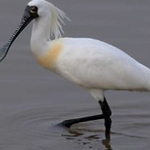
The Black-faced Spoonbill is a coastal waterbird endemic to East Asia and the smallest and rarest of the world’s six spoonbill species.

Earth Online drops a new wild kitty😻😼! After more than a century, we’ve unlocked a brand-new feline species — the Tilcayó tiger cat!
(Primary Source: National Geography. Secondary Source: ABC News)

Baer’s Pochard🦆
A medium-sized diving duck native to East Asia (family Anatidae), it is now Critically Endangered, with under 1,000 birds left and roughly 150–700 mature individuals.

The Siberian Crane is a critically endangered migratory crane. Breeding in Russian Arctic wetlands, it migrates thousands of kilometres for wintering. Adults have pure white plumage with black flight feathers and a bare red facial patch. #wildbirdphotography

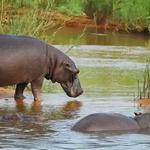
The hippopotamus (Hippopotamus amphibius), also known as "river horse", inhabits rivers and lakes across sub-Saharan Africa.
It ranks as the world’s third-heaviest terrestrial mammal, only surpassed by elephants and white rhinoceroses.
(Photo By Britannica)

Hi guys!
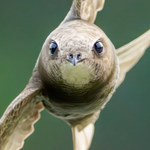
Farewell to Beijing Swifts.
They are about to embark on their migration to Africa.
Crossing the Red Sea mid-August, reaching Central Africa in early September, and wintering in south-central Africa by early November.
14,733 km, 110 days one way.
Safe flight~.

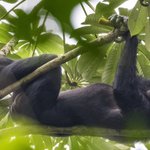
Besides chimpanzees, bonobos (Pan paniscus) look similar, and both share 98.7% of their DNA with humans, making them our closest living relatives.
📊 IUCN: Endangered (EN)
(photo By WWF)
Reference
awf.org/wildlife-conservatio…
worldwildlife.org/species/bo…
nationalgeographic.com/anima…

What does the word “opportunistic” bring to mind? Opportunism? Unprincipled theft?
(photo from Zoologist)

What We Can Do
●Learn livestock husbandry practices promoted by conservation volunteers.
●Join public outreach campaigns to counter misconceptions surrounding this species. ●Support efforts to establish and expand protected wildlife corridors.