

Sharing lessons from my own million dollar deals. Real stories. Expensive mistakes. Free insights. Facing a business challenge? DM me 📩
Earth
Joined October 2026
- Tweets94
- Following3
- Followers1.2K
- Likes56

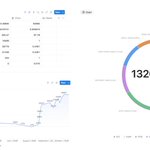



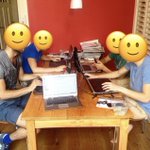


Dinner in Monaco. I’m blessed to call my business partners family. What’s better than making money together and enjoying life together?
Have a lovely evening 😊
1
6
318
My business partner used to sell features I hadn't even built yet. We argued about it a lot.
Looking back, I understand her much better.
We were building healthcare software. I wanted everything finished and working exactly how I imagined it. She wanted to sell. Sometimes she'd already promised a customer something while I was still working out how to build it.
As a programmer, that drove me mad.
But before that business, I'd already spent years building projects that nobody wanted badly enough to pay for.
I'd spend months building and perfecting something I thought people needed. After releasing it, I'd discover they didn't care enough to pay or already had a system they were happy with. I'd spent all that time programming without finding out what they would actually buy.
My partner approached it from the other direction. She spoke to customers and sold what they needed. Then I had to build it.
At the time, I mostly saw the pressure that created for me. Now I also see how much time it stopped me wasting.
If I were starting another project, I'd sell first.
And yes, I would tell a customer it was ready before I'd actually built it. But only if I knew how to make it, what resources I needed and that I could deliver within a reasonable time once they agreed.
I wouldn't do that with something I had no idea how to deliver.
I'd speak to several potential customers about a specific product at a specific price. If enough were interested, I'd build the smallest working version that solved their problem.
Then I'd go back to them.
Do they actually pay? Do they use it? What do they need next?
That's when I'd start expanding it instead of spending another year adding features nobody had asked for.
It's also when I'd rather speak to an investor.
When you bring nothing but an idea and need someone else's money to make it happen, don't be surprised when they want the majority of your company.
I'd rather walk in with a working product, a paying customer or signed contract and a team that can deliver.
That's a much stronger position to negotiate from. I can explain what the investment will help us achieve and negotiate a smaller stake for the investor instead of being grateful that someone is willing to fund me at all.
This isn't just about software. Whether you're making a product, designing something or creating art, it's easy to spend months getting it to a standard only you've defined.
Sometimes you're improving the work. Sometimes you're scared of putting it out there and hearing what people think. I've been guilty of both.
I still love building things. But I've lost enough years perfecting projects without knowing whether anyone would pay for them.
These days, I'd have that conversation with the customer much earlier.
2
261
Almost 100,000 views on my last post. What the hell 😂
Honestly, when I woke up this morning, I didn’t expect any of this. And the funniest part? That bank screenshot is years old. It’s not even my current balance.
First of all, thank you for all the love. I’ve received over 100+ DMs and so many comments. I promise I’ll try to answer every single one of you. Just give me a little time.
I also want to give a special shoutout to my friend @EcomBaba.
I’ve never been much of a social media person and I have absolutely no ambition to become an influencer.
A while ago, we were talking about life and business. He told me I should start sharing my experiences because people might actually find them interesting.
I wasn’t convinced, but he gave me that little push. So thank you, my friend. Look what you’ve started 😂
And now I’m genuinely curious where this community will go.
I’m not here to sell you anything. No courses, no paid mentorship. Never.
Some people have even offered to pay me for advice in my DMs. I’ve told them to keep their money and just tell me what they’re struggling with. If I can help, I will.
I’ve been fortunate enough to reach a point in life where I don’t need to chase money anymore.
What I do enjoy is meeting interesting people, hearing about your successes, sharing what I’ve learned and hopefully helping someone avoid a mistake I made.
And to the critics, you’re welcome too. Ask difficult questions. Challenge my opinions. I actually enjoy a good discussion.
But if you’re just here to spread negativity, I’ll happily show you where the block button is. Free of charge, of course 😂
Life is too short to surround yourself with miserable people.
Show me love, I’ll show you love. Simple as that.
Thank you all again. ❤️
1
15
1,107
At 23, we sold our software company to an international buyer for €83 million.
A few people have asked me how I got started without money. This is how it happened for me.
I grew up poor and started working for myself at 16. I had no money to invest and no network to ask for favours. But I'd learned to code, so I started earning money with that.
Websites, iPhone apps, computer repairs. Whatever people needed that I knew how to do.
At the same time, I kept building my own software projects. Hundreds of systems that went nowhere before I finally made something that worked.
I was 19 when I met a woman working in healthcare. She was much older than me, around 50 if I remember correctly. She told me her staff were still working with Excel, Word and USB sticks.
I thought it was so primitive. Surely I could build something that would let them write reports about their patients online, straight from their phones.
She offered to finance the whole thing as long as I did the programming.
I wasn't thinking about ownership, negotiating shares or eventually selling a company. I thought it was a really interesting problem, and now someone was offering to fund me solving it.
I've always loved figuring out difficult things. Give me something complicated to build and I'll happily disappear into it.
That's why I didn't negotiate. I was happy with what I was offered because I got to spend my time doing something I loved.
What started as a way to write patient reports became a complete ERP system. It covered everything from assessing how much care a patient needed to scheduling staff and billing for the care delivered.
We built a company around it, with employees and multiple locations. The software became a market leader in its field.
None of that was in my head when I first said yes.
At 21, I received my first dividend.
I was on holiday with my parents in Fuerteventura, standing in line at Lidl to pay for some croissants, when a notification came through on my banking app.
The money had arrived.
I opened the app and immediately took a screenshot. That's the picture attached.
When you've grown up without money, seeing a balance like that is a feeling I can't really describe. Almost better than sex, honestly.
Two years later, we sold the company.
That €83 million was the sale price of the business, not what I personally received. I owned 30%.
Looking back, I wish I'd had the confidence to ask for 50/50. She financed the project, which made it possible. I built the entire system. But at the beginning, I hadn't really thought about the value of what I was bringing.
I was just excited that I could build it.
So when someone tells me they don't have the money to bring their ideas to life, I understand. I didn't either.
I earned money from my skills, kept trying my own ideas and eventually met someone with a problem I could solve who was willing to finance the development.
That doesn't mean every project will work. Most of mine didn't.
And I certainly didn't know at 19 that this would become the business we sold at 23.
I'd gladly do the work again. I just wish I'd trusted my own ability earlier and taken the ownership conversation as seriously as I took the programming.

Someone asked me in a DM how I got back on my feet after that billionaire fucked me over.
Honestly, it took me a good year. I was depressed, spending most of my time in my room. At one point I was sleeping about three hours a night.
That's why I ended up having a sleep study. That's me in the photo, looking like a fucking alien with all those sensors on my head. They were trying to find out why I couldn't sleep.
Later, I was asked to become chairman of a charity. I didn't want to do it at first, but eventually I agreed. It was unpaid.
Meeting people going through really difficult situations and being able to help gave me energy again. I had something else to focus on.
During one of our missions in Africa, I met some great people. We ended up starting a business together, and to this day I still enjoy working with them.
I hadn't joined the charity to find business partners. That happened along the way.
So I don't have some clever plan to give you about how I recovered. This is just what happened to me.
But when you're thinking about your next business, look at the people and the actual work too. I know how tempting it is to look only at what you could earn. Whether you enjoy spending your days doing it matters as well.
I've always believed that what's meant for you is meant for you. That's much easier to say than to believe when you're sitting in your room, barely sleeping.
But I do believe it. And I'm glad I eventually said yes to the charity.

1
8
2,290
I have €100,000 available to invest.
Pitch me your business idea. I might back it.
But first, here’s how I think.
I started my first business at 16.
If I were starting again, I’d stop obsessing over making a million.
I’d focus on earning the first €1,000.
Not because I’d lost my ambition.
Because I’d want proof that someone would actually pay me.
I’d start with a problem I could solve myself.
Talk to the people dealing with it.
Offer one clear solution.
Deliver it. Work out what it really cost me.
Then find another customer with the same problem.
Fuck looking successful.
Build something people actually want.
And before asking for investment, I’d know exactly what the money was supposed to achieve.
“Marketing and growth” isn’t enough.
Who are you trying to reach?
What have you tested?
What would the first €10,000 help you prove before you spend the rest?
Now, your turn.
Pitch me in four lines:
What are you building?
Who would pay for it, and why?
What have you tested or sold so far?
What would investment allow you to do next?
No customers yet? Say so.
An honest starting point beats invented traction.
Keep confidential details out of the replies.
I’ll ask follow up questions on the pitches that catch my attention.

5
9
1,927
I went to an expert because I thought he knew better.
But his answer didn't sit right with me.
When I first started bench pressing, 40kg was a struggle.
I'd watch guys lift 80, 100, even 120kg and think:
No fucking chance I'll ever do that.
But I kept showing up.
Eventually, 60kg became comfortable. So I tried 80.
One rep. And my left wrist hurt like hell.
I asked a trainer.
His advice? Buy wrist wraps for extra support.
I thanked him. But something kept bothering me.
Other people were lifting more without them.
Was I really that weak? Or was there something I hadn't figured out yet?
I wasn't ready to write myself off.
So I started researching it myself.
Found a video explaining wrist position. Changed how I held the bar.
80kg. Without the wrist pain.
The weight hadn't changed. My approach had.
Today, I can bench 120kg for 10 reps.
That took more training. It didn't happen overnight.
But I remember that moment because I could have accepted the first answer and stopped asking questions.
I didn't.
I trusted my gut enough to investigate.
And that's how I approach business too.
Someone tells you to spend more. Hire more. Buy another system.
Before accepting it, ask:
What is actually causing the problem?
How does your advice solve it?
What evidence supports that?
A title doesn't make every answer right.
And confidence doesn't make someone competent.
Believe in your ability to figure things out. Then do the work to find out.
Don't fucking outsource your judgment.

8
1,626
One thing I’ve learned in business:
The more someone tries to impress you with their lifestyle, the more closely you should examine their numbers.
Luxury doesn’t equal success.
Confidence doesn’t equal competence.
Connections don’t equal credibility.
Never confuse being impressed with being convinced.
Good morning, everyone. ☀️
A little oldtimer therapy.
One thing business has taught me:
The fastest way to lose money is to be in a hurry to make it.
Never let someone else’s urgency become your problem.
What’s the biggest red flag you’ve ever seen in a deal?
1
10
1,354
A powerful businessman in Marrakech wanted me to invest MILLIONS.
If you’re Dutch 🇳🇱 , you’ve probably eaten at one of his restaurants.
He rented me a luxury villa, arranged a private chauffeur, introduced me to the elite and even offered me women.
He thought he could buy my trust.
Wrong fucking guy.
Part 2 drops in 2 hours. 🧵

Verify the budget independently.
Get your own quotes. Confirm the owner's price. Get every fee and payment recipient in writing.
Don't let the man selling you the deal be your only source of truth.
If it doesn't add up, walk away.
You don't owe anyone a signature.
1
487
He showed me a detailed budget.
Construction. Equipment. Marketing.
Millions supposedly needed to make the project happen.
But I don't confuse a detailed budget with verified costs.
The project actually needed only a fraction of the money he wanted me to invest.
He had inflated the figures.
And here's why.
He had secretly agreed with the owner that EVERYTHING above the amount actually needed would go to him.
Money presented to me as necessary project funding would end up in his pocket.
This wasn't a commission he forgot to mention.
He was lying about what the project cost so he could pocket the difference.
Now put the villa, the chauffeur and the fake friendship into that picture.
He needed me impressed enough to stop asking questions.
Wrong fucking guy.
Don't just ask where your money goes.
Verify whether the costs you're being shown are real in the first place.
2
557
Before I put millions into anything, I want 4 answers:
1. Who ACTUALLY owns the asset?
2. What does the project really cost?
3. Where does every euro go?
4. Who gets paid if I sign?
In this deal, the budget and the man's personal payday were connected.
Here's how.
1
606
He wasn't just pitching an investment.
He was trying to make me feel like I belonged in his world.
That's the trick: get you emotionally invested before you invest a cent.
I wasn't there for the lifestyle. I was there for the numbers.
Real photo in the final post. 👀
4
1,738
Who was the billionaire who screwed me over when I was 23? 👀
Take a guess.
22%Andrew Tate
16%Marcel Boekhoorn
47%Richard Branson
14%Someone else
97 votes • Final results 1
3
1,873