

UK Road Offender Education. We manage and administer the NDORS Scheme on behalf of UK police services. We aim to respond promptly but do not monitor 24/7.
Joined February 2021
- Tweets3.4K
- Following193
- Followers759
- Likes1.1K



October is #TyreSafetyMonth 🚗💨
Your tyres are the only point of contact between your vehicle and the road. Their condition is absolutely vital to your braking distance and steering control. When did you last check yours?
Regular maintenance is quick and easy. Just remember to ACT:
A – Air pressure: Ensure your tyres are inflated to the manufacturer's recommended level.
C – Condition: Inspect the sidewalls for any bulges, cuts, or embedded objects like nails.
T – Tread: Check that your tread depth meets the legal minimum (1.6mm in the UK) to maintain grip.
Don’t put it off until tomorrow. ACT now. It takes less than 5 minutes and could save your life.
If you aren't sure what to look for, pop into your local garage or tyre specialist—they will be happy to check them for you!

Missed our webinar yesterday?
You can still catch the full recording. Join host James Luckhurst in conversation with Dr. Nick Reed, Professor Clare Mutzenich, and Steve Gooding as they explore our key theme: "Transforming Road Safety: Trust and Technology in the Autonomous Age."
📲 Watch the catch-up here: ukroed.org.uk/2627webcast2
#RoadSafety #AutonomousVehicles #Webinar #UKROED #FutureMobility

⏰ Happening TODAY at 11:00 AM: Last chance to join!
As vehicles become increasingly reliant on—and driven by—technology, how do we build public trust in the autonomous age?
Join host James Luckhurst this morning for our live, free webinar: 💡 Transforming Road Safety: Trust and Technology in the Autonomous Age
Featuring our expert panel:
🎙️ Dr Nick Reed
🎙️ Professor Clare Mutzenich
🎙️ Steve Gooding
Don't miss out on this vital discussion on the future of road safety.
🗓️ When: Today (Tuesday, 15 Sept) | 11:00 AM
🎟️ Register for free: ukroed.org.uk/2627register2
#RoadSafety #AutonomousVehicles #FutureMobility #Webinar
⏰ Last Chance to Register: Tomorrow at 11:00 AM!
As vehicles become increasingly reliant on—and driven by—technology, how do we build public trust in the autonomous age?
Join host James Luckhurst tomorrow for our live, free webinar: 💡 Transforming Road Safety: Trust and Technology in the Autonomous Age
Featuring our expert panel:
🎙️ Dr Nick Reed
🎙️ Professor Clare Mutzenich
🎙️ Steve Gooding
Don't miss out on this vital discussion on the future of road safety.
🗓️ When: Tomorrow (Tuesday, 15 Sept) | 11:00 AM
🎟️ Register for free: ukroed.org.uk/2627register2
#RoadSafety #AutonomousVehicles #FutureMobility #Webinar
The final guest to introduce you to in advance of our webinar tomorrow; Transforming Road Safety; Trust and Technology in the Autonomous Age is Steve Gooding
Steve is a director at The RAC Foundation, a trustee for the Rees Jeffreys Road Fund and a visiting professor at the University of the West of England. He is currently the President of CILT (UK) and formerly the Director General of the DfT.
You can join, Steve along with our other esteemed guests as they explore this topic tomorrow at 11am.
Register to attend here; ukroed.org.uk/2627register2
How do we build public trust in autonomous transport? 🚗
We’re excited to welcome driver behaviour & vehicle automation expert Dr Nick Reed to our upcoming webinar on 15 Sept, 11am
💡 Trust & Technology in the Autonomous Age 🎟️ Reserve your spot: ukroed.org.uk/2627register2
As vehicles become driven by technology, can we really trust AI on the road? 🚗
Join us on 15 Sept at 11am for our free webinar Trust and Technology in the Autonomous Age featuring guest speaker Professor Clare Mutzenich!
🎟️ Reserve your free spot: ukroed.org.uk/2627register2
The next FREE webinar in our continuing series will be held on Sept 15th at 11am. That's just a week away.
Transforming Road Safety: Trust and Technology in the Autonomous Age
This is a 60 minute event hosted by James Luckhurst as we explore this topic with Steve Gooding from RAC Foundation, Human Factors Specialist Professor Clare Mutzenich and Nick Reed of Reed Mobility
Do please join us for what promises to be a fascinating event.
Register here; ukroed.org.uk/2627register2
Transforming Road Safety; Trust and Technology in the Autonomous Age - the title of our next free webinar.
This 60 minute event will go live at 11am on Tuesday 15th September. We have some amazing guests lined up to discuss how automation fits into the safe system, how AI will and is impacting upon drivers behaviour and whether public understanding is keeping pace with technology. This is not to be missed.
Register to attend here; ukroed.org.uk/2627register2
As daylight hours shorten moving into September, low sun, glare, and wet roads will expose hidden vision problems.
Eyesight deterioration is slow to the extent you may not notice it and just learn to cope... and that's a big danger area. Do a self check. Can you read a car registration plate 20 metres away? If you can't or it's not as sharp as it should be then you need to get an eyesight test booked immediately.

In some areas the schools are already back but for most areas the schools reopen this week. Traffic volume and pedestrian activity around drop off and pick up time will increase. Factor in a little extra time for your journey. Avoid driving past schools if you can. Most importantly for those who have to drive to school for drop off/collection; park wisely and safely, always have children alight on the footpath side of the car (not into the road), drive slowly (20 is plenty) and be uber vigilant for children crossing between parked cars.

Has the rain arrived for you yet? If not it's coming and there could well be lots of it.
Our gardens and fields will love it but the roads less so. If you're driving in the wet remember;
1. After a long hot period the roads will be greasy and slippery increasing the risk of collisions. Increase separation distance and brake more gently for longer.
2. If particularly heavy then rain will make driving conditions difficult and water will pool in low spots. (avoid standing water - it hides pot holes and there's a risk of loss of control through aquaplaning)
3. If your wipers are on then your headlights must be on too (not just DRL's but dipped beam)
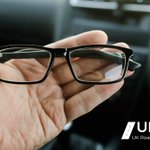
Do you know what VLT is?
If you don't then read on. The wearing of sunglasses by drivers has many positive benefits. They protect your eyes from harmful UV light, they reduce strain on your eyes and thereby reduce fatigue and can help you maintain good vision in very bright conditions. You might just look at little cooler too!?
VLT is 'visible light transmission' - this is the amount of light the lenses actually let through. Lenses are graded as category 0 to 4 with the latter being the darkest with the lowest VLT percentage. Whilst most sunglasses are perfectly fine for day time use many would not be recommended for night time use. Lenses that are category 4 (essentially for alpine conditions, glaciers, sailing etc) would be illegal for use on the roads both at night AND during the day. So make sure you are certain your sunnies are safe for driving.

Out of office on and hitting the roads tonight with the family for that well deserved holiday? STOP! How far are you travelling? Are you really rested enough after a day at work to be driving that far? Coffee alone will not see you through.
Fatigue remains a major contributory factor in road collisions. Get plenty of rest before you set off. Better to have a few hours sleep and leave in the early hours than to take a risk with a 20hr day. When you do set off remember to take regular breaks and try the STOP - SIP - SLEEP method.

This coming weekend will be busy on the roads. The last 2 weeks of August that include the bank holiday weekend are generally the busiest times of the summer holidays. So if you're heading off on the roads plan your TRIP in advance to avoid problems and issues once you're underway.
T - Top up - fuel, oil, screenwash
R - Rest - every 2hrs
I - Inspect tyres (tread depth, pressures and condition)
P - Prepare for the weather (remember to carry water, snacks, meds etc)
More info and advice can be found on the National Highways website; nationalhighways.co.uk/safet…

It's been a very dry few months but rain, for some of us, is now expected. If you get rain and you're driving then here's a few things to think about.
1. Weeks of dry weather bake vehicle fluids and rubber particles into the tarmac; initial rain floats these oils to the top before they wash away creating a very greasy and slippy surface. This reduces grip and traction and significantly increases your chances of skidding.
2. The ground is baked dry and hard and will not absorb water like it normally may. Consequently there is a risk of run off from fields and high ground creating rapid accumulations of surface water at low points.
So if you get rain;
1. Slow down
2. Increase your separation distance
3. Brake more gently and for longer rather than sharp braking
4. Rule out aquaplaning and hidden potholes by avoiding standing water.

Learning to ride a bike is one of those key moments in life like passing your driving test. During the summer holidays many more children will be out on the roads riding their bikes or on the quieter streets learning how to ride and practicing. When out on the roads we should always give cyclists plenty of room when we pass.. if it's a family group with a very young rider give them even more. Drive slowly and with even more care on the quieter residential roads where children may be playing.
