

The intelligent command layer for crypto. Trade, swap, bridge, scan, deploy, and manage everything from a single interface. No tabs. No friction. No chaos.
- Tweets218
- Following33
- Followers61
- Likes251




ALT GhostOS community question banner: a cautious cat faces four doors labeled Token, Network, Gas, and Signing under “Where do beginners quit?”

ALT Editorial GhostOS banner: a Bangla question is understood, while the assistant honestly shows that live data is unavailable.

ALT Real GhostOS Guest Mode screenshot showing a Bangla request for the current ETH price on Base and a Bangla response stating that live price data is unavailable.

ALT GhostOS comic: a transaction shreds itself while an intact network-fee receipt appears, with the headline “Transaction failed. Fee succeeded.”

ALT GhostOS meme: a black cat in a purple hoodie looks at a tiny liquidity puddle under the headline “Liquidity: technically present.”

ALT Ghost OS community banner: a purple-hooded black cat faces Route, Fees, and Approval checkpoints before a Confirm doorway.

ALT Ghost OS editorial banner with a purple-hooded black cat and the text, Live data can say: unavailable.

ALT Authentic GhostOS Guest Mode capture from October 24, 2026 showing a SOL price card, Dexscreener source, timestamp, and 24h change marked unavailable.

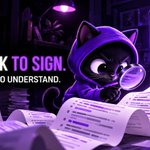
ALT Ghost OS meme: a purple-hooded black cat uses a magnifying glass to read an absurdly long abstract signing permission scroll.

ALT Ghost OS meme: a purple-hooded black cat at a laptop faces a red Wrong Network warning. Text reads, Ready to swap. Wrong network.

ALT Ghost OS editorial banner: a purple-hooded black cat pauses before an abstract signing doorway. Text reads, Before I sign: What? Who? How much?

ALT Ghost OS editorial banner: a purple-hooded black cat compares USDC ticker cards using contract fingerprints. Text reads, Ticker isn’t identity. The contract is.

ALT Authentic GhostOS Guest Mode capture from October 23, 2026. The user asks to scan USDC on Base for risk, and Ghost requests the token contract address before running a real safety scan.

ALT Ghost OS meme: a purple-hooded black cat is stuck in a circular maze trying to reach gas. Text reads, Need gas to get gas. Crypto’s favorite side quest.

ALT Ghost OS meme: a startled purple-hooded black cat is surrounded by many abstract wallet-extension windows. Text reads, Connect wallet. 12 extensions entered the chat.

ALT Ghost OS editorial banner: a purple-hooded black cat reviews abstract information panels before entering a glowing doorway. Text asks what should work before connecting a wallet.

ALT Ghost OS editorial banner showing one ticker attached to multiple contract fingerprints. Text reads, Same ticker. Different contracts.

ALT Authentic GhostOS guest-mode screen from October 22, 2026 showing several USDG results with price, liquidity, volume and Dexscreener source links.

ALT Ghost OS meme: a purple-hooded black cat examines an abstract signature request with a magnifying glass. Text asks what the signature does.

ALT Ghost OS meme: a purple-hooded black cat reacts to a rising gas meter. Text reads, Estimated: easy. Final: character development.

ALT Ghost OS community comic: a purple hoodie cat stands at a bridge fork with signs for fee, minimum received, time and destination. What makes you abandon a bridge?

ALT Ghost OS editorial banner: a purple hoodie cat presents a bridge quote at a sign-in checkpoint. Asked for a bridge quote. Guest Mode showed the boundary. 21 October 2026.

ALT Genuine Ghost OS Guest Mode capture from 21 October 2026. The exact input asks the cost to bridge 0.01 ETH from Base to Arbitrum. Ghost replies that authentication is required and no transaction was sent.

ALT Ghost OS original meme: a purple hoodie cat verifies route papers while a glowing timer says EXPIRED. Finally verified the route. Quote expired.

ALT Ghost OS original meme: a purple hoodie cat holds a tiny swap ticket before an enormous contract asking APPROVE ALL? I wanted to swap. Why are we discussing forever?