
Grown and Sexy
Richmond, VA
Joined March 2016
- Tweets30.2K
- Following677
- Followers936
- Likes23.5K





T. C. retweeted

#VoteBlue
✊✊✊✊✊✊✊✊✊✊✊✊✊✊✊✊✊✊✊✊✊✊✊✊✊✊✊✊✊✊✊✊✊✊✊✊✊✊✊✊✊✊✊✊✊✊✊✊✊✊✊✊✊✊✊✊✊✊✊✊✊✊✊✊✊✊✊✊💙💙💙💙💙💙💙💙💙💙💙💙💙💙💙💙💙💙💙💙💙💙💙💙💙💙💙💙💙💙💙💙💙💙💙💙
#SaveHollywood
#VoteBlueToSaveAmerica


T. C. retweeted

🚨🚨Missing foster care child Philadelphia area
This is not okay. 14-year-old David Aubrey reportedly vanished from Philadelphia, Pennsylvania, after stepping outside to take out the trash at his foster home — and hasn’t been seen since.🚨🚨


T. C. retweeted

🇰🇵🇮🇱 North Korean leader Kim Jong Un:
"Israel is not a country... It's a terrorist project backed by Washington."
T. C. retweeted

Lady Gaga's powerful speech against donald trump.
This video was deleted from twitter by elon musk.
You know what to do ‼️
T. C. retweeted

"We are still suffering in Gaza, and the genocide continues. Show us you haven't forgotten us—leave a comment below! 🇵🇸"


T. C. retweeted
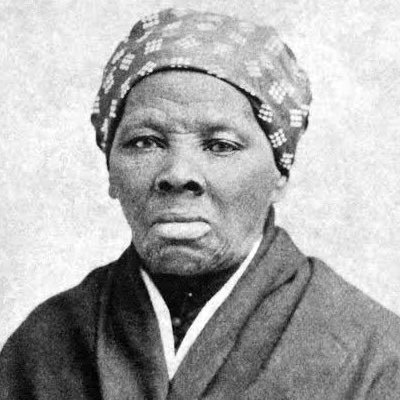
100 years ago, thirteen black men put together their savings and founded Safe Bus Company, making it the largest black owned bus company at that time.
It was formed in Winston-Salem to serve the black neighborhoods due to segregation and operated till 1972.
Thirteen Black men pooled their life savings to purchase $100,000 in stock, forming Safe Bus Co., Inc. on May 26, 1926. The company quickly grew into the largest African American–owned bus company in the nation.
Safe Bus expanded rapidly and was once described as the largest Black-owned transportation company in the world. By 1955, the company grossed $825,000. At its peak, it carried approximately 15,000 passengers per day, earned $18,000 weekly, and employed 75 people.
Early fares began at five cents and increased as the company expanded. The fleet grew from 35 to 42 buses, serving roughly 20 percent of the city. Black bus drivers earned between $1.60 and $2.50 per hour—wages that exceeded those of many schoolteachers at the time.
By 1968, Safe Bus provided transportation across the entire city. However, following integration, the company experienced a sharp decline in ridership. Changing social attitudes and increased competition led to significant financial losses.
In 1972, stockholders voted to sell Safe Bus to the city. The Winston-Salem Transit Authority then assumed responsibility for public transportation, marking the end of one of the most successful Black-owned transit companies in American history.


