

The BioMechanics Method are creators of the fitness industry's highest-rated corrective exercise specialist certification course. https://xitter.cf/t.co/0BmxZBoV69
Joined February 2010
- Tweets2.1K
- Following507
- Followers622
- Likes7





Growing up hearing "bad backs run in the family" teaches you to panic at every ache locking you in fight-or-flight. Next time pain flares up, try this:1️⃣ Take 5 slow breaths (long exhales).2️⃣ Reframe: "This is temporary. My body is adapting." Train your mindset like a muscle.

15
Fascia isn't just passive wrapping, it's a sensory organ wired to your nervous system. Chronic stress makes it tighten and dehydrate, locking in tension that stretching alone won't fix. Help it let go with slow breathing, gentle rolling, and fluid movement.

25
Corrective exercise is a partnership. Helping someone rebuild a body that feels broken requires empathy, active listening, and jargon-free communication. People don't change movement patterns because AI told them to. They change because they trust the professional beside them.

14
The BioMechanics Method Advanced Corrective Exercise Specialist (TBMM-AdCES) certification takes your corrective exercise skills to the next level.
📷 Get certified as an Advanced Corrective Exercise Specialist in The BioMechanics Method today: thebiomechanicsmethod.com/ad…

18
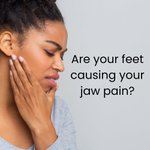
When your feet and ankles roll in your legs twist inward too. That pulls the pelvis forward/down, creating an excessive arch in your lower back. The upper back then rounds forward as your head juts forward pulling the jaw out of alignment. This leads to tension/pain in the jaw.

42
Adductors don't just squeeze your legs together.
When walking and your front leg plants your body travels forward over your foot into hip extension.
As the hip extends, certain fibers of the adductors work eccentrically to slow down forces to your hip, pelvis, and lower back.

25
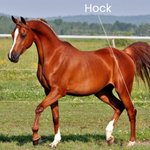
The word heel traces back to kenk-, which meant "heel" or "bend/angle." It shares the same root as the word hock (of quadrupeds). For example, in horses, the hock is the direct evolutionary equivalent of the human ankle and heel.

21
As the weather changes so too does fascia. The atmosphere is like a compression suit. When bad weather causes the air pressure to drop there is less compression. With less compression, your tissues expand. In tight areas tissue cannot stretch as easily so they throb or ache.

11
Without frequent, varied movement through full range, articular cartilage starves and dehydrates. This is why prolonged joint immobilization causes rapid cartilage thinning and breakdown, whereas controlled, low-impact loading actively maintains joint health and vitality.

1
26
To encourage a restful sleep incorporate a 5-minute pre-bed movement routine focusing on gentle self-myofascial release for the pecs and hip flexors, followed by 2 minutes of supine diaphragmatic breathing with feet elevated to prepare the body for deep rest. Sleep well!

17
We are delighted that our new Advanced Corrective Exercise Specialist (TBMM-AdCES) course is being well received. Thank you to all our new Advanced Specialists for putting in the extra effort needed to elevate your skills further and set yourself apart from the competition.

18
A stressful week doesn't just mess with your mind? It also shows up right in your neck, lower back, or clenched jaw?
That’s because emotional stress and physical tension live on a two-way street. youtube.com/watch?v=5T2Xditz…
#causesofbackpain #correctiveexercisespecialist
10
In corrective exercise planning is key. It provides the roadmap and the rationale for why you chose each step. But your real value lies in your ability to observe, adjust, and adapt on the fly. Don’t marry the plan. Marry the outcome: restoring pain-free, efficient movement.

1
22
The nuchal ligament helps resist excessive forward bending of the head and neck. For example, when falling asleep on an plane nodding your head forward, it is in part due to this ligament sending signals to the brain to tell your muscles to pull your head back up that wakes you.

1
15
We spend so much time showing up for everyone else that our own maintenance often gets pushed to the bottom of the list. Treat your own body with the same dedication, patience, and attention you give everyone else. You need it just as much as they do.

13
In professional sports, strength and power mean little if the underlying movements are compromised. High-performance franchises across the NFL, NBA & MLB no longer use corrective exercise as a rehab protocol. Instead, it has become a central pillar of performance programming.

17
The word pectoral traces back to the word pectus meaning “chest,” “breast,” or “breastbone.” When Renaissance anatomists began cataloging muscles, they adopted Latin descriptors. Since the muscles of the chest overlaid the pectus—they were designated as such.

47
To help riders, incorporate foam rolling the inner thigh muscles (adductor muscles) into their program before they ride. This will help improve hip abduction and decrease the potential that they will overarch their lower back as they sit/ride.

39
We are pleased to provide you with payment plans and payment options to facilitate your pursuit of valuable education. Options are available for all of our corrective exercise courses through trusted partners Affirm (US-based customers only) and PayPal. thebiomechanicsmethod.com/pa…

19
