

Tobacco Harm Reduction | Nicotine Science | Science Communication Explaining the science behind nicotine, smoking and tobacco harm reduction.
Joined July 2026
- Tweets244
- Following62
- Followers24
- Likes718




THR Explained retweeted

Nigeria must choose smart regulation over prohibition. Policymakers should establish a clear, risk-proportionate framework for safer nicotine products, protect young people, and ensure adults who smoke can access better alternatives.
Don't regulate all nicotine products like cigarettes. Regulate according to risk. Save lives. #Nigeria

THR Explained retweeted
Flavours in vapes are more than just taste. Research shows that restricting them could undermine smoking cessation efforts. For adults trying to quit cigarettes, access to appealing alternatives matters. Protect consumer choice, support harm reduction, and regulate, don’t ban #Vapes #Nicotine #NicotinePouches bristol.ac.uk/news/2024/june…
HOW STRONG IS THE EVIDENCE FOR THR?
1. WHAT WE KNOW
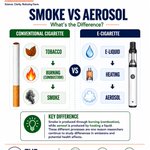
Smoking burns tobacco and creates harmful chemicals. Without combustion, exposure to many of these chemicals can be much lower. That is one of the key ideas behind THR.
6. SO HOW STRONG IS THE EVIDENCE?
Strong enough to show that switching completely from smoking can reduce exposure to many harmful chemicals. Less certain when it comes to long-term disease risk.
5. WHAT MAKES EVIDENCE STRONGER?
We need more longer studies,larger groups, independent research,real-world data and health outcomes.
4. WHY LOOK AT DIFFERENT EVIDENCE?
Chemical tests tell us about exposure,biomarkers tell us about changes in the body and health studies tell us about health outcomes. Each adds something different.
3. WHAT REMAINS UNCERTAIN?
Lower exposure is important, but it does not tell us exactly how much disease risk falls. Long-term health effects need more study.
2. WHAT DOES THE EVIDENCE SUGGEST?
For adults who smoke, completely switching to some non-combustible nicotine products can reduce exposure to many harmful chemicals compared with continuing to smoke, although this does not mean zero risk.
THR Explained retweeted

"If nicotine turns out to be genuinely useful for many adults, we should learn to disentangle it from smoking and think of it as an everyday stimulant, not a public menace."

Smoking is bad for you. Nicotine isn't—but politicians keep trying to ban it. reason.com/2026/10/01/smokin…

5 WAYS RESEARCH HEADLINES CAN MISLEAD YOU.
1. THE HEADLINE MAY LEAVE OUT THE COMPARISON
“Product X has lower exposure” sounds informative but lower than what?
A finding only makes sense when you know what it was compared with.
5. THE HEADLINE MAY SOUND MORE CERTAIN THAN THE EVIDENCE
Words like “proves,” “causes” or “shows” can make a finding sound definitive when the researchers themselves may describe uncertainty or limitations.
4. THE PEOPLE STUDIED MAY NOT REPRESENT EVERYONE
A result from a particular group, age range or setting may not apply to every smoker or nicotine user. Who was studied matters.
3. THE STUDY MAY NOT HAVE MEASURED WHAT YOU THINK IT DID
A study measuring biomarkers or chemical exposure is not the same as a study measuring disease.
What was measured matters.
2. “HIGHER” OR “LOWER” DOESN’T TELL YOU HOW MUCH
A headline can say a risk was “higher” or “lower” without telling you the size of the difference. The actual numbers can give you a very different picture.
THR Explained retweeted
🇳🇬 "Nigeria should develop an evidence-based policy on tobacco harm reduction as part of a broader strategy to reduce smoking-related disease and help adults who are unable or unwilling to quit nicotine entirely" punchng.com/nigeria-urged-to… #Nigeria #HarmReduction

WHICH WOULD MAKE YOU QUESTION A RESEARCH CLAIM?
0%Very small study
50%Weak study design
50%No comparison group
0%Conflicting results
2 votes • Final resultsYOU SEE “A NEW STUDY FINDS” WHAT DO YOU CHECK FIRST?
50%Who was studied
0%What was measured
0%How it was studied
50%The actual results
2 votes • Final results