

Posting photos of amazing species you've never heard of. Highlighting the wonders of evolution & the extraordinary diversity of life. Also follow @weird_animaIs
Earth
Joined June 2013
- Tweets4.3K
- Following26
- Followers142K
- Likes25K


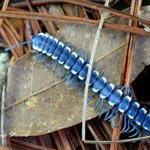
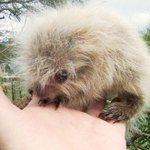
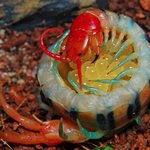
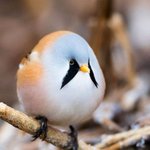



The tiny Rufous hummingbird is known for its remarkable flight skills, sometimes flying up to 2,000 miles (3,200 km) during migrations.


Strange Animals retweeted
A Mary River turtle with algae growing on its shell. The turtle uses this algal growth as camouflage to hide from predators.
(Photo Chris Van Wyk)

These specialised parasites have co-evolved with their bat hosts for millions of years. They have developed a flat, hard body to prevent being crushed & velcro-like hairs & claws to grip their host. It looks like a spider, but is actually a wingless fly!
(Photos Piotr Nasrecki)


Bat flies have no eyes & feed on the blood of their mammalian hosts. Unusually, these flies give birth to a single, fully developed larva (rather than lots of eggs). After giving birth, the bat fly leaves its host & attaches its larva to a cave wall, ready to find its next host.

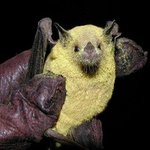
Bats are important pollinators for some cactus species and many other plants.
(Photo National Park Service)

The potoo disguises itself as a broken tree branch to avoid predators. Its posture & colouring is a perfect camouflage!
(Photos Nick Garbutt)


The Malabar giant squirrel. Found in the forests of India, it can grow up to 1 metre long (including its tail) and spends almost its entire life high in the treetops, rarely coming down to the ground.
(Photo Massimo)

Scientists once published an entire paper titled "Control of scrotal color in the vervet monkey."
They found that the monkeys' famous blue testicles aren't caused by blue pigment, but rather by light scattering (the Tyndall effect) over a layer of melanin.
(Photo Diego Delso)


