

One clear path from zero to confident investor. Free, step-by-step, with a virtual $1M simulator. Education, not advice. Start here
Joined December 2024
- Tweets3.2K
- Following337
- Followers53
- Likes5



Pinned Tweet
📚 StockEducation.com exists to solve one problem
Learning the stock market is confusing, scattered, and overwhelming.
We built one place where people can learn how investing and trading actually work from the ground up.
What we focus on
📘 Clear, structured lessons in the correct learning order
📊 Real world market and investing education
🧠 Business and financial fundamentals
🤖 AI tools that explain concepts, guide learning, and support understanding
We do not tell people what stocks to buy.
We teach how markets work, how businesses create value, how to analyse stocks, and how to think independently as an investor.
What learners can access
🆓 Free lessons and AI powered features
🧮 Calculators and market tools
📈 A simple learning path from beginner to confident investor
🎯 Our goal is simple
1. Remove confusion
2. Increase financial understanding
3. Make stock market education clear, modern, and accessible


Which dividend date matters when checking whether a purchase qualifies for a payout: declaration, ex-dividend, record or payment? Explain your choice.
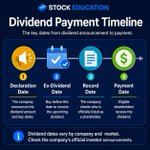
Declaration date. Ex-dividend date. Record date. Payment date. Four dividend dates, four different jobs—and the company can still change or skip the payout. Which one causes the most confusion?


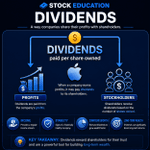
A stock price is unchanged, but the company paid a dividend. Did the investment return zero? What else would you include when comparing the result?
Stocks can create returns in two ways: price growth and cash dividends. Total return combines both—before fees and tax. Which part do beginners overlook more often?

Two ETFs have similar names. One is cheaper; one holds a different basket. Which do you check first: holdings, fees or strategy? Why?
An ETF can hold dozens or hundreds of investments in one trade. That can reduce single-company risk—but it does not remove market risk. What do you check first: holdings, fees or strategy?

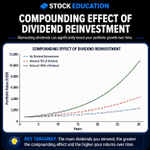
What makes a doubling-time estimate useful—and what can make it misleading? Start with assumed return, fees, tax and changes in returns. Which would you check first?
At an assumed 8% annual return, the Rule of 72 estimates roughly nine years to double. It is a shortcut, not a promise: variable returns, fees and tax change the result.
Average purchase price changes when you buy at different prices. Track total cost divided by total shares, then judge the investment on fundamentals—not only whether you are above or below break-even.

ALT Average purchase price calculation visual using multiple share purchases
What matters most to long-term compounding?
A) Time
B) Contributions
C) Returns
D) Fees
Reply A, B, C or D.
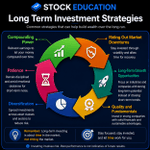
Starting at 25 gives compounding ten more years than starting at 35. The advantage is not magic—it is time, repeated contributions and returns earning returns. Small delays can create large gaps over decades. Which matters most to you: time, contribution or fees?
