
"When it comes to investing, what is comfortable is rarely profitable."
Joined June 2024
- Tweets39
- Following59
- Followers180
- Likes236

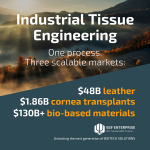
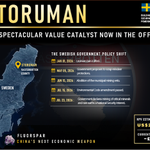

🚨 𝐎𝐔𝐓𝐑𝐀𝐆𝐄𝐎𝐔𝐒𝐋𝐘 𝐂𝐇𝐄𝐀𝐏 #HALO #HaloMinerals
In the rarefied world of London’s micro-cap natural resources sector, investors are perpetually bombarded with narratives of what could be. Exploration drill holes, greenfield scoping studies, and geological fantasies often masquerade as investable propositions.
However, every so often, a name emerges that defies this speculative mould → one where the science is settled, the economics are proven, and yet the market appears resolutely indifferent.
Enter 𝐇𝐚𝐥𝐨 𝐌𝐢𝐧𝐞𝐫𝐚𝐥𝐬 (𝐇𝐀𝐋𝐎);
Trading at a mere 10.50p per share, with a market capitalisation of just £11.63 million, this debt-free, funded, Chilean copper tailings play offers one of the most asymmetric risk-reward profiles on AIM.
𝐏𝐥𝐚𝐲𝐚 𝐕𝐞𝐫𝐝𝐞→ 𝐀𝐧 𝐎𝐮𝐭𝐫𝐚𝐠𝐞𝐨𝐮𝐬𝐥𝐲 𝐂𝐡𝐞𝐚𝐩 𝐀𝐬𝐬𝐞𝐭 𝐢𝐧 𝐚 𝐓𝐢𝐞𝐫-𝟏 𝐉𝐮𝐫𝐢𝐬𝐝𝐢𝐜𝐭𝐢𝐨𝐧
For those unfamiliar, the Playa Verde project is Halo’s flagship asset → a technically de-risked copper tailings operation located in Chañaral, within Chile’s Atacama Region; one of the most prolific and strategically important copper jurisdictions in the world.
The project encompasses six mining concessions over 13.57km² and benefits from a completed Definitive Feasibility Study (DFS).
The JORC-compliant Mineral Resource stands at 53 million tonnes grading 0.24% copper, containing approximately 126,000 tonnes of the red metal. Within this, Ore Reserves total 32.2 million tonnes at 0.25% Cu.
The operational blueprint is refreshingly straightforward: dredge and process (via leaching) five million tonnes annually (~14,000 tpd) with a 72% Cu recovery rate (59% cathode and 13% to concentrate).
The initial mineable inventory (7 years) is expected to yield 60,329 tonnes of refined copper!
𝐓𝐡𝐞 𝐂𝐚𝐬𝐡 𝐅𝐥𝐨𝐰 𝐂𝐚𝐥𝐜𝐮𝐥𝐮𝐬
Where Playa Verde truly distinguishes itself from the junior mining herd is in its project economics. Using a conservative copper price of US$5.30/lb, the asset generates a post-tax NPV10 of US$154.1 million (£113.5 million) and an IRR of 50.9%.
Yet, here lies the rub; the current copper price hovers around US$6.50/lb → a level that utterly transforms the mathematics. At prevailing prices, the post-tax NPV10 jumps to ~US$241 million (£177.6 million), accompanied by an eye-catching IRR of 73%!
𝐅𝐨𝐫 𝐚 𝐜𝐨𝐦𝐩𝐚𝐧𝐲 𝐰𝐢𝐭𝐡 𝐚 𝐬𝐮𝐛-£𝟏𝟐 𝐦𝐢𝐥𝐥𝐢𝐨𝐧 𝐦𝐚𝐫𝐤𝐞𝐭 𝐜𝐚𝐩, 𝐭𝐡𝐞 𝐬𝐡𝐞𝐞𝐫 𝐨𝐩𝐞𝐫𝐚𝐭𝐢𝐧𝐠 𝐥𝐞𝐯𝐞𝐫𝐚𝐠𝐞 𝐞𝐦𝐛𝐞𝐝𝐝𝐞𝐝 𝐢𝐧 𝐭𝐡𝐞𝐬𝐞 𝐧𝐮𝐦𝐛𝐞𝐫𝐬 𝐢𝐬 𝐧𝐨𝐭𝐡𝐢𝐧𝐠 𝐬𝐡𝐨𝐫𝐭 𝐨𝐟 𝐫𝐞𝐦𝐚𝐫𝐤𝐚𝐛𝐥𝐞.
And every movement in the copper price flows directly through to the bottom line.
Thus, with major producers forecasting structural supply deficits, the macro winds are firmly at Halo’s back.
𝐓𝐡𝐞 𝐇𝐢𝐝𝐝𝐞𝐧 𝐔𝐩𝐬𝐢𝐝𝐞
Beyond the defined Ore Reserves, management has identified an additional 20 million tonnes of resource in the western berm and shoreline zone. Crucially, the company has also lodged an application for a maritime concession (extraction permit) covering approximately 100 million tonnes of similar copper-bearing material submerged in Chañaral Bay.
The strategic implications are profound;
The 20 million tonnes effectively extends the mine life with negligible incremental operating expenditure.
The 100 million tonnes, however, represents a genuine game-changer. Should the maritime permit be granted in Q1 2027 as anticipated, Halo’s total resource inventory would quadruple to nearly 154 million tonnes, propelling this junior into the upper echelons of global sediment-hosted copper deposits.
𝐓𝐡𝐞 𝐂𝐚𝐭𝐚𝐥𝐲𝐬𝐭 𝐂𝐨𝐮𝐧𝐭𝐝𝐨𝐰𝐧→ 𝐀 𝐃𝐞𝐟𝐢𝐧𝐞𝐝 𝐏𝐚𝐭𝐡 𝐭𝐨 𝐏𝐫𝐨𝐝𝐮𝐜𝐭𝐢𝐨𝐧
The next six months represent a transformational period for Halo, with a sequence of de-risking catalysts that leave little room for doubt:
✅ Delivery of the optimised Defined Feasibility Study (DFS) → Imminent.
✅ Delivery of the Bankable Feasibility Study (BFS) → Imminent.
✅ Delivery of the Final Investment Decision (FID) → Q4 2026
✅ Construction Commencement → Q1 2027
✅ Maritime Concession Issuance → Q1 2027
Yes, the execution phase is firmly within sight.
𝐓𝐡𝐞 𝐑𝐞𝐠𝐢𝐬𝐭𝐞𝐫 𝐚𝐧𝐝 𝐭𝐡𝐞 𝐁𝐨𝐚𝐫𝐝→ 𝐂𝐨𝐦𝐩𝐥𝐞𝐭𝐞 𝐀𝐥𝐢𝐠𝐧𝐦𝐞𝐧𝐭
One of the most compelling aspects of the Halo story is the quality and alignment of its shareholder base. The top five shareholders control ~58.4% of the company whilst retail investors (LONGS) control ~16.7%, leaving an estimated free float of just ~25%.
Notable holders include MBD Partners (21.14%), Atacama Investments Ltd (14.10%), and C4 Energy Ltd (8.00%).
CEO Andrew Dennan maintains a direct interest via C4 Energy, ensuring that management’s interests are fully aligned with those of minority shareholders.
The board, on the other hand, brings formidable industry expertise;
Dennan, at the helm since 2019, navigated the transformational acquisition of Copper Bay Limited and orchestrated a successful AIM IPO in March 2026, raising £4 million at 18p per share. With CFO Frank Jackson, COO Erick Pegot-Ogier Pelagatti, and David Minchin rounding out the executive team, this is a group with the operational pedigree to deliver.
𝐓𝐡𝐞 𝐌𝐚𝐜𝐫𝐨 𝐓𝐚𝐢𝐥𝐰𝐢𝐧𝐝→ 𝐂𝐨𝐩𝐩𝐞𝐫’𝐬 𝐒𝐞𝐜𝐮𝐥𝐚𝐫 𝐔𝐩𝐜𝐲𝐜𝐥𝐞
It is impossible to divorce Halo’s micro-narrative from the broader macroeconomic backdrop. Copper is the essential metal of the energy transition → indispensable for electrification, renewable infrastructure, and the data centres powering the artificial intelligence revolution.
The ICSG underscores that demand remains tightly correlated with global economic activity, while industry titans such as BHP project a 77% increase in copper demand by 2050. Glencore, meanwhile, forecasts a staggering 27-million-tonne supply deficit over the coming decades.
In an environment where major producers are struggling to bring new supply online, a low-risk, high-margin project like Playa Verde represents precisely the kind of strategic asset that acquirers covet.
𝐕𝐚𝐥𝐮𝐚𝐭𝐢𝐨𝐧→ 𝐃𝐢𝐬𝐜𝐨𝐮𝐧𝐭𝐞𝐝 𝐭𝐨 𝐎𝐛𝐥𝐢𝐯𝐢𝐨𝐧
At 10.50p per share, Halo sports a 71% upside to its 18p IPO price tag from just five months ago. But more significantly, it implies a dramatic dislocation from its underlying asset value.
A de-risked development asset with FID in sight typically changes hands at 20–30% of its post-tax NPV. Thus, applying a 30% multiple to the base-case NPV of £113.5 million yields a fair value of £34.05 million, or 30.70p per share. That represents a 192% upside from the current price!
However, when applying current copper prices to the valuation framework, the numbers become even more striking;
Using an ultra-conservative 50% discount to the current-price NPV of £177.6 million yields an implied valuation of approximately £88 million → more than seven times the prevailing market capitalisation.
𝐓𝐡𝐢𝐬 𝐢𝐬 𝐧𝐨𝐭 𝐚 𝐦𝐚𝐭𝐞𝐫𝐢𝐚𝐥 𝐦𝐢𝐬𝐩𝐫𝐢𝐜𝐢𝐧𝐠. 𝐈𝐭 𝐢𝐬 𝐚 𝐦𝐚𝐫𝐤𝐞𝐭 𝐟𝐚𝐢𝐥𝐮𝐫𝐞.
And quick-footed investors have, rightly so, began buying-up the stock at the current bombed-out prices.
𝐓𝐡𝐞 𝐁𝐨𝐭𝐭𝐨𝐦 𝐋𝐢𝐧𝐞
Halo Minerals is not a speculative punt on exploration success. It is a technically mature, economically compelling copper project that is about to deliver a cascade of de-risking catalysts over the coming months.
With a clean balance sheet, a cash runway to Q3 2027, HNW investor and institutional backing, an aligned management team, and exposure to copper’s secular bull market, the investment case rests on solid fundamental ground.
Thus, for the discerning investor, Halo represents one of the most compelling opportunities on AIM.

🚨𝐈𝐍𝐂𝐎𝐌𝐈𝐍𝐆 𝐕𝐀𝐋𝐔𝐄 𝐂𝐀𝐓𝐀𝐋𝐘𝐒𝐓 #VAST
Confirmation that the company is operationally executing on its tailings reprocessing strategy at Aprelevka.
The arrival of the equipment, and near-completion of civil works, suggest the plant is on track to begin processing tailings. This is expected to increase production throughput (to over 1,000 tpd) and unlock significant additional gold and silver ounces from the Soviet Tailings, which contain an estimated 235,000–331,000 oz of gold and 65–89 million oz of silver.
𝐑𝐞𝐦𝐞𝐦𝐛𝐞𝐫, 𝐲𝐨𝐮 𝐝𝐨𝐧’𝐭 𝐠𝐞𝐭 𝐫𝐞𝐰𝐚𝐫𝐝𝐞𝐝 𝐟𝐨𝐫 𝐭𝐚𝐤𝐢𝐧𝐠 𝐫𝐢𝐬𝐤𝐬, 𝐲𝐨𝐮 𝐠𝐞𝐭 𝐫𝐞𝐰𝐚𝐫𝐝𝐞𝐝 𝐟𝐨𝐫 𝐛𝐮𝐲𝐢𝐧𝐠 𝐭𝐡𝐞 𝐜𝐡𝐞𝐚𝐩𝐞𝐬𝐭 𝐚𝐬𝐬𝐞𝐭𝐬.


🚨𝐀 𝐍𝐄𝐖 𝐂𝐇𝐀𝐏𝐓𝐄𝐑 𝐁𝐄𝐂𝐊𝐎𝐍𝐒 #VAST
For long-suffering shareholders of Vast Resources (VAST), the past decade has been a study in frustration.
Missed targets, operational setbacks and a seemingly endless cycle of hope and disappointment have tested the patience of even the most stoic investor. Yet to judge today's VAST by the sins of its predecessors would be a grave error.
𝐓𝐡𝐢𝐬 𝐢𝐬, 𝐢𝐧 𝐞𝐯𝐞𝐫𝐲 𝐦𝐞𝐚𝐧𝐢𝐧𝐠𝐟𝐮𝐥 𝐬𝐞𝐧𝐬𝐞, 𝐚 𝐜𝐨𝐦𝐩𝐥𝐞𝐭𝐞𝐥𝐲 𝐝𝐢𝐟𝐟𝐞𝐫𝐞𝐧𝐭 𝐜𝐨𝐦𝐩𝐚𝐧𝐲.
The transformation centres on the completed reverse takeover of 𝐆𝐮𝐥𝐟 𝐈𝐧𝐭𝐞𝐫𝐧𝐚𝐭𝐢𝐨𝐧𝐚𝐥 𝐌𝐢𝐧𝐞𝐫𝐚𝐥𝐬, a transaction that has given Vast a 49% beneficial interest in the producing Aprelevka JV in northern Tajikistan (with the Government of Tajikistan as the JV partner).
Aprelevka operates four active mining licences along the Tien Shan Gold Belt and currently produces approximately 11,000 ounces of gold and 130,000 ounces of silver annually from mined ore and tailings.
𝐓𝐡𝐚𝐭 𝐢𝐬 𝐫𝐞𝐚𝐥 𝐩𝐫𝐨𝐝𝐮𝐜𝐭𝐢𝐨𝐧, 𝐫𝐞𝐚𝐥 𝐦𝐞𝐭𝐚𝐥, 𝐫𝐞𝐚𝐥 𝐫𝐞𝐯𝐞𝐧𝐮𝐞.
Alongside the Tajikistan assets, Vast retains its 100% owned Romanian portfolio, including the Baita Plai polymetallic mine in the Apuseni Mountains.
Baita Plai has been temporarily suspended while management conducts a comprehensive technical review and devises an optimal mining strategy, but the company has confirmed it is now preparing to restart operations within 3 months.
With a refreshed management team installed and personnel levels reduced by more than 50% to cut costs and boost efficiency, the Romanian asset represent a second production engine waiting to be fired up.
Crucially, the revenue picture is set for a step change.
Current Aprelevka production, even before any expansion, generates meaningful cash flow from gold and silver sales. But with gold prices remaining robust and silver following suit, a 2026 revenue guidance, incorporating current metal prices, would look radically different from the modest revenues reported.
𝐌𝐞𝐚𝐧𝐢𝐧𝐠, 𝐭𝐡𝐞 𝐜𝐚𝐬𝐡 𝐩𝐫𝐢𝐧𝐭𝐢𝐧𝐠 𝐦𝐚𝐜𝐡𝐢𝐧𝐞 𝐚𝐭 𝐕𝐀𝐒𝐓 𝐰𝐢𝐥𝐥 𝐬𝐜𝐚𝐥𝐞 𝐬𝐢𝐠𝐧𝐢𝐟𝐢𝐜𝐚𝐧𝐭𝐥𝐲 𝐡𝐢𝐠𝐡𝐞𝐫 𝐛𝐲 𝐐𝟏 𝟐𝟎𝟐𝟕.
Notably, the company raised £7.9 million through a placing and subscription (inclusive of a £300,000 oversubscribed retail offer) at 6.25p per share, demonstrating strong support from both institutional and retail investors.
The real kicker, however, comes in the form of a US$10 million loan facility secured from none other than the mighty Glencore → with US$4 million designated for project expansion at Aprelevka and US$6 million for working capital.
𝐆𝐥𝐞𝐧𝐜𝐨𝐫𝐞 𝐡𝐚𝐬 𝐨𝐩𝐭𝐢𝐨𝐧𝐬 𝐭𝐨 𝐜𝐨𝐧𝐯𝐞𝐫𝐭 → 𝐦𝐞𝐚𝐧𝐢𝐧𝐠 𝐭𝐡𝐞 𝐰𝐨𝐫𝐥𝐝'𝐬 𝐥𝐚𝐫𝐠𝐞𝐬𝐭 𝐜𝐨𝐦𝐦𝐨𝐝𝐢𝐭𝐲 𝐭𝐫𝐚𝐝𝐞𝐫 𝐡𝐚𝐬 𝐚 𝐯𝐞𝐬𝐭𝐞𝐝 𝐢𝐧𝐭𝐞𝐫𝐞𝐬𝐭 𝐢𝐧 𝐬𝐞𝐞𝐢𝐧𝐠 𝐭𝐡𝐞 𝐬𝐡𝐚𝐫𝐞 𝐩𝐫𝐢𝐜𝐞 𝐚𝐩𝐩𝐫𝐞𝐜𝐢𝐚𝐭𝐞.
Chiefly, the company has moved fast to put the capital to work → US$10.9 million of outstanding debt extinguished within the first couple of days of readmission. The balance sheet is being cleaned up. This is a vastly different VAST.
And what of the shareholder structure? Super tight!
80.23% of the company’s shares are in private hands; some of whom are extremely wealthy and powerful individuals.
Romanian millionaire and mining magnate Vasile-Sebastian Albulescu holds 10.08% of the company whilst UAE millionaire businessman Ali Abduljabbar Abdulla Ali Gargash holds ~10.06%. Investment banker Christopher Martínez holds ~8% whilst Premier Miton comes in at 4.86%.
politicalacademy.ro/organisa…
khaleejtimes.com/business/al…
These are serious, well-informed investors who’ve spotted a significant opportunity in VAST. They're also very aligned with the new VAST management who sport serious skin in the game.
Thus, to the ‘legacy’ VAST investors, I’ll say it again; this is a vastly different VAST.
Now, my research would be incomplete if I didn’t talk about the elephant in the room → Australian-Romanian national, and VAST CEO, Andrew Prelea.
He’s been at the helm since January 2018, and there’s no denying that his tenure has coincided with a period of profound underperformance that has inflicted real pain on shareholders.
𝐄𝐦𝐨𝐭𝐢𝐨𝐧, 𝐡𝐨𝐰𝐞𝐯𝐞𝐫, 𝐦𝐮𝐬𝐭 𝐛𝐞 𝐬𝐞𝐭 𝐚𝐬𝐢𝐝𝐞.
Prelea has navigated the company through a complex reverse takeover, secured the Gulf International acquisition, raised fresh capital, restructured the balance sheet and assembled a new technical team.
He has also personally extended an interest-free loan of €500,000 to the company and continues to attract willing HNW investors → like the £427,000 straggler.
𝐓𝐡𝐮𝐬, 𝐰𝐡𝐚𝐭𝐞𝐯𝐞𝐫 𝐨𝐧𝐞'𝐬 𝐯𝐢𝐞𝐰 𝐨𝐟 𝐭𝐡𝐞 𝐩𝐚𝐬𝐭, 𝐭𝐡𝐞 𝐩𝐫𝐞𝐬𝐞𝐧𝐭 𝐬𝐭𝐫𝐚𝐭𝐞𝐠𝐲 𝐢𝐬 𝐜𝐨𝐡𝐞𝐫𝐞𝐧𝐭 𝐚𝐧𝐝 𝐭𝐡𝐞 𝐞𝐱𝐞𝐜𝐮𝐭𝐢𝐨𝐧, 𝐭𝐡𝐮𝐬 𝐟𝐚𝐫, 𝐡𝐚𝐬 𝐛𝐞𝐞𝐧 𝐝𝐢𝐬𝐜𝐢𝐩𝐥𝐢𝐧𝐞𝐝.
𝐓𝐡𝐞 𝐈𝐧𝐜𝐨𝐦𝐢𝐧𝐠 𝐂𝐚𝐭𝐚𝐥𝐲𝐬𝐭𝐬
✅Drilling results from the Aprelevka tailings facilities that will facilitate a maiden JORC-compliant mineral resource estimate for the tailings asset.
✅Management has signalled its intention to increase Aprelevka's production closer to historical peak rates of approximately 27,000 ounces per year.
✅The restart of the Baita Plai Polymetallic Mine (Romania) which boasts a Measured, Indicated & Inferred mineral resource category of 608,000 tonnes @ 2.58% Cu equivalent. This would add a significant revenue stream to the enlarged group.
𝐁𝐨𝐭𝐭𝐨𝐦 𝐋𝐢𝐧𝐞
For investors willing to look past the historical angst, VAST offers a turnaround story with genuine production, a cleaned-up balance sheet, strong institutional, HNW investor, and board ownership, and multiple near-term catalysts.
Crucially, at 4.25p per share, investors are being given the opportunity to invest at a 32% discount to the placing and subscription price of 6.25p per share → where all the smart money just placed their bets.
And my battle-hardened experience tells me that; with a ~10% free float, and significant sums at stake, and numerous reputations at stake (Shore Capital, Axis, Strand Henson), the ‘City mechanics’ will ensure this returns to the issue price sooner rather than later.

🚨 𝐅𝐔𝐍𝐃𝐀𝐌𝐄𝐍𝐓𝐀𝐋𝐋𝐘 𝐃𝐈𝐒𝐂𝐎𝐍𝐍𝐄𝐂𝐓𝐄𝐃! #BSFA
Imagine for a moment a company that grows leather from dinosaur DNA, sells a peptide that firms human skin for luxury creams, and is now developing a living layer of skin for robots.
That is BSF Enterprise (BSFA) in a nutshell, a tiny biotech (£2.5m mcap) with ambitions that stretch from the catwalk to the operating theatre.
Its portfolio is genuinely spectacular and undeniably compelling, and I would encourage you to dig into the lab grown leather, the robotics skin, and the ETSYL skincare partnership with SCHAKAU, because each has significant commercial potential.
But my focus in this note is on a single asset that could single handedly justify the company's entire market cap several times over.
That asset is LiQD Cornea, an injectable hydrogel that repairs damaged corneas without donor tissue.
The veterinary trial results are due imminently, and if they hit their primary endpoints, this tiny subsidiary called Kerato could be worth several multiples of the entire parent company.
Let us look at the numbers and what they mean for investors holding through this binary moment.
𝐋𝐢𝐐𝐃 𝐂𝐨𝐫𝐧𝐞𝐚 (developed by Kerato Ltd; 100% owned) is arguably the company’s most valuable single asset → and the market is currently valuing the entire business at just £2.5m!
𝐓𝐡𝐚𝐭 𝐢𝐬 𝐚 𝐬𝐞𝐫𝐢𝐨𝐮𝐬 𝐦𝐚𝐫𝐤𝐞𝐭 𝐟𝐚𝐢𝐥𝐮𝐫𝐞.
Poorly informed market participants are primarily the source of the problem. However, a substantive correction is now underway as more investors become aware of the scale of opportunity on offer.
1️⃣ 𝐓𝐡𝐞 𝐀𝐬𝐬𝐞𝐭
LiQD Cornea is a biosynthetic hydrogel implant that's injected into the eye, where it forms a self-sealing gel upon contact with corneal tissue. It suppresses inflammation and facilitates damage repair through tissue remodelling.
𝐍𝐨 𝐝𝐨𝐧𝐨𝐫 𝐭𝐢𝐬𝐬𝐮𝐞 𝐫𝐞𝐪𝐮𝐢𝐫𝐞𝐝. 𝐍𝐨 𝐜𝐨𝐦𝐩𝐥𝐞𝐱 𝐬𝐮𝐫𝐠𝐞𝐫𝐲. 𝐍𝐨 𝐫𝐢𝐬𝐤 𝐨𝐟 𝐠𝐫𝐚𝐟𝐭 𝐫𝐞𝐣𝐞𝐜𝐭𝐢𝐨𝐧.
The global corneal blindness problem is immense.
𝐀𝐜𝐜𝐨𝐫𝐝𝐢𝐧𝐠 𝐭𝐨 𝐭𝐡𝐞 𝐖𝐨𝐫𝐥𝐝 𝐇𝐞𝐚𝐥𝐭𝐡 𝐎𝐫𝐠𝐚𝐧𝐢𝐬𝐚𝐭𝐢𝐨𝐧, 𝐜𝐨𝐫𝐧𝐞𝐚𝐥 𝐝𝐢𝐬𝐞𝐚𝐬𝐞𝐬 𝐚𝐫𝐞 𝐭𝐡𝐞 𝐬𝐞𝐜𝐨𝐧𝐝 𝐥𝐞𝐚𝐝𝐢𝐧𝐠 𝐜𝐚𝐮𝐬𝐞 𝐨𝐟 𝐛𝐥𝐢𝐧𝐝𝐧𝐞𝐬𝐬 𝐰𝐨𝐫𝐥𝐝𝐰𝐢𝐝𝐞.
Traditional treatment relies on human donor corneas, and there's a chronic global shortage. LiQD Cornea offers a simple, scalable alternative.
The corneal implants market is the most directly comparable segment. It's currently worth around ~US$530 million annually, growing to US$845 million by 2032.
marketresearch.com/Market-Gl…
Crucially, LiQD Cornea sits at the intersection of synthetic implants and tissue engineering →the fastest-growing sub-segments.
Synthetic implants are growing at ~4.4% CAGR, but tissue-engineered platforms are expanding at over 17% CAGR. LiQD Cornea is exactly the kind of technology driving that growth.
2️⃣𝐖𝐡𝐚𝐭 𝐋𝐢𝐐𝐃 𝐂𝐨𝐫𝐧𝐞𝐚 𝐁𝐫𝐢𝐧𝐠𝐬 𝐓𝐡𝐚𝐭 𝐎𝐭𝐡𝐞𝐫𝐬 𝐃𝐨𝐧'𝐭
Most corneal implants today are either human donor corneas (limited supply, rejection risk, expensive logistics) or synthetic keratoprostheses (rigid, invasive surgery, high complication rates).
LiQD Cornea is different:
✅ Injectable → minimally invasive.
✅ Self-sealing → no sutures required.
✅ Biosynthetic → mimics natural tissue | regeneration.
✅ Scalable → not reliant on donor supply.
✅ Cell-free → simpler regulatory pathway, lower cost.
𝐓𝐡𝐢𝐬 𝐢𝐬𝐧'𝐭 𝐣𝐮𝐬𝐭 𝐚𝐧𝐨𝐭𝐡𝐞𝐫 𝐢𝐦𝐩𝐥𝐚𝐧𝐭. 𝐈𝐭'𝐬 𝐚 𝐩𝐥𝐚𝐭𝐟𝐨𝐫𝐦 𝐭𝐞𝐜𝐡𝐧𝐨𝐥𝐨𝐠𝐲 𝐭𝐡𝐚𝐭 𝐜𝐨𝐮𝐥𝐝 𝐚𝐝𝐝𝐫𝐞𝐬𝐬 𝐚 𝐦𝐮𝐜𝐡 𝐥𝐚𝐫𝐠𝐞𝐫 𝐩𝐚𝐭𝐢𝐞𝐧𝐭 𝐩𝐨𝐩𝐮𝐥𝐚𝐭𝐢𝐨𝐧 𝐭𝐡𝐚𝐧 𝐭𝐫𝐚𝐝𝐢𝐭𝐢𝐨𝐧𝐚𝐥 𝐭𝐫𝐚𝐧𝐬𝐩𝐥𝐚𝐧𝐭𝐬.
3️⃣ 𝐓𝐡𝐞 𝐃𝐢𝐟𝐟𝐞𝐫𝐞𝐧𝐭 𝐕𝐚𝐥𝐮𝐚𝐭𝐢𝐨𝐧 𝐒𝐜𝐞𝐧𝐚𝐫𝐢𝐨𝐬
The company’s entire market cap is currently ~£2.5 million. LiQD Cornea alone is worth several multiples of that.
𝐒𝐜𝐞𝐧𝐚𝐫𝐢𝐨 𝟏: 𝐂𝐨𝐧𝐬𝐞𝐫𝐯𝐚𝐭𝐢𝐯𝐞(𝐕𝐞𝐭𝐞𝐫𝐢𝐧𝐚𝐫𝐲-𝐎𝐧𝐥𝐲)
➡️ Vet corneal market (fraction of human) → US$100m
➡️ Kerato capture (years 1–5) → ~15%
➡️ Annual revenue potential → US$15 million.
➡️ Spin-out valuation (3–5x revenue) → US$50 million.
𝐒𝐜𝐞𝐧𝐚𝐫𝐢𝐨 𝟐: 𝐁𝐚𝐬𝐞 𝐂𝐚𝐬𝐞(𝐇𝐮𝐦𝐚𝐧 𝐓𝐫𝐢𝐚𝐥𝐬 𝐒𝐮𝐜𝐜𝐞𝐬𝐬)
If LiQD Cornea progresses to human trials and secures regulatory approval:
➡️ Human corneal implant market (2030) → US$700m
➡️ Kerato market share (niche, then scaling) → 3–8%
➡️ Annual revenue potential → ~US$56 million
➡️ Spin-out valuation (5–8x revenue) → US$450m
𝐒𝐜𝐞𝐧𝐚𝐫𝐢𝐨 𝟑: 𝐁𝐮𝐥𝐥 𝐂𝐚𝐬𝐞 (𝐏𝐥𝐚𝐭𝐟𝐨𝐫𝐦 𝐏𝐥𝐚𝐲)
If the hydrogel platform is validated across multiple indications (corneal ulcers, keratoconus, etc.):
➡️ Addressable market → ~US$2 billion+
➡️ Kerato capture (specialist player) → 5–10%
➡️ Annual revenue potential → ~US$200 million
➡️ Spin-out valuation (8–12x revenue) → US$2.4 billion
4️⃣ 𝐓𝐡𝐞 𝐅𝐚𝐢𝐫 𝐕𝐚𝐥𝐮𝐞 𝐨𝐟 𝐊𝐞𝐫𝐚𝐭𝐨 (𝐋𝐢𝐐𝐃 𝐂𝐨𝐫𝐧𝐞𝐚) 𝐓𝐨𝐝𝐚𝐲
Let’s run the numbers conservatively, because the arithmetic here is what transforms this from a speculative story into a compelling investment case.
First, we establish the addressable veterinary market. The global veterinary ophthalmology market is currently valued at approximately US$820 million and is growing at a compound annual rate of nearly 7%.
Corneal repair and implants represent a meaningful subset of that total, and specialist estimates place the directly addressable market for veterinary corneal implants specifically between US$100 million and US$150 million, given the prevalence of traumatic corneal injuries and ulcerative keratitis in companion animals such as dogs and horses.
Now we apply conservative market penetration.
LiQD Cornea is not a marginal improvement; it is an injectable, self-sealing hydrogel that eliminates the need for donor tissue and complex suturing.
With positive trial data and a commercial distributor in place by the fourth quarter, a realistic capture rate of 5% to 10% of that addressable market within the first two to three years of commercial launch is entirely achievable.
That translates to annual veterinary revenues of US$5 million on the low end and US$15 million on the high end for the mature early commercial phase.
For the purpose of valuation, we will take a mid-range stabilised annual revenue figure of approximately US$10 million from the veterinary indication alone.
The critical question is the appropriate revenue multiple.
𝐅𝐨𝐫 𝐚 𝐯𝐞𝐧𝐭𝐮𝐫𝐞 𝐛𝐚𝐜𝐤𝐞𝐝 𝐦𝐞𝐝𝐢𝐜𝐚𝐥 𝐝𝐞𝐯𝐢𝐜𝐞 𝐩𝐥𝐚𝐭𝐟𝐨𝐫𝐦 𝐰𝐢𝐭𝐡 𝐫𝐞𝐠𝐮𝐥𝐚𝐭𝐨𝐫𝐲 𝐜𝐥𝐞𝐚𝐫𝐚𝐧𝐜𝐞 𝐢𝐧 𝐚 𝐝𝐞𝐟𝐢𝐧𝐞𝐝 𝐧𝐢𝐜𝐡𝐞, 𝐭𝐡𝐞 𝐭𝐲𝐩𝐢𝐜𝐚𝐥 𝐞𝐚𝐫𝐥𝐲 𝐜𝐨𝐦𝐦𝐞𝐫𝐜𝐢𝐚𝐥𝐢𝐬𝐚𝐭𝐢𝐨𝐧 𝐦𝐮𝐥𝐭𝐢𝐩𝐥𝐞 𝐫𝐚𝐧𝐠𝐞𝐬 𝐟𝐫𝐨𝐦 𝟒𝐱 𝐭𝐨 𝟔𝐱 𝐚𝐧𝐧𝐮𝐚𝐥 𝐫𝐞𝐯𝐞𝐧𝐮𝐞.
However, Kerato carries two significant premiums. First, its technology is a platform with clear human clinical optionality, which corporate acquirers and venture investors explicitly price into veterinary assets.
Second, BSF retains full ownership of the intellectual property and the spin out structure allows for a clean exit or investment round.
Applying a 6x → 8x revenue multiple to our US$10 million revenue run rate yields an Enterprise Value for Kerato of US$80 million at the top end.
𝐈𝐧 𝐬𝐭𝐞𝐫𝐥𝐢𝐧𝐠 𝐭𝐞𝐫𝐦𝐬, 𝐚𝐭 𝐜𝐮𝐫𝐫𝐞𝐧𝐭 𝐞𝐱𝐜𝐡𝐚𝐧𝐠𝐞 𝐫𝐚𝐭𝐞𝐬, 𝐭𝐡𝐚𝐭 𝐞𝐪𝐮𝐚𝐭𝐞𝐬 𝐭𝐨 ~£𝟑𝟕 𝐦𝐢𝐥𝐥𝐢𝐨𝐧 𝐭𝐨 £𝟔𝟐 𝐦𝐢𝐥𝐥𝐢𝐨𝐧.
Now, let’s be perfectly clear about what that means.
The entire parent company, BSF Enterprise, currently trades at a market capitalisation of just over £2.5 million (1.35p per share).
This calculation suggests that the veterinary commercialisation of LiQD Cornea alone, assuming successful trial results and a signed Q4 distribution deal, could support a valuation for that subsidiary of roughly 18x to 30x BSF's current market cap!
𝐓𝐡𝐚𝐭 𝐢𝐬 𝐭𝐡𝐞 𝐟𝐚𝐢𝐫 𝐯𝐚𝐥𝐮𝐞 𝐟𝐨𝐫 𝐭𝐡𝐞 𝐯𝐞𝐭𝐞𝐫𝐢𝐧𝐚𝐫𝐲 𝐯𝐞𝐫𝐭𝐢𝐜𝐚𝐥, 𝐛𝐞𝐟𝐨𝐫𝐞 𝐰𝐞 𝐞𝐯𝐞𝐧 𝐜𝐨𝐧𝐬𝐢𝐝𝐞𝐫 𝐭𝐡𝐞 𝐡𝐮𝐦𝐚𝐧 𝐜𝐨𝐫𝐧𝐞𝐚𝐥 𝐦𝐚𝐫𝐤𝐞𝐭, 𝐭𝐡𝐞 𝐥𝐮𝐱𝐮𝐫𝐲 𝐬𝐤𝐢𝐧𝐜𝐚𝐫𝐞 𝐩𝐞𝐩𝐭𝐢𝐝𝐞 𝐝𝐞𝐚𝐥 𝐰𝐢𝐭𝐡 𝐒𝐂𝐇𝐀𝐊𝐀𝐔, 𝐭𝐡𝐞 𝐥𝐚𝐛 𝐠𝐫𝐨𝐰𝐧 𝐥𝐞𝐚𝐭𝐡𝐞𝐫 𝐩𝐫𝐨𝐠𝐫𝐚𝐦𝐦𝐞, 𝐨𝐫 𝐭𝐡𝐞 𝐫𝐨𝐛𝐨𝐭𝐢𝐜𝐬 𝐬𝐤𝐢𝐧 𝐢𝐧𝐢𝐭𝐢𝐚𝐭𝐢𝐯𝐞.
If the trial results hit their primary endpoints and the Q4 commercial agreement is executed, the market will have to recalibrate.
A £37 million to £62 million valuation for Kerato is not an aggressive forecast; it is a realistically conservative estimate based on standard industry metrics, established market growth rates, and a modest but defensible share of the veterinary ophthalmology space.
𝐓𝐡𝐮𝐬, 𝐭𝐡𝐞 𝐜𝐮𝐫𝐫𝐞𝐧𝐭 𝐦𝐜𝐚𝐩 𝐨𝐟 £𝟐.𝟓𝐦 𝐢𝐬 𝐟𝐮𝐧𝐝𝐚𝐦𝐞𝐧𝐭𝐚𝐥𝐥𝐲 𝐝𝐢𝐬𝐜𝐨𝐧𝐧𝐞𝐜𝐭𝐞𝐝 𝐰𝐢𝐭𝐡 𝐭𝐡𝐞 𝐜𝐨𝐦𝐩𝐚𝐧𝐲'𝐬 𝐚𝐬𝐬𝐞𝐭 𝐛𝐚𝐬𝐞.
Expect the re-rate to gather pace.

🚨𝐀 𝐌𝐈𝐒𝐏𝐑𝐈𝐂𝐈𝐍𝐆 𝐓𝐎𝐎 𝐄𝐗𝐓𝐑𝐄𝐌𝐄 𝐓𝐎 𝐈𝐆𝐍𝐎𝐑𝐄 #LRES
Lansdowne Resources (LRES) is not what it was. The company, formerly known as Lansdowne Oil & Gas plc, traded under LOGP until its readmission to AIM on May 27, 2026 following a reverse takeover.
𝐒ã𝐨 𝐆𝐚𝐛𝐫𝐢𝐞𝐥 𝐌𝐢𝐧𝐞𝐫𝐚çã𝐨 𝐋𝐭𝐝𝐚(𝐒𝐆𝐌), a Brazilian critical minerals mining company, reversed into LRES alongside a ~£2 million capital raise.
The upshot is that, LRES is now positioned as an early-stage critical minerals explorer in Bahia → the most sought-after location in Brazil for mining companies. The region predominantly hosts copper, graphite, rare earths, uranium, and gold mineralisation.
1️⃣ 𝐓𝐡𝐞 𝐂𝐫𝐨𝐰𝐧 𝐉𝐞𝐰𝐞𝐥
São Gabriel Mineração Ltda (SGM) owns a 2,805 ha critical minerals land package in the Macaubas district of Bahia, Brazil.
To contextualise this, 2,805 hectares is equivalent to 4,200 FIFA-sized football pitches!
Early exploration on the Macaubas land package has already confirmed high-grade graphite mineralisation, with rock-chip grades running from 3.29% to 9.79% total graphitic carbon.
The project sits in the Bahia-Minas Graphite Province, Brazil's main graphite-producing region. Graphcoa and South Star are already operating nearby. This is not greenfield speculation; it is a proven district with established infrastructure and logistics.
The deposit features shallow, friable material that can be mined without explosives and with minimal crushing, dramatically reducing future exploration and operating costs.
Notably, it has the potential to host large-flake graphite, which commands a premium in the battery metals market.
This is an asset with multiple de-risking attributes, already confirmed mineralisation, and established peers in production.
2️⃣ 𝐓𝐡𝐞 𝐌𝐚𝐧 𝐁𝐞𝐡𝐢𝐧𝐝 𝐭𝐡𝐞 𝐀𝐬𝐬𝐞𝐭→ 𝐋𝐮𝐢́𝐬 𝐀𝐳𝐞𝐯𝐞𝐝𝐨
Luís Azevedo, LRES’ new Non-Executive Director, is the founder and owner of 𝐒ã𝐨 𝐆𝐚𝐛𝐫𝐢𝐞𝐥 𝐌𝐢𝐧𝐞𝐫𝐚çã𝐨 𝐋𝐭𝐝𝐚(𝐒𝐆𝐌).
With an estimated net worth of ~£60m (his 38% stake in Bravo Mining Corp. → £166 million mcap) Azevedo is currently the largest individual shareholder in LRES with a ~9% stake.
Notably, Azevedo is one of the most decorated mine-builders in the southern hemisphere:
✅ 14 successful exchange listings (TSX, LSE, ASX).
✅ 6 mines built in Brazil; a seventh advancing now.
✅ BlackRock, RCF Opportunities Fund, and Tembo Capital follow him.
✅ Mineral Personality of the Year 2025 (Brasil Mineral | ABPM) →one of only three Brazilians alongside the CEOs of Vale and Anglo American Brasil.
✅ He holds a BSc in Geology, a Law degree, and a postgraduate degree. He is both geologist and mining lawyer → the combination that defeats most foreign operators in Brazil.
✅ He co-founded Avanco Resources, developing and operating Brazil's only new copper mine in the Carajás Mineral Province not owned by Vale, culminating in its acquisition by OZ Minerals for approximately £224 million (A$430 million) in 2018!
✅ He is the largest single shareholder in Bravo Mining Corp. with a ~38% stake. He built that business from the ground up and it now trades at ~£166 million market cap!
✅ 𝐀𝐳𝐞𝐯𝐞𝐝𝐨 𝐡𝐚𝐬 𝐧𝐞𝐯𝐞𝐫 𝐟𝐚𝐢𝐥𝐞𝐝 𝐭𝐨 𝐛𝐫𝐢𝐧𝐠 𝐚 𝐩𝐫𝐨𝐣𝐞𝐜𝐭 𝐢𝐧𝐭𝐨 𝐩𝐫𝐨𝐝𝐮𝐜𝐭𝐢𝐨𝐧. 𝐍𝐞𝐯𝐞𝐫. 𝐍𝐨𝐭 𝐨𝐧𝐜𝐞.
youtube.com/watch?v=JZcosMWX…
youtube.com/watch?v=7EjSr5ku…
Now, here’s the real kicker the market has missed:
𝐋𝐑𝐄𝐒 𝐢𝐬 𝐧𝐨𝐭 "𝐚 𝐜𝐨𝐦𝐩𝐚𝐧𝐲 𝐭𝐡𝐚𝐭 𝐡𝐚𝐬 𝐋𝐮𝐢́𝐬 𝐀𝐳𝐞𝐯𝐞𝐝𝐨 𝐨𝐧 𝐭𝐡𝐞 𝐛𝐨𝐚𝐫𝐝." 𝐋𝐑𝐄𝐒 𝐢𝐬 𝐋𝐮𝐢́𝐬 𝐀𝐳𝐞𝐯𝐞𝐝𝐨'𝐬 𝐜𝐨𝐦𝐩𝐚𝐧𝐲.
Azevedo picked up the Macaubas asset during the COVID period in 2022, the same time he picked up Bravo Mining.
He has already sunk £450,000 of his own cash into LRES. Not loan notes. Not options. His own money.
3️⃣ 𝐋𝐮𝐢́𝐬 𝐀𝐳𝐞𝐯𝐞𝐝𝐨 → 𝐌𝐨𝐝𝐮𝐬 𝐎𝐩𝐞𝐫𝐚𝐧𝐝𝐢
✅ 𝐓𝐚𝐤𝐞𝐬 𝐭𝐡𝐞 𝐅𝐢𝐫𝐬𝐭 𝐆𝐞𝐨𝐥𝐨𝐠𝐢𝐜𝐚𝐥 𝐑𝐢𝐬𝐤 𝐏𝐞𝐫𝐬𝐨𝐧𝐚𝐥𝐥𝐲: Azevedo de-risks with his own capital and reputation before bringing in institutional money. He does not ask others to take risks he will not take himself. Chiefly, he is a builder who then syndicates to the majors once the thesis is proven.
✅ 𝐑𝐚𝐝𝐢𝐜𝐚𝐥 𝐓𝐫𝐚𝐧𝐬𝐩𝐚𝐫𝐞𝐧𝐜𝐲 𝐰𝐢𝐭𝐡 𝐑𝐞𝐩𝐞𝐚𝐭 𝐈𝐧𝐯𝐞𝐬𝐭𝐨𝐫𝐬: Shares every new opportunity with his existing investor base. Institutions follow him because they trust the filter, not just the asset. LRES benefits from this inherited credibility at the ground floor.
✅ 𝐃𝐮𝐚𝐥 𝐑𝐞𝐠𝐮𝐥𝐚𝐭𝐨𝐫𝐲 𝐌𝐨𝐚𝐭 𝐯𝐢𝐚 𝐅𝐅𝐀 𝐋𝐞𝐠𝐚𝐥: Geologist + mining lawyer + integrated back-office (FFA Legal) means Azevedo can identify the opportunity AND execute permitting and title clearance; the combination that defeats most foreign operators in Brazil.
✅ 𝐓𝐢𝐞𝐫-𝐎𝐧𝐞 𝐆𝐞𝐨𝐥𝐨𝐠𝐢𝐜𝐚𝐥 𝐀𝐝𝐝𝐫𝐞𝐬𝐬𝐞𝐬 𝐎𝐧𝐥𝐲: Carajás copper (Avanco). Vale do Lítio lithium. Now Macaubas (Bahia graphite/rare earths/copper); a proven district with Graphcoa and South Star already operating nearby. He does not go where others go; he goes where the geology demands.
4️⃣ 𝐄𝐬𝐭𝐚𝐛𝐥𝐢𝐬𝐡𝐢𝐧𝐠 𝐚 𝐅𝐚𝐢𝐫 𝐕𝐚𝐥𝐮𝐞 𝐨𝐟 𝐋𝐑𝐄𝐒
A precise valuation begins with the balance sheet. Here is the cash trajectory based on recent company RNS announcements:
🔹 December 31, 2025 Cash Balance: £0.006 million. This was sufficient to fund working capital and G&A until April 30, 2026 (the date of the capital raise), implying a remarkably efficient cash burn rate of just £15,000 per month.
🔹 Capital Raise (May 2026): The company raised £𝟏,𝟗𝟗𝟗,𝟐𝟓𝟗in gross proceeds via the Placing and WRAP Retail Offer. This exceeded the original projected gross figure of £1.9 million outlined in the April 30, 2026 RNS.
🔹 Net Proceeds: After deducting commissions and AIM readmission expenses of approximately £0.8 million, the net cash influx stands at £𝟏,𝟏𝟗𝟗,𝟐𝟓𝟗.
🔹 Estimated Cash Balance (on 01 August 2026): Applying the £15,000 per month burn rate, we arrive at a projected cash balance of £𝟏,𝟏𝟔𝟗,𝟐𝟓𝟗→ importantly, this is before the commencement of the exploration and drilling campaign. The company is well-capitalised to execute its near-term work programme.
𝐓𝐡𝐞 𝐌𝐚𝐫𝐤𝐞𝐭’𝐬 𝐈𝐦𝐩𝐥𝐢𝐞𝐝 𝐕𝐚𝐥𝐮𝐚𝐭𝐢𝐨𝐧 𝐨𝐟 𝐭𝐡𝐞 𝐂𝐨𝐫𝐞 𝐀𝐬𝐬𝐞𝐭
At the current market cap of £2.45 million (0.0925p per share), subtracting the net cash of £1.17 million leaves an enterprise value of £1,280,741.
This residual value is what the market is currently assigning to the vast Macaubas critical minerals land package at approximately £𝟒𝟓𝟔 𝐩𝐞𝐫 𝐡𝐞𝐜𝐭𝐚𝐫𝐞 (£1.28m / 2,805 ha).
This figure is striking. It is significantly below the cost of a routine geophysical survey and implies that the market has assigned zero value to the geology, the district's proven mining pedigree and the logistical advantages.
𝐂𝐨𝐦𝐩𝐚𝐫𝐚𝐭𝐢𝐯𝐞 𝐕𝐚𝐥𝐮𝐚𝐭𝐢𝐨𝐧→ 𝐀 𝐑𝐞𝐚𝐥𝐢𝐭𝐲 𝐂𝐡𝐞𝐜𝐤
To benchmark the value of the Macaubas land package, we must look at recent transactions in comparable Brazilian critical minerals assets.
🔹 𝐂𝐨𝐦𝐩𝐚𝐫𝐚𝐭𝐢𝐯𝐞 𝐃𝐞𝐚𝐥: Lithium Ionic Corp. paid approximately ~C$5.5 million (~£3.2 million) for a 90% option on a 2,983-hectare property in Brazil. This implies an entry land value of roughly £1,070 per hectare.
Crucially, the Macaubas land package is not a greenfield entry. It already has proven graphite mineralisation and superior logistics. Therefore, assigning a pre-drilling value of £1,500 per hectare is entirely reasonable, given the reduced exploration risk.
🔹 𝐈𝐦𝐩𝐥𝐢𝐞𝐝 𝐋𝐚𝐧𝐝 𝐕𝐚𝐥𝐮𝐞: At £1,500 per ha, the 2,805-hectare package would be valued at £𝟒.𝟐 𝐦𝐢𝐥𝐥𝐢𝐨𝐧.
𝐁𝐫𝐢𝐧𝐠𝐢𝐧𝐠 𝐈𝐭 𝐀𝐥𝐥 𝐓𝐨𝐠𝐞𝐭𝐡𝐞𝐫→ 𝐓𝐡𝐞 𝐅𝐚𝐢𝐫 𝐕𝐚𝐥𝐮𝐞 𝐂𝐚𝐥𝐜𝐮𝐥𝐚𝐭𝐢𝐨𝐧
Adding the net cash balance (£1.17 million) to the conservative land value (£4.2 million) yields an implied market capitalisation of £5,376,759.
𝐅𝐨𝐫 𝐬𝐢𝐦𝐩𝐥𝐢𝐜𝐢𝐭𝐲, 𝐫𝐨𝐮𝐧𝐝𝐢𝐧𝐠 𝐝𝐨𝐰𝐧 𝐭𝐨£𝟓.𝟑 𝐦𝐢𝐥𝐥𝐢𝐨𝐧, 𝐚𝐧𝐝 𝐝𝐢𝐯𝐢𝐝𝐢𝐧𝐠 𝐛𝐲 𝐭𝐡𝐞 𝐜𝐮𝐫𝐫𝐞𝐧𝐭 𝟐.𝟔𝟒 𝐛𝐢𝐥𝐥𝐢𝐨𝐧 𝐬𝐡𝐚𝐫𝐞𝐬 𝐢𝐧 𝐢𝐬𝐬𝐮𝐞, 𝐠𝐢𝐯𝐞𝐬 𝐚 𝐁𝐚𝐬𝐞-𝐂𝐚𝐬𝐞 𝐅𝐚𝐢𝐫 𝐕𝐚𝐥𝐮𝐞 𝐨𝐟~𝟎.𝟐𝟎𝐩 𝐩𝐞𝐫 𝐬𝐡𝐚𝐫𝐞.
5️⃣ 𝐓𝐡𝐞 𝐅𝐫𝐞𝐞 𝐎𝐩𝐭𝐢𝐨𝐧𝐚𝐥𝐢𝐭𝐲→ 𝐖𝐡𝐚𝐭 𝐈𝐬 𝐍𝐨𝐭 𝐈𝐧𝐜𝐥𝐮𝐝𝐞𝐝
It is critical to note that, the above valuation is deliberately conservative. It assigns ZERO value to:
🔹 Management Pedigree: The substantial industry expertise of Luis Azevedo and the broader team, his staggering connections with the Brazilian top brass, his material relationships with blue chip investment houses, and his wealth → all of which is crucial for successful project execution.
🔹 The ECT Claim: The company’s US$100 million ECT Claim (~US$20 million to LRES). This item has a significant probability of playing out in several ways (ICSID court award, early settlement agreement with Republic of Ireland, reinstatement of 20% of Barryroe licence, etc.), but all of which will be highly rewarding to shareholders.
6️⃣ 𝐂𝐨𝐧𝐜𝐥𝐮𝐬𝐢𝐨𝐧
At the current market cap, the market is pricing LRES as if its 2,805-hectare land package has no intrinsic value beyond a nominal land cost.
The comparison with recent sector transactions, coupled with the company's strong cash position and proven mineralisation, points to a substantial undervaluation.
Crucially, the market is assigning ZERO value to Azevedo; his staggering track record and expertise, and his immensely valuable connections.
𝐖𝐢𝐭𝐡 𝐚 𝐁𝐚𝐬𝐞-𝐂𝐚𝐬𝐞 𝐅𝐚𝐢𝐫 𝐕𝐚𝐥𝐮𝐞 𝐨𝐟 𝟎.𝟐𝟎𝐩 𝐩𝐞𝐫 𝐬𝐡𝐚𝐫𝐞, 𝐚𝐧𝐝 𝐦𝐮𝐥𝐭𝐢𝐩𝐥𝐞, 𝐮𝐧-𝐜𝐚𝐭𝐚𝐥𝐲𝐬𝐞𝐝 𝐮𝐩𝐬𝐢𝐝𝐞 𝐝𝐫𝐢𝐯𝐞𝐫𝐬(𝐞𝐱𝐩𝐥𝐨𝐫𝐚𝐭𝐢𝐨𝐧, 𝐝𝐫𝐢𝐥𝐥𝐢𝐧𝐠, 𝐦𝐚𝐢𝐝𝐞𝐧 𝐫𝐞𝐬𝐨𝐮𝐫𝐜𝐞 𝐞𝐬𝐭𝐢𝐦𝐚𝐭𝐞, 𝐚𝐧𝐝 𝐭𝐡𝐞 𝐄𝐂𝐓 𝐜𝐥𝐚𝐢𝐦), 𝐭𝐡𝐞 𝐩𝐨𝐭𝐞𝐧𝐭𝐢𝐚𝐥 𝐮𝐩𝐬𝐢𝐝𝐞 𝐢𝐬 𝐨𝐛𝐬𝐜𝐞𝐧𝐞.
Crucially, this is the cheapest listed exposure to a Tier-1 mine-builder on the LSE.
Now, here’s something worth thinking about;
Had Azevedo reversed São Gabriel Mineração into a shell on the TSX or ASX, where his reputation is legendary, this company would have multibagged several times over already. Just on the name. And just on the staggering track record behind it.
Instead, he chose the LSE. He chose AIM. He chose to bring this opportunity to a market that, frankly, has not yet understood what it is sitting on.
𝐈𝐭 𝐰𝐢𝐥𝐥 𝐬𝐨𝐨𝐧.

🚨𝐒𝐓𝐎𝐑𝐔𝐌𝐀𝐍: 𝐀 𝐌𝐀𝐉𝐎𝐑 𝐑𝐄-𝐑𝐀𝐓𝐈𝐍𝐆 𝐂𝐀𝐓𝐀𝐋𝐘𝐒𝐓 #TYM
1️⃣𝐀 𝐃𝐞𝐜𝐚𝐝𝐞 𝐨𝐟 𝐏𝐚𝐫𝐚𝐥𝐲𝐬𝐢𝐬
Located in Västerbotten County in northern Sweden, Tertiary Minerals' Storuman Fluorspar Project stands at the precipice of a transformation that few could have anticipated just two months ago.
For ten long years, this 27.7Mt fluorspar deposit has been in a permitting paralysis → caught between the competing claims of industrial development and indigenous land rights.
Notably, the project's history reads like a bureaucratic tragedy, a cycle of grants granted, then revoked, then reinstated on appeal, only to be refused once more.
The Mining Inspectorate of Sweden (Bergsstaten) initially granted an exploitation permit for the project in 2016, offering a glimmer of hope that appeared to vindicate years of patient development work. However, that hope proved short lived.
Between 2019 and 2023, the Inspectorate executed a dramatic reversal, overturning its own grant, only to have that refusal annulled by the Swedish Government on appeal, with instructions to re-examine the case.
The saga continued its tortuous path in September 2024 when the Mining Inspectorate refused the permit once again, this time with the County Administrative Board of Västerbotten adding its voice to the chorus of opposition.
At the heart of these repeated rejections lies a fundamental conflict with Sámi reindeer herding, an activity recognised as a national interest in the region.
The County Administrative Board made its position unequivocally clear, stating that the proposed mine would collide with reindeer herding operations, with particular concerns raised about plans for a large ‘sand storage’ facility that would disrupt traditional migration routes and grazing patterns.
2️⃣𝐓𝐡𝐞 𝐖𝐫𝐢𝐭𝐢𝐧𝐠 𝐨𝐧 𝐭𝐡𝐞 𝐖𝐚𝐥𝐥
As the legendary investor Howard Marks once observed, "The most important thing about investing is understanding the difference between what is going to happen and what the market has already priced in."
For those paying attention to the Swedish political landscape, the writing has been on the wall for some time, and the signs pointing towards a fundamental recalibration of the nation's mining policy have been impossible to ignore for the perceptive observer.
𝐓𝐡𝐞 𝐒𝐲𝐬𝐭𝐞𝐦𝐚𝐭𝐢𝐜 𝐃𝐢𝐬𝐦𝐚𝐧𝐭𝐥𝐢𝐧𝐠 𝐨𝐟 𝐭𝐡𝐞 𝐇𝐢𝐬𝐭𝐨𝐫𝐢𝐜𝐚𝐥 𝐏𝐨𝐥𝐢𝐜𝐲 𝐀𝐫𝐜𝐡𝐢𝐭𝐞𝐜𝐭𝐮𝐫𝐞:
What has transpired throughout 2026 represents nothing less than a legislative earthquake, a coordinated assault on the very policy framework that had, for so long, strangled northern Sweden's mining potential.
The transformation has been breathtaking in both its scope and its speed:
𝐉𝐚𝐧𝐮𝐚𝐫𝐲 𝟏, 𝟐𝟎𝟐𝟔: This marked the first tremor when the Riksdag voted decisively to lift the ban on uranium extraction that had been in place since 2018; removing a significant barrier to comprehensive mineral development across the country.
𝐌𝐚𝐲 𝟎𝟓, 𝟐𝟎𝟐𝟔:The Swedish Government unveiled its most controversial proposal yet; a plan to scrap reindeer protections in a move explicitly aimed at opening up the country's north to mining and nuclear power. This multi-pronged initiative included three transformative components:
First, the removal of reindeer herding's 'national interest' status, scrapping the designation that had required planning authorities to prioritise the impact on reindeer grazing and migration when making land use decisions.
Second, a radical proposal to reduce herd sizes, with the government arguing that this represented the most effective way of mitigating conflicts between herding and other industries like mining, forestry, and energy.
Third, a fundamental restructuring of land governance that would see the state regain responsibility for mountain lands, allowing it to weigh reindeer herding against other interests such as jobs and infrastructure development.
𝐉𝐮𝐧𝐞 𝟏𝟓, 𝟐𝟎𝟐𝟔: Another hammer-blow to the old order was delivered when the Riksdag voted to abolish the municipal veto on mining, stripping local governments of their power to block projects that had previously been held hostage to parochial interests.
𝐉𝐮𝐥𝐲 𝟏𝟓, 𝟐𝟎𝟐𝟔: The Riksdag approved the government's proposal to amend the Environmental Code, paving the way for the dramatic opening of the country's north to mining and nuclear power development.
𝐓𝐡𝐞 𝐍𝐚𝐭𝐢𝐨𝐧𝐚𝐥 𝐒𝐞𝐜𝐮𝐫𝐢𝐭𝐲 𝐃𝐞𝐜𝐥𝐚𝐫𝐚𝐭𝐢𝐨𝐧:
𝐉𝐮𝐥𝐲 𝟐𝟑, 𝟐𝟎𝟐𝟔: This will be remembered as the watershed moment in this extraordinary legislative cascade. The Swedish Government announced that mining critical metals and rare earth minerals now constitutes a National Security Interest.
This was far more than a rhetorical flourish; it represented a strategic and legal masterstroke designed to adopt the aforementioned amendments into Swedish law in a manner that would, in effect, strip the Mining Inspectorate of its constitutional powers to veto the Swedish Government, and by extension the European Union.
Under this new framework, the Government will possess the final say on mining permits, enabling faster planning and permitting through streamlined authorisation procedures.
Land in northern Sweden will be assigned for mining purposes, and crucially, the indigenous Sámi community will receive adequate compensation through a new 'Local Value Sharing' directive that fundamentally reshapes the relationship between extractive industries and traditional land users.
3️⃣𝐓𝐡𝐞 𝐄𝐔 𝐃𝐢𝐦𝐞𝐧𝐬𝐢𝐨𝐧
The July 23, 2026 declaration carries significance that extends far beyond Sweden's borders.
It is explicitly framed as the implementation of the European Union's broader strategy to reduce reliance on critical mineral imports from China, a strategic imperative that has gained urgency with each passing year.
The Per Geijer deposit near Kiruna has already been designated an EU flagship project under the Critical Raw Materials Act, creating a policy cascade where EU level strategic designation feeds into national level prioritisation, which in turn feeds into accelerated permitting at the local level.
Deputy Prime Minister Ebba Busch offered a remarkably candid assessment during the announcement of the declaration, acknowledging that the government had previously lacked the concrete tools to wisely contribute to accelerating and attracting investments in crucial strategic projects.
The new legislation now provides precisely those tools, giving the Swedish Government, and by extension the European Union, the capacity to accelerate and attract investments in projects deemed strategically vital.
4️⃣𝐓𝐡𝐞 𝐒𝐭𝐨𝐫𝐮𝐦𝐚𝐧 𝐓𝐫𝐚𝐧𝐬𝐟𝐨𝐫𝐦𝐚𝐭𝐢𝐨𝐧
The combined effect of the European Union's growing frustration with Sweden's historical risk-averse approach to mining in the north, and the subsequent move to secure full implementation of the EU Critical Raw Materials Act, represents a substantial structural shift rather than a marginal improvement.
This is not merely a change in policy; it is a fundamental reshaping of the operating environment for mining projects like Storuman.
Of particular importance in the new Critical Minerals Strategy is the introduction of the 'Local Value Sharing' initiative, which directly addresses the underlying tension that has long defined the Storuman project.
By introducing benefit sharing mechanisms, the government creates a framework where Sámi communities are no longer positioned solely as obstacles to be overridden, but as stakeholders with a tangible interest in project development.
A compensation framework that delivers meaningful economic benefits changes the calculus from “what do we lose?” to “what do we gain?”.
Research has long identified a regulatory gap where Sámi communities have limited ability to influence the permitting of a mining concession and where compensation is negotiated without full knowledge of the impacts on Sami rights.
The Local Value Sharing initiative is explicitly designed to close this gap by creating a structured, transparent framework for benefit distribution.
Chiefly, the initiative moves towards a model that some experts describe as co-produced, involving locals in the production process, and even co-owned, shared ownership and control of projects.
This represents a significant step-change from the current model where Sámi villages only receive administration compensation for work plans.
5️⃣𝐀 𝐅𝐮𝐧𝐝𝐚𝐦𝐞𝐧𝐭𝐚𝐥𝐥𝐲 𝐍𝐞𝐰 𝐎𝐩𝐞𝐫𝐚𝐭𝐢𝐧𝐠 𝐄𝐧𝐯𝐢𝐫𝐨𝐧𝐦𝐞𝐧𝐭
The Storuman Fluorspar project is no longer dependent on the goodwill or efficiency of a Mining Inspectorate that repeatedly reversed its own decisions.
It now sits at the intersection of EU strategic autonomy policy and Swedish national security imperatives; a position that fundamentally changes its dynamics from a decade of paralysis to a potentially accelerated development trajectory.
𝐅𝐨𝐫 𝐚 𝐩𝐫𝐨𝐣𝐞𝐜𝐭 𝐭𝐡𝐚𝐭 𝐡𝐚𝐬 𝐛𝐞𝐞𝐧 𝐢𝐧 𝐥𝐢𝐦𝐛𝐨 𝐟𝐨𝐫 𝐚 𝐝𝐞𝐜𝐚𝐝𝐞, 𝐭𝐡𝐞 𝐝𝐢𝐫𝐞𝐜𝐭𝐢𝐨𝐧 𝐨𝐟 𝐭𝐫𝐚𝐯𝐞𝐥 𝐢𝐬 𝐧𝐨𝐰 𝐮𝐧𝐦𝐢𝐬𝐭𝐚𝐤𝐚𝐛𝐥𝐞; 𝐭𝐡𝐞 𝐩𝐨𝐥𝐢𝐜𝐲 𝐚𝐫𝐜𝐡𝐢𝐭𝐞𝐜𝐭𝐮𝐫𝐞 𝐭𝐡𝐚𝐭 𝐬𝐭𝐫𝐚𝐧𝐠𝐥𝐞𝐝 𝐭𝐡𝐞 𝐩𝐫𝐨𝐣𝐞𝐜𝐭 𝐟𝐨𝐫 𝐭𝐞𝐧 𝐲𝐞𝐚𝐫𝐬 𝐢𝐬 𝐛𝐞𝐢𝐧𝐠 𝐬𝐲𝐬𝐭𝐞𝐦𝐚𝐭𝐢𝐜𝐚𝐥𝐥𝐲 𝐝𝐢𝐬𝐦𝐚𝐧𝐭𝐥𝐞𝐝 𝐛𝐲 𝐭𝐡𝐞 𝐒𝐰𝐞𝐝𝐢𝐬𝐡 𝐆𝐨𝐯𝐞𝐫𝐧𝐦𝐞𝐧𝐭, 𝐮𝐧𝐝𝐞𝐫 𝐩𝐫𝐞𝐬𝐬𝐮𝐫𝐞 𝐟𝐫𝐨𝐦 𝐭𝐡𝐞 𝐄𝐮𝐫𝐨𝐩𝐞𝐚𝐧 𝐔𝐧𝐢𝐨𝐧, 𝐚𝐧𝐝 𝐛𝐞𝐢𝐧𝐠 𝐫𝐞𝐛𝐮𝐢𝐥𝐭 𝐚𝐫𝐨𝐮𝐧𝐝 𝐩𝐫𝐢𝐧𝐜𝐢𝐩𝐥𝐞𝐬 𝐨𝐟 𝐬𝐩𝐞𝐞𝐝, 𝐧𝐚𝐭𝐢𝐨𝐧𝐚𝐥 𝐩𝐫𝐢𝐨𝐫𝐢𝐭𝐲, 𝐬𝐭𝐫𝐚𝐭𝐞𝐠𝐢𝐜 𝐧𝐞𝐜𝐞𝐬𝐬𝐢𝐭𝐲, 𝐚𝐧𝐝 𝐢𝐧𝐜𝐞𝐧𝐭𝐢𝐯𝐞𝐬 𝐟𝐨𝐫 𝐚𝐥𝐥 𝐩𝐚𝐫𝐭𝐢𝐜𝐢𝐩𝐚𝐧𝐭𝐬 𝐢𝐧 𝐭𝐡𝐞 𝐝𝐞𝐯𝐞𝐥𝐨𝐩𝐦𝐞𝐧𝐭 𝐩𝐫𝐨𝐜𝐞𝐬𝐬.
Thus, for the first time since 2014, Storuman has a fighting chance of succeeding.
6️⃣𝐓𝐡𝐞 𝐈𝐧𝐯𝐞𝐬𝐭𝐦𝐞𝐧𝐭 𝐂𝐚𝐬𝐞
For investors in Tertiary Minerals (TYM), the wholly owned Storuman Fluorspar Project represents free optionality with tremendous upside potential.
The project's current NPV is estimated at US$210 million, a figure that stands in stark contrast to the company’s current market capitalisation of ~£5 million.
This dramatic valuation gap reflects the market's historical scepticism about the project's permitting prospects, a scepticism that the events of 2026 have systematically undermined.
Thus, the structural shift in Sweden's policy framework creates a fundamentally different risk-reward profile for Storuman.
Notably, fluorspar represents a more profound strategic vulnerability for the West than rare earths. Why? China mines ~69% of the world's fluorspar, and more critically, controls the entire downstream chain.
European car makers, tech firms producing and utilising semiconductors, steel makers, defence firms, and companies involved in nuclear fuel processing all require the critical mineral to function.
𝐓𝐡𝐢𝐬 𝐦𝐚𝐤𝐞𝐬 𝐅𝐥𝐮𝐨𝐫𝐬𝐩𝐚𝐫 𝐧𝐨𝐭 𝐣𝐮𝐬𝐭 𝐚𝐧𝐨𝐭𝐡𝐞𝐫 𝐜𝐫𝐢𝐭𝐢𝐜𝐚𝐥 𝐦𝐢𝐧𝐞𝐫𝐚𝐥, 𝐛𝐮𝐭 𝐭𝐡𝐞 𝐧𝐞𝐱𝐭, 𝐩𝐨𝐭𝐞𝐧𝐭𝐢𝐚𝐥𝐥𝐲 𝐦𝐨𝐫𝐞 𝐝𝐚𝐧𝐠𝐞𝐫𝐨𝐮𝐬, 𝐜𝐡𝐨𝐤𝐞𝐩𝐨𝐢𝐧𝐭 𝐢𝐧 𝐭𝐡𝐞 𝐠𝐥𝐨𝐛𝐚𝐥 𝐞𝐧𝐞𝐫𝐠𝐲-𝐬𝐞𝐜𝐮𝐫𝐢𝐭𝐲 𝐫𝐚𝐜𝐞.
Both the European Union and the Swedish Government are aware of this.
And with the 27.7Mt, high-grade, Storuman Fluorspar Project being one of the largest undeveloped deposits in Europe, it would be utter folly for the project to remain paralysed in the current geopolitical climate.
Thus, investors who recognise the writing on the wall and position themselves ahead of the value catalyst materialising stand to benefit from what could be one of the most significant re-ratings in the junior mining sector.
𝐍𝐨𝐰, 𝐣𝐮𝐬𝐭 𝐭𝐨 𝐛𝐞 𝐜𝐥𝐞𝐚𝐫, 𝐭𝐡𝐞 𝐜𝐮𝐫𝐫𝐞𝐧𝐭 𝐠𝐞𝐨𝐩𝐨𝐥𝐢𝐭𝐢𝐜𝐚𝐥 𝐜𝐥𝐢𝐦𝐚𝐭𝐞 𝐚𝐧𝐝 𝐭𝐡𝐞 𝐧𝐞𝐰 𝐒𝐰𝐞𝐝𝐢𝐬𝐡 (𝐄𝐮𝐫𝐨𝐩𝐞𝐚𝐧 𝐔𝐧𝐢𝐨𝐧) 𝐩𝐨𝐥𝐢𝐜𝐲 𝐟𝐫𝐚𝐦𝐞𝐰𝐨𝐫𝐤 𝐝𝐨𝐞𝐬 𝐧𝐨𝐭 𝐠𝐮𝐚𝐫𝐚𝐧𝐭𝐞𝐞 𝐬𝐮𝐜𝐜𝐞𝐬𝐬. 𝐁𝐮𝐭 𝐭𝐨𝐠𝐞𝐭𝐡𝐞𝐫, 𝐭𝐡𝐞𝐲 𝐭𝐫𝐚𝐧𝐬𝐟𝐨𝐫𝐦 𝐭𝐡𝐞 𝐩𝐫𝐨𝐛𝐚𝐛𝐢𝐥𝐢𝐭𝐲 𝐨𝐟 𝐬𝐮𝐜𝐜𝐞𝐬𝐬 𝐟𝐫𝐨𝐦 𝐚 𝐫𝐞𝐦𝐨𝐭𝐞 𝐩𝐨𝐬𝐬𝐢𝐛𝐢𝐥𝐢𝐭𝐲 𝐭𝐨 𝐚 𝐫𝐞𝐚𝐥𝐢𝐬𝐭𝐢𝐜 𝐩𝐫𝐨𝐬𝐩𝐞𝐜𝐭.
Derrick Dao, CEO of Union Power Metals (CSE:UPPR), recently commented on Sweden’s July 23rd declaration and how that impacts TYM’s Storuman Fluorspar project:
“𝐅𝐥𝐮𝐨𝐫𝐬𝐩𝐚𝐫 𝐢𝐬 𝐞𝐱𝐚𝐜𝐭𝐥𝐲 𝐭𝐡𝐞 𝐦𝐢𝐧𝐞𝐫𝐚𝐥 𝐭𝐡𝐢𝐬 𝐩𝐨𝐥𝐢𝐜𝐲 𝐰𝐚𝐬 𝐝𝐞𝐬𝐢𝐠𝐧𝐞𝐝 𝐟𝐨𝐫 — 𝐂𝐡𝐢𝐧𝐚 𝐜𝐨𝐧𝐭𝐫𝐨𝐥𝐬~𝟔𝟎% 𝐨𝐟 𝐠𝐥𝐨𝐛𝐚𝐥 𝐨𝐮𝐭𝐩𝐮𝐭, 𝐚𝐧𝐝 𝐢𝐭'𝐬 𝐜𝐫𝐢𝐭𝐢𝐜𝐚𝐥 𝐟𝐨𝐫 𝐄𝐕 𝐛𝐚𝐭𝐭𝐞𝐫𝐲 𝐞𝐥𝐞𝐜𝐭𝐫𝐨𝐥𝐲𝐭𝐞𝐬, 𝐬𝐭𝐞𝐞𝐥 𝐟𝐥𝐮𝐱, 𝐚𝐧𝐝 𝐬𝐞𝐦𝐢𝐜𝐨𝐧𝐝𝐮𝐜𝐭𝐨𝐫𝐬. 𝐒𝐰𝐞𝐝𝐞𝐧'𝐬 𝐝𝐞𝐬𝐢𝐠𝐧𝐚𝐭𝐢𝐨𝐧 𝐩𝐮𝐭𝐬 𝐒𝐭𝐨𝐫𝐮𝐦𝐚𝐧'𝐬 𝟐𝟕.𝟕 𝐌𝐭 𝐢𝐧𝐬𝐢𝐝𝐞 𝐭𝐡𝐞 𝐄𝐔 𝐩𝐞𝐫𝐦𝐢𝐭𝐭𝐢𝐧𝐠 𝐟𝐚𝐬𝐭-𝐭𝐫𝐚𝐜𝐤.”
By way of background, Dao has built multiple high-growth companies and held CEO roles across the uranium and manganese sectors. He knows critical minerals. He knows the EU. And he just told us exactly how Storuman plays out.
And currently, Dao is actively building a European critical minerals platform in Slovakia. So he understands exactly what the July 23rd declaration unlocks.
𝐓𝐡𝐮𝐬, 𝐰𝐡𝐞𝐧 𝐚𝐧 𝐢𝐧𝐬𝐢𝐝𝐞𝐫, 𝐰𝐢𝐭𝐡 𝐡𝐢𝐬 𝐫𝐞𝐬𝐮𝐦𝐞, 𝐭𝐞𝐥𝐥𝐬 𝐲𝐨𝐮 𝐒𝐭𝐨𝐫𝐮𝐦𝐚𝐧 𝐧𝐨𝐰 𝐦𝐞𝐞𝐭𝐬 𝐭𝐡𝐞 𝐄𝐔'𝐬 𝐟𝐚𝐬𝐭-𝐭𝐫𝐚𝐜𝐤 𝐩𝐞𝐫𝐦𝐢𝐭𝐭𝐢𝐧𝐠 𝐬𝐭𝐚𝐭𝐮𝐬, 𝐲𝐨𝐮 𝐩𝐚𝐲 𝐚𝐭𝐭𝐞𝐧𝐭𝐢𝐨𝐧.

🚨𝐂𝐡𝐢𝐧𝐚'𝐬 𝐍𝐞𝐱𝐭 𝐄𝐜𝐨𝐧𝐨𝐦𝐢𝐜 𝐖𝐞𝐚𝐩𝐨𝐧 #TYM
For those unaware, just weeks ago, 𝐌𝐨𝐝𝐞𝐥 𝐃𝐢𝐩𝐥𝐨𝐦𝐚𝐭, a specialist research platform for global affairs, published an incredible but frank analysis on fluorspar, and that has since become essential reading for anyone tracking the critical minerals space.
modeldiplomat.com/story/fluo…
The article’s opening line is powerful:
“𝐓𝐡𝐞 𝐦𝐢𝐧𝐞𝐫𝐚𝐥 𝐭𝐡𝐚𝐭 𝐁𝐞𝐢𝐣𝐢𝐧𝐠 𝐡𝐚𝐬 𝐧𝐨𝐭 𝐲𝐞𝐭 𝐰𝐞𝐚𝐩𝐨𝐧𝐢𝐬𝐞𝐝 𝐢𝐬 𝐟𝐥𝐮𝐨𝐫𝐬𝐩𝐚𝐫 — 𝐚𝐧𝐝 𝐭𝐡𝐚𝐭 𝐢𝐬 𝐩𝐫𝐞𝐜𝐢𝐬𝐞𝐥𝐲 𝐰𝐡𝐲 𝐢𝐭 𝐦𝐚𝐭𝐭𝐞𝐫𝐬."
By way of background, China produced 6 million metric tons of calcium fluoride ore in 2024, roughly 69% of global mine output, and dominates every downstream process that anchors semiconductors, EV batteries, nuclear fuel processing and F-35 coatings.
The article then goes on to state, unequivocally, that:
“𝐅𝐥𝐮𝐨𝐫𝐬𝐩𝐚𝐫 𝐢𝐬 𝐧𝐨𝐭 𝐣𝐮𝐬𝐭 𝐚𝐧𝐨𝐭𝐡𝐞𝐫 𝐜𝐫𝐢𝐭𝐢𝐜𝐚𝐥 𝐦𝐢𝐧𝐞𝐫𝐚𝐥, 𝐛𝐮𝐭 𝐭𝐡𝐞 𝐧𝐞𝐱𝐭, 𝐩𝐨𝐭𝐞𝐧𝐭𝐢𝐚𝐥𝐥𝐲 𝐦𝐨𝐫𝐞 𝐝𝐚𝐧𝐠𝐞𝐫𝐨𝐮𝐬, 𝐜𝐡𝐨𝐤𝐞𝐩𝐨𝐢𝐧𝐭 𝐢𝐧 𝐭𝐡𝐞 𝐠𝐥𝐨𝐛𝐚𝐥 𝐞𝐧𝐞𝐫𝐠𝐲-𝐬𝐞𝐜𝐮𝐫𝐢𝐭𝐲 𝐫𝐚𝐜𝐞.”
1️⃣ 𝐃𝐞𝐜𝐨𝐧𝐬𝐭𝐫𝐮𝐜𝐭𝐢𝐧𝐠 𝐭𝐡𝐞 𝐀𝐫𝐭𝐢𝐜𝐥𝐞'𝐬 𝐓𝐡𝐞𝐬𝐢𝐬
The article's core argument is that fluorspar represents a more profound strategic vulnerability for the West than rare earths. It builds this case on several key pillars:
✅ Extreme Supply Concentration: China mines roughly 69% of the world's fluorspar, and more critically, controls the entire downstream chain.
✅ A Worse Problem than Rare Earths: The article argues that, while the West lost the processing know-how for rare earths, the fluorine problem is much more serious because China holds the entire value chain. This makes it harder and more expensive to build an alternative supply chain from scratch.
✅ A Loaded but Unused Weapon: The article frames fluorspar as a "not yet weaponised" resource, making it the "largest remaining critical mineral where China holds both the mine and the molecule". It is a strategic lever Beijing has kept in reserve; an unused round in the chamber.
✅ Vulnerability of Key Industries: The article explicitly connects this dependency to the European car makers dependent on Chinese LiPF₆, tech firms producing and utilising semiconductors, steel makers, defence firms, and companies involved in nuclear fuel processing.
𝐈𝐧 𝐞𝐬𝐬𝐞𝐧𝐜𝐞, 𝐭𝐡𝐞 𝐚𝐫𝐭𝐢𝐜𝐥𝐞 𝐰𝐚𝐫𝐧𝐬 𝐭𝐡𝐚𝐭 𝐄𝐮𝐫𝐨𝐩𝐞 𝐢𝐬 𝐧𝐨𝐭 𝐣𝐮𝐬𝐭 𝐫𝐞𝐥𝐢𝐚𝐧𝐭 𝐨𝐧 𝐂𝐡𝐢𝐧𝐚 𝐟𝐨𝐫 𝐚 𝐦𝐢𝐧𝐞𝐫𝐚𝐥, 𝐛𝐮𝐭 𝐟𝐨𝐫 𝐚 𝐟𝐨𝐮𝐧𝐝𝐚𝐭𝐢𝐨𝐧𝐚𝐥 𝐜𝐡𝐞𝐦𝐢𝐜𝐚𝐥 𝐛𝐮𝐢𝐥𝐝𝐢𝐧𝐠 𝐛𝐥𝐨𝐜𝐤 𝐨𝐟 𝐢𝐭𝐬 𝐦𝐨𝐬𝐭 𝐚𝐝𝐯𝐚𝐧𝐜𝐞𝐝 𝐚𝐧𝐝 𝐜𝐫𝐢𝐭𝐢𝐜𝐚𝐥 𝐢𝐧𝐝𝐮𝐬𝐭𝐫𝐢𝐞𝐬.
2️⃣ 𝐋𝐢𝐧𝐤𝐢𝐧𝐠 𝐭𝐡𝐞 𝐓𝐡𝐞𝐬𝐢𝐬 𝐭𝐨 𝐒𝐭𝐨𝐫𝐮𝐦𝐚𝐧
The article's thesis arrives at a moment of maximum policy alignment with Sweden and the EU's strategic agenda. Here’s how it changes the game for Storuman.
✅ The National Security Imperative: The article's warning that fluorspar is a "chokepoint in the energy-security race" is now official Swedish policy.
On July 23, 2026, Sweden declared the mining of critical minerals a matter of national security interest thereby overhauling its critical mineral strategy. Energy Minister Ebba Busch explicitly linked this to "NATO's defence capabilities" and called Europe's dependence on China a "systemic risk".
Fluorspar, as a mineral essential for defence and high-tech industries, is now firmly within this security framework. The project is no longer just a commercial venture but a STRATEGIC ASSET.
✅ The EU's Regulatory Hammer: The article's scenario of a weaponised fluorspar supply chain is precisely what the EU's Critical Raw Materials Act (CRMA) was designed to prevent.
3️⃣ 𝐓𝐡𝐞 𝐁𝐨𝐭𝐭𝐨𝐦 𝐋𝐢𝐧𝐞
The article's central thesis, that fluorspar is a critical and dangerous chokepoint controlled by China, is not just an abstract warning. It is the strategic rationale that is now driving concrete policy actions in both Sweden and the EU.
Crucially, the combination of Storuman's status as a "deposit of National Interest", the 27.7Mt high-grade resource, the EU's regulatory deadlines under the CRMA, and the Swedish government's new willingness to use state power to permit strategic projects, creates an unprecedented alignment of factors.
𝐅𝐨𝐫 𝐚 𝐩𝐫𝐨𝐣𝐞𝐜𝐭 𝐭𝐡𝐚𝐭 𝐡𝐚𝐬 𝐛𝐞𝐞𝐧 𝐢𝐧 𝐩𝐞𝐫𝐦𝐢𝐭𝐭𝐢𝐧𝐠 𝐥𝐢𝐦𝐛𝐨 𝐟𝐨𝐫 𝐨𝐯𝐞𝐫 𝐚 𝐝𝐞𝐜𝐚𝐝𝐞, 𝐭𝐡𝐞 𝐬𝐭𝐫𝐚𝐭𝐞𝐠𝐢𝐜 𝐫𝐚𝐭𝐢𝐨𝐧𝐚𝐥𝐞 𝐡𝐚𝐬 𝐬𝐡𝐢𝐟𝐭𝐞𝐝 𝐟𝐫𝐨𝐦 𝐞𝐜𝐨𝐧𝐨𝐦𝐢𝐜 𝐯𝐢𝐚𝐛𝐢𝐥𝐢𝐭𝐲 𝐭𝐨 𝐧𝐚𝐭𝐢𝐨𝐧𝐚𝐥 𝐚𝐧𝐝 𝐄𝐮𝐫𝐨𝐩𝐞𝐚𝐧 𝐬𝐞𝐜𝐮𝐫𝐢𝐭𝐲 𝐧𝐞𝐜𝐞𝐬𝐬𝐢𝐭𝐲.
Note, Storuman is one of the largest, undeveloped fluorspar deposits in Europe.
🚨𝐓𝐄𝐑𝐓𝐈𝐀𝐑𝐘 𝐌𝐈𝐍𝐄𝐑𝐀𝐋𝐒 #TYM
Excellent post from Dao, CEO of CSE-listed Union Power Metals (UPPR)!
He’s nailed the exact thesis that too many are still missing.
Fluorspar is the quiet linchpin of so many critical supply chains, and the strategic imperative could not be more urgent.

🚨𝐄𝐔𝐑𝐎𝐏𝐄𝐀𝐍 𝐌𝐄𝐃𝐈𝐀 𝐂𝐎𝐕𝐄𝐑𝐀𝐆𝐄: #TYM
For those unaware, a fascinating piece landed on Mining SEE 𝐟𝐨𝐮𝐫 𝐝𝐚𝐲𝐬 𝐩𝐫𝐢𝐨𝐫 to the Swedish Government Declaration on Thursday 23 July 2026:
miningsee.eu/swedens-storuma…
By way of background, Mining SEE is a highly respected industry publication covering the mining and energy sectors across Southeast Europe and beyond.
Thus, when they shine a spotlight on a project, it carries weight.
𝐓𝐡𝐞 𝐚𝐫𝐭𝐢𝐜𝐥𝐞 𝐟𝐫𝐚𝐦𝐞𝐬 𝐒𝐭𝐨𝐫𝐮𝐦𝐚𝐧 𝐚𝐬 𝐚 "𝐩𝐨𝐭𝐞𝐧𝐭𝐢𝐚𝐥𝐥𝐲 𝐢𝐦𝐩𝐨𝐫𝐭𝐚𝐧𝐭 𝐝𝐞𝐯𝐞𝐥𝐨𝐩𝐦𝐞𝐧𝐭" 𝐭𝐡𝐚𝐭 𝐝𝐞𝐬𝐞𝐫𝐯𝐞𝐬 𝐟𝐚𝐫 𝐦𝐨𝐫𝐞 𝐚𝐭𝐭𝐞𝐧𝐭𝐢𝐨𝐧 𝐭𝐡𝐚𝐧 𝐢𝐭 𝐜𝐮𝐫𝐫𝐞𝐧𝐭𝐥𝐲 𝐫𝐞𝐜𝐞𝐢𝐯𝐞𝐬.
One Word: Multibagger!

🚨 𝐁𝐑𝐄𝐀𝐊𝐈𝐍𝐆 𝐍𝐄𝐖𝐒! #TYM #FLUORSPAR
There are moments in the life of a junior mining company when the world shifts beneath its feet.
For Tertiary Minerals, that moment arrived yesterday, 23 July 2026.
reuters.com/world/china/swed…
𝐒𝐰𝐞𝐝𝐞𝐧'𝐬 𝐠𝐨𝐯𝐞𝐫𝐧𝐦𝐞𝐧𝐭 𝐝𝐞𝐜𝐥𝐚𝐫𝐞𝐝 𝐭𝐡𝐞 𝐦𝐢𝐧𝐢𝐧𝐠 𝐨𝐟 𝐜𝐫𝐢𝐭𝐢𝐜𝐚𝐥 𝐦𝐞𝐭𝐚𝐥𝐬 𝐚𝐧𝐝 𝐫𝐚𝐫𝐞 𝐞𝐚𝐫𝐭𝐡 𝐦𝐢𝐧𝐞𝐫𝐚𝐥𝐬 𝐚 𝐧𝐚𝐭𝐢𝐨𝐧𝐚𝐥 𝐬𝐞𝐜𝐮𝐫𝐢𝐭𝐲 𝐢𝐧𝐭𝐞𝐫𝐞𝐬𝐭.
Enterprise Minister and Deputy Prime Minister Ebba Busch was unambiguous: the move would speed up planning and permissions, help attract investment, and "contribute significantly to both Sweden's, the EU's and NATO's defence capabilities". She called European industry's dependence on China a "systemic risk".
The government is now examining the creation of a state owned investment company for the mining sector.
Busch herself admitted that the government currently lacks "concrete tools to wisely contribute to accelerating and attracting investments in key projects in crucial strategic projects".
That is about to change.
𝐍𝐨𝐰, 𝐟𝐨𝐫 𝐚 𝐜𝐨𝐦𝐩𝐚𝐧𝐲(𝐓𝐘𝐌) 𝐭𝐡𝐚𝐭 𝐨𝐰𝐧𝐬 𝟏𝟎𝟎% 𝐨𝐟 𝐄𝐮𝐫𝐨𝐩𝐞'𝐬 𝐥𝐚𝐫𝐠𝐞𝐬𝐭 𝐮𝐧𝐝𝐞𝐯𝐞𝐥𝐨𝐩𝐞𝐝 𝐟𝐥𝐮𝐨𝐫𝐬𝐩𝐚𝐫 𝐝𝐞𝐩𝐨𝐬𝐢𝐭𝐬, 𝐭𝐡𝐢𝐬 𝐢𝐬 𝐧𝐨𝐭 𝐚 𝐟𝐨𝐨𝐭𝐧𝐨𝐭𝐞. 𝐓𝐡𝐢𝐬 𝐢𝐬 𝐚 𝐩𝐚𝐫𝐚𝐝𝐢𝐠𝐦 𝐬𝐡𝐢𝐟𝐭.
1️⃣ 𝐎𝐧𝐞 𝐨𝐟 𝐄𝐮𝐫𝐨𝐩𝐞'𝐬 𝐋𝐚𝐫𝐠𝐞𝐬𝐭 𝐔𝐧𝐝𝐞𝐯𝐞𝐥𝐨𝐩𝐞𝐝 𝐅𝐥𝐮𝐨𝐫𝐬𝐩𝐚𝐫 𝐃𝐞𝐩𝐨𝐬𝐢𝐭
For those unaware, TYM’s 100% owned Storuman Fluorspar Project is a fully scoped, open pit mineable fluorspar deposit with a life of mine exceeding 18 years.
The numbers, calculated in a 2010 scoping study by Scott Wilson, remain arresting. The project contains 17.96 million tonnes of open pit mineable material at a head grade of 12.3 per cent calcium fluoride.
Annual production of acid grade fluorspar is projected at 103,000 tonnes per year. Gross cash generated over the life of the mine stands at US$616 million, with net cash of US$137 million. The initial capital cost is US$46 million. The payback period is less than three years.
At the time of the study, based on a fluorspar price of US$357.50 per tonne CIF Rotterdam, the project delivered a net present value of US$33 million at an 8 per cent discount rate and an internal rate of return of 24.1 per cent.
That was then.
However, at the current acid grade fluorspar prices are trading in a range of US$540 to US$680 per tonne CIF!
The low end of that range represents a 54% uplift from the scoping study assumption. The mid-range sits closer to 70% higher.
Even allowing for cost inflation since 2010, the arithmetic is compelling.
The mine gate price used in the scoping study was US$303 per tonne. At current CIF prices of US$550 to US$650 per tonne, the equivalent mine gate price rises to approximately US$470 to US$550 per tonne.
That uplift flows directly through to the bottom line.
𝐓𝐡𝐮𝐬, 𝐚 𝐜𝐨𝐧𝐬𝐞𝐫𝐯𝐚𝐭𝐢𝐯𝐞 𝐞𝐬𝐭𝐢𝐦𝐚𝐭𝐞 𝐩𝐥𝐚𝐜𝐞𝐬 𝐭𝐡𝐞 𝐜𝐮𝐫𝐫𝐞𝐧𝐭 𝐍𝐏𝐕 𝐨𝐟 𝐭𝐡𝐞 𝐒𝐭𝐨𝐫𝐮𝐦𝐚𝐧 𝐩𝐫𝐨𝐣𝐞𝐜𝐭 𝐢𝐧 𝐭𝐡𝐞 𝐫𝐚𝐧𝐠𝐞 𝐨𝐟 £𝟒𝟔 𝐦𝐢𝐥𝐥𝐢𝐨𝐧 𝐭𝐨 £𝟖𝟏 𝐦𝐢𝐥𝐥𝐢𝐨𝐧. 𝐀𝐭 𝐭𝐡𝐞 𝐦𝐢𝐝-𝐩𝐨𝐢𝐧𝐭, 𝐭𝐡𝐚𝐭 𝐢𝐬 𝐚𝐩𝐩𝐫𝐨𝐱𝐢𝐦𝐚𝐭𝐞𝐥𝐲 £𝟔𝟓 𝐦𝐢𝐥𝐥𝐢𝐨𝐧!
Now consider this;
Tertiary Minerals' entire market capitalisation, as of yesterday (23 July 2026), stood at ~£4 million.
𝐓𝐡𝐞 𝐒𝐭𝐨𝐫𝐮𝐦𝐚𝐧 𝐩𝐫𝐨𝐣𝐞𝐜𝐭 𝐚𝐥𝐨𝐧𝐞, 𝐚𝐭 𝐜𝐮𝐫𝐫𝐞𝐧𝐭 𝐩𝐫𝐢𝐜𝐞𝐬, 𝐢𝐬 𝐰𝐨𝐫𝐭𝐡 𝐛𝐞𝐭𝐰𝐞𝐞𝐧 𝟏𝟏𝐱 𝐚𝐧𝐝 𝟏𝟗𝐱 𝐭𝐢𝐦𝐞𝐬 𝐭𝐡𝐞 𝐜𝐨𝐦𝐩𝐚𝐧𝐲'𝐬 𝐞𝐧𝐭𝐢𝐫𝐞 𝐦𝐚𝐫𝐤𝐞𝐭 𝐜𝐚𝐩𝐢𝐭𝐚𝐥𝐢𝐬𝐚𝐭𝐢𝐨𝐧.
The market is pricing this asset at zero.
𝐓𝐡𝐚𝐭 𝐢𝐬 𝐚 𝐝𝐢𝐬𝐥𝐨𝐜𝐚𝐭𝐢𝐨𝐧 𝐨𝐟 𝐞𝐱𝐭𝐫𝐚𝐨𝐫𝐝𝐢𝐧𝐚𝐫𝐲 𝐩𝐫𝐨𝐩𝐨𝐫𝐭𝐢𝐨𝐧𝐬.
There is, of course, a reason why the market has given this little notice in the recent past. The Storuman project has been trapped in permitting purgatory for more than a decade.
The original application for a mining concession was made in July 2014. It was initially granted by the Mining Inspectorate, then overturned, then the refusal was annulled by the Swedish Government on appeal, and then it was refused again.
The company's executive chairman has previously described the process as evidence that "the Swedish Government does not have a viable mine permitting process".
However, that was the old reality. The new reality, as of yesterday, is now very different.
𝐓𝐡𝐞 𝐠𝐨𝐯𝐞𝐫𝐧𝐦𝐞𝐧𝐭 𝐡𝐚𝐬 𝐧𝐨𝐰 𝐝𝐞𝐜𝐥𝐚𝐫𝐞𝐝 𝐭𝐡𝐚𝐭 𝐦𝐢𝐧𝐢𝐧𝐠 𝐜𝐫𝐢𝐭𝐢𝐜𝐚𝐥 𝐦𝐞𝐭𝐚𝐥𝐬 𝐢𝐬 𝐚 𝐧𝐚𝐭𝐢𝐨𝐧𝐚𝐥 𝐬𝐞𝐜𝐮𝐫𝐢𝐭𝐲 𝐢𝐧𝐭𝐞𝐫𝐞𝐬𝐭 𝐩𝐫𝐞𝐜𝐢𝐬𝐞𝐥𝐲 𝐛𝐞𝐜𝐚𝐮𝐬𝐞 𝐭𝐡𝐞 𝐜𝐮𝐫𝐫𝐞𝐧𝐭 𝐬𝐲𝐬𝐭𝐞𝐦 𝐝𝐨𝐞𝐬 𝐧𝐨𝐭 𝐰𝐨𝐫𝐤. 𝐁𝐮𝐬𝐜𝐡 𝐡𝐚𝐬 𝐩𝐫𝐨𝐦𝐢𝐬𝐞𝐝 𝐭𝐨 "𝐬𝐭𝐫𝐞𝐚𝐦𝐥𝐢𝐧𝐞 𝐚𝐮𝐭𝐡𝐨𝐫𝐢𝐬𝐚𝐭𝐢𝐨𝐧 𝐩𝐫𝐨𝐜𝐞𝐝𝐮𝐫𝐞𝐬 𝐬𝐨 𝐝𝐞𝐜𝐢𝐬𝐢𝐨𝐧𝐬 𝐜𝐚𝐧 𝐛𝐞 𝐭𝐚𝐤𝐞𝐧 𝐦𝐨𝐫𝐞 𝐪𝐮𝐢𝐜𝐤𝐥𝐲".
The new ruling will make it easier for the state to speed-up planning and permissions, and help attract investment. A state owned investment company for the mining sector is now under active consideration.
𝐓𝐡𝐞 𝐒𝐭𝐨𝐫𝐮𝐦𝐚𝐧 𝐩𝐫𝐨𝐣𝐞𝐜𝐭, 𝐰𝐢𝐭𝐡 𝐢𝐭𝐬 𝟏𝟖-𝐲𝐞𝐚𝐫 𝐦𝐢𝐧𝐞 𝐥𝐢𝐟𝐞, 𝐢𝐭𝐬 𝟏𝟎𝟑,𝟎𝟎𝟎 𝐭𝐨𝐧𝐧𝐞𝐬 𝐩𝐞𝐫 𝐲𝐞𝐚𝐫 𝐨𝐟 𝐚𝐜𝐢𝐝 𝐠𝐫𝐚𝐝𝐞 𝐟𝐥𝐮𝐨𝐫𝐬𝐩𝐚𝐫 𝐩𝐫𝐨𝐝𝐮𝐜𝐭𝐢𝐨𝐧, 𝐚𝐧𝐝 𝐢𝐭𝐬 𝐥𝐨𝐜𝐚𝐭𝐢𝐨𝐧 𝐢𝐧 𝐧𝐨𝐫𝐭𝐡𝐞𝐫𝐧 𝐒𝐰𝐞𝐝𝐞𝐧, 𝐢𝐬 𝐞𝐱𝐚𝐜𝐭𝐥𝐲 𝐭𝐡𝐞 𝐤𝐢𝐧𝐝 𝐨𝐟 𝐬𝐭𝐫𝐚𝐭𝐞𝐠𝐢𝐜 𝐚𝐬𝐬𝐞𝐭 𝐭𝐡𝐢𝐬 𝐧𝐞𝐰 𝐩𝐨𝐥𝐢𝐜𝐲 𝐢𝐬 𝐝𝐞𝐬𝐢𝐠𝐧𝐞𝐝 𝐭𝐨 𝐬𝐮𝐩𝐩𝐨𝐫𝐭.
A successful appeal, or a re-evaluation of the permit under the new national security framework, would be the single most significant de-risking event in the company's history.
It would transform Storuman from a "distraction" into the company's most valuable asset overnight.
2️⃣ 𝐓𝐡𝐞 𝐒𝐮𝐢𝐭𝐨𝐫𝐬: 𝐖𝐡𝐨 𝐖𝐨𝐮𝐥𝐝 𝐁𝐮𝐲 𝐓𝐡𝐢𝐬?
If Storuman secures its permit, highly likely after this ruling, the question is not whether buyers will emerge, but who will arrive first.
The European Union has placed fluorspar on its Critical Raw Materials list. China accounts for roughly 70% of global mining and refining of critical minerals.
The EU's Critical Raw Materials Act sets targets for domestic extraction and processing. Europe currently relies on imports for the vast majority of its fluorspar, and China has progressively tightened export quotas.
The strategic imperative is clear: European chemical companies, steelmakers, and battery manufacturers all require secure, non-Chinese supply. A producing fluorspar mine in Sweden, with road and rail access to the ports of Mo-i-Rana and Umeå, would be a trophy asset.
Thus, potential suitors would include European chemical giants with downstream fluorochemical operations, Chinese fluorspar processors seeking to secure European market access, and mid-tier mining companies looking to build critical minerals portfolios.
𝐓𝐡𝐞 𝐀𝐒𝐗-𝐥𝐢𝐬𝐭𝐞𝐝 𝐄𝐯𝐢𝐨𝐧 𝐆𝐫𝐨𝐮𝐩 𝐫𝐞𝐜𝐞𝐧𝐭𝐥𝐲 𝐚𝐜𝐪𝐮𝐢𝐫𝐞𝐝 𝐚 𝐟𝐥𝐮𝐨𝐫𝐬𝐩𝐚𝐫 𝐩𝐫𝐨𝐣𝐞𝐜𝐭 𝐢𝐧 𝐍𝐞𝐯𝐚𝐝𝐚, 𝐝𝐞𝐦𝐨𝐧𝐬𝐭𝐫𝐚𝐭𝐢𝐧𝐠 𝐭𝐡𝐚𝐭 𝐭𝐡𝐞 𝐬𝐞𝐜𝐭𝐨𝐫 𝐢𝐬 𝐜𝐨𝐧𝐬𝐨𝐥𝐢𝐝𝐚𝐭𝐢𝐧𝐠.
The EU Commission has already invited Evion to join its Energy and Raw Materials Platform. The message is clear: critical minerals assets are in high demand.
In a divestment scenario, a project of Storuman's scale and strategic location would attract serious interest. The US$46 million capital cost is modest by mining standards. The payback period of less than three years is exceptional. And the 18-year mine life provides long term security of supply.
𝐓𝐡𝐞 𝐩𝐫𝐨𝐣𝐞𝐜𝐭 𝐢𝐬 𝐞𝐟𝐟𝐞𝐜𝐭𝐢𝐯𝐞𝐥𝐲 𝐬𝐡𝐨𝐯𝐞𝐥 𝐫𝐞𝐚𝐝𝐲, 𝐩𝐞𝐧𝐝𝐢𝐧𝐠 𝐩𝐞𝐫𝐦𝐢𝐭 𝐫𝐞𝐬𝐨𝐥𝐮𝐭𝐢𝐨𝐧.
A trade sale of Storuman, at a valuation of £50 million to £80 million, would represent a windfall for TYM shareholders.
𝐀𝐭 𝐭𝐡𝐞 𝐜𝐮𝐫𝐫𝐞𝐧𝐭 𝐬𝐡𝐚𝐫𝐞 𝐩𝐫𝐢𝐜𝐞 𝐨𝐟 𝟎.𝟎𝟔 𝐩𝐞𝐧𝐜𝐞, 𝐭𝐡𝐚𝐭 𝐢𝐦𝐩𝐥𝐢𝐞𝐬 𝐚 𝐟𝐚𝐢𝐫 𝐯𝐚𝐥𝐮𝐞 𝐩𝐞𝐫 𝐬𝐡𝐚𝐫𝐞 𝐨𝐟 𝐚𝐩𝐩𝐫𝐨𝐱𝐢𝐦𝐚𝐭𝐞𝐥𝐲 𝟎.𝟕 𝐭𝐨 𝟏.𝟏 𝐩𝐞𝐧𝐜𝐞. 𝐓𝐡𝐚𝐭 𝐢𝐬 𝐮𝐩𝐬𝐢𝐝𝐞 𝐨𝐟 𝐦𝐨𝐫𝐞 𝐭𝐡𝐚𝐧 𝟏,𝟎𝟎𝟎% 𝐟𝐫𝐨𝐦 𝐜𝐮𝐫𝐫𝐞𝐧𝐭 𝐥𝐞𝐯𝐞𝐥𝐬!
And that is before considering the Zambian assets.
3️⃣ 𝐓𝐡𝐞 𝐁𝐨𝐭𝐭𝐨𝐦 𝐋𝐢𝐧𝐞
Let us be clear about what the market is saying. It is saying that, a project with 17.96 million tonnes of open pit mineable material, with a 24 per cent internal rate of return, with a less than three-year payback, with 103,000 tonnes of annual production for 18 years, with a gross cash flow of US$616 million over its life, and with a current NPV in the tens of millions of pounds, is worth nothing.
It is saying that, the Swedish government's declaration, its imminent commitment to streamline permitting, its examination of a state owned investment company, and its explicit goal of reducing dependence on China have no bearing on this asset.
It is saying that, one of Europe's largest undeveloped fluorspar deposits, in a stable jurisdiction, with established infrastructure, has zero value.
𝐓𝐡𝐚𝐭 𝐢𝐬 𝐧𝐨𝐭 𝐚𝐧𝐚𝐥𝐲𝐬𝐢𝐬. 𝐓𝐡𝐚𝐭 𝐢𝐬 𝐚 𝐭𝐫𝐚𝐠𝐢𝐜 𝐦𝐚𝐫𝐤𝐞𝐭 𝐟𝐚𝐢𝐥𝐮𝐫𝐞.
The disconnect is extraordinary. The opportunity is real. And the re-rating, when it kicks-off, will be swift and substantial.
Hold the line.

🚨 𝐓𝐘𝐌 👉𝐀 𝐌𝐢𝐧𝐧𝐨𝐰 𝐒𝐰𝐢𝐦𝐦𝐢𝐧𝐠 𝐰𝐢𝐭𝐡 𝐖𝐡𝐚𝐥𝐞𝐬 #TYM
Here’s a reminder of the staggering free optionality when you buy TYM shares at sub 0.10p per share:
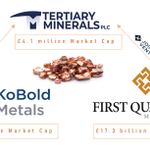
𝐊𝐨𝐁𝐨𝐥𝐝 𝐌𝐞𝐭𝐚𝐥𝐬 is a private company backed by Bill Gates, Jeff Bezos, and Breakthrough Energy Ventures. It uses artificial intelligence to identify mineral deposits and was valued at £2.3 billion (US$2.96 billion) after its Series C funding round.
𝐅𝐢𝐫𝐬𝐭 𝐐𝐮𝐚𝐧𝐭𝐮𝐦 𝐌𝐢𝐧𝐞𝐫𝐚𝐥𝐬 is a Canadian-based global copper producer. Its market capitalisation, as of July 2026, stands at approximately £17 billion (C$32.8 billion).
1️⃣ 𝐓𝐡𝐞 𝐊𝐨𝐁𝐨𝐥𝐝 𝐉𝐕: 𝐊𝐨𝐧𝐤𝐨𝐥𝐚 𝐖𝐞𝐬𝐭
KoBold has earned its way into TYM’s Konkola West Copper Project through a staged earn-in agreement. Stage 1 required two drill holes totalling a minimum of 2,000 metres. KoBold delivered 4,153 metres → more than double the requirement.
KoBold reported more than US$4 million of expenditure on Stage 1 alone, and has now elected to proceed to Stage 2, committing up to US$6 million of cumulative exploration expenditure.
Ownership within the JV is split as follows: KoBold Metals → 51%, Tertiary Minerals → 39%, and Mwashia Resources → 10%.
If KoBold completes the Stage 2 spend, its share will rise to 70%, with Tertiary's adjusting to 20%.
𝐍𝐨𝐰, 𝐟𝐨𝐫 𝐭𝐡𝐨𝐬𝐞 𝐮𝐧𝐚𝐰𝐚𝐫𝐞, 𝐭𝐡𝐞 𝐊𝐨𝐧𝐤𝐨𝐥𝐚 𝐖𝐞𝐬𝐭 𝐂𝐨𝐩𝐩𝐞𝐫 𝐏𝐫𝐨𝐣𝐞𝐜𝐭 𝐬𝐢𝐭𝐬 𝐚𝐩𝐩𝐫𝐨𝐱𝐢𝐦𝐚𝐭𝐞𝐥𝐲 𝟓 𝐤𝐢𝐥𝐨𝐦𝐞𝐭𝐫𝐞𝐬 𝐟𝐫𝐨𝐦 𝐊𝐨𝐁𝐨𝐥𝐝'𝐬 𝐨𝐰𝐧 𝐌𝐢𝐧𝐠𝐨𝐦𝐛𝐚 𝐝𝐞𝐩𝐨𝐬𝐢𝐭, 𝐫𝐞𝐩𝐨𝐫𝐭𝐞𝐝 𝐭𝐨 𝐛𝐞 𝐚𝐦𝐨𝐧𝐠 𝐭𝐡𝐞 𝐥𝐚𝐫𝐠𝐞𝐬𝐭 𝐮𝐧𝐝𝐞𝐯𝐞𝐥𝐨𝐩𝐞𝐝 𝐜𝐨𝐩𝐩𝐞𝐫 𝐚𝐬𝐬𝐞𝐭𝐬 𝐠𝐥𝐨𝐛𝐚𝐥𝐥𝐲. 𝐈𝐭 𝐢𝐬 𝐚𝐥𝐬𝐨 𝐚𝐝𝐣𝐚𝐜𝐞𝐧𝐭 𝐭𝐨 𝐭𝐡𝐞 𝐥𝐨𝐧𝐠-𝐞𝐬𝐭𝐚𝐛𝐥𝐢𝐬𝐡𝐞𝐝 𝐊𝐨𝐧𝐤𝐨𝐥𝐚 𝐚𝐧𝐝 𝐋𝐮𝐛𝐚𝐦𝐛𝐞 𝐦𝐢𝐧𝐞𝐬.
Thus, for TYM, this JV represents free carried exploration. KoBold is funding the work, taking the geological risk, and TYM retains 39% (or 20% post-Stage 2) of whatever is discovered, without spending a penny.
In terms of valuation, and based on KoBold’s spend so far, TYM’s interest in Konkola West is already worth more than its entire £4 million market cap.
𝐁𝐮𝐭 𝐭𝐡𝐚𝐭'𝐬 𝐣𝐮𝐬𝐭 𝐭𝐡𝐞 𝐜𝐨𝐬𝐭-𝐛𝐚𝐬𝐞𝐝 𝐯𝐚𝐥𝐮𝐚𝐭𝐢𝐨𝐧. 𝐓𝐡𝐞 𝐦𝐚𝐫𝐤𝐞𝐭-𝐛𝐚𝐬𝐞𝐝 𝐯𝐚𝐥𝐮𝐚𝐭𝐢𝐨𝐧 𝐢𝐬 𝐟𝐚𝐫 𝐦𝐨𝐫𝐞 𝐜𝐨𝐦𝐩𝐞𝐥𝐥𝐢𝐧𝐠.
Consider what a 39% interest in a KoBold-led Copperbelt discovery would be worth?
KoBold's own Mingomba deposit, located just 5km away, is reported to be among the largest undeveloped copper assets globally.
𝐄𝐯𝐞𝐧 𝐚 𝐟𝐫𝐚𝐜𝐭𝐢𝐨𝐧 𝐨𝐟 𝐭𝐡𝐚𝐭 𝐬𝐜𝐚𝐥𝐞 𝐚𝐭 𝐊𝐨𝐧𝐤𝐨𝐥𝐚 𝐖𝐞𝐬𝐭 𝐰𝐨𝐮𝐥𝐝 𝐯𝐚𝐥𝐮𝐞 𝐓𝐘𝐌'𝐬 𝐢𝐧𝐭𝐞𝐫𝐞𝐬𝐭 𝐢𝐧 𝐭𝐡𝐞 𝐭𝐞𝐧𝐬 𝐨𝐟 𝐦𝐢𝐥𝐥𝐢𝐨𝐧𝐬 𝐚𝐭 𝐚 𝐦𝐢𝐧𝐢𝐦𝐮𝐦.
But here's the real kicker → that value is currently being given away for free by the market. The Konkola West JV is not priced into TYM's share price. It's an embedded option that investors are receiving at no cost.
2️⃣ 𝐓𝐡𝐞 𝐅𝐢𝐫𝐬𝐭 𝐐𝐮𝐚𝐧𝐭𝐮𝐦 𝐉𝐕: 𝐌𝐮𝐤𝐚𝐢 𝐂𝐨𝐩𝐩𝐞𝐫 𝐏𝐫𝐨𝐣𝐞𝐜𝐭
First Quantum has a binding letter agreement with TYM on its Mukai Copper Project. The terms are clear: First Quantum is committed to a minimum US$1.5 million exploration spend over 24 months. If First Quantum defines a Mineral Resource containing at least 80,000 tonnes of contained copper, it can earn an initial 51% interest.
Now, for those unaware, the Mukai Copper Project sits adjacent to First Quantum's Trident Project, which includes the producing Sentinel Copper Mine (processing 55 million tonnes of ore per annum) and the Enterprise Nickel Mine.
𝐓𝐡𝐮𝐬, 𝐅𝐢𝐫𝐬𝐭 𝐐𝐮𝐚𝐧𝐭𝐮𝐦'𝐬 𝐨𝐛𝐣𝐞𝐜𝐭𝐢𝐯𝐞 𝐢𝐬 𝐜𝐥𝐞𝐚𝐫: 𝐟𝐢𝐧𝐝 𝐜𝐨𝐩𝐩𝐞𝐫 𝐚𝐧𝐝/𝐨𝐫 𝐧𝐢𝐜𝐤𝐞𝐥 𝐝𝐞𝐩𝐨𝐬𝐢𝐭𝐬 𝐭𝐡𝐚𝐭 𝐜𝐚𝐧 𝐛𝐞 𝐫𝐚𝐩𝐢𝐝𝐥𝐲 𝐝𝐞𝐯𝐞𝐥𝐨𝐩𝐞𝐝 𝐚𝐬 𝐚𝐝𝐝𝐢𝐭𝐢𝐨𝐧𝐚𝐥 𝐟𝐞𝐞𝐝 𝐟𝐨𝐫 𝐭𝐡𝐞 𝐓𝐫𝐢𝐝𝐞𝐧𝐭 𝐩𝐥𝐚𝐧𝐭𝐬.
This is the ultimate validation of TYM's exploration work;
𝐀 𝐠𝐥𝐨𝐛𝐚𝐥 𝐜𝐨𝐩𝐩𝐞𝐫 𝐦𝐚𝐣𝐨𝐫, 𝐰𝐢𝐭𝐡 𝐢𝐧𝐭𝐢𝐦𝐚𝐭𝐞 𝐤𝐧𝐨𝐰𝐥𝐞𝐝𝐠𝐞 𝐨𝐟 𝐭𝐡𝐞 𝐥𝐨𝐜𝐚𝐥 𝐠𝐞𝐨𝐥𝐨𝐠𝐲, 𝐡𝐚𝐬 𝐥𝐨𝐨𝐤𝐞𝐝 𝐚𝐭 𝐓𝐘𝐌'𝐬 𝐠𝐫𝐨𝐮𝐧𝐝 𝐚𝐧𝐝 𝐬𝐚𝐢𝐝: "𝐖𝐞 𝐰𝐚𝐧𝐭 𝐭𝐨 𝐬𝐩𝐞𝐧𝐝 𝐨𝐮𝐫 𝐦𝐨𝐧𝐞𝐲 𝐡𝐞𝐫𝐞."
In terms of valuation, what is an 80,000-tonne copper resource worth? At today's copper prices (approximately US$9,000-10,000/tonne), that's US$800 million of in-situ copper.
Even applying substantial discounts for recovery and development, a resource of this scale would be a company-maker for TYM.
𝐁𝐨𝐭𝐭𝐨𝐦 𝐋𝐢𝐧𝐞
On a conservative cost-basis valuation, where the 'sunk exploration cost' has real value, and the pedigree of the billion-dollar partners carries a premium, TYM's interest in both JVs is worth in excess of £7.5 million.
But on a discovery-basis valuation, the upside is several multiples of that.
In the meantime, and despite the recently-announced, excellent drilling results at the company’s Target A1 Project, TYM’s share price languishes at 0.06p (£4m mcap) → 𝐚 𝐦𝐚𝐭𝐞𝐫𝐢𝐚𝐥 𝐩𝐫𝐢𝐜𝐞 𝐝𝐢𝐬𝐥𝐨𝐜𝐚𝐭𝐢𝐨𝐧 𝐢𝐟 𝐭𝐡𝐞𝐫𝐞 𝐞𝐯𝐞𝐫 𝐰𝐚𝐬 𝐨𝐧𝐞.
But not for long.

🚨 𝐄𝐱𝐜𝐞𝐥𝐥𝐞𝐧𝐭 𝐑𝐞𝐬𝐮𝐥𝐭𝐬! #TYM #COPPER #SILVER
This morning's RNS is a game-changer for anyone following TYM. Here's why:
1️⃣ 𝐓𝐡𝐞 𝐇𝐢𝐠𝐡𝐞𝐫-𝐆𝐫𝐚𝐝𝐞 𝐙𝐨𝐧𝐞 𝐈𝐬 𝐑𝐞𝐚𝐥 𝐚𝐧𝐝 𝐄𝐱𝐭𝐞𝐧𝐝𝐢𝐧𝐠
The pXRF results from the first 12 holes of Phase 4 are confirming exactly what investors wanted to see →the higher-grade copper zone intersected in hole 25TMNRC-043 (13m at 77 g/t silver and 1.46% copper) is continuing to the north.
𝐓𝐡𝐢𝐬 𝐢𝐬𝐧'𝐭 𝐣𝐮𝐬𝐭 𝐢𝐧𝐟𝐢𝐥𝐥 𝐜𝐨𝐧𝐟𝐢𝐫𝐦𝐢𝐧𝐠 𝐰𝐡𝐚𝐭 𝐰𝐞 𝐚𝐥𝐫𝐞𝐚𝐝𝐲 𝐤𝐧𝐞𝐰; 𝐢𝐭'𝐬 𝐬𝐮𝐠𝐠𝐞𝐬𝐭𝐢𝐧𝐠 𝐞𝐱𝐩𝐚𝐧𝐬𝐢𝐨𝐧 𝐩𝐨𝐭𝐞𝐧𝐭𝐢𝐚𝐥 𝐢𝐧 𝐭𝐡𝐞 𝐦𝐨𝐬𝐭 𝐯𝐚𝐥𝐮𝐚𝐛𝐥𝐞 𝐩𝐚𝐫𝐭 𝐨𝐟 𝐭𝐡𝐞 𝐝𝐞𝐩𝐨𝐬𝐢𝐭.
These are thick, near-surface intervals (starting as shallow as 12m downhole) → the kind that scream low-cost open pit potential.
The 73m intersection in hole 26TMNRC-053 is particularly noteworthy for its zinc credit (0.38% Zn over 73m), adding polymetallic value.
But that aside, here's the real kicker: these are pXRF results for copper and zinc only. The certified silver assays are still at the laboratory. And pXRF readings have already shown 𝐬𝐢𝐥𝐯𝐞𝐫 𝐯𝐚𝐥𝐮𝐞𝐬 𝐮𝐩 𝐭𝐨 𝟐𝟏𝟒 𝐠/𝐭 →utterly insane for semi-quantitative data!
𝐓𝐡𝐞 𝐟𝐮𝐥𝐥 𝐬𝐢𝐥𝐯𝐞𝐫 𝐩𝐢𝐜𝐭𝐮𝐫𝐞, 𝐚𝐥𝐨𝐧𝐠 𝐰𝐢𝐭𝐡 𝐛𝐢𝐬𝐦𝐮𝐭𝐡(𝐮𝐩 𝐭𝐨 𝟗𝟗𝟏 𝐠/𝐭 𝐡𝐢𝐬𝐭𝐨𝐫𝐢𝐜𝐚𝐥𝐥𝐲), 𝐚𝐧𝐭𝐢𝐦𝐨𝐧𝐲 𝐚𝐧𝐝 𝐠𝐚𝐥𝐥𝐢𝐮𝐦, 𝐢𝐬 𝐲𝐞𝐭 𝐭𝐨 𝐛𝐞 𝐫𝐞𝐯𝐞𝐚𝐥𝐞𝐝.
2️⃣ 𝟐𝟐 𝐇𝐨𝐥𝐞𝐬 𝐃𝐨𝐧𝐞, 𝐌𝐨𝐫𝐞 𝐭𝐨 𝐂𝐨𝐦𝐞
The company has already completed 2,175m of the planned ~4,000m programme. Results from the remaining 10 holes are expected imminently. This is a live newsflow story →more data is coming, fast.
3️⃣ 𝐓𝐡𝐞 𝐄𝐱𝐩𝐥𝐨𝐫𝐚𝐭𝐢𝐨𝐧 𝐓𝐚𝐫𝐠𝐞𝐭 𝐂𝐨𝐧𝐭𝐞𝐱𝐭
All of this sits within the already-reported JORC Exploration Target of 15-30Mt at 40-60 g/t silver equivalent.
𝐓𝐡𝐞 𝐢𝐧𝐟𝐢𝐥𝐥 𝐝𝐫𝐢𝐥𝐥𝐢𝐧𝐠 𝐬𝐨 𝐟𝐚𝐫 𝐬𝐮𝐩𝐩𝐨𝐫𝐭𝐬 𝐭𝐡𝐚𝐭 𝐭𝐚𝐫𝐠𝐞𝐭.
𝐈𝐟 𝐭𝐡𝐞𝐬𝐞 𝐩𝐗𝐑𝐅 𝐫𝐞𝐬𝐮𝐥𝐭𝐬 𝐭𝐫𝐚𝐧𝐬𝐥𝐚𝐭𝐞 𝐢𝐧𝐭𝐨 𝐜𝐞𝐫𝐭𝐢𝐟𝐢𝐞𝐝 𝐥𝐚𝐛 𝐫𝐞𝐬𝐮𝐥𝐭𝐬, 𝐚𝐧𝐝 𝐢𝐟 𝐭𝐡𝐞 𝐡𝐢𝐠𝐡𝐞𝐫-𝐠𝐫𝐚𝐝𝐞 𝐳𝐨𝐧𝐞 𝐜𝐨𝐧𝐭𝐢𝐧𝐮𝐞𝐬 𝐭𝐨 𝐠𝐫𝐨𝐰, 𝐭𝐡𝐞 𝐦𝐚𝐢𝐝𝐞𝐧 𝐌𝐢𝐧𝐞𝐫𝐚𝐥 𝐑𝐞𝐬𝐨𝐮𝐫𝐜𝐞 𝐄𝐬𝐭𝐢𝐦𝐚𝐭𝐞 𝐝𝐮𝐞 𝐛𝐲 𝐲𝐞𝐚𝐫-𝐞𝐧𝐝 𝐜𝐨𝐮𝐥𝐝 𝐜𝐨𝐦𝐞 𝐢𝐧 𝐚𝐭 𝐭𝐡𝐞 𝐮𝐩𝐩𝐞𝐫 𝐞𝐧𝐝 𝐨𝐟 𝐭𝐡𝐚𝐭 𝐫𝐚𝐧𝐠𝐞 𝐨𝐫 𝐛𝐞𝐭𝐭𝐞𝐫!
𝐓𝐡𝐞 𝐁𝐨𝐭𝐭𝐨𝐦 𝐋𝐢𝐧𝐞
This is exactly the kind of update investors in a £5m market cap junior want to see: drilling confirming and extending the best parts of the deposit, with more news to come. The higher-grade copper zone in the north is real, it's growing, and the silver assays are still in the post.
The MD called it a "very exciting start". For a man who doesn't do hyperbole, that's worth paying attention to.
Note, in mining psycholinguistics, "Exciting" is the word CEOs use when "company maker" is on the tip of their tongue.
It is forward looking enough to avoid being a profit forecast but emotionally charged enough to signal genuine conviction.
𝐓𝐰𝐨 𝐖𝐨𝐫𝐝𝐬: 𝐄𝐱𝐭𝐫𝐚𝐨𝐫𝐝𝐢𝐧𝐚𝐫𝐲 𝐔𝐩𝐬𝐢𝐝𝐞!

Tertiary Minerals plc (AIM: TYM) announces initial analytical results from Phase 4 drill programme suggests continuation of higher-grade copper zone at Target A1, Mushima North
Results include:
· 45m at 0.41% Cu and 0.28% Zn from 12m downhole (26TMNRC-045)
· 55m at 0.32% Cu and 0.29% Zn from 26m downhole (26TMNRC-049)
· 73m at 0.29% Cu and 0.38% Zn from 25m downhole (26TMNRC-053)
· 66m at 0.21% Cu and 0.22% Zn from 24m downhole (26TMNRC-056)
Read the news release here:
linkedin.com/pulse/initial-a…
#TYM #Silver #Copper #Zambia $TYM.L

🚨 𝐓𝐄𝐑𝐓𝐈𝐀𝐑𝐘 𝐌𝐈𝐍𝐄𝐑𝐀𝐋𝐒: 𝐋𝐄𝐓'𝐒 𝐆𝐎! #TYM #SILVER
Let's begin with the arithmetic that should stop any resource investor in their tracks.
On 16th December 2025, Tertiary Minerals (TYM) announced its intention to produce a JORC Exploration Target for Target A1.
By February 2026, the drill results were in, and they were spectacular:
✅ 𝟗𝟕 𝐦𝐞𝐭𝐫𝐞𝐬 𝐚𝐭 𝟖𝟓 𝐠/𝐭 𝐬𝐢𝐥𝐯𝐞𝐫 𝐞𝐪𝐮𝐢𝐯𝐚𝐥𝐞𝐧𝐭 (𝟏.𝟒𝟐% 𝐜𝐨𝐩𝐩𝐞𝐫 𝐞𝐪𝐮𝐢𝐯𝐚𝐥𝐞𝐧𝐭) 𝐟𝐫𝐨𝐦 𝐣𝐮𝐬𝐭 𝟔 𝐦𝐞𝐭𝐫𝐞𝐬 𝐝𝐞𝐩𝐭𝐡.
✅ 𝟒𝟐 𝐦𝐞𝐭𝐫𝐞𝐬 𝐚𝐭 𝟖𝟏 𝐠/𝐭 𝐬𝐢𝐥𝐯𝐞𝐫 𝐚𝐧𝐝 𝟎.𝟕𝟎% 𝐜𝐨𝐩𝐩𝐞𝐫.
✅ 𝟏𝟑 𝐦𝐞𝐭𝐫𝐞𝐬 𝐚𝐭 𝟕𝟕 𝐠/𝐭 𝐬𝐢𝐥𝐯𝐞𝐫 𝐚𝐧𝐝 𝟏.𝟒𝟔% 𝐜𝐨𝐩𝐩𝐞𝐫, 𝐰𝐢𝐭𝐡 𝐢𝐧𝐝𝐢𝐯𝐢𝐝𝐮𝐚𝐥 𝐬𝐚𝐦𝐩𝐥𝐞𝐬 𝐫𝐞𝐚𝐜𝐡𝐢𝐧𝐠 𝟑.𝟏𝟕% 𝐜𝐨𝐩𝐩𝐞𝐫.
The managing director called it the "best intersection of silver-copper mineralisation" on the project.
On 30th March 2026, TYM published a JORC-compliant Exploration Target for its flagship Target A1 silver oxide discovery in Zambia:
𝐁𝐞𝐭𝐰𝐞𝐞𝐧 𝟏𝟓 𝐦𝐢𝐥𝐥𝐢𝐨𝐧 𝐚𝐧𝐝 𝟑𝟎 𝐦𝐢𝐥𝐥𝐢𝐨𝐧 𝐭𝐨𝐧𝐧𝐞𝐬 𝐚𝐭 𝐚𝐧 𝐚𝐯𝐞𝐫𝐚𝐠𝐞 𝐠𝐫𝐚𝐝𝐞 𝐨𝐟 𝟒𝟎-𝟔𝟎 𝐠𝐫𝐚𝐦𝐬 𝐩𝐞𝐫 𝐭𝐨𝐧𝐧𝐞 𝐬𝐢𝐥𝐯𝐞𝐫 𝐞𝐪𝐮𝐢𝐯𝐚𝐥𝐞𝐧𝐭!
At the upper end of that range, the target implies up to 58 million ounces of silver equivalent → a figure that, at current silver prices above US$30 per ounce, represents an in-situ resource value north of 𝐔𝐒$𝟏.𝟕 𝐛𝐢𝐥𝐥𝐢𝐨𝐧 (£𝟏.𝟐𝟔 𝐛𝐢𝐥𝐥𝐢𝐨𝐧).
Now compare that with the company's current market cap of ~£4.8 million.
𝐎𝐟 𝐜𝐨𝐮𝐫𝐬𝐞, 𝐞𝐱𝐩𝐥𝐨𝐫𝐚𝐭𝐢𝐨𝐧 𝐭𝐚𝐫𝐠𝐞𝐭𝐬 𝐚𝐫𝐞 𝐧𝐨𝐭 𝐫𝐞𝐬𝐞𝐫𝐯𝐞𝐬.
The company's own managing director, Richard Belcher, is refreshingly transparent about that.
The current drilling campaign is precisely intended to convert that target into a maiden Mineral Resource Estimate by Q4 2026, with drilling, metallurgical testwork and infill programmes all funded by the recent raise.
𝐈𝐧 𝐭𝐡𝐞 𝐥𝐚𝐧𝐠𝐮𝐚𝐠𝐞 𝐨𝐟 𝐣𝐮𝐧𝐢𝐨𝐫 𝐦𝐢𝐧𝐢𝐧𝐠, 𝐓𝐘𝐌 𝐡𝐨𝐥𝐝𝐬 𝐚 𝐡𝐢𝐠𝐡𝐥𝐲 𝐥𝐞𝐯𝐞𝐫𝐚𝐠𝐞𝐝 𝐜𝐚𝐥𝐥 𝐨𝐩𝐭𝐢𝐨𝐧 𝐨𝐧 𝐨𝐧𝐞 𝐨𝐟 𝐭𝐡𝐞 𝐦𝐨𝐬𝐭 𝐬𝐢𝐠𝐧𝐢𝐟𝐢𝐜𝐚𝐧𝐭 𝐬𝐢𝐥𝐯𝐞𝐫 𝐨𝐱𝐢𝐝𝐞 𝐝𝐢𝐬𝐜𝐨𝐯𝐞𝐫𝐢𝐞𝐬 𝐛𝐫𝐨𝐮𝐠𝐡𝐭 𝐭𝐨 𝐦𝐚𝐫𝐤𝐞𝐭 𝐢𝐧 𝐲𝐞𝐚𝐫𝐬.
The premium on that option is today's ludicrous share price of 0.0675p.
1️⃣ 𝐓𝐡𝐞 𝐏𝐫𝐢𝐳𝐞: 𝐀 𝐏𝐨𝐥𝐲𝐦𝐞𝐭𝐚𝐥𝐥𝐢𝐜 𝐃𝐢𝐬𝐜𝐨𝐯𝐞𝐫𝐲 𝐰𝐢𝐭𝐡 𝐔𝐧𝐜𝐨𝐦𝐦𝐨𝐧 𝐖𝐢𝐝𝐭𝐡
What makes Target A1 genuinely interesting is not just the headline numbers but the geology beneath them.
The prospect sits within the 𝐌𝐮𝐬𝐡𝐢𝐦𝐚 𝐍𝐨𝐫𝐭𝐡 𝐏𝐫𝐨𝐣𝐞𝐜𝐭, in the prospective Iron-Oxide-Copper-Gold region of Zambia.
Drilling to date, some 3,083 metres, has already confirmed copper, silver and zinc mineralisation over an area approximately 450 metres by 400 metres, extending to a vertical depth of 84 metres.
Crucially, the mineralisation remains open to the north, south and at depth.
The intercepts that have the geologists excited are genuinely impressive;
✅ 58 metres at 49 g/t silver.
✅ 0.26% copper and 0.16% zinc from just 8 metres downhole; equivalent to 72 g/t silver equivalent or 0.94% copper equivalent.
✅ 124 g/t silver, 0.73% copper and 0.25% zinc, representing 185 g/t silver equivalent or 2.40% copper equivalent.
Those are not the numbers of a fringe prospect.
𝐓𝐡𝐨𝐬𝐞 𝐚𝐫𝐞 𝐭𝐡𝐞 𝐧𝐮𝐦𝐛𝐞𝐫𝐬 𝐨𝐟 𝐚 𝐩𝐨𝐭𝐞𝐧𝐭𝐢𝐚𝐥𝐥𝐲 𝐬𝐢𝐠𝐧𝐢𝐟𝐢𝐜𝐚𝐧𝐭 𝐩𝐨𝐥𝐲𝐦𝐞𝐭𝐚𝐥𝐥𝐢𝐜 𝐬𝐲𝐬𝐭𝐞𝐦, 𝐦𝐚𝐝𝐞 𝐚𝐥𝐥 𝐭𝐡𝐞 𝐦𝐨𝐫𝐞 𝐜𝐨𝐦𝐩𝐞𝐥𝐥𝐢𝐧𝐠 𝐛𝐲 𝐭𝐡𝐞 𝐩𝐫𝐞𝐬𝐞𝐧𝐜𝐞 𝐨𝐟 𝐞𝐥𝐞𝐯𝐚𝐭𝐞𝐝 𝐛𝐢𝐬𝐦𝐮𝐭𝐡(𝐮𝐩 𝐭𝐨 𝟗𝟗𝟏 𝐠/𝐭), 𝐚𝐧𝐭𝐢𝐦𝐨𝐧𝐲(𝐮𝐩 𝐭𝐨 𝟎.𝟐𝟏%) 𝐚𝐧𝐝 𝐠𝐚𝐥𝐥𝐢𝐮𝐦(𝐮𝐩 𝐭𝐨 𝟒𝟎 𝐠/𝐭).
The mineralisation is near-surface, predominantly oxide in character (malachite, chrysocolla, cuprite), with native silver and native copper also observed.
That oxide nature is significant for two reasons: it suggests potentially lower capital costs for any future development, and it makes the metallurgical testwork now underway all the more critical.
2️⃣ 𝐓𝐡𝐞 𝐖𝐢𝐝𝐞𝐫 𝐏𝐨𝐫𝐭𝐟𝐨𝐥𝐢𝐨: 𝐎𝐩𝐭𝐢𝐨𝐧𝐬 𝐰𝐢𝐭𝐡𝐢𝐧 𝐎𝐩𝐭𝐢𝐨𝐧𝐬
While Target A1 is the headline act, TYM’s portfolio contains several other levers that investors should note. Here are the most valuable assets:
𝐓𝐡𝐞 𝐊𝐨𝐧𝐤𝐨𝐥𝐚 𝐖𝐞𝐬𝐭 𝐏𝐫𝐨𝐣𝐞𝐜𝐭(𝐙𝐚𝐦𝐛𝐢𝐚) → under joint venture with KoBold Metals; the Bill Gates-backed AI-driven exploration company which has completed two drill holes totalling 2,000 metres and elected to advance to Stage 2.
KoBold now has a 51% interest in the project, with TYM retaining 39%. The transfer is ongoing.
𝐓𝐡𝐞 𝐌𝐮𝐤𝐚𝐢 𝐂𝐨𝐩𝐩𝐞𝐫 𝐏𝐫𝐨𝐣𝐞𝐜𝐭(𝐙𝐚𝐦𝐛𝐢𝐚) → under a due diligence agreement with First Quantum Minerals, which has extended its evaluation period by 12 months to August 2027.
The original agreement required First Quantum to spend a minimum of US$1.5 million in exploration expenditure over 24 months, with the first year commitment of US$500,000 already met.
𝐈𝐧 𝐍𝐞𝐯𝐚𝐝𝐚(𝐔𝐒𝐀), the company holds four drill-ready projects: Brunton Pass Copper-Gold, Paymaster Base & Precious Metals, Mt Tobin Silver-Gold, and Lucky Copper. These are earlier stage than the Zambian assets but provide additional optionality and geographic diversification.
𝐓𝐡𝐞 𝐒𝐭𝐨𝐫𝐮𝐦𝐚𝐧 𝐅𝐥𝐮𝐨𝐫𝐬𝐩𝐚𝐫 𝐏𝐫𝐨𝐣𝐞𝐜𝐭(𝐒𝐰𝐞𝐝𝐞𝐧) → a legacy asset that could become increasingly valuable given the European Union's designation of fluorspar as a critical raw material.
For the investor focused on Target A1, the aforementioned assets represent free optionality → potential catalysts that could emerge without requiring additional capital outlay from the company's existing shareholders.
3️⃣ 𝐅𝐚𝐢𝐫 𝐕𝐚𝐥𝐮𝐞: 𝐖𝐡𝐚𝐭’𝐬 𝐓𝐘𝐌 𝐖𝐨𝐫𝐭𝐡?
Valuing a pre-resource exploration company is necessarily an exercise in scenario analysis rather than precise calculation. But the numbers are sufficiently striking to demand attention.
As of 16 July 2026, TYM had 7,124,355,727 ordinary shares in issue, with none held in treasury. At the current share price of 0.0675p, this gives a market capitalisation of ~£4.8 million.
𝐒𝐜𝐞𝐧𝐚𝐫𝐢𝐨 𝟏: 𝐑𝐞𝐬𝐨𝐮𝐫𝐜𝐞 𝐂𝐨𝐧𝐟𝐢𝐫𝐦𝐚𝐭𝐢𝐨𝐧(𝐁𝐚𝐬𝐞 𝐂𝐚𝐬𝐞)
If the maiden resource confirms even the lower end of the target range (15Mt @ 40g/t Ag Eq), the in-situ value remains substantial at ~US$570 million.
Even applying a 90% discount for development costs, jurisdiction risk, and dilution, the project value would be ~£43 million. This implies a fair value per share of approximately 𝟎.𝟔𝐩(𝟗𝐱 𝐜𝐮𝐫𝐫𝐞𝐧𝐭 𝐩𝐫𝐢𝐜𝐞).
𝐒𝐜𝐞𝐧𝐚𝐫𝐢𝐨 𝟐: 𝐔𝐩𝐩𝐞𝐫 𝐄𝐧𝐝 𝐂𝐨𝐧𝐟𝐢𝐫𝐦𝐚𝐭𝐢𝐨𝐧(𝐁𝐮𝐥𝐥 𝐂𝐚𝐬𝐞)
If the upper end is confirmed (30Mt @ 60g/t Ag Eq), the in-situ value of ~US$1.7 billion becomes the reference point.
Applying a 90% discount yields a project value of ~£126 million. This implies a fair value per share of approximately 𝟏.𝟕𝟕𝐩 (𝟐𝟔𝐱 𝐜𝐮𝐫𝐫𝐞𝐧𝐭 𝐩𝐫𝐢𝐜𝐞).
𝐓𝐡𝐞 𝐏𝐚𝐫𝐭𝐧𝐞𝐫𝐬𝐡𝐢𝐩 𝐎𝐩𝐭𝐢𝐨𝐧𝐚𝐥𝐢𝐭𝐲
The company's assets at Konkola West and Mukai represent free embedded options not captured in the Target A1 valuation. In a trade sale scenario, these partnership interests would attract additional premium.
Thus, the current share price of 0.0675p implies that the market is ascribing essentially ZERO value to the company's considerable exploration success.
Even the most conservative scenario-based valuation suggests material upside exists if the maiden resource confirms the exploration target.
4️⃣ 𝐑𝐢𝐬𝐤𝐬: 𝐓𝐡𝐞 𝐎𝐭𝐡𝐞𝐫 𝐒𝐢𝐝𝐞 𝐨𝐟 𝐭𝐡𝐞 𝐂𝐨𝐢𝐧.
No analysis of TYM would be complete without a clear-eyed assessment of the risks.
𝐉𝐮𝐫𝐢𝐬𝐝𝐢𝐜𝐭𝐢𝐨𝐧𝐚𝐥 𝐫𝐢𝐬𝐤: Zambia is stable by African standards and mining-friendly, but no developing country is without political risk. Changes in mining codes, tax regimes or royalty structures could materially impact project economics.
𝐋𝐢𝐪𝐮𝐢𝐝𝐢𝐭𝐲 𝐫𝐢𝐬𝐤: As an AIM-listed junior with a market cap under £4 million, the shares are illiquid. Large positions cannot be built or exited without moving the price. The average daily volume in the three months to May 2026 was 75 million shares
𝐓𝐡𝐞 𝐁𝐨𝐭𝐭𝐨𝐦 𝐋𝐢𝐧𝐞
TYM represents one of the most compelling risk-reward profiles on the AIM market.
The company has assembled a portfolio of high-quality Zambian copper-silver assets, partnered with industry giants (KoBold Metals, First Quantum Minerals), and is now drilling some of the most impressive intercepts seen in the region.
𝐓𝐡𝐞 𝐩𝐚𝐫𝐭𝐧𝐞𝐫𝐬 𝐚𝐫𝐞 𝐦𝐨𝐭𝐢𝐯𝐚𝐭𝐞𝐝, 𝐜𝐚𝐬𝐡𝐞𝐝 𝐮𝐩, 𝐚𝐧𝐝 𝐢𝐧𝐜𝐞𝐧𝐭𝐢𝐯𝐢𝐬𝐞𝐝 𝐭𝐨 𝐬𝐮𝐜𝐜𝐞𝐞𝐝.
KoBold has already invested heavily in the Konkola West project, and First Quantum is strongly motivated to find additional ore feed for its Sentinel processing plant.
𝐓𝐡𝐞 𝐜𝐨𝐦𝐩𝐚𝐧𝐲'𝐬 𝐞𝐱𝐩𝐨𝐬𝐮𝐫𝐞 𝐭𝐨 𝐭𝐡𝐞𝐬𝐞 𝐩𝐫𝐨𝐣𝐞𝐜𝐭𝐬 𝐢𝐬 𝐞𝐟𝐟𝐞𝐜𝐭𝐢𝐯𝐞𝐥𝐲 𝐟𝐫𝐞𝐞 𝐨𝐩𝐭𝐢𝐨𝐧𝐚𝐥𝐢𝐭𝐲.
For investors with the appetite for risk, and the patience to see the story unfold, the arithmetic is seductive.
The results from the current drilling campaign, when they arrive, will likely validate what the previous campaigns have indicated → that TYM has discovered something significant.
𝐓𝐡𝐮𝐬, 𝐭𝐡𝐞 𝐪𝐮𝐞𝐬𝐭𝐢𝐨𝐧 𝐢𝐬 𝐧𝐨𝐭 𝐰𝐡𝐞𝐭𝐡𝐞𝐫 𝐭𝐡𝐞 𝐚𝐬𝐬𝐞𝐭 𝐡𝐚𝐬 𝐯𝐚𝐥𝐮𝐞, 𝐢𝐭 𝐜𝐥𝐞𝐚𝐫𝐥𝐲 𝐝𝐨𝐞𝐬.
𝐓𝐡𝐞 𝐪𝐮𝐞𝐬𝐭𝐢𝐨𝐧 𝐢𝐬 𝐰𝐡𝐞𝐭𝐡𝐞𝐫 𝐭𝐡𝐞 𝐦𝐚𝐫𝐤𝐞𝐭 𝐡𝐚𝐬 𝐩𝐫𝐢𝐜𝐞𝐝 𝐢𝐧 𝐭𝐡𝐚𝐭 𝐯𝐚𝐥𝐮𝐞. 𝐂𝐮𝐫𝐫𝐞𝐧𝐭 𝐞𝐯𝐢𝐝𝐞𝐧𝐜𝐞 𝐬𝐮𝐠𝐠𝐞𝐬𝐭𝐬 𝐢𝐭 𝐡𝐚𝐬 𝐧𝐨𝐭.

🚨 𝐓𝐇𝐄 𝐌𝐎𝐒𝐓 𝐃𝐈𝐒𝐑𝐔𝐏𝐓𝐈𝐕𝐄 𝐏𝐋𝐀𝐘 𝐎𝐍 𝐀𝐈𝐌 #MPAL
There is a moment, in every industry's evolution, when the old way of doing things becomes indefensible.
When the gap between what patients need and what the system delivers grows so wide that disruption becomes not just inevitable but necessary.
For UK healthcare, that moment has arrived;
Healthcare is broken. The NHS is overwhelmed. Pharmacies are closing. Patients are waiting weeks to see a GP. Medication errors are killing people.
𝐇𝐨𝐰𝐞𝐯𝐞𝐫, 𝐭𝐡𝐞 𝐠𝐨𝐨𝐝 𝐧𝐞𝐰𝐬 𝐢𝐬 𝐭𝐡𝐚𝐭, 𝐌𝐞𝐝𝐏𝐚𝐥 𝐡𝐚𝐬 𝐛𝐮𝐢𝐥𝐭 𝐭𝐡𝐞 𝐬𝐨𝐥𝐮𝐭𝐢𝐨𝐧:
✅ AI powered triage that assesses patients in seconds.
✅ Human clinicians who sign off on every prescription.
✅ Robotic dispensing that is 99.99% accurate and operates 24/7.
✅ Nationwide delivery that gets medication to patients in hours, not weeks.
𝐓𝐡𝐢𝐬 𝐢𝐬 𝐧𝐨𝐭 𝐚𝐧 𝐢𝐧𝐜𝐫𝐞𝐦𝐞𝐧𝐭𝐚𝐥 𝐢𝐦𝐩𝐫𝐨𝐯𝐞𝐦𝐞𝐧𝐭. 𝐓𝐡𝐢𝐬 𝐢𝐬 𝐚 𝐟𝐮𝐧𝐝𝐚𝐦𝐞𝐧𝐭𝐚𝐥 𝐫𝐞𝐢𝐦𝐚𝐠𝐢𝐧𝐢𝐧𝐠 𝐨𝐟 𝐡𝐨𝐰 𝐡𝐞𝐚𝐥𝐭𝐡𝐜𝐚𝐫𝐞 𝐢𝐬 𝐝𝐞𝐥𝐢𝐯𝐞𝐫𝐞𝐝.
Put simply, MedPal is addressing multiple, massive, and growing markets. The company has built a vertically integrated platform that no competitor can easily replicate.
By the way, the aforementioned is just the NHS Pharmacy Dispensing business; one of three distinct, but interconnected, revenue engines in the company that are now firing together.
It’s worth noting that, the robotic dispensing systems have delivered a 30-fold increase in efficiency. Where it previously took an hour to process 40 prescriptions, the robots now process more than 100 prescriptions in less than five minutes.
The error rate falls to less than one in 10,000 for robotic dispensing, compared with 2% for manual pharmacies. And the cost per prescription drops below £2, compared with £8 to £12 at traditional pharmacies.
Second is the Care Home Medication Platform business. The acquisition of Solid State Technologies has completed MedPal's closed loop care home operating system.
The business is currently profitable, generating an annualised profit of ~£310,000. This acquisition converts transactional pharmacy relationships into sticky, software led partnerships with recurring revenue, and where the scaling opportunities are simply staggering.
Third is the Private Weight Loss Clinic business. New Health (new.co.uk) is a rapidly scaling, subscription based clinic underpinned by direct supply relationships with both Eli Lilly and Novo Nordisk.
Each active private patient is forecast to generate approximately £2,400 of recurring annual revenue, and where the scaling opportunities are, once again, staggering.
1️⃣ 𝐓𝐡𝐞 𝐕𝐢𝐬𝐢𝐨𝐧𝐚𝐫𝐲 𝐁𝐞𝐡𝐢𝐧𝐝 𝐭𝐡𝐞 𝐑𝐞𝐯𝐨𝐥𝐮𝐭𝐢𝐨𝐧
To understand MedPal's potential, you must first understand its founder, Jason Drummond. A well-heeled serial tech entrepreneur with a penchant for success, Drummond has led several companies to initial public offerings across the United States and Europe.
Notably, he founded FairFX Group PLC, the fintech payments pioneer, and grew it from inception to a successful AIM listing in 2014. The company, now Equals Group, was acquired in December 2024 for £283 million.
Put simply, Drummond knows how to identify massive market inefficiencies, build technology led solutions, and scale them into market leading enterprises. He is also the company's largest shareholder, owning close to 25% of the business.
2️⃣ 𝐓𝐡𝐞 𝐀𝐈 𝐋𝐚𝐲𝐞𝐫 𝐓𝐡𝐚𝐭 𝐂𝐡𝐚𝐧𝐠𝐞𝐬 𝐄𝐯𝐞𝐫𝐲𝐭𝐡𝐢𝐧𝐠
MedPal has deployed Google Cloud's Vertex AI to power an intelligent clinical triage. The company has built and trained proprietary machine learning models on its clinical data using Google's enterprise AI platform.
This makes MedPal the first UK registered online pharmacy to integrate advanced AI triage via WhatsApp. Patients now have free 24/7 WhatsApp access to AI powered health assessment, intelligent triage across multiple medical conditions, and direct connection to prescribing clinicians.
This is not just a technological advantage. It is a structural one.
Competitors cannot simply replicate what MedPal has built because the company has trained proprietary machine learning models on its own clinical data. The AI layer is woven into the entire patient journey, reducing costs, improving accuracy, and enabling the company to scale without proportionally increasing headcount.
3️⃣ 𝐓𝐡𝐞 𝐄𝐩𝐚𝐬𝐬𝐢 𝐃𝐢𝐬𝐭𝐫𝐢𝐛𝐮𝐭𝐢𝐨𝐧 𝐌𝐨𝐚𝐭
MedPal has a partnership agreement with Epassi UK Limited, granting exclusive, zero cost access to the MedPal AI app across Epassi's network of more than 11 million employees. The company has already achieved 7,791 app installs, all from paying users or those on the Epassi acquisition pathway.
Just to be clear, this partnership is not a marketing exercise. It is a distribution moat.
The bidirectional cross-sell flywheel is already compounding value. App users convert to pharmacy patients, and pharmacy patients convert to app subscribers, boosting lifetime value.
4️⃣ 𝐓𝐡𝐞 𝐒𝐭𝐫𝐚𝐭𝐞𝐠𝐢𝐜, 𝐔𝐧𝐬𝐞𝐞𝐧 𝐖𝐞𝐚𝐩𝐨𝐧
The UK Wegovy pill market is in its infancy. The MHRA approved the tablet on 11 June 2026. The launch on 6 July 2026 saw pharmacies preparing for a surge in demand.
Prices in the UK without introductory discounts range from £79 for new patients up to £269 for the highest 25mg strength.
But stop for a second. There’s a smart, bold, and ruthless new player who’s hiding in plain sight;
New Health, MedPal’s online clinic, has launched the pill at, wait for it... £49.00.
𝐓𝐡𝐞 𝐜𝐡𝐞𝐚𝐩𝐞𝐬𝐭 𝐖𝐞𝐠𝐨𝐯𝐲 𝐩𝐢𝐥𝐥 𝐢𝐧 𝐭𝐡𝐞 𝐔𝐧𝐢𝐭𝐞𝐝 𝐊𝐢𝐧𝐠𝐝𝐨𝐦!
igovy.co.uk/wegovy-price-com…
new.co.uk/treatments/weight-…
And not by a few pence either. By nearly £5. Not against a fringe competitor. Against the entire visible market.
𝐓𝐡𝐢𝐬 𝐢𝐬 𝐧𝐨𝐭 𝐚 𝐜𝐨𝐢𝐧𝐜𝐢𝐝𝐞𝐧𝐜𝐞. 𝐓𝐡𝐢𝐬 𝐢𝐬 𝐚 𝐬𝐭𝐫𝐚𝐭𝐞𝐠𝐲.
The company has direct supply agreements with both Novo Nordisk and Eli Lilly for current GLP-1 medicines, guaranteeing access at competitive wholesale prices. The vertically integrated platform means the company captures revenue across the entire patient journey.
The robotic dispensing infrastructure means the company can fulfil prescriptions at a fraction of the cost of traditional pharmacies.
In the run up to the Wegovy launch, MedPal appointed Erin Fox as Senior Director of Marketing.
Fox joins from Avolta, the world's largest duty free retailer, where she led Global Digital, overseeing digital trade and content across 225 ecommerce websites, a loyalty programme spanning 72 countries and 120 social media channels.
Fox's modus operandi is simple: 𝐈𝐝𝐞𝐧𝐭𝐢𝐟𝐲 𝐭𝐡𝐞 𝐩𝐫𝐢𝐜𝐞 𝐩𝐨𝐢𝐧𝐭 𝐭𝐡𝐚𝐭 𝐛𝐫𝐞𝐚𝐤𝐬 𝐭𝐡𝐞 𝐦𝐚𝐫𝐤𝐞𝐭. 𝐁𝐮𝐢𝐥𝐝 𝐭𝐡𝐞 𝐝𝐢𝐠𝐢𝐭𝐚𝐥 𝐢𝐧𝐟𝐫𝐚𝐬𝐭𝐫𝐮𝐜𝐭𝐮𝐫𝐞 𝐭𝐨 𝐚𝐜𝐪𝐮𝐢𝐫𝐞 𝐜𝐮𝐬𝐭𝐨𝐦𝐞𝐫𝐬 𝐚𝐭 𝐬𝐜𝐚𝐥𝐞. 𝐔𝐬𝐞 𝐝𝐚𝐭𝐚 𝐭𝐨 𝐨𝐩𝐭𝐢𝐦𝐢𝐬𝐞 𝐞𝐯𝐞𝐫𝐲 𝐬𝐭𝐞𝐩 𝐨𝐟 𝐭𝐡𝐞 𝐟𝐮𝐧𝐧𝐞𝐥. 𝐓𝐡𝐞𝐧 𝐰𝐚𝐭𝐜𝐡 𝐭𝐡𝐞 𝐜𝐨𝐦𝐩𝐞𝐭𝐢𝐭𝐢𝐨𝐧 𝐬𝐜𝐫𝐚𝐦𝐛𝐥𝐞 𝐭𝐨 𝐫𝐞𝐬𝐩𝐨𝐧𝐝.
Are you getting this?
5️⃣ 𝐓𝐡𝐞 𝐍𝐮𝐦𝐛𝐞𝐫𝐬 𝐓𝐡𝐚𝐭 𝐌𝐚𝐭𝐭𝐞𝐫.
Now, let’s do some simple arithmetic.
Each active private patient is forecast to generate approximately £2,400 of recurring annual revenue. At a 33% gross margin, that is approximately £792 of gross profit per patient per year.
A recent study from University College London estimated that 1.6 million adults in England, Wales, and Scotland used drugs such as Wegovy and Mounjaro to help lose weight between early 2024 and early 2025.
The research also found that an additional 3.3 million people said they would be interested in using weight loss drugs over the next year.
𝐍𝐨𝐰, 𝐩𝐚𝐲 𝐯𝐞𝐫𝐲 𝐜𝐥𝐨𝐬𝐞 𝐚𝐭𝐭𝐞𝐧𝐭𝐢𝐨𝐧;
If MedPal captures just 1% of the addressable market, that is 49,000 patients. At £2,400 per patient per year, that is £117.6 million of recurring annual revenue. At 33% gross margins, that is £38.8 million of gross profit!
Separately, the company boasts the 𝐒𝐚𝐫𝐮𝐬 𝐂𝐨𝐮𝐫𝐭 𝐟𝐚𝐜𝐢𝐥𝐢𝐭𝐲 𝐢𝐧 𝐑𝐮𝐧𝐜𝐨𝐫𝐧: At full tilt, this 23,000 square foot robotic hub is designed to process over 300,000 prescription items per month. That’s ~£8.7 million in revenue for the second half alone!
𝐀𝐭 𝐚 𝟑𝟒% 𝐠𝐫𝐨𝐬𝐬 𝐦𝐚𝐫𝐠𝐢𝐧, 𝐭𝐡𝐚𝐭 𝐝𝐞𝐥𝐢𝐯𝐞𝐫𝐬£𝟑.𝟓 𝐦𝐢𝐥𝐥𝐢𝐨𝐧 𝐢𝐧 𝐠𝐫𝐨𝐬𝐬 𝐩𝐫𝐨𝐟𝐢𝐭 𝐟𝐫𝐨𝐦 𝐭𝐡𝐢𝐬 𝐞𝐧𝐠𝐢𝐧𝐞 𝐚𝐥𝐨𝐧𝐞!
The potential here is insane.
6️⃣ 𝐓𝐡𝐞 𝐕𝐚𝐥𝐮𝐚𝐭𝐢𝐨𝐧 𝐎𝐩𝐩𝐨𝐫𝐭𝐮𝐧𝐢𝐭𝐲
Following the recent £5m capital raise, MedPal has 769.8 million shares in issue. Using the broker's 2027 revenue forecast of £44.61 million and applying an 8 times enterprise value to revenue multiple, the un-risked end 2027 valuation stands at approximately 46.4p per share.
𝐃𝐢𝐬𝐜𝐨𝐮𝐧𝐭𝐢𝐧𝐠 𝐭𝐡𝐢𝐬 𝐛𝐚𝐜𝐤 𝐚𝐭 𝟐𝟎% 𝐲𝐢𝐞𝐥𝐝𝐬 𝐚 𝐩𝐫𝐞𝐬𝐞𝐧𝐭 𝐝𝐚𝐲 𝐯𝐚𝐥𝐮𝐚𝐭𝐢𝐨𝐧 𝐨𝐟 𝐚𝐩𝐩𝐫𝐨𝐱𝐢𝐦𝐚𝐭𝐞𝐥𝐲 𝟑𝟓.𝟕𝐩 𝐩𝐞𝐫 𝐬𝐡𝐚𝐫𝐞. 𝐀𝐭 𝐭𝐡𝐞 𝐜𝐮𝐫𝐫𝐞𝐧𝐭 𝐬𝐡𝐚𝐫𝐞 𝐩𝐫𝐢𝐜𝐞, 𝐭𝐡𝐢𝐬 𝐫𝐞𝐩𝐫𝐞𝐬𝐞𝐧𝐭𝐬 𝐮𝐩𝐬𝐢𝐝𝐞 𝐨𝐟 𝐦𝐨𝐫𝐞 𝐭𝐡𝐚𝐧 𝟏,𝟎𝟎𝟎%.
As the legendary investor Philip Fisher once observed: "The stock market is filled with individuals who know the price of everything, but the value of nothing."
MedPal's current share price appears to reflect the former while ignoring the latter.
7️⃣𝐓𝐡𝐞 𝐑𝐢𝐬𝐤𝐬 𝐀𝐫𝐞 𝐑𝐞𝐚𝐥, 𝐁𝐮𝐭 𝐒𝐨 𝐈𝐬 𝐭𝐡𝐞 𝐎𝐩𝐩𝐨𝐫𝐭𝐮𝐧𝐢𝐭𝐲
This is not a risk free investment. MedPal is an early stage company. Data protection and cybersecurity are paramount concerns.
But these risks must be weighed against the extraordinary opportunity:
✅MedPal is addressing multiple, massive, and growing markets.
✅The company has built a vertically integrated platform that no competitor can easily replicate.
✅The management team has a proven track record of building multibaggers and exiting them at notable premiums.
𝐓𝐡𝐞 𝐁𝐨𝐭𝐭𝐨𝐦 𝐋𝐢𝐧𝐞
The question for investors is simple: do you believe that the UK healthcare system is ready for its Amazon moment?
If you do, then brace yourself for a heck of a ride with Medpal.
More importantly, Jason Drummond has built and sold businesses before.
He knows how to scale. He knows how to execute. He has put his own money and reputation on the line. And he is building something that could genuinely transform healthcare delivery in the United Kingdom and beyond.
Erin Fox has spent her career devouring competitors through digital scale, brand positioning, and customer acquisition at velocity.
She knows how to win. She knows how to dominate.
And she has just been given the most powerful weapon in the UK weight loss market: the lowest price, the lowest cost base, and the most sophisticated digital marketing capability in the industry.
As Jason Drummond aptly put it on the 03 July 2026:
"𝐌𝐞𝐝𝐏𝐚𝐥 𝐢𝐬 𝐧𝐨 𝐥𝐨𝐧𝐠𝐞𝐫 𝐭𝐚𝐱𝐢𝐢𝐧𝐠 𝐭𝐨 𝐭𝐡𝐞 𝐫𝐮𝐧𝐰𝐚𝐲. 𝐖𝐞 𝐚𝐫𝐞 𝐢𝐧 𝐭𝐡𝐞 𝐚𝐢𝐫, 𝐭𝐫𝐚𝐯𝐞𝐥𝐥𝐢𝐧𝐠 𝐚𝐭 𝐬𝐩𝐞𝐞𝐝, 𝐚𝐧𝐝 𝐜𝐥𝐢𝐦𝐛𝐢𝐧𝐠."

🚨𝐒𝐦𝐚𝐫𝐭, 𝐁𝐨𝐥𝐝, 𝐚𝐧𝐝 𝐑𝐮𝐭𝐡𝐥𝐞𝐬𝐬 #HUD
There’s a moment in every market cycle when the tectonic plates shift so decisively that the old order begins to crumble.
That moment arrived in early June 2026, when B&M, the 700‑store discount behemoth, that once sat in the FTSE 100, reported a near 50% collapse in annual profit.
Pre‑tax profit plunged to £227 million from £431 million, a 47% wipeout. Like‑for‑like sales across its UK estate fell into negative territory.
The company that built an empire on the proposition of unbeatable value, was suddenly on the back foot.
At the very same time, Huddled (HUD) released its trading update.
The contrast could not be more stark. While B&M's chief executive Tjeerd Jegen spoke of "execution issues" and a "challenging market", Huddled's management declared with quiet confidence: "The hard part is done. What comes next is the exciting part."
𝐓𝐡𝐢𝐬 𝐢𝐬 𝐧𝐨𝐭 𝐚 𝐜𝐨𝐢𝐧𝐜𝐢𝐝𝐞𝐧𝐜𝐞. 𝐓𝐡𝐢𝐬 𝐢𝐬 𝐚 𝐬𝐭𝐫𝐮𝐜𝐭𝐮𝐫𝐚𝐥 𝐬𝐡𝐢𝐟𝐭 𝐢𝐧 𝐭𝐡𝐞 𝐝𝐢𝐬𝐜𝐨𝐮𝐧𝐭 𝐫𝐞𝐭𝐚𝐢𝐥 𝐥𝐚𝐧𝐝𝐬𝐜𝐚𝐩𝐞, 𝐚𝐧𝐝 𝐇𝐮𝐝𝐝𝐥𝐞𝐝 𝐢𝐬 𝐩𝐨𝐬𝐢𝐭𝐢𝐨𝐧𝐞𝐝 𝐨𝐧 𝐭𝐡𝐞 𝐰𝐢𝐧𝐧𝐢𝐧𝐠 𝐬𝐢𝐝𝐞.
1️⃣ 𝐓𝐇𝐄 𝐒𝐓𝐑𝐔𝐂𝐓𝐔𝐑𝐀𝐋 𝐒𝐇𝐈𝐅𝐓: 𝐅𝐑𝐎𝐌 𝐁𝐑𝐈𝐂𝐊𝐒 𝐓𝐎 𝐂𝐋𝐈𝐂𝐊𝐒
The media coverage of the two updates was unequivocal. Multiple reports explicitly framed the battle as one between conventional stores like B&M, and their own digital operations, alongside newer internet‑only players such as Huddled’s Peeko.
𝐓𝐡𝐞 "𝐨𝐧𝐠𝐨𝐢𝐧𝐠 𝐭𝐮𝐬𝐬𝐥𝐞 𝐟𝐨𝐫 𝐬𝐚𝐥𝐞𝐬 𝐛𝐞𝐭𝐰𝐞𝐞𝐧 𝐨𝐧𝐥𝐢𝐧𝐞 𝐩𝐥𝐚𝐭𝐟𝐨𝐫𝐦𝐬 𝐚𝐧𝐝 𝐛𝐫𝐢𝐜𝐤𝐬‑𝐚𝐧𝐝‑𝐦𝐨𝐫𝐭𝐚𝐫 𝐬𝐭𝐨𝐫𝐞𝐬" 𝐢𝐬 𝐢𝐧𝐭𝐞𝐧𝐬𝐢𝐟𝐲𝐢𝐧𝐠, 𝐚𝐧𝐝 𝐭𝐡𝐞 𝐝𝐚𝐭𝐚 𝐬𝐡𝐨𝐰𝐬 𝐰𝐡𝐢𝐜𝐡 𝐰𝐚𝐲 𝐭𝐡𝐞 𝐰𝐢𝐧𝐝 𝐢𝐬 𝐛𝐥𝐨𝐰𝐢𝐧𝐠.
B&M's problems are not merely cyclical. They are structural.
The company reported its UK like‑for‑like sales had declined by 0.1% over the year. It slashed its total annual dividend by 36% to 9.6 pence from 15.0 pence. It’s now fighting a defensive war, forced to "sharpen our pricing, improve on‑shelf availability in best‑selling brands and revamp our in‑store promotions" just to stem the bleeding.
What is the root cause? The answer is written in the consumer data.
𝐍𝐞𝐚𝐫𝐥𝐲 𝐚 𝐭𝐡𝐢𝐫𝐝 𝐨𝐟 𝐔𝐊 𝐫𝐞𝐬𝐩𝐨𝐧𝐝𝐞𝐧𝐭𝐬 𝐭𝐨 𝐭𝐡𝐞 𝐕𝐚𝐧𝐪𝐮𝐢𝐬 𝐅𝐢𝐧𝐚𝐧𝐜𝐢𝐚𝐥 𝐖𝐞𝐥𝐥𝐛𝐞𝐢𝐧𝐠 𝐈𝐧𝐝𝐞𝐱 𝐧𝐨𝐰 𝐫𝐞𝐥𝐲 𝐨𝐧 𝐜𝐫𝐞𝐝𝐢𝐭 𝐭𝐨 𝐜𝐨𝐯𝐞𝐫 𝐞𝐯𝐞𝐫𝐲𝐝𝐚𝐲 𝐞𝐱𝐩𝐞𝐧𝐬𝐞𝐬.
Energy bills have surged 17% over two years. Groceries are now one of the most common triggers for wiping out savings.
In this environment, the consumer is not just looking for value; they are looking for the best value, delivered in the most convenient way possible. And that is precisely where Peeko excels.
2️⃣𝐖𝐇𝐘 𝐏𝐄𝐄𝐊𝐎 𝐈𝐒 𝐄𝐀𝐓𝐈𝐍𝐆 𝐁&𝐌’𝐒 𝐋𝐔𝐍𝐂𝐇
Let us be precise about the mechanics of this market share transfer.
First, the value proposition is superior. Peeko positions itself as "an online Costco", a curated range of major brand surplus stock at genuinely compelling prices.
This is not a simple discount retailer; it is a treasure hunt, a "middle aisle" experience that rewards loyal customers and drives repeat visits.
B&M, by contrast, is a 700‑store chain carrying the immense overhead of physical real estate, 35,000 employees, and the logistical burden of managing inventory across hundreds of locations.
Every square foot of B&M floor space is a cost that Peeko does not bear.
Second, the logistics are superior.
Peeko is now fully operational with next‑day delivery via THG Fulfil on orders placed up to 11pm. This is a level of service that a physical retailer cannot match without massive investment.
B&M's 700 stores may offer immediate gratification, but they cannot offer the convenience of a parcel arriving at your door the next morning.
In an era where consumers are cutting discretionary spending, convenience is not a luxury; it is a necessity.
Third, the margin structure is superior.
Peeko has rebuilt its per‑item margin from the ground up. Product margin per item sold more than doubled in the first four months of 2026, reaching circa £3.00 per item in May. Average items per order fell from over 12 to under 6, dramatically reducing picking costs.
𝐄𝐯𝐞𝐫𝐲 𝐨𝐫𝐝𝐞𝐫 𝐮𝐧𝐝𝐞𝐫 £𝟓𝟎 𝐧𝐨𝐰 𝐠𝐞𝐧𝐞𝐫𝐚𝐭𝐞𝐬 𝐚 £𝟑.𝟗𝟗 𝐝𝐞𝐥𝐢𝐯𝐞𝐫𝐲 𝐜𝐨𝐧𝐭𝐫𝐢𝐛𝐮𝐭𝐢𝐨𝐧, 𝐞𝐧𝐬𝐮𝐫𝐢𝐧𝐠 𝐞𝐯𝐞𝐧 𝐭𝐡𝐞 𝐬𝐦𝐚𝐥𝐥𝐞𝐬𝐭 𝐨𝐫𝐝𝐞𝐫 𝐦𝐚𝐤𝐞𝐬 𝐚 𝐩𝐫𝐨𝐟𝐢𝐭.
B&M, by contrast, is being crushed by cost inflation and margin erosion, with adjusted pre‑tax profit falling 38% to £284 million. The 700‑store chain is fighting a margin war that it is structurally unable to win.
3️⃣ 𝐓𝐇𝐄 𝐍𝐔𝐌𝐁𝐄𝐑𝐒 𝐓𝐇𝐀𝐓 𝐌𝐀𝐓𝐓𝐄𝐑
Consider the trajectory; Peeko generated over 86,000 orders in the four months to 30 April 2026 at an average order value exceeding £37 and a product margin per order above £17.
Nutricircle contributed another 46,000 orders with similar metrics. Combined, that is 132,000 orders in four months, each generating product margin of approximately £17.
That equates to over £2.2 million in product gross profit in just four months, before scaling.
Now consider the competitive landscape.
B&M's UK like‑for‑like sales are in decline. Its profits are collapsing. Its dividend has been slashed.
The 700‑store chain is in turnaround mode, forced to invest in pricing and promotions just to maintain market share.
𝐌𝐞𝐚𝐧𝐰𝐡𝐢𝐥𝐞, 𝐏𝐞𝐞𝐤𝐨 𝐢𝐬 𝐥𝐞𝐚𝐧, 𝐚𝐠𝐢𝐥𝐞, 𝐚𝐧𝐝 𝐠𝐫𝐨𝐰𝐢𝐧𝐠.
It is testing new channels including eBay Live, Whatnot, Temu, and Amazon.
It has a Beauty Box that sold out on TikTok in two days!
It has a Trustpilot rating that has climbed from 4.0 to 4.6 stars on over 27,000 reviews!
𝐓𝐡𝐢𝐬 𝐢𝐬 𝐧𝐨𝐭 𝐚 𝐬𝐭𝐨𝐫𝐲 𝐨𝐟 𝐭𝐰𝐨 𝐜𝐨𝐦𝐩𝐚𝐧𝐢𝐞𝐬 𝐜𝐨𝐦𝐩𝐞𝐭𝐢𝐧𝐠 𝐢𝐧 𝐭𝐡𝐞 𝐬𝐚𝐦𝐞 𝐬𝐩𝐚𝐜𝐞. 𝐓𝐡𝐢𝐬 𝐢𝐬 𝐚 𝐬𝐭𝐨𝐫𝐲 𝐨𝐟 𝐨𝐧𝐞 𝐜𝐨𝐦𝐩𝐚𝐧𝐲 𝐞𝐚𝐭𝐢𝐧𝐠 𝐭𝐡𝐞 𝐨𝐭𝐡𝐞𝐫'𝐬 𝐥𝐮𝐧𝐜𝐡.
4️⃣𝐌𝐀𝐑𝐊𝐄𝐓 𝐒𝐇𝐀𝐑𝐄 𝐓𝐑𝐀𝐍𝐒𝐅𝐄𝐑 𝐈𝐍 𝐌𝐎𝐓𝐈𝐎𝐍
The bear case on Huddled has always been that the discount retail space is crowded and competitive. But the B&M numbers refute that argument.
𝐓𝐡𝐞 𝐬𝐩𝐚𝐜𝐞 𝐢𝐬 𝐧𝐨𝐭 𝐜𝐫𝐨𝐰𝐝𝐞𝐝; 𝐢𝐭 𝐢𝐬 𝐜𝐨𝐧𝐬𝐨𝐥𝐢𝐝𝐚𝐭𝐢𝐧𝐠.
The weak are being crushed, and the strong are taking share.
Consider the evidence; B&M's chief executive described it as "a difficult year that saw profits fall due to a challenging market and execution issues". He launched a "back to B&M basics" plan in October to restore like‑for‑like sales growth.
He is now forced to "sharpen our pricing, improve on‑shelf availability in best‑selling brands and revamp our in‑store promotions".
𝐓𝐡𝐢𝐬 𝐢𝐬 𝐭𝐡𝐞 𝐥𝐚𝐧𝐠𝐮𝐚𝐠𝐞 𝐨𝐟 𝐚 𝐜𝐨𝐦𝐩𝐚𝐧𝐲 𝐮𝐧𝐝𝐞𝐫 𝐬𝐢𝐞𝐠𝐞, 𝐧𝐨𝐭 𝐚 𝐜𝐨𝐦𝐩𝐚𝐧𝐲 𝐭𝐡𝐚𝐭 𝐢𝐬 𝐰𝐢𝐧𝐧𝐢𝐧𝐠.
Meanwhile, Huddled's management is talking about scaling. "We know what this business is capable of. We've fixed what was stopping us from doing that consistently. We have a great value proposition, next‑day delivery, genuine customer loyalty, and the margins to justify scaling."
𝐓𝐡𝐢𝐬 𝐢𝐬 𝐭𝐡𝐞 𝐝𝐢𝐟𝐟𝐞𝐫𝐞𝐧𝐜𝐞 𝐛𝐞𝐭𝐰𝐞𝐞𝐧 𝐚 𝐜𝐨𝐦𝐩𝐚𝐧𝐲 𝐭𝐡𝐚𝐭 𝐢𝐬 𝐝𝐞𝐟𝐞𝐧𝐝𝐢𝐧𝐠 𝐢𝐭𝐬 𝐩𝐨𝐬𝐢𝐭𝐢𝐨𝐧 𝐚𝐧𝐝 𝐚 𝐜𝐨𝐦𝐩𝐚𝐧𝐲 𝐭𝐡𝐚𝐭 𝐢𝐬 𝐚𝐭𝐭𝐚𝐜𝐤𝐢𝐧𝐠.
B&M is spending money to stop the bleeding. Huddled is spending money to grow.
The market is pricing Huddled as if it will fail, but the competitive dynamics suggest the opposite.
Every pound that B&M loses to margin pressure is a pound that flows to a more efficient competitor. That competitor is increasingly Peeko.
5️⃣𝐓𝐇𝐄 𝐕𝐀𝐋𝐔𝐀𝐓𝐈𝐎𝐍 𝐑𝐄‑𝐑𝐀𝐓𝐈𝐍𝐆 𝐂𝐀𝐓𝐀𝐋𝐘𝐒𝐓
For the sophisticated investor, the B&M profit crash is not a warning sign for the discount retail sector.
It is a confirmation that the sector is undergoing a transformation, and that the winners will be the ones with the lowest cost structure, the best logistics, and the most compelling customer proposition.
Huddled Group has all three. Its cost structure is minimal compared to a 700‑store chain. Its logistics are best‑in‑class via THG Fulfil. Its customer proposition, as evidenced by its Trustpilot ratings, is resonating.
The only missing piece is scale, and management has now declared that the business is ready to return to volume growth.
𝐓𝐡𝐞 𝐠𝐢𝐚𝐧𝐭 𝐢𝐬 𝐛𝐥𝐞𝐞𝐝𝐢𝐧𝐠. 𝐓𝐡𝐞 𝐜𝐡𝐚𝐥𝐥𝐞𝐧𝐠𝐞𝐫 𝐢𝐬 𝐫𝐞𝐚𝐝𝐲. 𝐓𝐡𝐞 𝐦𝐚𝐫𝐤𝐞𝐭 𝐬𝐡𝐚𝐫𝐞 𝐭𝐫𝐚𝐧𝐬𝐟𝐞𝐫 𝐢𝐬 𝐮𝐧𝐝𝐞𝐫𝐰𝐚𝐲.
For investors willing to look past the material mispricing of the company shares, the opportunity is clear.
The fair value estimate of 6.4p per share (£27.3 million market cap) is the base case. This is not only achievable in the next 12 months, but it may prove to be the first step in a much larger re‑rating.
𝐓𝐡𝐚𝐭’𝐬 𝐚𝐬𝐬𝐮𝐦𝐢𝐧𝐠 𝐢𝐭’𝐬 𝐧𝐨𝐭 𝐚𝐜𝐪𝐮𝐢𝐫𝐞𝐝 𝐛𝐲 𝐁&𝐌, 𝐓𝐇𝐆, 𝐨𝐫 𝐞𝐯𝐞𝐧 𝐂𝐨𝐬𝐭𝐜𝐨, 𝐟𝐨𝐫 𝐚 𝐡𝐞𝐟𝐭𝐲 𝐩𝐫𝐞𝐦𝐢𝐮𝐦, 𝐛𝐞𝐟𝐨𝐫𝐞 𝐭𝐡𝐞 𝐲𝐞𝐚𝐫 𝐢𝐬 𝐨𝐮𝐭.

🚨 𝐋𝐀𝐍𝐃𝐄𝐑 𝐖𝐄𝐒𝐓 #FDR #GOLD
I’m standing on the red dirt of the Lander West gold target, 250km northwest of Alice Springs, and the silence is about to be shattered.
𝐅𝐢𝐫𝐬𝐭 𝐃𝐞𝐯𝐞𝐥𝐨𝐩𝐦𝐞𝐧𝐭 𝐑𝐞𝐬𝐨𝐮𝐫𝐜𝐞𝐬 (AIM: FDR) has just completed its final pre-mobilisation reconnaissance.
Drill-holes are refined, the earthworks contractor is locked in, and the rig from GeoDrill Australia is already working next door on Itech Minerals’ ground.
For the first time, this quiet corner of the Northern Territory’s Stafford Gold Trend is about to be properly tested, and at a market capitalisation of just £4M; 𝐭𝐡𝐞 𝐥𝐞𝐯𝐞𝐫𝐚𝐠𝐞 𝐨𝐧 𝐨𝐟𝐟𝐞𝐫 𝐢𝐬 𝐭𝐡𝐞 𝐤𝐢𝐧𝐝 𝐨𝐟 𝐨𝐩𝐩𝐨𝐫𝐭𝐮𝐧𝐢𝐭𝐲 𝐩𝐫𝐢𝐯𝐚𝐭𝐞 𝐢𝐧𝐯𝐞𝐬𝐭𝐨𝐫𝐬 𝐝𝐫𝐞𝐚𝐦 𝐚𝐛𝐨𝐮𝐭.
Let’s put that £4M into perspective.
With 139.2 million shares in issue, and a share price of 2.85p, FDR is obscenely undervalued. Yet the company is fully-funded for a maiden reverse-circulation drilling programme that will test a target with the geological hallmarks of a multi-million-ounce gold system.
If even the first-pass drilling delivers a discovery, that £4M valuation could be a footnote in a much bigger story.
Meanwhile, astute investors will have noticed the steady drip of stock being fed onto the tape in recent weeks.
𝐅𝐢𝐫𝐬𝐭 𝐄𝐪𝐮𝐢𝐭𝐲 has been acting for Armstrong Investments, a shareholder that accumulated a meaningful position between November 2025 and March 2026. That holding topped out at 6.25%, but since March, the position has been gradually unwound. Today, it sits at just 3% (~4.2 million shares).
The beauty of the 3% threshold is that it represents the floor for the UK’s major shareholding notification regime. Once a stake dips below that line, no further TR1 disclosures are required.
More importantly though, the evidence suggests the heavy lifting is already done. The stock has been absorbing this supply without falling over; in fact, the shares have been gently rising into the news flow.
The remaining rump is small enough to be cleared in a couple of trading days, and with the overhang now largely behind us, the path is clear for the drilling catalysts to do their work.
But back to the investment case here. FDR isn’t chasing a few grams per tonne of oxide gold. The team is hunting a large, structurally controlled, intrusive-related gold system; the kind of deposit that can underpin a standalone mining operation.
The integrated geophysical interpretation completed earlier this year revealed a mineralised corridor stretching over 3km at Lander West, with multiple high-order chargeability and resistivity anomalies sitting directly beneath a coherent gold-in-soil footprint.
That footprint peaks at over 100ppb Au and sits exactly on the intersection of the deep-crustal Stafford Fault and a set of oblique cross-structures → 𝐭𝐡𝐞 𝐬𝐚𝐦𝐞 𝐚𝐫𝐜𝐡𝐢𝐭𝐞𝐜𝐭𝐮𝐫𝐞 𝐭𝐡𝐚𝐭 𝐡𝐨𝐬𝐭𝐬 𝐦𝐮𝐥𝐭𝐢-𝐦𝐢𝐥𝐥𝐢𝐨𝐧-𝐨𝐮𝐧𝐜𝐞 𝐝𝐞𝐩𝐨𝐬𝐢𝐭𝐬 𝐞𝐥𝐬𝐞𝐰𝐡𝐞𝐫𝐞 𝐢𝐧 𝐭𝐡𝐞 𝐓𝐞𝐧𝐧𝐚𝐧𝐭 𝐂𝐫𝐞𝐞𝐤-𝐌𝐭 𝐈𝐬𝐚 𝐢𝐧𝐥𝐢𝐞𝐫.
So what does all this mean?
Internally, the company is cautious, but the scale is writ large. 𝐀 𝟑𝐤𝐦-𝐥𝐨𝐧𝐠 𝐜𝐨𝐧𝐝𝐮𝐜𝐭𝐨𝐫 𝐰𝐢𝐭𝐡 𝐰𝐢𝐝𝐭𝐡𝐬 𝐨𝐟 𝟐𝟎𝟎𝐦 𝐭𝐨 𝟒𝟎𝟎𝐦, 𝐦𝐨𝐝𝐞𝐥𝐥𝐞𝐝 𝐟𝐫𝐨𝐦 𝐬𝐮𝐫𝐟𝐚𝐜𝐞 𝐭𝐨 𝟑𝟎𝟎𝐦 𝐝𝐞𝐩𝐭𝐡, 𝐬𝐮𝐠𝐠𝐞𝐬𝐭𝐬 𝐚 𝐜𝐨𝐧𝐜𝐞𝐩𝐭𝐮𝐚𝐥 𝐞𝐱𝐩𝐥𝐨𝐫𝐚𝐭𝐢𝐨𝐧 𝐭𝐚𝐫𝐠𝐞𝐭 𝐨𝐟 𝐛𝐞𝐭𝐰𝐞𝐞𝐧 𝟏𝟓 𝐚𝐧𝐝 𝟐𝟓 𝐦𝐢𝐥𝐥𝐢𝐨𝐧 𝐭𝐨𝐧𝐧𝐞𝐬 𝐚𝐭 𝐚 𝐠𝐫𝐚𝐝𝐞 𝐨𝐟 𝟏.𝟓 𝐭𝐨 𝟐.𝟓 𝐠/𝐭 𝐠𝐨𝐥𝐝.
That’s a 𝟏.𝟓 𝐭𝐨 𝟑 𝐦𝐢𝐥𝐥𝐢𝐨𝐧-𝐨𝐮𝐧𝐜𝐞 𝐬𝐲𝐬𝐭𝐞𝐦 if everything comes together.
These aren’t pie-in-the-sky figures. They’re derived from the same geophysical signatures that led to the discovery of the nearby 1.8Moz Warrego deposit and the high-grade Golden Forty mine.
Now consider this: a discovery hole of, say, 20 metres at 3 g/t gold from 80 metres depth, perfectly achievable given the geochemical and geophysical data, would instantly transform sentiment.
Peers with comparable hits in the Northern Territory routinely trade at market caps of £20-30M. For FDR, that would imply a share price of 𝟏𝟒-𝟐𝟏𝐩; 𝐚 𝐫𝐞𝐭𝐮𝐫𝐧 𝐨𝐟 𝟓 𝐭𝐨 𝟕 𝐭𝐢𝐦𝐞𝐬 𝐭𝐡𝐞 𝐜𝐮𝐫𝐫𝐞𝐧𝐭 𝐥𝐞𝐯𝐞𝐥.
And that is just the re-rate on the first decent intersection.
A multi-hole campaign confirming a broad zone of mineralisation could attract a mid-tier suitor hungry for Australian ounces in one of the world’s last great underexplored gold frontiers.
And the neighbouring catalyst adds an extra layer of excitement.
𝐈𝐭𝐞𝐜𝐡 𝐌𝐢𝐧𝐞𝐫𝐚𝐥𝐬 (ASX: ITM) is about to commence its own drilling campaign at the Golden Gate prospect, a few hundred metres from FDR’s boundary along the Stafford Gold Trend.
Golden Gate already boasts historical intercepts such as 14m at 9.8 g/t Au, and Itech’s programme is designed to extend that mineralisation down-plunge and test a large induced-polarisation anomaly at depth.
𝐈𝐧 𝐞𝐟𝐟𝐞𝐜𝐭, 𝐈𝐭𝐞𝐜𝐡 𝐢𝐬 𝐝𝐫𝐢𝐥𝐥𝐢𝐧𝐠 𝐭𝐡𝐞 𝐧𝐨𝐫𝐭𝐡𝐞𝐫𝐧 𝐞𝐱𝐭𝐞𝐧𝐬𝐢𝐨𝐧 𝐨𝐟 𝐭𝐡𝐞 𝐯𝐞𝐫𝐲 𝐬𝐚𝐦𝐞 𝐬𝐭𝐫𝐮𝐜𝐭𝐮𝐫𝐚𝐥 𝐜𝐨𝐫𝐫𝐢𝐝𝐨𝐫 𝐭𝐡𝐚𝐭 𝐅𝐃𝐑 𝐰𝐢𝐥𝐥 𝐛𝐞 𝐩𝐫𝐨𝐛𝐢𝐧𝐠 𝐨𝐧 𝐢𝐭𝐬 𝐨𝐰𝐧 𝐠𝐫𝐨𝐮𝐧𝐝.
If Itech hits a meaningful sulphide zone, the spotlight on the entire trend, and on FDR’s fully funded Phase I programme, will intensify overnight.
Two junior explorers drilling simultaneously on adjacent tenements, chasing a district-scale gold system that has never been systematically explored at depth: it’s the kind of scenario that gets pulses racing among resource investors and can create a rising tide that lifts both boats.
And things are moving apace.
TMAE, the Alice Springs-based earthworks contractor, has already began cutting access tracks and drill pads.
GeoDrill Australia, already operating on Itech’s ground, will mobilise the RC rig with minimal downtime.
Environmental permits are signed, land access agreements are in place, and the bank account is topped-up.
𝐅𝐃𝐑 𝐢𝐬 𝐝𝐞-𝐫𝐢𝐬𝐤𝐞𝐝 𝐚𝐧𝐝 𝐫𝐞𝐚𝐝𝐲 𝐭𝐨 𝐝𝐫𝐢𝐥𝐥.
For the private investor, the narrative is brutally simple; A tightly held AIM explorer, backed by real science, is about to drill a high-conviction gold target that could define a new district. The shares trade at 2.85p, giving a market cap of just under £4M.
The protracted seller that has lingered over the stock for weeks is now down to its last few million shares and may well have walked away for good → leaving a clean register and a fully-funded drill programme ahead.
The company is fully funded, so there is no imminent dilution. The neighbours are drilling concurrently, which means a steady flow of news and a growing wave of district recognition.
And the geological model points towards a prize that could be measured in millions of ounces.
𝐁𝐎𝐓𝐓𝐎𝐌 𝐋𝐈𝐍𝐄
✅ The kit is mobilising.
✅ The ground is prospective.
✅ The neighbours are drilling.
✅ The geophysics is compelling.
✅ The overhang has pretty much cleared.
✅ And the stock is priced as if nothing is about to happen.
Thus, if you’re looking for an asymmetric exploration bet with the potential to deliver a life-changing return, you might want to take a long, hard look at FDR at 2.85p → before the drill bit turns.

🚨 𝐓𝐑𝐎𝐔𝐁𝐋𝐄 𝐁𝐄𝐇𝐈𝐍𝐃, 𝐓𝐑𝐄𝐀𝐒𝐔𝐑𝐄 𝐀𝐇𝐄𝐀𝐃: #ARCM #ARCMINERALS
For close to three years, Arc Minerals has been a story defined by what it couldn't do (explore freely) rather than what it could.
Today, that story just changed.
The company dropped an RNS that sent its shares surging 25% on the day: It has settled every outstanding legal dispute in Zambia → 𝐭𝐞𝐫𝐦𝐢𝐧𝐚𝐭𝐢𝐧𝐠 𝐞𝐢𝐠𝐡𝐭 𝐬𝐞𝐭𝐬 𝐨𝐟 𝐩𝐫𝐨𝐜𝐞𝐞𝐝𝐢𝐧𝐠𝐬 𝐚𝐜𝐫𝐨𝐬𝐬 𝐦𝐮𝐥𝐭𝐢𝐩𝐥𝐞 𝐜𝐨𝐮𝐫𝐭𝐬 𝐚𝐧𝐝 𝐭𝐫𝐢𝐛𝐮𝐧𝐚𝐥𝐬, 𝐞𝐱𝐭𝐢𝐧𝐠𝐮𝐢𝐬𝐡𝐢𝐧𝐠 𝐚𝐥𝐥 𝐩𝐚𝐬𝐭, 𝐩𝐫𝐞𝐬𝐞𝐧𝐭, 𝐚𝐧𝐝 𝐟𝐮𝐭𝐮𝐫𝐞 𝐜𝐥𝐚𝐢𝐦𝐬 𝐛𝐞𝐭𝐰𝐞𝐞𝐧 𝐭𝐡𝐞 𝐩𝐚𝐫𝐭𝐢𝐞𝐬, 𝐚𝐧𝐝 𝐝𝐞𝐥𝐢𝐯𝐞𝐫𝐢𝐧𝐠 𝐜𝐥𝐞𝐚𝐧, 𝐮𝐧𝐝𝐢𝐬𝐩𝐮𝐭𝐞𝐝 𝐭𝐢𝐭𝐥𝐞 𝐭𝐨 𝐢𝐭𝐬 𝐤𝐞𝐲 𝐙𝐚𝐦𝐛𝐢𝐚𝐧 𝐥𝐢𝐜𝐞𝐧𝐜𝐞.
For the patient investor who has watched this share price tumble from 1.70p in February 2025 to as low as 0.34p last week, a brutal 80% decline, this is the moment the overhang lifts.
And the thesis for owning ARCM is no longer just about what's been resolved, but about what lies beneath the ground.
1️⃣ 𝐓𝐇𝐄 𝐒𝐄𝐓𝐓𝐋𝐄𝐌𝐄𝐍𝐓: 𝐖𝐇𝐀𝐓 𝐈𝐓 𝐌𝐄𝐀𝐍𝐒 𝐈𝐍 𝐏𝐋𝐀𝐈𝐍 𝐄𝐍𝐆𝐋𝐈𝐒𝐇
𝐓𝐡𝐞 𝐏𝐫𝐨𝐛𝐥𝐞𝐦: Arc Minerals has been entangled in a web of litigation with ZAMEX, Lunda Resources (formerly Zamsort), and an individual named Mumena Mushinge. The disputes centred on competing claims over exploration licences in Zambia, and most critically, 𝐋𝐢𝐜𝐞𝐧𝐜𝐞 𝟏𝟗𝟗𝟎𝟔-𝐇𝐐-𝐋𝐄𝐋, held by Arc's subsidiary Handa Resources.
At various points, Arc faced injunctions, writs, and consent judgments that clouded its ownership and distracted management. The company described some of these claims as "vexatious" and "without merit," but the simple reality was that the legal overhang made it impossible for the market to price Arc's assets with any confidence.
𝐓𝐡𝐞 𝐒𝐨𝐥𝐮𝐭𝐢𝐨𝐧: The Settlement Agreement achieves four things:
✅ All eight sets of proceedings are terminated by consent. No more court dates, no more legal bills, no more uncertainty.
✅ Mutual releases: each party "irrevocably and unconditionally" releases the others from any and all claims, past, present, or future, anywhere in the world. This is the legal equivalent of a clean slate.
✅ Licence clarity: Lunda formally renounces all claims to Arc's Licence 19906-HQ-LEL. Arc, in turn, walks away from any interest in Licence 41777-HQ-LEL → a 42.5 square kilometre parcel originally carved out of Handa's wider licence area, but which management describes as "immaterial."
✅ A deferred payment of US$200,000 falls due only if Lunda delivers a JORC-compliant Measured Resource of at least 30 million tonnes at 1.5% copper on that licence by 31 December 2031. If they don't, Arc pays nothing. This is not a liability that should trouble shareholders. It's a success-based kicker on a licence Arc doesn't even own.
Rémy Welschinger, Arc's CEO, captured the mood succinctly: "I am very pleased that we have successfully reached a comprehensive and final resolution of all outstanding legal disputes in Zambia. This settlement allows us to focus entirely on advancing our exploration and development activities across Botswana and Zambia."
𝐖𝐡𝐲 𝐭𝐡𝐞 𝐦𝐚𝐫𝐤𝐞𝐭 𝐜𝐡𝐞𝐞𝐫𝐞𝐝. Zambian litigation has been the single biggest discount factor on ARCM's share price. With it removed, the market can begin to value the company on the basis of its copper exploration portfolio and not its legal bills.
2️⃣ 𝐓𝐇𝐄 𝐆𝐀𝐏 𝐓𝐇𝐀𝐓 𝐍𝐄𝐄𝐃𝐒 𝐓𝐎 𝐁𝐄 𝐅𝐈𝐋𝐋𝐄𝐃: 𝐀 𝐂𝐇𝐀𝐑𝐓𝐈𝐒𝐓'𝐒 𝐏𝐄𝐑𝐒𝐏𝐄𝐂𝐓𝐈𝐕𝐄
ARCM's 52-week range tells you everything about the journey shareholders have endured.
The stock hit 1.70p in February 2025, driven by a combination of the Anglo American joint venture excitement and broader copper market enthusiasm.
From there, it was a near-uninterrupted slide: 0.34p by last week; a decline of 80% from peak to trough.
Today's 25% jump, taking the shares to approximately 0.50p, begins to close a vast valuation gap.
To visualise this: on a weekly chart, the decline from 1.70p to 0.34p creates a gap spanning roughly 1.25p.
Even after today's move, the shares sit at less than half their 2025 high. The next significant technical resistance sits at the 1.00p level, a psychologically important round number that also represents a 50% retracement of the prior decline.
Above that, the 1.20–1.30p zone, where the stock consolidated in mid-2025, forms the next target.
What makes this gap compelling is that it was created not by a deterioration in the underlying asset base, but by sentiment and legal risk.
The rocks in the ground haven't changed. The copper price has. And the legal risk has now been extinguished. When a stock falls on a solvable problem and that problem gets solved, the recovery can be swift.
3️⃣ 𝐁𝐄𝐘𝐎𝐍𝐃 𝐓𝐇𝐄 𝐇𝐄𝐀𝐃𝐋𝐈𝐍𝐄𝐒: 𝐖𝐇𝐀𝐓 𝐀𝐑𝐂 𝐀𝐂𝐓𝐔𝐀𝐋𝐋𝐘 𝐎𝐖𝐍𝐒
The settlement is the catalyst, but the real story lies in Arc's project portfolio.
𝐊𝐚𝐛𝐨𝐦𝐩𝐨 𝐖𝐞𝐬𝐭(𝐙𝐚𝐦𝐛𝐢𝐚) → The Flagship. This is Arc's crown jewel: a 680-square-kilometre exploration footprint straddling the western flank of the Kabompo Dome in the Western Domes region of the Central African Copperbelt.
To put that in context, 680km² is larger than the entire city of Toronto. It sits in the same geological neighbourhood as First Quantum's Sentinel and Kansanshi mines, and Barrick's Lumwana → all Tier 1 operations.
Previous work, including geophysics, soil sampling, and drilling, confirmed widespread copper mineralisation across the licence. The joint venture with Anglo American may have ended in 2025, but that departure was not a commentary on the ground's prospectivity.
Anglo spent meaningful exploration dollars here before making a portfolio-level decision. The data Arc retains from that programme is, by itself, a valuable asset; one that a future partner or acquirer would pay handsomely to replicate.
𝐕𝐢𝐫𝐠𝐨 𝐏𝐫𝐨𝐣𝐞𝐜𝐭(𝐁𝐨𝐭𝐬𝐰𝐚𝐧𝐚) → The Near-Term Catalyst. In Botswana's Kalahari Copper Belt, Arc holds a 75% interest in the Virgo Project, covering over 210 square kilometres along the same MMG Zone 5 corridor that hosts the recently commissioned Khoemacau copper mine.
In March 2026, Arc commenced a ground-based magnetic and Induced Polarisation (IP) survey aimed at defining up to 15 kilometres of the D'kar–Ngwako Pan formation contact; the key host structure for all known copper deposits in the belt.
Results from that survey are expected by the end of Q2 2026. Positive chargeability anomalies, combined with existing drilling data confirming mineralisation, could rapidly de-risk Virgo and attract the attention of nearby operators MMG and Cupric Canyon Capital.
4️⃣ 𝐓𝐇𝐄 𝐌𝐀𝐂𝐑𝐎 𝐓𝐀𝐈𝐋𝐖𝐈𝐍𝐃: 𝐂𝐎𝐏𝐏𝐄𝐑'𝐒 𝐒𝐓𝐑𝐔𝐂𝐓𝐔𝐑𝐀𝐋 𝐃𝐄𝐅𝐈𝐂𝐈𝐓
It's one thing to own prospective copper ground. It's another to own it at a moment when the world is desperately short of copper.
UBS recently upgraded its copper price forecasts, targeting US13,200 per tonne (£10,400/t) for 2026.
The drivers are structural: underinvestment in new mines, declining ore grades at mature operations, and demand growth from electrification, grid infrastructure, and renewable energy buildout. This is not a cyclical spike. It is a secular supply shortfall that may persist for years.
For Arc, the implication is clear: every pound of copper it can prove up in the ground becomes more valuable with each passing quarter.
5️⃣ 𝐕𝐀𝐋𝐔𝐀𝐓𝐈𝐎𝐍: 𝐖𝐇𝐀𝐓'𝐒 𝐓𝐇𝐄 𝐅𝐀𝐈𝐑 𝐏𝐑𝐈𝐂𝐄 𝐅𝐎𝐑 𝐀𝐑𝐂𝐌?
This is where the arithmetic gets genuinely interesting, and where the opportunity for a multi-bagger return starts to take shape.
With the shares closing at 0.50p, up 25% on the day, and 2,459,587,314 shares in issue, Arc Minerals carries a market capitalisation of approximately £12.3 million.
Adjusting for the modest net cash position the Company held at its last reporting date, the enterprise value sits at roughly £11.8 million.
𝐂𝐨𝐧𝐬𝐢𝐝𝐞𝐫 𝐰𝐡𝐚𝐭 𝐭𝐡𝐚𝐭 𝐬𝐮𝐦 𝐛𝐮𝐲𝐬 𝐲𝐨𝐮 𝐭𝐨𝐝𝐚𝐲:
✅A 680-square-kilometre exploration footprint in the heart of Zambia's Copperbelt.
✅ 210-square-kilometre project in Botswana's Kalahari Copper Belt sitting along the same structural corridor as the Khoemacau mine.
✅A clean balance sheet with negligible debt.
✅An experienced management team that has navigated the Company through a multi-year legal labyrinth, and, critically.
✅Not a single ongoing court case to distract from the drill bit.
Junior explorers with district-scale land positions in proven copper belts routinely command market capitalisations of £25 million to £65 million before delivering a maiden resource.
The discount applied to ARCM has been almost entirely a function of perceived legal and jurisdictional risk.
With that risk now extinguished, the gap between Arc's market value and the value implied by its asset base should begin to close.

🚨 𝐃𝐈𝐒𝐂𝐎𝐍𝐍𝐄𝐂𝐓𝐄𝐃 #ATERIAN #ATN
Let me paint you a picture of London's junior mining market in Q2 2026;
🟢 Altona Rare Earths PLC: Mcap is £17.2M. No revenue. No profit. Relies entirely on dilutive capital raises. Holds 890 km² of KCB ground plus a rare earths project in Mozambique that has a defined resource.
🟢 Switch Metals PLC: Mcap is £15.4M. No revenue. No profit. Reliant on fundraisings. Holds 3,000 km² of coltan and lithium licences in Côte d'Ivoire. Early-stage exploration.
🟢 Great Western Mining Corporation PLC: Mcap is £13.7M. No revenue. No profit. Reliant on heavily discounted placings. Holds 60 km² of exploration ground in Nevada, USA.
🔴𝐀𝐓𝐄𝐑𝐈𝐀𝐍 𝐏𝐋𝐂: Mcap is £5.1M (29p per share). Generating cash and profitable👉~£750,000 NET PROFIT targeted in 2026 and £1M in 2027 from its Tantalum trading JV with WOGEN. Chiefly, it holds a staggering 𝟓,𝟏𝟔𝟕 𝐤𝐦² of one of the most diversified, high-quality critical minerals portfolios in Africa.
Considering the above, the market has valued Aterian at less than one-third of Altona, Switch Metals, and GWMO.
𝐓𝐡𝐚𝐭'𝐬 𝐧𝐨𝐭 𝐚 𝐯𝐚𝐥𝐮𝐚𝐭𝐢𝐨𝐧 𝐠𝐚𝐩. 𝐓𝐡𝐚𝐭'𝐬 𝐚 𝐦𝐚𝐫𝐤𝐞𝐭 𝐟𝐚𝐢𝐥𝐮𝐫𝐞.
1️⃣ 𝐏𝐀𝐑𝐓 𝐎𝐍𝐄: 𝐓𝐇𝐄 𝐀𝐂𝐑𝐄𝐀𝐆𝐄
Aterian's portfolio is a sprawling, multi-commodity, multi-jurisdictional asset base that any major would kill for. Here's what the company actually owns, project by project.
MOROCCO (COPPER-SILVER DISTRICT)
✅ 100% ownership of Agdz Copper-Silver Project (34.5 km²). A copper-silver asset at an advanced stage of development, with permitting already de-risking the pathway to exploration.
✅ 100% ownership of West Tazalaght Project (27.4 km²). Located just 7km east of the Tazalaght Copper Mine operated by the Managem Group; a £7.5bn mcap company. The geological setting is identical.
✅100% ownership of Tata Project (138.6 km²). Positioned 50 km southeast of the Tizert copper-silver project, which boasts 57 million tonnes grading 1.03% copper and 23 g/t silver. That project is currently under development by Managem. Aterian is sitting on the same structural corridor.
✅100% ownership of Jebilet Est Project (73.6 km²). Located in the Jebilet Massif, a region considered highly prospective for volcanic massive sulphide and vein-hosted base metal and copper deposits.
✅100% ownership of Akka Project (47.1 km²). In the western Anti-Atlas Mountains, with copper as the primary target metal.
BOTSWANA (KALAHARI COPPER BELT)
✅ 90% ownership of 2,298 km² of prospecting licences in the Kalahari Copper Belt (KCB); a proven copper-silver district.
✅ 90% ownership of the 2,517 km² Sua Pan Project in north eastern Botswana, targeting lithium brines within the expansive Makgadikgadi basin.
RWANDA (TANTALUM-NIOBIUM-LITHIUM)
✅ 70% ownership of the 27.5 km² HCK1 Project. A comprehensive exploration dataset already exists, including mapping, geochemistry, ground geophysics, and core drilling undertaken by mining giant Rio Tinto. Tantalum and niobium is the near-term focus, with lithium under evaluation.
✅ 100% ownership of the HCK2 Project (Musasa Project). A highly prospective area for lithium (LCT pegmatites), tantalum, niobium, tungsten, and tin.
👉 𝐓𝐇𝐄 𝐆𝐑𝐀𝐍𝐃 𝐓𝐎𝐓𝐀𝐋𝐒
❶ Altona Rare Earths: 890 km² of KCB ground plus a rare earths project. Mcap £17.2M.
❷ Switch Metals: 3,000 km² of coltan/lithium ground. Mcap £15.4M.
❸ Great Western Mining Corporation: 60 km² of tungsten/copper exploration ground in Nevada, USA. Mcap £13.7M.
❹ Aterian: 𝟓,𝟏𝟔𝟕 𝐤𝐦² of diversified (copper, silver, tantalum, lithium), strategically-located ground plus a profitable metals trading business. 𝐌𝐜𝐚𝐩 £𝟓.𝟏𝐌.
The arithmetic is not complicated. The market has simply stopped doing it.
2️⃣ 𝐏𝐀𝐑𝐓 𝐓𝐖𝐎: 𝐂𝐀𝐒𝐇 𝐅𝐋𝐎𝐖
Here's the detail that should make every serious investor sit up;
❶ Altona Rare Earths: Zero revenue. Zero profit. Every drill hole is funded by a dilutive placing.
❷ Switch Metals: Zero revenue. Zero profit. Same story. Raise, drill, dilute, repeat.
❸ Great Western Mining Corporation: Zero revenue. Zero profit. Same story. Raise, drill, dilute, repeat.
❹ 𝐀𝐓𝐄𝐑𝐈𝐀𝐍 𝐏𝐋𝐂: Targeting £750,000 NET PROFIT in 2026 and £1M in 2027. Fully funded. In partnership with the billion-dollar WOGEN Resources and Lithosquare.
Let me translate.
A £1M net profit, at a conservative 12x price-to-earnings multiple, gives the trading division a standalone value of £12 million. That's 2.5 x Aterian's current mcap.
Or put another way: Aterian holds 86 times more exploration ground than GWMO. It has a metals trading business already generating cash.
But the market values Aterian at less than half of GWMO's price tag?
The arithmetic is not complicated. The market has simply stopped doing it.
3️⃣ 𝐏𝐀𝐑𝐓 𝐓𝐇𝐑𝐄𝐄: 𝐓𝐇𝐄 𝐈𝐌𝐏𝐄𝐍𝐃𝐈𝐍𝐆 𝐂𝐀𝐓𝐀𝐋𝐘𝐒𝐓𝐒
On 31 March 2026, Aterian announced that its AI collaboration with Lithosquare had delivered 8 high-priority exploration targets. Three in Morocco. Five in Botswana.
The AI analysis combined advanced geological modelling, detailed interpretation of Aterian's proprietary datasets, and a global review of analogous mineral systems. The CEO of Lithosquare stated: "The geological quality was there to be found."
The next phase is now underway. Work programmes and budgets are being prepared. The long-form JV is being finalised. The explicit goal is to advance these targets to drill-ready status on an aggressive timeline.
And when those drill bits begin to turn, the market will have to re-evaluate. And when they hit the target, with AI-guided precision, the upside will be obscene.
4️⃣ 𝐏𝐀𝐑𝐓 𝐅𝐎𝐔𝐑: 𝐓𝐇𝐄 𝐂𝐎𝐌𝐌𝐎𝐃𝐈𝐓𝐘 𝐒𝐔𝐏𝐄𝐑𝐂𝐘𝐂𝐋𝐄
The market is ignoring Aterian at precisely the moment when the commodities it trades and explores for are in once-in-a-decade bull markets.
Last week, Silver touched US$82 per ounce. Some analysts forecast US$100+ in 2026.
Copper is trading at US$6.11 per pound, up from US$4.25 a year ago.
Tantalum is changing hands at US$206 per pound (April spot).
5️⃣ 𝐏𝐀𝐑𝐓 𝐅𝐈𝐕𝐄: 𝐓𝐇𝐄 𝐌𝐁𝐎
The Aterian BOD, with serious skin in the game (~15%) is openly contemplating a management buyout. They know the value. They see the arithmetic. And they're considering buying the entire business at a fraction of its fair value. My advice? Take them seriously.
🚨 𝐓𝐇𝐄 𝐁𝐎𝐓𝐓𝐎𝐌 𝐋𝐈𝐍𝐄
The size of the exploration acreage (𝟓,𝟏𝟔𝟕 𝐤𝐦²) is unparalleled for a microcap. The blue sky potential is staggering. And now, the AI has delivered. The drill bits are coming. And the tantalum trading business is not only printing cash, but is also profitable; removing the perennial curse (persistent placings followed by endless dilution) that so often afflicts junior explorers.
More importantly, Aterian's conservative Fair Value, ahead of the catalysts, stands at £𝟐𝟔.𝟏𝐌 → 𝟏𝟒𝟖𝐩 𝐩𝐞𝐫 𝐬𝐡𝐚𝐫𝐞.
𝐎𝐧𝐞 𝐰𝐨𝐫𝐝: 𝐃𝐈𝐒𝐂𝐎𝐍𝐍𝐄𝐂𝐓𝐄𝐃

🚨What's Aterian Actually Worth? #ATERIAN #ATN
Aterian has 17,684,000 Ordinary Shares in issue. At 23p per share, the entire company (everything it owns, its trading business, its exploration projects, its partnerships) is being valued by the market at just £4.07M.
That is the starting point.
Now, let's walk through the Executive Chairman's recent interview with Sunday Roast and see what it tells us about the company's actual worth.
By the way, this is not speculation.
These figures come directly from what third parties have already spent or committed to the company's assets.
1️⃣Exploration Licenses:
Lithosquare, a strategic partner, is spending €1.4M to acquire a 20% stake in eight of Aterian's licenses. If 20% is worth €1.4M, then 100% of those licenses is worth approximately €7 million. In pound sterling, that is £6.1M.
2️⃣HCK Project (Rio Tinto Validation):
Mining giant Rio Tinto spent US$5M proving-up the HCK project. That's money already in the ground. If we then acknowledge that the 'sunk exploration cost' has real value, this single project is, therefore, worth at least £2M to Aterian.
3️⃣Moroccan Copper-Silver Project (Agdas):
Aterian owns 100% of Agdas. It has just secured its Environmental Impact Assessment approval, a major regulatory milestone that materially de-risks the project. While not yet drilled, a copper-silver project at this stage of development with full permitting carries a baseline value. A conservative placeholder is £1M.
4️⃣Tantalum Trading Joint Venture with WOGEN:
This is where the story transforms. Charles Bray has explicitly targeted the trading business to deliver £1M in NET PROFIT to Aterian in 2027.
To be crystal clear, a profitable, scalable, trading platform with a TOP-FIVE global partner is NOT a speculative asset.
Chiefly, in the public markets, a business generating £1M in annual net profit would typically command a price-to-earnings multiple of 10x. That alone gives this division a standalone value of £10M.
5️⃣The Remaining Exploration Portfolio:
Aterian's Rwanda, Botswana, and Morocco acreage, with significant exploration upside, is assigned a nominal value of £5M - which is more than reasonable given the scale of the opportunity and the calibre of BIG PLAYERS (£3.6bn mcap Sandfire Resources in Botswana, £7.5bn mcap Managem SA in Morocco, and £350M mcap Trinity Metals in Rwanda), extracting metal within close proximity of the assets.
🚨Adding It All Up:
1️⃣ Exploration Licences (Lithosquare) → £6.1M
2️⃣ HCK Project (Rio Tinto) → £2M
3️⃣ Moroccan Copper-Silver Project → £1M
4️⃣ Tantalum Trading JV with WOGEN → £10M
5️⃣ The Remaining Exploration Acreage → £5M
👉TOTAL FAIR VALUE: £24.1M (136p per share)
That's a 6x UPSIDE just to reach the conservative sum-of-the-parts valuation!
In a BULL case scenario — where Tantalum prices remain strong, the HCK project moves into development with a partner (as Bray is targeting by year-end), and the trading business exceeds its targets, a fair value of £35M is easily achievable. That would equate to approximately 198p per share, representing an 8.5x return from current levels.
🚨BOTTOM LINE:
Boasting a Target Share Price (fair value) of 136p, Aterian represents one of the most compelling, deep-value opportunities in the junior resource sector today.
