
Assyrian #Flames

Canada
Joined May 2015
Alqosh, Assyria
17
36
5
362
A 4000 year old unopened Assyrian merchant letter recently read by scientists using modern X-Ray CT, It reveals Anna-anna writing to her husband Ennum-Ashur (son of Shalim-Ashur) about a business transaction. nature.com/articles/s40494-0…
2
5
1
45
1,298
The ethnic identity of Middle Bronze Age Assyrians, known as the Old Assyrian Period (2000 BC-LBA) ARCC26 lecture, Assyriologist Dr. Jonathan Valk.
1
6
1
35
1,014
It would be good if Assyrian media platforms and political parties stop sharing the annual and generic statements issued by various Barzanis on Simele until that mafia explicitly acknowledge the role that Kurdish tribes played during the massacre.
3
6
30
1,822
Ancient Empires, Ancient DNA: Connecting Classical Civilization and the Near East Anthropological-archaeologist Vicki Moses presents evidence from the fall of Nineveh Halzi aDNA, summarizing strong regional-Assyrian (homogenous) continuity, with haplogroup diversity.
2
8
48
2,303
Based on the aDNA data, the Assyrian individuals shared the same autosomal DNA asides from 1 outlier who was a Levantine-shifted Assyrian, this demonstrates that Assyrians were also defined per genetics, & the numbers of deportees by the Assyrian empire was likely exaggerated.
1
13
561
Results confirm DUMU Ashuraya (Assyrian stock)
9
305
For many centuries the Latin world would call the Aramaic language "Chaldean language", however since its refutation by E. Kautzsch & other scholars, the Vatican has shifted away from using misnomer "Chaldaic" for the East-Syriac language. 3rd image - R. Gottheil, & W. Bacher.
6
8
43
1,805
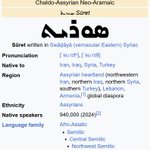
The classification of "Chaldean Neo-Aramaic", i.e, Nineveh Plains dialect (Sureth in the native language) is Northeastern Neo-Aramaic (NENA) According to prof. Khan, proto-NENA would have been ancestrally different from the southeastern Aramaic languages of Babylonia.
1
9
340
Prof Geoffrey Khan: 1. "The Northeastern Neo-Aramaic (NENA) speaking Christians mostly belong to either the Assyrian Church of the East, or Chaldean Church. The south-western periphery of the NENA area (i.e Nineveh Plains: Bartella, Bakhdida) are Syriac Orthodox or Catholic.
8
400
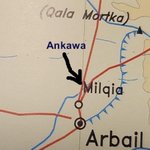
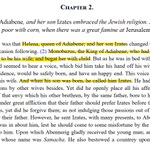
The 1st image is incorrect, 1. It's a mistranslation, the source references Chaldean (pagans) who observed Christian persecution under Shapur ii (2nd image) 2. The Chaldean pagans were from the Al-Bataih south Iraq region, not the Nineveh Plains (3rd image, Jaakko Hameen-Anttila)
2
4
1
20
858
Assyrians and Kurds are ancestrally very different. You guys got played by a poor quality company.
This Post is from an account that no longer exists. Learn more
13
12
1
85
7,008
Robbie retweeted
Assyrian Democratic Movement, Assyrian Patriotic Party, and Beth Nahrain Patriotic Union have launched a new phase to defend our ancestral lands in Tel Keppe and the Nineveh Plain, reject demographic change, uphold court rulings, and restore rightful owners’ rights.
2
15
381
Michal Marciak (2017) who specializes in the ancient near east via the Hellenistic period, affirms the Nineveh (Aturia) region as the Assyrian ethnic zone, whereas Cyrtians (Kurds) centered in Persis & Atropatene-Media Maps illustrating the boundaries these ethnicities lived in.
3
5
33
1,437
Important to note that the concept of these ethnicities and the boundaries takes place during the time of Strabo (Late-1st century BC/early 1st century AD, Pre-Monobaz i expansionism).
6
304
Robbie retweeted
Neo-Assyrian result on modern Genetic Proximity Heatmaps Iraq, Nineveh, ~612 BCE max distance = 0.05
2
1
2
23
3,212
There should be clarity on early Chaldean history, based on the info. from ancient sources, Proto-Chaldeans were a semi-nomadic Early Iron Age people (1200 BC) between the Lower Khabur basin to Mt. Hamrin, probably descending from BA Amorites, not Early Bronze Age Sumer-Akkad.
6
3
30
1,306
Proto-Chaldeans preferred the 'border zone' between Assyria & Babylonia, the Amorites were known to try to establish themselves around these areas, What became known as (MAT) Kaldi-proper and its 5 tribes in south Mesopotamia is mentioned earliest by Ashurnasirpal ii (880 BC).
1
6
307
Neo-Assyrian aristocrats' depiction of ancient Chaldean settlements (i.e, Bit-Dakkuri). The Chaldean fortresses basically resembled south Mesopotamian settlements, this is due to a certain level of assimilation into the Babylonian world after their settlement into the south.
1
5
207
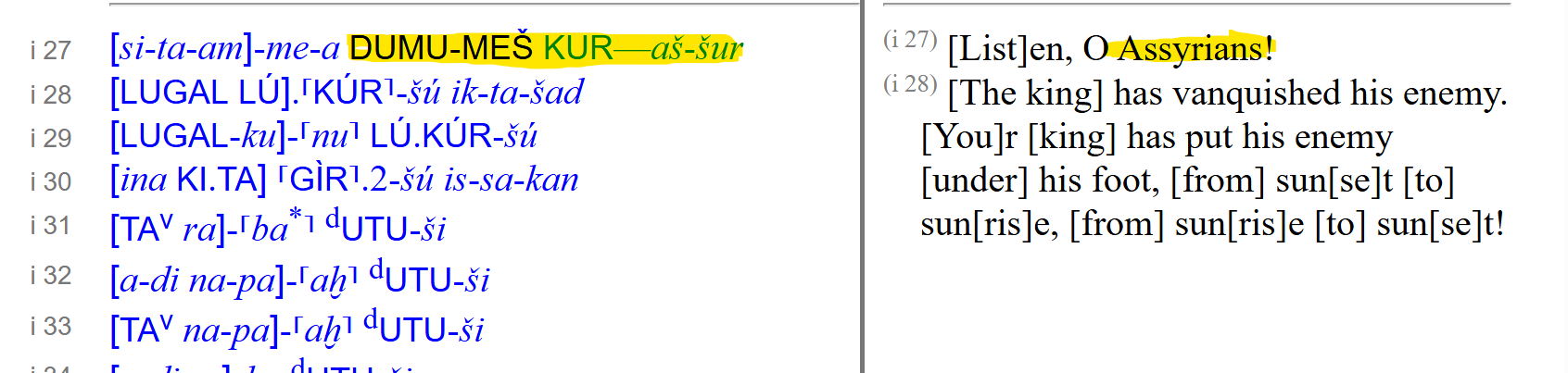
1st Image - ChaldeanNation posted that there is "no Assyrian language" (only) "Akkadian language" ..2nd Image however points to ancient Ninevite scribes not only referencing the Assyrian language/script (Ashuruti), but also in opposition to the Akkadian language (URI./Akkaduti).
2
3
29
1,080