

RHA is a unified voice for Australian researchers working in reproduction, advocating directly to the community, opinion leaders and the Government.
Joined July 2019
- Tweets1.9K
- Following883
- Followers1.1K
- Likes704







🐄 Newborn calves rely on colostrum, the first milk produced by their mothers, which contains immunoglobulin G (IgG) - antibodies that help protect calves against infection. If calves do not receive enough antibodies, their risk of illness and death increases.
#animalhealth

🌱 In Northern Australian beef production systems, where opportunities to intervene after calving can be limited, maternal nutrition is an important factor in supporting newborn health and survival.
🔬 More research into the relationship between maternal nutrition, reproductive hormones and calf immunity can help farmers make informed management decisions, improve animal welfare and reduce early calf losses.
🔗 Read more here: bio.site/rephealthozlinks

🧪 One possible explanation is that some embryos may stop developing while being grown in the laboratory and therefore never reach the blastocyst stage.
#reproductivehealth #fertility #IVF #embryotransfer #embryology #ART #fertilityresearch #reproductiveresearch #research
📚This study highlights why fertility treatment needs to consider different patient circumstances, rather than assuming one approach will work best for everyone.
♾️ Continued investment in reproductive research is essential to address these evidence gaps to ensure fertility treatment continues to be guided by strong, patient-specific evidence.
🔗 Read more here: bio.site/rephealthozlinks
🔬Aussie researchers analysed data from 11,163 patients undergoing ART in Aus and New Zeland and found that, among patients with a single zygote, cleavage-stage transfer (Day 2/3) was associated with a higher live birth rate than blastocyst transfer (Day 5/6).
💡 Blastocyst transfer (Day 5) is now common in fertility treatment, with research showing benefits for patients who have several embryos available. But what about patients with only one embryo?

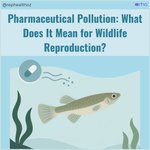
💊 Pharmaceuticals are increasingly being detected in aquatic environments, raising concerns about their potential impacts on wildlife and reproductive health.

💡 Understanding these differences is important for assessing the broader ecological consequences of pharmaceutical pollution.
#reproductivebiology #reproductivehealth #environmentalhealth #ecology #aquaticbiology
👩⚕️As pharmaceuticals continue to enter aquatic environments, research across diverse species and reproductive systems can help us better understand how environmental contaminants may shape reproductive health and population resilience.
🔗 Read more here: bio.site/rephealthozlinks
💡 Cost, limited provider knowledge, concerns about discrimination and fertility services historically designed around heterosexual couples can make navigating reproductive healthcare more difficult for LGBTQIA+ people.

🎓 Our latest student campaign from the Graduate Diploma of Reproductive Sciences at Monash University explores LGBTQIA+ family building, assisted reproductive technologies and the importance of inclusive, equitable reproductive healthcare.