

Formador de entrenadores y fisios en FIDIAS. Complejidad y Ecología aplicadas a la Salud y el Deporte
El Puerto de Santa María
Joined February 2011
- Tweets667
- Following435
- Followers831
- Likes562


Raúl Gil retweeted

⚽ Lo que casi nadie te explica: Rondos sin porterías y Juego de Ubicación:
No todos los rondos sirven, ni todos los entrenadores entienden el porqué. En Forefront Football lo tenemos claro y por eso analizamos el ejemplo del Barça.
Raúl Gil retweeted

La tradició no és preservar les cendres sinó el foc: han de morir els mals professors (els qui no saben despertar o maten el desig d’aprendre), no les classes magistrals.
Ens aniria millor canviant de pregunta: què passa dins del cap de qui escolta?

🗣️ “La classe magistral és morta: els joves ja no l’aguanten, aprenen per interacció”
🔶 Entrevista a la rectora de l’Escola Politècnica Federal de Lausana, Anna Fontcuberta
vilaweb.cat/noticies/anna-fo…
Raúl Gil retweeted

📣 NEW systematic review and meta-analysis 📄
Exercise-only interventions and exercise-based multidomain lifestyle interventions to promote cognitive function in older adults without dementia 🧠
Link ➡️ bit.ly/4yBYxnE

ALT A forest plot chart comparing the effects on cognitive functions involving three pairings: (a) Exercise-Only vs. Control, (b) Exercise-Plus vs. Control, and (c) Exercise-Plus vs. Exercise-Only. The cognitive functions listed are Executive Functions, Memory, and Processing Speed, with sample sizes in parentheses. Dots on horizontal lines represent Hedge's g values with 95% confidence intervals, with colors indicating different comparisons: purple for (a), red for (b), and orange for (c).
Raúl Gil retweeted
🚨 How much exercise does your heart really need? ❤️ 🤔
Why 150 minutes a week is the floor, not the ceiling 📈
Don't miss this NEW #BJSMBlog ✅
➡️ bit.ly/47Wxp7n

Raúl Gil retweeted

Orgullosos de compartir los resultados de TEMPUS, ayuno intermitente+ejercicio: menos grasa y mejor condición física. No hubo mayor reducción de grasa hepática frente a educación en dieta mediterránea y actividad física.
@AgEInves @CanalUGR @NatureComms
doi.org/10.1038/s41467-026-7…
1/4
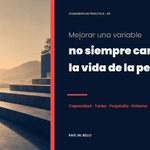
Podemos mejorar una variable sin haber cambiado todavía la vida de la persona.
Alguien puede recuperar fuerza o movilidad después de una lesión y seguir sin confiar en una tarea cotidiana.
¿Qué entendemos entonces por recuperarse?

1
1
156
3/4
«¿Qué movimiento le duele?» y «¿qué ha dejado de ser posible o significativo?» son preguntas diferentes.
Rehabilitar también implica graduar la exploración, modificar contextos y ayudar a recuperar capacidad, confianza y autonomía.
1
2
39
1/4
Dos personas pueden presentar un dolor parecido, una fuerza semejante o la misma respuesta ante una carga.
Eso no significa que hayan llegado hasta allí de la misma manera.
Evaluar el estado actual también exige intentar comprender su trayectoria.

1
1
105
3/4
Medir sigue siendo necesario. Pero una variable aislada no explica cómo se ha configurado el estado que tenemos delante.
Evaluar también implica preguntar, observar, contrastar y revisar hipótesis junto a la persona.
1
3
35
Células inmunitarias y ejercicio regular.

Scientists mapped what happens inside immune cells when people exercise regularly. The results explain why physically active people resist infection better and show how the body remembers physical activity at the molecular level.
Researchers at BGI Research analyzed blood samples from 86 young adults: 40 who exercised at least 150 minutes per week, and 46 who were completely sedentary. They profiled over 1.3 million immune cells to see how exercise changes them.
The study reveals regular exercise creates three coordinated changes: enhanced energy use, strengthened defenses against cell damage, and immune cells reprogrammed to better detect threats.
Burning fat, building defenses
Exercisers showed clear signs their bodies were burning more fat for fuel. Multiple markers of fat breakdown were elevated, including molecules that transport fats into the cellular power plants where they get converted to energy.
At the same time, exercisers stored less fat as triglycerides. The body shifts from storing fat to using it.
Molecules that protect cells from damage were elevated across the board. Betaine, a compound recently shown to extend lifespan in animals by mimicking exercise effects, was significantly higher in exercisers. Other protective molecules that neutralize harmful byproducts of metabolism were also elevated.
Exercise also changed molecules produced by gut bacteria. One compound that strengthens intestinal barriers and reduces inflammation was elevated in exercisers.
Immune cells remember exercise
The most striking finding: exercise reprograms immune cells by changing which genes are easily accessible.
Your DNA is tightly wound around proteins. Some sections are packed loosely and easy to access, others are wound tight and harder to reach. Think of it like organizing a toolbox: frequently used tools get moved to the top drawer where you can grab them immediately.
In exercisers, immune cells reorganize their DNA so critical defense genes sit in the top drawer, ready to activate the moment a threat appears.
Monocytes, white blood cells that patrol your bloodstream looking for invaders, showed the clearest changes. In exercisers, genes responsible for detecting and displaying foreign molecules became more accessible. These cells were better equipped to sound the alarm when something dangerous shows up.
Key findings by immune cell type:
• Monocytes and dendritic cells: Better at displaying pieces of viruses and bacteria to alert other immune cells
• B cells: Increased ability to present threats and signal other cells, especially in cells that remember past infections
• Killer T cells: More accessible genes for destroying infected cells, with master control proteins showing elevated activity
• Natural killer cells: Enhanced ability to kill abnormal cells, with increased production of molecules that punch holes in infected or cancerous cells
• Helper T cells: Increased activation and enhanced response to viral signals
The immune communication network shifts
Exercise changed how immune cells talk to each other. Productive communication increased while inflammatory chatter decreased.
Signaling between cells that detect threats and cells that destroy threats was significantly enhanced in exercisers. Both types of threat-detection pathways showed increased activity.
Signals that activate antiviral defenses were elevated, with killer cells sending stronger messages to detection cells. This bridges your rapid-response immune system with your adaptive immune system that remembers specific threats.
Inflammatory pathways were suppressed. Resistin, a molecule that promotes inflammation and damages blood vessels, was significantly reduced in exercisers. Other inflammatory signals were also diminished.
Signals that recruit immune cells to where they're needed and maintain healthy tissue increased.
Why this matters
This study provides molecular evidence for why regular exercise protects against infection, improves vaccine responses, and reduces chronic inflammation.
The DNA reorganization means immune cells in exercisers exist in a heightened state of readiness even at rest. They don't need to scramble to turn on defense genes when a threat appears because those genes are already accessible.
The shift toward burning fat paired with enhanced protection against cellular damage shows the body adapts to meet higher energy demands while preventing harm from the increased metabolic activity.
Betaine elevation is particularly notable. Recent research identified this molecule as something your body naturally produces during exercise that mimics many exercise benefits, extending lifespan and reducing inflammation in animals. The significantly higher levels in human exercisers provide real-world validation.
Study limitations: The participants were young and healthy, limiting how well these findings apply to older or clinical populations. Physical activity was self-reported rather than objectively measured. The sedentary group had more females, though statistical adjustments controlled for sex and body composition.
The researchers note that exercise creates a coordinated state: enhanced threat detection, optimized energy use, strengthened defenses against damage, and reduced background inflammation.
Your immune system doesn't just respond to exercise in the moment. It remembers your movement patterns through persistent changes in how DNA is packaged and which genes stay ready for activation.

1
105
“¿Recuperación? Activa” con más ejercicio… l🤔🙄

It is easy to see that "active recovery" is not going to produce a faster rate of post-workout recovery when we have a clearly described physiological model of fatigue. The active recovery workout will only ever add more fatigue on top of the pre-existing fatigue.

1
198
Recuperación de Sprints Repetidos.
Exposición/Atleta/Biomarcador observado…

⚠️ 72 hours may not be enough ⏰
Hamstring recovery after repeated-sprints, football match play and flywheel eccentric loading ⚽️ 🏃♂️
NEW #PhDAcademyAward 🏆
👉 bit.ly/4dSaD3w

3
201
Complejidad y Adaptación al contexto. 😍

Hoy le he preguntado a Luis Enrique por unas declaraciones de Cesc en las que aseguraba que el fútbol requería movimientos constantes por los marcajes individuales rivales y que el juego de posición, el de generar superioridades mediante la ocupación de espacios, estaba desapareciendo.
Su respuesta (en francés):
“Cesc está mostrando en el Como su nivel como entrenador de primer nivel. Lo que está haciendo en el Como es increíble”.
“Estoy de acuerdo. Pienso que cada entrenador tiene su propio esquema para enseñar lo que quiere en el fútbol. Para mí lo más importante es adaptarse todo el tiempo”.
“Hacemos cosas muy diferentes aquí de lo que hacíamos en la Roma o en el Barça B. Luego en el Barça todo se hacía diferente porque debes adaptarte a los jugadores. Y con la selección española también hicimos cosas distintas”.
“En el fútbol actual, en este momento, es increíble el número de aplicaciones que tenemos los entrenadores para ver lo que hacen los rivales. Me acuerdo que el año pasado dije que teníamos que ser imprevisibles para los rivales y previsibles a nosotros. Esto es la clave”.
“Nosotros seguimos buscando dar más información y cambiar las cosas. No importa que seas campeón de la Champions dos veces seguidas. Hay que seguir cambiando porque los rivales se adaptan a lo que hacemos. Es apasionante para mí como entrenador y es mi mayor motivación es esas ganas de mejorar y de ayudar todavía más a los jugadores y comprenderles para que solventen sus dificultades”.
“Estoy en la misma línea de Cesc. El juego de posición tradicional, el que yo conozco de mi etapa en el Barcelona, ha desaparecido. Porque si no eres capaz de tener capacidad de movimiento, no vas a sorprender a ningún equipo”.
“Me gusta esta innovación (movimientos) para encontrar nuevas herramientas para sorprender a los rivales”.
3
290
Raúl Gil retweeted

Hoy le he preguntado a Luis Enrique por unas declaraciones de Cesc en las que aseguraba que el fútbol requería movimientos constantes por los marcajes individuales rivales y que el juego de posición, el de generar superioridades mediante la ocupación de espacios, estaba desapareciendo.
Su respuesta (en francés):
“Cesc está mostrando en el Como su nivel como entrenador de primer nivel. Lo que está haciendo en el Como es increíble”.
“Estoy de acuerdo. Pienso que cada entrenador tiene su propio esquema para enseñar lo que quiere en el fútbol. Para mí lo más importante es adaptarse todo el tiempo”.
“Hacemos cosas muy diferentes aquí de lo que hacíamos en la Roma o en el Barça B. Luego en el Barça todo se hacía diferente porque debes adaptarte a los jugadores. Y con la selección española también hicimos cosas distintas”.
“En el fútbol actual, en este momento, es increíble el número de aplicaciones que tenemos los entrenadores para ver lo que hacen los rivales. Me acuerdo que el año pasado dije que teníamos que ser imprevisibles para los rivales y previsibles a nosotros. Esto es la clave”.
“Nosotros seguimos buscando dar más información y cambiar las cosas. No importa que seas campeón de la Champions dos veces seguidas. Hay que seguir cambiando porque los rivales se adaptan a lo que hacemos. Es apasionante para mí como entrenador y es mi mayor motivación es esas ganas de mejorar y de ayudar todavía más a los jugadores y comprenderles para que solventen sus dificultades”.
“Estoy en la misma línea de Cesc. El juego de posición tradicional, el que yo conozco de mi etapa en el Barcelona, ha desaparecido. Porque si no eres capaz de tener capacidad de movimiento, no vas a sorprender a ningún equipo”.
“Me gusta esta innovación (movimientos) para encontrar nuevas herramientas para sorprender a los rivales”.
Algunos de mis últimos post: diferentes formas de evaluar Mecanicista Vs Ecológica
instagram.com/p/DYwwJRQDK1q/…

1
79
Raúl Gil retweeted

“You cannot be with the joystick every time.”
Iraola said this yesterday talking about Liverpool’s midfield balance, and I think it might be one of the clearest descriptions I’ve heard of the difference between giving players tactics and actually developing tactical understanding.
The easy solution is to give players a rule.
If one midfielder goes, the other stays.
If the right-back goes, the left-back stays.
If the 6 jumps, somebody fills.
And sometimes those rules are useful. They can give players clarity, especially when they’re learning something new. But Iraola’s point was basically: the game doesn’t always work like that.
Sometimes both full-backs can go. Sometimes neither should. Sometimes the 6 is the one providing the security. Sometimes the opposition leave two high, sometimes three, sometimes nobody. Sometimes a centre-back steps into midfield and suddenly everybody else’s responsibility changes.
So the player has to look at the actual situation and decide.
He used the phrase “smell the danger.”
I love that because it gets at something I think coaches often miss.
The goal of a tactical principle shouldn’t be to tell the player exactly what to do.
It should help them recognize what matters when deciding what to do.
That’s a big difference.
Compare:
“When the right-back goes, the left-back stays.”
with:
“We need enough security behind the ball. What does this situation require?”
The intention is stable. The behaviour isn’t.
And that is basically Reality → Intention → Decision → Execution.
The reality changes first: Where are the opposition, how many players are high, where are my teammates, what has just happened around the ball, how much risk is there if I go too?
Then the intention gives the player something to orient around: Maintain enough defensive security.
Then they decide what that means in this specific situation.
Then they execute it.
That, to me, is much closer to actual tactical understanding than simply memorizing a set of if-then rules.
And this is where I think coaches can accidentally create dependence without realizing it.
We use rules because they make the team look organized quickly. They reduce uncertainty. They make the coaching feel clear.
And again, there’s nothing inherently wrong with that.
But if every tactical problem is always solved in advance by the coach, what exactly are the players learning to recognize for themselves?
At some point, the shortcut has to become understanding.
Iraola says, “It’s a matter of identifying the situation.”
That’s the bit.
Can the player identify when the game allows them to attack and when it demands balance? Can they recognize danger before it becomes obvious? Can they understand what teammates have already done and adapt their own action accordingly?
Because if not, the team might still look tactically disciplined, but the intelligence still belongs to the coach.
I think there’s a really useful coach-development question here:
How many of your tactical rules are actually shortcuts for decisions you ultimately want the player to learn to make themselves?
And then the harder one: Do you ever remove the shortcut?
Because “if he goes, you stay” might be a perfectly good place to start.
It just shouldn’t always be the place you finish.
“You cannot be with the joystick every time.”
Exactly. At some point, the players have to play.
🔗 thisisanfield.com/2026/08/an…