

Powdermill Nature Reserve is the environmental research center of Carnegie Museum of Natural History, dedicated to research, education, and conservation.
1795 Route 381, Rector, PA
Joined September 2015
- Tweets68
- Following47
- Followers97
- Likes0




What can we say, we're excited to move into our new offices. #parc #birdbanding #newlab #freshair #covidsafe #whoneedsaroofanyway instagram.com/p/CXb0W0-vDof/…


This female Golden-winged Warbler is brightening up our morning. #goldengirl #falllooks #migration #birdsofinstagram #birdbanding #speciesindecline #earlysuccessionalhabitat instagram.com/p/CTw2lB6g7r_/…

This spring, one of our colleagues will be studying the non-lethal effects of perceived predators on stopover ecology of Marshmallicus peepsi and Gray Catbirds (Dumetella carolinensis).

She will observe these birds’ behavioral responses to three species that migrating birds may encounter in southwest Pennsylvania: Accipeepiter cooperi (Cooper’s Hawk), a native aerial predator; Easteris bunnicus (Eastern Cottontail), an herbivore;
Then, she will tag several individuals with transmitters, manually track their local movements, and track their departure timing and where they go post-departure using the Motus wildlife tracking system.

and Felis sugarus (cat), a non-native predator that poses significant risk of mortality to songbirds.
Where do our banded birds go? What stories do their recoveries tell? If they're found dead, how did they die? The answers to these questions and more can be found here on our new storymap: tinyurl.com/qjdd3ow4
Did you see our grouse @ Ligonier's annual #IceFest this past weekend? Thanks to #DiMartinoIce for sculpting!

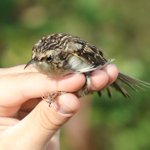
Brown creeper caught yesterday morning at the #Powdermill bird banding stations!
#autumn #migration #birding


Wet weather is a good time to find beautiful little #amphibians like this red-spotted newt :)
#herpetology

