

Chrome extensions for power users who don't trust the cloud. Local-first, no account, no server. Unfollow, export, download, BYOK AI. Privacy teardowns weekly.
San Francisco, CA
Joined March 2025
- Tweets957
- Following239
- Followers59
- Likes2.1K




Pinned Tweet
A Chrome extension's star rating tells you almost nothing. Three things on the store page tell you more.
Last updated. Quiet for a year usually means abandoned, and abandoned breaks on the next Chrome update.
How many other extensions the same dev ships. One sharp tool reads as a builder. A dozen unrelated ones read as a portfolio waiting to get sold.
What it asks for against what it does. A color picker that wants access to every site you visit is telling on itself.
Reviews tell you it worked once. The store page tells you if it still does.
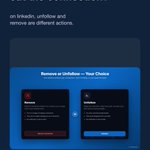
a quieter linkedin feed doesn't mean removing people. unfollow to stay connected without seeing their posts. plugmonkey.xyz/product/linke… — connection remover pro for linkedin by plugmonkey.
#plugmonkey #chromeextensions


how many people you follow here have gone quiet? sort by last activity, protect the accounts you want to keep, and review before you unfollow. x unfollow pro by plugmonkey: plugmonkey.xyz/product/x-unf…
#plugmonkey #chromeextensions


looking for one account in a long instagram following list? search by name or username before you scroll for ages. unfollow pro for instagram by plugmonkey: plugmonkey.xyz/product/insta…
#plugmonkey #instagramtips


your instagram following list can outgrow your interests. search it, protect keepers, and review before you unfollow. unfollow pro for instagram by plugmonkey: plugmonkey.xyz/product/insta…
#plugmonkey #instagramtips


if your extension acts on a click, check the click was real. any click JavaScript fires comes back with isTrusted false. skip that check and another extension can drive your feature with a click you never made. the whole trust boundary is one line.
most people open a site, then hunt for its search box. chrome skips the middle step. type the site's name in the address bar, hit Tab, type what you want. it searches inside that site. works for most sites you've used before. built in, nothing to install.
Extension Teardown #7: the update you didn't vet.
ModHeader was clean for years, 1.6M installs. Then a release added a dormant collector that could encrypt every domain you visit, ready to upload. Google and Microsoft pulled it.
You vet at install. The risk shipped later.
Half of shipping a Chrome extension is plumbing. The half that sees the page can't touch the browser APIs. The half that has the APIs can't see the page. Every feature is a message you pass between them.
"no account required" sounds like marketing. it's an engineering choice.
no account means no server to check who paid. the license has to live on the device without being easy to copy. you trade a backend for a constraint you design around.
you own the tool, not a login.
one chrome profile for everything is why your work and personal google accounts keep fighting over who's logged in. profiles are native and free: separate cookies, history, extensions each. one for work, one for personal. the boundary you keep meaning to set is two clicks away.
tab hoarding is just fear of closing. right-click any tab group in chrome, hit save group. it lands on your bookmarks bar as a pill. click it, the whole set comes back, names and colors intact. closing is safe now.
Every permission a Chrome extension asks for shows up as a scarier warning on the install screen. So half the build is subtraction: how do you NOT need it. activeTab over every-site access. The trust you ask for is part of the product. Design it down.
OpenAI's AI browser launched to hype last fall. dead in august, nine months in. everyone who moved their workflow into it is moving it again now. rent your tools and you live on someone else's roadmap. the ones on your own machine can't be sunset.
Extension Teardown #6: the consent gap.
A pop-up asked 900,000 users to allow "anonymous, non-identifiable analytics." What it sent every 30 minutes: your full ChatGPT and DeepSeek chats, and every tab's URL.
A pop-up is a promise. Permissions are the contract. Read the second.
two AI browsers, same open tab. where does your browsing go?
Comet keeps your URLs, tabs, history on the device. sends a snippet only when you ask.
Atlas runs it through the cloud. a train-on-your-browsing toggle, off by default.
read the toggle before you trust it.
Chrome put a 4GB AI model on your disk without asking. Delete it, it downloads right back. Running on your machine and chosen by you are not the same thing. One you own. The other just got parked on your drive. The off switch is in Chrome settings. Go look.
Chrome Web Store rules change August 1. Every extension has to disclose what data it collects, and keep it to what the feature needs, or risk removal. Most devs are spending this month writing that disclosure. A local-first extension has nothing to write.