

To stop the spread of invasive species, we share actionable steps for outdoor enthusiasts to enjoy & help protect our natural resources. A program of @NAISMAorg
Monona, WI
Joined April 2013
- Tweets3.2K
- Following623
- Followers1.3K
- Likes2.5K



🚐 Taking the RV on a fall adventure? Leave the firewood behind.
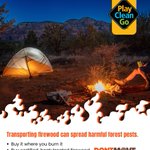
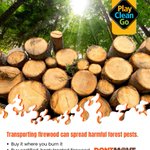
When we travel from one destination to the next, bringing firewood along can also give invasive insects and diseases a ride to somewhere new.
This #FirewoodMonth, make local firewood part of your travel plans:
🪵 Buy firewood where you’ll burn it
🪵 Choose certified, heat-treated firewood
🪵 Gather firewood at your destination where permitted
Whether you’re staying close to home or exploring somewhere new, simple choices can help protect the forests, campgrounds, and outdoor spaces we enjoy along the way. 🌲
Travel responsibly. Keep firewood local. Protect the places we love.
#PlayCleanGo #DontMoveFirewood #RVing #ForestHealth #InvasiveSpecies

Coming up next week for Firewood Month! 🪵🌳
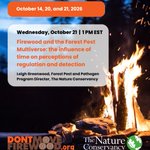
Join our partners at The Nature Conservancy’s Don’t Move Firewood campaign for "Firewood and the Forest Pest Multiverse: The Influence of Time on Perceptions of Regulation and Detection," recently rescheduled for October 21.
📅 Wednesday, October 21
⏰ 1 p.m. Eastern
🎤 Leigh Greenwood, Forest Pest and Pathogen Program Director, The Nature Conservancy
How does the time between the arrival of a forest pest and its detection affect the way we understand—and respond to—its spread?
This webinar will explore how delays in detecting new forest pest infestations can shape perceptions of regulatory effectiveness, create missed opportunities for outreach, and influence efforts to protect trees and forests.
Register today at: dontmovefirewood.org/firewoo…
#FirewoodMonth #DontMoveFirewood #PlayCleanGo #ForestHealth #InvasiveSpecies

There’s more to protecting the places we love than cleaning our gear—where our firewood comes from matters, too. 🪵🌲
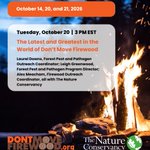
As Firewood Month continues, join our partners at The Nature Conservancy for "The Latest and Greatest in the World of Don’t Move Firewood."
📅 Tuesday, October 20
⏰ 3 p.m. Eastern
🎤 Laurel Downs, Leigh Greenwood & Alex Meacham, The Nature Conservancy
Meet the Don’t Move Firewood team and learn how the campaign is helping reduce the spread of invasive forest pests and diseases through education and outreach.
The webinar will highlight resources for both everyday firewood users and forest health professionals, along with updates affecting firewood movement in the U.S.
Join us in helping protect forests and the places we love—register today! Visit: dontmovefirewood.org/firewoo…
#FirewoodMonth #DontMoveFirewood #PlayCleanGo #ForestHealth #InvasiveSpecies

PlayCleanGo is heading to Alexandria! 🥾🎒
Join us at the 2026 NAISMA Annual Conference, October 19–22, and come find PlayCleanGo in the Exhibit Hall!
We’ll be sharing new resources and materials, connecting with partners from across North America, and talking about ways we can work together to prevent the spread of invasive species while enjoying the outdoors.
Want to hear more about what’s ahead for PlayCleanGo? Join us for a conference session where we’ll share campaign updates, new developments, and a look at where PlayCleanGo is headed next.
👋 Stop by the Exhibit Hall to say hello, check out what’s new, and talk PlayCleanGo with us.
We’ll be sharing more from Alexandria throughout the week—stay tuned!
#PlayCleanGo #NAISMA2026 #InvasiveSpecies #InvasiveSpeciesPrevention

🏕️ Heading out for a fall camping trip? Add firewood to your planning list—but leave yours at home.
Bringing firewood from home can also bring invasive insects and diseases along for the ride. Instead, help protect the forests and campgrounds we love by making a plan to:
🪵 Buy firewood where you’ll burn it
🪵 Choose certified, heat-treated firewood
🪵 Gather firewood at your destination where permitted
A little planning before we head out can help make sure our camping adventures don’t accidentally give invasive forest pests a ride to somewhere new.
Camp local. Burn local. Protect the places we love. 🌲
#FirewoodMonth #PlayCleanGo #DontMoveFirewood #Camping #ForestHealth #InvasiveSpecies

Coming up this week for Firewood Month! 🪵🌲
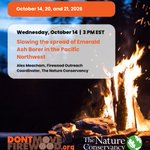
Join our partners at The Nature Conservancy’s Don’t Move Firewood campaign for "Slowing the Spread of Emerald Ash Borer in the Pacific Northwest."
📅 Wednesday, October 14
⏰ 3 p.m. Eastern
🎤 Alex Meacham, Firewood Outreach Coordinator, The Nature Conservancy
Following new emerald ash borer detections and regulations in the Pacific Northwest, the Don’t Move Firewood campaign has expanded targeted outreach in Oregon and Washington to build awareness and strengthen connections around firewood and forest health.
Hear how this work is reaching communities across the region and helping people understand the role we can all play in reducing the movement of invasive forest pests through firewood.
Register today to join the conversation at: dontmovefirewood.org/firewoo…
#FirewoodMonth #DontMoveFirewood #PlayCleanGo #EmeraldAshBorer #ForestHealth #InvasiveSpecies

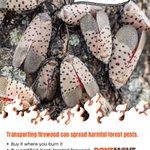
🔎 Spotted lanternfly can hitch a ride in a way that’s easy to overlook: as an egg mass.
Females lay egg masses on trees and many other hard surfaces—including firewood. Moving infested materials can give this invasive pest a ride to a new location.
During #FirewoodMonth, help stop unwanted hitchhikers before they travel:
🪵 Buy firewood where you’ll burn it
🪵 Choose certified, heat-treated firewood
🪵 Gather firewood on site where permitted
And keep an eye out for spotted lanternfly and its egg masses on firewood and other outdoor items. Knowing what to look for is another way we can help slow the spread of invasive species.
#PlayCleanGo #DontMoveFirewood #SpottedLanternfly #InvasiveSpecies #ForestHealth

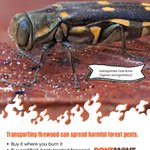
🪲 Meet the goldspotted oak borer—NAISMA's October #KnowYourInvasives species and an important reminder of why our firewood choices matter.
Goldspotted oak borer has killed hundreds of thousands of oak trees in Southern California, and movement of infested firewood can help this invasive beetle reach new areas.
During #FirewoodMonth, we can all help slow the spread of forest pests like goldspotted oak borer:
🪵 Buy firewood where you’ll burn it
🪵 Choose certified, heat-treated firewood
🪵 Gather firewood on site where permitted
Keeping firewood local is one simple way we can help protect oak trees, forests, and the places we love.
Learn more about goldspotted oak borer in this month’s Know Your Invasives blog at: naisma.org/2026/10/01/goldsp…
#PlayCleanGo #DontMoveFirewood #ForestHealth #InvasiveSpecies

🌲 Your firewood choices matter.
Moving firewood can carry invasive insects and diseases to new places, putting forests and trees at risk.
This Firewood Month, we can all help slow their spread by making a few simple choices:
✅ Buy firewood where you’ll burn it
✅ Choose certified, heat-treated firewood
✅ Gather firewood on site where permitted
Keeping firewood local helps protect the forests and places we love. 🪵💚
#FirewoodMonth #PlayCleanGo #DontMoveFirewood #ForestHealth #InvasiveSpecies

🔥 Campfires, family adventures, and time spent outdoors are even better when we help protect the places we love.
During Firewood Month, we’re reminding outdoor adventurers that transporting firewood can also move invasive insects and diseases to new places.
We can all help protect our forests by keeping firewood local:
🪵 Buy it where you burn it
🪵 Buy certified, heat-treated firewood
🪵 Gather firewood on site where permitted
Small choices can make a big difference in keeping our favorite camping spots, forests, and outdoor spaces healthy for future adventures.
Enjoy the outdoors. Protect the outdoors. 🌲
#FirewoodMonth #PlayCleanGo #DontMoveFirewood #ForestHealth #InvasiveSpecies

October is Firewood Month! 🍂🪵
Moving firewood can also move invasive insects and diseases to new places. Throughout October, our partners at The Nature Conservancy’s Don’t Move Firewood campaign are hosting three free webinars exploring the firewood pathway, forest pest prevention, and outreach helping protect forests across the country.
Please note: The Firewood and the Forest Pest Multiverse webinar originally scheduled for October 1 has been rescheduled for October 21.
🌲 Oct. 14 | Slowing the Spread of Emerald Ash Borer in the Pacific Northwest
Learn how targeted outreach in Oregon and Washington is building awareness and strengthening networks around firewood and forest health.
🪵 Oct. 20 | The Latest and Greatest in the World of Don’t Move Firewood
Meet the Don’t Move Firewood team and learn about campaign resources, outreach efforts, and updates affecting firewood movement in the U.S.
🌳 Oct. 21 | Firewood and the Forest Pest Multiverse
Explore how the time between pest establishment and detection can shape public understanding, outreach, and regulatory action.
Whether we’re camping, heating our homes, or enjoying a backyard fire, we can all help protect the places we love: buy it where you burn it, buy certified heat-treated firewood, or gather firewood on site where permitted.
Register for one or all three and join us for Firewood Month! Visit: dontmovefirewood.org/firewoo…
#FirewoodMonth #DontMoveFirewood #PlayCleanGo #InvasiveSpecies #ForestHealth

As summer gives way to fall, keep an eye out for sericea lespedeza (Lespedeza cuneata) — an invasive plant that can take over grasslands, pastures, roadsides, and other open areas. 🌿
Introduced from Asia, sericea lespedeza is recognizable by its small leaves made up of three narrow leaflets and clusters of cream-colored flowers, often with purple markings. It flowers in late summer, followed by seed production as the growing season winds down.
Sericea lespedeza spreads primarily by seed. Seeds can be dispersed by animals and moved through human activities, including on vehicles and equipment or in contaminated soil and plant material. Once introduced, this tough plant can form dense stands that compete with native vegetation, reduce plant diversity, and provide poor-quality forage for many grazing animals.
That makes fall an important time to think about where seeds might be traveling. Whether you're hiking, working, hunting, riding, or exploring open landscapes, clean mud, seeds, and plant material from your footwear, clothing, vehicles, and equipment before heading somewhere new.
A few minutes of cleaning can help keep invasive seeds from traveling with you.
📸 [Image Credit: Leslie J. Mehrhoff, University of Connecticut, Bugwood.org]
#PlayCleanGo #StopInvasives #SericeaLespedeza #LespedezaCuneata #CleanYourGear #InvasivePlants #ProtectOurGrasslands #PreventTheSpread

🌿 Today is National Public Lands Day!
Our parks, trails, forests, and waterways are places we all share—and places we can all help protect. This year’s theme, Caring for Our Shared America, celebrates the many ways we can give back to the public lands that give so much to us.
Whether you’re joining a volunteer project or simply getting outside today, we can all do our part. As we hike, bike, paddle, fish, volunteer, or explore, remember to clean mud, seeds, and plant material from our boots, gear, pets, and equipment to help prevent the spread of invasive species.
🥾 Clean your gear.
🌱 Leave invasive species behind.
💚 Help protect the places we love.
Looking for a way to participate today? Find a National Public Lands Day event near you through @NEEFusa event map: neefusa.org/npld-event-searc…
You can also join the NPLD BioBlitz on @iNaturalist and record the nature you discover on your public lands: neefusa.org/resource/npld-in…
#NationalPublicLandsDay #NPLD #PlayCleanGo #PublicLands #InvasiveSpecies

October is Firewood Month! 🍂🪵
Moving firewood can also move invasive insects and diseases to new places. This October, our partners at The Nature Conservancy’s Don’t Move Firewood campaign are hosting three free webinars exploring the firewood pathway, forest pest prevention, and the outreach helping protect forests across the country.
🌳 Oct. 1 | Firewood and the Forest Pest Multiverse
Explore how the time between pest establishment and detection can shape public understanding, outreach, and regulatory action.
🌲 Oct. 14 | Slowing the Spread of Emerald Ash Borer in the Pacific Northwest
Learn how targeted outreach in Oregon and Washington is building awareness and strengthening networks around firewood and forest health.
🪵 Oct. 20 | The Latest and Greatest in the World of Don’t Move Firewood
Meet the Don’t Move Firewood team and learn about campaign resources, outreach efforts, and updates affecting firewood movement in the U.S.
Whether we’re camping, heating our homes, or enjoying a backyard fire, we can all help protect the places we love: buy it where you burn it, buy certified heat-treated firewood, or gather firewood on site where permitted.
Register for one—or all three—and join us for Firewood Month! Visit: dontmovefirewood.org/firewoo…
#FirewoodMonth #DontMoveFirewood #PlayCleanGo #InvasiveSpecies #ForestHealth

We’re excited to share that a PlayCleanGo boot brush station has been installed at Calamus Reservoir State Recreation Area in Nebraska, thanks to grant funding from the U.S. Fish and Wildlife Service through the Infrastructure Investment and Jobs Act!
Located in the heart of Nebraska’s beautiful Sandhills, Calamus Reservoir is a popular destination for camping, fishing, boating, hiking, and other outdoor adventures. The recreation area is managed by the Nebraska Game and Parks Commission in partnership with the Bureau of Reclamation and includes a large reservoir surrounded by rolling grasslands and important native habitats.
With visitors moving between trails, campgrounds, shorelines, and other recreation areas, seeds and plant material can easily hitch a ride on boots and gear. This new station makes it easy to PlayCleanGo and help prevent invasive species from spreading into the places we love.
#PlayCleanGo #InvasiveSpecies #CalamusReservoir #NebraskaSandhills #NebraskaOutdoors #CleanTrails #InfrastructureInvestment #TrailStewardship

Those tall, prickly plants along roadsides and open areas might be cutleaf teasel (Dipsacus laciniatus) — and by late summer and fall, they can be carrying thousands of seeds ready to spread. 🌱🥾
Introduced from Europe and Asia, cutleaf teasel can grow several feet tall and is recognizable by its prickly stems, deeply divided leaves, and distinctive oval flower heads. During the growing season, small pale purple to white flowers appear in bands around the flower head. Later, the dried seed heads can remain standing well beyond the growing season.
Cutleaf teasel reproduces by seed, and a single plant can produce thousands. Seeds generally fall near the parent plant, but people can help them travel farther when seed or contaminated soil and plant material are moved on footwear, vehicles, tools, and outdoor equipment.
Once introduced to a new area, cutleaf teasel can form dense stands along roadsides, fields, grasslands, and other disturbed sites, competing with native vegetation and reducing habitat quality.
If your late-summer adventures take you through an infested area, check your boots, clothing, pets, and gear for seeds, mud, and plant material before moving on. Cleaning up before visiting another site is a simple way to keep invasive plants from coming along for the ride.
📸 [Image Credit: Chris Evans, University of Illinois, Bugwood.org]
#PlayCleanGo #StopInvasives #CutleafTeasel #DipsacusLaciniatus #CleanYourGear #InvasivePlants #PreventTheSpread

🎣🍂 Cooler mornings, changing leaves, and time spent on the water—fall fishing season is just around the corner!
Whether we're casting from shore, heading out in a boat, or wading into a favorite fishing spot, we all have a role in keeping the waters we enjoy healthy.
We protect our favorite fishing spots by cleaning plants, mud, and other debris from our boats and gear, draining all water, and allowing everything to dry before visiting another waterbody.
These simple steps are part of how we care for the places where we fish, explore, and make memories.
Wherever the season takes you, let's keep protecting the places we love. 💚
#PlayCleanGo #CleanDrainDry #Fishing #FallFishing #ProtectWhatYouLove

Another late-summer hitchhiker to watch for: jointed goatgrass (Aegilops cylindrica). 🌾🥾
Jointed goatgrass is an invasive grass found across much of North America. Its narrow, cylindrical seed heads are made up of distinctive segments or “joints.” As the plant matures, these seed heads break apart, allowing the individual seed-containing segments to disperse.
Those seeds are equipped with stiff awns that can catch on clothing, footwear, animal fur, and equipment. Seeds can also be moved in soil or mud on vehicles and machinery, making human activity an important pathway for this invasive grass to reach new places.
Jointed goatgrass grows along roadsides, disturbed areas, rangelands, and agricultural fields. It is particularly troublesome in winter wheat because the two grasses are closely related, making jointed goatgrass difficult to manage without also affecting the crop.
Whether you’re hiking, working outdoors, or exploring open landscapes, check your shoes, socks, pant cuffs, pets, and gear before moving to another location. Removing seeds before they hitch a ride is a simple way to help protect the next place you visit.
📸 [Image Credit: Steve Dewey, Utah State University, Bugwood.org]
#PlayCleanGo #StopInvasives #JointedGoatgrass #AegilopsCylindrica #CleanYourGear #InvasivePlants #PreventTheSpread

We’re excited to share that a new PlayCleanGo boot brush station has been installed at Blue Marsh Lake in Leesport, Pennsylvania, through a partnership between the U.S. Army Corps of Engineers, NAISMA, and Girl Scouts!
Designed and installed as part of a Girl Scout Gold Award project, the station provides a lasting way to help visitors protect Blue Marsh Lake from invasive species. The Girl Scout Gold Award is the highest award in Girl Scouting and challenges participants to develop sustainable solutions that make a difference in their communities.
Blue Marsh Lake welcomes hundreds of thousands of visitors each year for hiking, biking, horseback riding, boating, and other outdoor activities. By cleaning seeds and plant material from boots and gear before and after exploring, visitors can help prevent invasive species from spreading along its trails and to other places.
This station was made possible with funding from USDA APHIS. We’re proud to see partnerships like this bring invasive species prevention and youth leadership together to help protect the places we love!
#PlayCleanGo #InvasiveSpecies #BlueMarshLake #GirlScoutGoldAward #GirlScouts #USACE #USDAAPHIS #PennsylvaniaOutdoors #CleanTrails


🔥🌲 Heading out for Labor Day weekend?
Whether you're camping under the stars, hiking a favorite trail, hitting the water, or exploring somewhere new, a little preparation can help protect the places you visit from invasive species.
🥾 Clean dirt, seeds, and plant material from your boots, gear, bikes, and pets before heading to your next destination.
🪵 If a campfire is part of your plans, buy firewood where you'll burn it and leave any unused wood behind.
Small actions can make a big difference. However you spend the long weekend, PlayCleanGo and help protect the places we love.
#PlayCleanGo #DontMoveFirewood #LaborDayWeekend #ProtectWhatYouLove
