






Orribec retweeted

Something Has Survived….Dinocon! Ive just added some ex DinoCon stock to the Bargain bin at Scaled Beast! Gotta clear out my workshop (shed) to make room for something big!! Ill be adding more throughout the weekend. Retweets/shares appreciated!
Big-beaked cephalopod vs hard-shelled cephalopod, circa 80 mya:


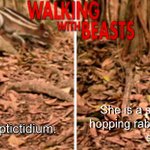
"Needlessly wordy". It is one word, a name.


100% the right call. Scientific names really should only be used in academic settings, as they're needlessly wordy and subject to change as scientists debate and reassign taxonomic placements. They're also just not how people talk about extant animals. Imagine a documentary about Costa Rica's jungles being like "and here we have Dendrobates auratus" instead of "poison dart frog".
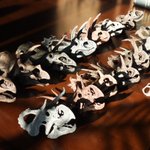
Received the Ceratopsian skull magnets (19 pcs) from Scaled Beast @ruadhribrennan as an early b-day present for myself.

Received my copy of Mesozoic Art II. It is a genuine honor to have my work be included with so many other talented paleo artists.


Our 25 contributing artists have started to receive their personal copies of #MesozoicArtII, the huge and spectacular new #palaeoart-themed @BloomsburyBooks book by myself and @sharkbitesteve. Truly the ultimate must-have if you're interested in representations of ancient life :)


